
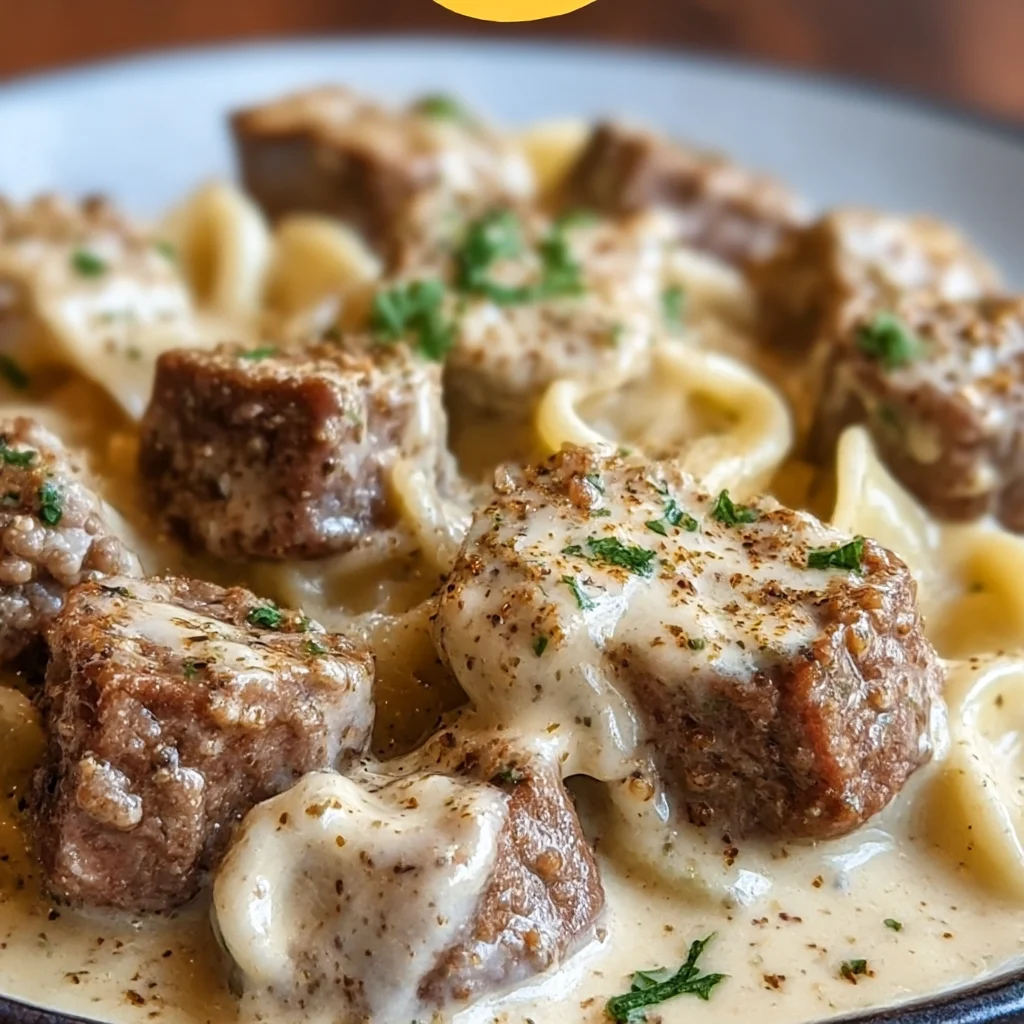
Juicy garlic butter steak bites in a rich parmesan cream sauce—a quick 30-minute weeknight dinner perfect for simple family meals and high protein dinners.
Ingredients
Instructions
Gather all of your ingredients and prep them for a seamless 30-minute dinner. Pat the sirloin steak completely dry with paper towels—this is non-negotiable for a deep, golden-brown crust. Cut the steak across the grain into 1-inch cubes, trimming any large pockets of fat if you prefer. Season the pieces generously on all sides with salt and freshly ground black pepper. Mince the garlic, measure the cream, grate the Parmesan, and chop your parsley. Having everything ready ensures the steak gets a quick, hot sear and the cream sauce doesn’t curdle while you are scrambling for ingredients. The steak cubes should be uniform so they cook evenly; uneven pieces will result in some bites overcooked and others underdone. If you have time, let the seasoned steak rest on the counter for 15–20 minutes while you prep the rest. This gentle warm-up reduces the temperature gradient from the hot pan to the cold meat, helping you achieve a rosy pink center without sacrificing that gorgeous crust.
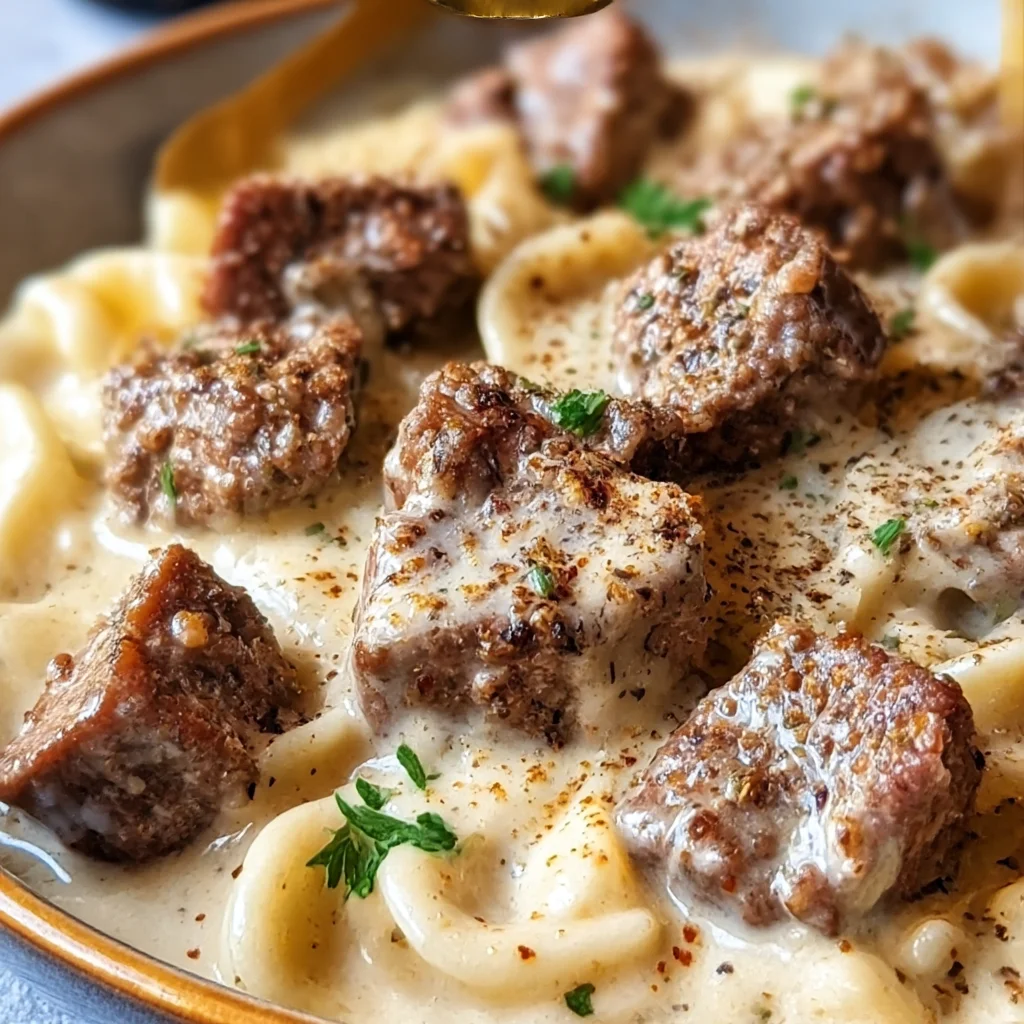
Place a large, heavy-bottomed skillet (cast-iron or stainless steel) over medium-high to high heat. Add the olive oil and heat until it shimmers and lightly ripples—this signals the pan is ready for searing, usually around 375°F. Working in a single layer, add the steak bites in batches, making sure not to overcrowd the pan. If you crowd the pan, the steak will steam instead of sear, creating gray, tough meat with fewer flavorful browned bits. Let the pieces sear undisturbed for 2–3 minutes per side for medium-rare. You want a deep amber crust that releases naturally from the pan; if pieces stick, they need a little more time. Resist the urge to stir constantly. When the steak bites are beautifully browned on two sides, use tongs to transfer them to a clean plate. It’s okay if the centers are still slightly rare—they will finish cooking in the sauce. Do not wipe out the skillet: those browned bits left behind are packed with savory flavor and are the base of your rich Parmesan sauce.
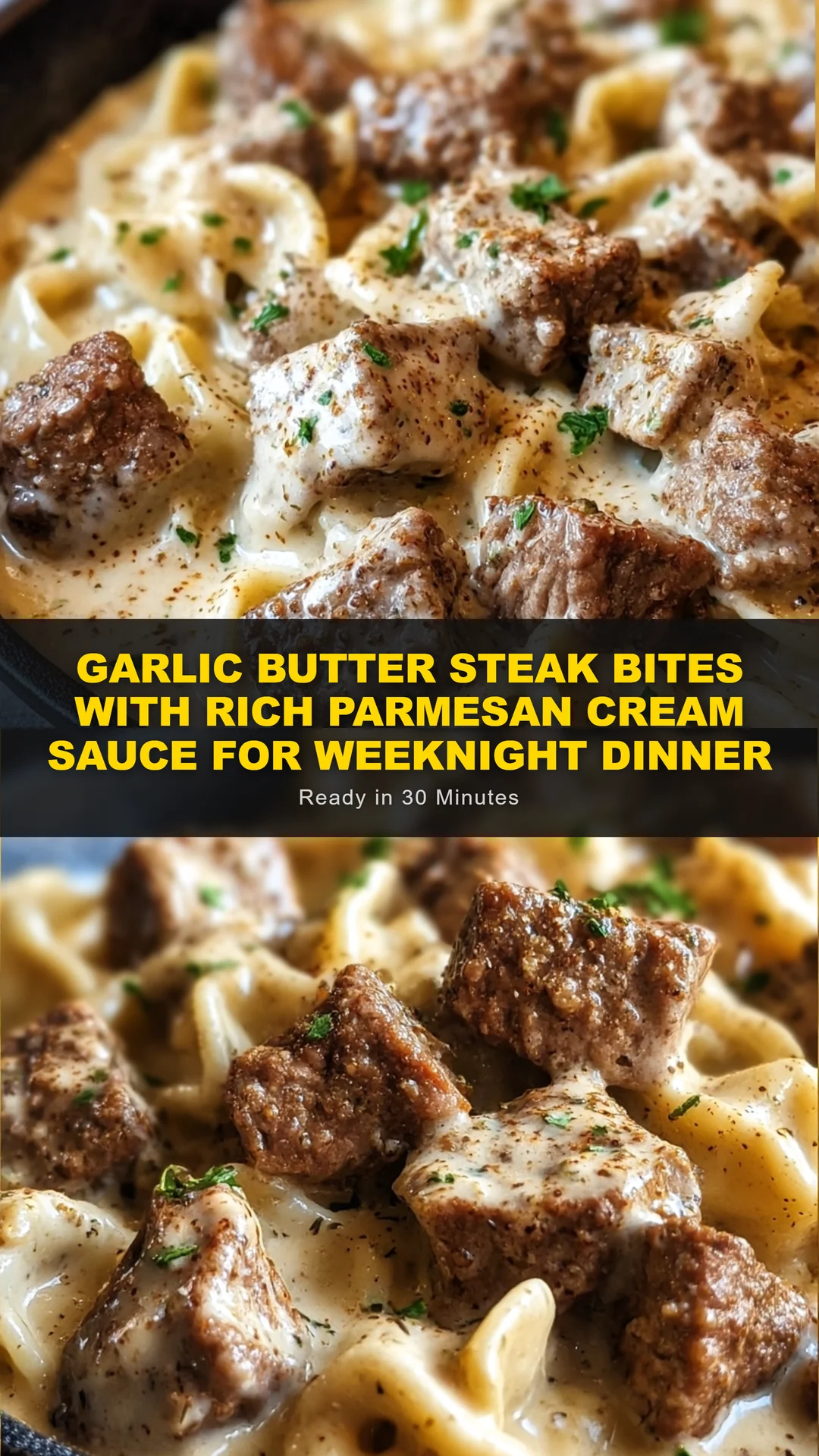
Reduce the stovetop heat to medium-low. Add the butter to the same skillet, letting it melt and gently sizzle with the leftover pan drippings. The butter will foam, and you may notice small brown particles in the fat—these are the fond, the most delicious part. Add the minced garlic and sauté for 30–60 seconds, stirring constantly, until it is aromatic and fragrant but not browned. Garlic burns quickly; if it turns deep brown or smells bitter, the heat was too high. Have your heavy cream ready nearby and pour it in slowly while stirring. As the cream heats, it will pick up all those brown bits from the bottom of the pan—this is called deglazing. Continue to stir for 2–3 minutes as the sauce begins to simmer gently, not boil. Boiling can cause the cream to separate. Whisk in the grated Parmesan cheese in three or four additions, stirring after each addition. The cheese will melt and emulsify into the cream, creating a silky, luxurious sauce. Season with Italian seasoning, optional red pepper flakes, and black pepper. Taste the sauce and add a pinch of salt if needed—remember, the Parmesan is salty, so go easy.
Return the seared steak bites to the skillet with all their juices. Using a wooden spoon or silicone spatula, gently fold the meat into the sauce until every cube is coated and glistening. Let the mixture simmer on low for 1–2 minutes, just long enough for the residual heat to warm the steak through to your desired doneness. If your steak was seared medium-rare, this warm bath will bring it to that perfect juicy medium-rare—not more. If you prefer medium, give it an extra minute; watch carefully because the steak can go from perfect to overcooked surprisingly fast. The sauce will also continue to reduce and thicken as the steak is in it. You want a thick, velvety sauce that clings to a spoon. If the sauce looks too thick, add a splash of reserved pasta water, chicken broth, or even a tablespoon of milk. If it is too thin, let it simmer a minute or two longer. Sprinkle in half of the chopped parsley at this stage, stirring to incorporate freshness.
Take the skillet off the heat right before serving. Let the dish rest for 2–3 minutes. This brief rest is critical because it allows the meat fibers to relax and reabsorb their juices, preventing every bite from releasing a puddle of red liquid onto your plate. Give the sauce another stir; it may have separated a little as it settled, but a few gentle stirs will bring it back to a glossy emulsion. At this point, do a final taste test. Adjust the salt, pepper, or cheese to your liking. The sauce should taste deeply savory, with a sweet creaminess from the butter and a sharp, nutty finish from the Parmesan. Your kitchen should smell like browned butter and garlic in the best possible way. If you want a little bright acidity, a squeeze of fresh lemon juice just before serving works beautifully to cut through the richness.
Serve the garlic butter steak bites immediately while the sauce is warm and silky. Spoon them over creamy mashed potatoes, buttered pasta, rice, or a mound of fluffy polenta—anything that can catch that gorgeous Parmesan cream sauce. A side of crisp green beans or a simple green salad balances the richness beautifully. For a low-carb option, serve alongside sautéed spinach or roasted zucchini noodles. Garnish with the remaining chopped parsley and a final shower of freshly grated Parmesan cheese. This is one of those easy dinner recipes that feels like a special-occasion restaurant meal but comes together in one skillet in about 30 minutes. For storage, let leftovers cool completely, then transfer to an airtight container and refrigerate for up to 3 days. The sauce will thicken when chilled; reheating gently with a splash of cream or broth over low heat will restore its silky texture. Do not let the steak sit in a hot skillet after serving, as it will quickly overcook.
For best results
- Choose the Right Cut of Steak – Sirloin is my go-to for steak bites because it’s lean, affordable, and deeply beefy without breaking the bank. For extra tenderness and richness, reach for ribeye or a well-marbled New York strip. If you use a tender cut like filet mignon, you’ll get melt-in-your-mouth results, though it’s pricier. The secret is to always slice the steak across the grain. That shortens the muscle fibers, making every piece easier to chew. Avoid stew meat or pre-cut stir-fry strips sold at some grocery stores, as they are often from less tender cuts and can turn chewy. A good butcher can also recommend a thick cut you can cube yourself, and that’s often more economical than buying pre-packaged steak tips.
- The Magic of a Dry Surface – Moisture is the enemy of browning. Before you sear, pat the steak cubes dry with paper towels. This removes surface moisture that otherwise has to evaporate before the Maillard reaction can take place. If you don’t, you’ll end up with steamed, pale, rubbery beef. Seasoning right before you cook also matters: too early, salt can draw out moisture and make the steak wet; too late, it won’t penetrate the surface. For the best balance, season just before you add the meat to the pan. Letting the meat sit at room temperature for 20 minutes before cooking helps the interior cook more evenly as well.
- Don’t Overcrowd the Pan – This might be the most common mistake in one-pan steak recipes. When steak pieces are piled into the skillet all at once, the pan temperature drops dramatically, and the meat releases juices, causing it to boil in its own liquid. Sear in batches, giving each cube a little breathing room. The pieces shouldn’t be touching each other in the pan. If you’re cooking a double batch, keep the first batch warm on a plate and finish searing the rest before making the sauce. Those few extra minutes make the difference between a crisp crust and a dull, gray surface.
- Use Freshly Grated Parmesan, Not Pre-Shredded – Pre-shredded cheese is coated with anti-caking powders like cellulose, which prevent it from melting into a smooth emulsion. In cream sauces, this can leave a gritty texture and make the sauce grainy. Buy a block of genuine Parmesan or Parmigiano-Reggiano and grate it yourself on a fine grater. You’ll get superior flavor and a much silkier sauce. As a bonus, the rind can be simmered in soups or tomato sauce for extra umami, so don’t throw it away.
- Control the Sauce Consistency – A perfect cream sauce should coat the back of a spoon, but it will continue to thicken as it cools. If it gets too thick, loosen it with a splash of chicken broth, beef broth, milk, or cream. If it’s too thin, let it simmer a few extra minutes to reduce, or whisk in a teaspoon of cornstarch mixed with cold water. Avoid adding a cornstarch slurry if you’re following a keto diet; a longer simmer or a bit more Parmesan can also thicken the sauce naturally. The key is to adjust gently and not let the sauce boil hard, which can separate the fats.
- Rest the Meat Twice – Yes, twice. First, after searing the steak bites, let them rest on a plate while you make the sauce. This allows the internal juices to redistribute and prevents them from leaking into the skillet immediately. Second, after combining the steak bites with the sauce and removing from heat, give everything a couple of minutes just before serving. This final rest means every bite will be juicy and tender. Cutting into steak too soon is a classic way to lose flavor, and the same rule applies to bite-sized pieces.
Variations
- Chicken or Pork – Make this same dish with boneless, skinless chicken thighs or pork tenderloin. Cut the meat into 1-inch cubes, season with salt and pepper, and sear for 4–5 minutes until golden and cooked through. Chicken thighs are more forgiving than chicken breasts and stay juicy in the cream sauce. Pork tenderloin is lean and quick—just be careful not to overcook it. The sauce can be made exactly the same; you may need to add an extra minute of simmering to let the alternative protein absorb the sauce.
- Low-Carb / Keto – This recipe is naturally friendly to a ketogenic lifestyle because the sauce is based on cream and Parmesan. To keep it low-carb, avoid serving it with mashed potatoes, pasta, or rice. Instead, serve over creamy mashed cauliflower, roasted zucchini noodles, or sautéed cabbage. You can also add sautéed mushrooms and spinach to the skillet for extra volume and nutrients without many added carbs. Just remember that the cream and Parmesan already provide plenty of richness, so a light, leafy green side is a balanced pairing.
- Spicy Cajun Steak Bites – If you want a bolder, zestier dish, replace the Italian seasoning with a Cajun or Creole spice blend. Add a little smoked paprika and an extra pinch of cayenne for heat. Toss the seasoned steak bites in the spice mix before searing, and then finish the cream sauce with some chopped pickled jalapeños or a few dashes of hot sauce. This version pairs well with cheesy grits or jambalaya-style rice and brings a Louisiana-inspired twist to your easy dinner rotation.
- Mushroom & Onion Steak Bites – Sauté a sliced yellow onion and 8 ounces of cremini mushrooms in the skillet before you add the garlic. The mushrooms will release their liquid and caramelize in the butter, adding an earthy, savory depth to the cream sauce. This is a natural riff on a classic steak and mushroom dish. You can also deglaze the pan with a splash of dry sherry or white wine before adding the cream—just let the alcohol cook off for a minute. The mushrooms add fiber and make the dish feel even more substantial without much extra effort.
- Dairy-Free / Paleo – For those avoiding dairy, substitute the butter with a good-quality dairy-free butter alternative and the heavy cream with full-fat coconut cream from a can. Use nutritional yeast in place of Parmesan to get a cheesy, umami note. The flavor will be slightly coconut-forward, so balance it with a little apple cider vinegar or lemon juice. You’ll lose the sharp nuttiness of the Parmesan, but the garlic butter and browned beef still create a deliciously rich sauce. Serve with roasted sweet potatoes or cauliflower rice.
Nutrition
- Calories640 kcal
- Total Fat48g
- Saturated Fat25g
- Cholesterol180mg
- Sodium620mg
- Total Carbohydrates6g
- Dietary Fiber0g
- Sugars2g
- Protein40g