<

20-Minute Mini Turkey Meatloaves (Muffin Tin Magic)

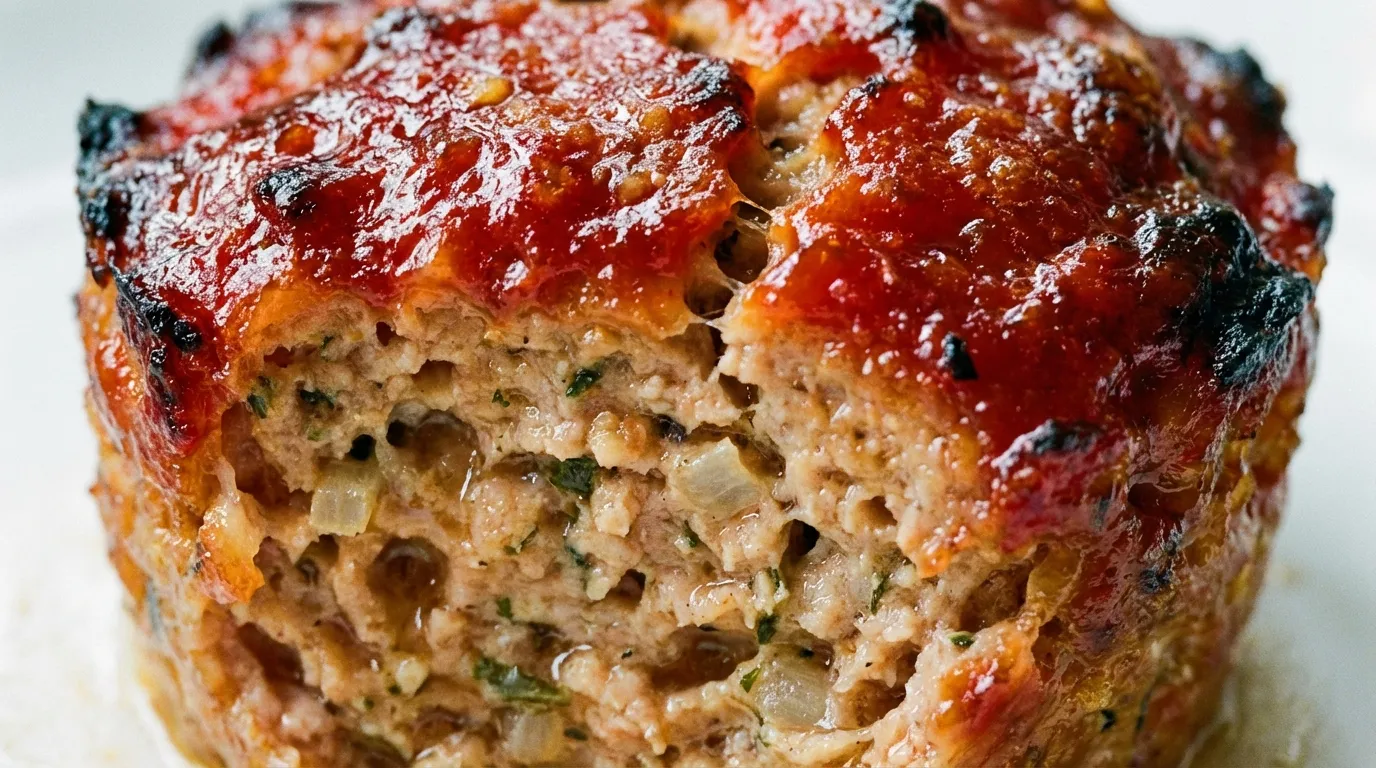
Extreme close-up of a mini turkey meatloaf with a glistening caramelized ketchup glaze and visible herb flecks.

You can reduce traditional meatloaf cooking time from 65 minutes to 20 minutes by using a 12-cup metal muffin tin. Dividing 1.5 lbs of seasoned turkey into 1-inch thick portions allows 400°F oven heat to penetrate the meat instantly, ensuring it reaches the 165°F food safety threshold without drying out.

To maintain juiciness in lean meat, you must utilize a “panade.” A panade is a binding paste made of starch and liquid that hydrates protein fibers, preventing the moisture loss common in lean ground turkey. By soaking ½ cup of rolled oats in ¼ cup of whole milk for 5 minutes, the oats act as thermal sponges that lock liquid inside the meat during the baking process.

The Thermal Geometry of a 12-Cup Muffin Tin

Thermal geometry is the relationship between the physical thickness of food and the time required for heat to reach the center. A standard loaf pan creates a 2.5-inch thick block of meat that requires 65 minutes for radiant heat to reach the core.

By portioning the meat into twelve 1-inch thick pucks, you decrease the distance heat must travel. This geometric shift allows the meat to reach the required 165°F internal temperature in exactly 20 minutes at 400°F, significantly increasing efficiency for weeknight meal preparation.

The “Oat Panade” Moisture Technique

Oat panade is a mixture of oats and milk that functions as a moisture-retention agent. Unlike dry breadcrumbs, which absorb natural juices from the meat during cooking, a pre-soaked panade forces liquid into the protein fibers. This technique reverses the physics of lean meat cooking, ensuring the final product remains tender rather than crumbly.

The Broiler “Ketchup Glaze” Caramelization

Caramelization is the chemical browning of sugars under high heat, which creates a complex, savory-sweet crust. Because the mini-loaves bake in only 20 minutes, the glaze sugars do not have sufficient time to darken naturally. You must apply the glaze at the 17-minute mark and use the “High Broil” setting for the final 3 minutes to trigger the Maillard reaction and sugar browning without overcooking the meat.

The Batch-Freezer Arbitrage
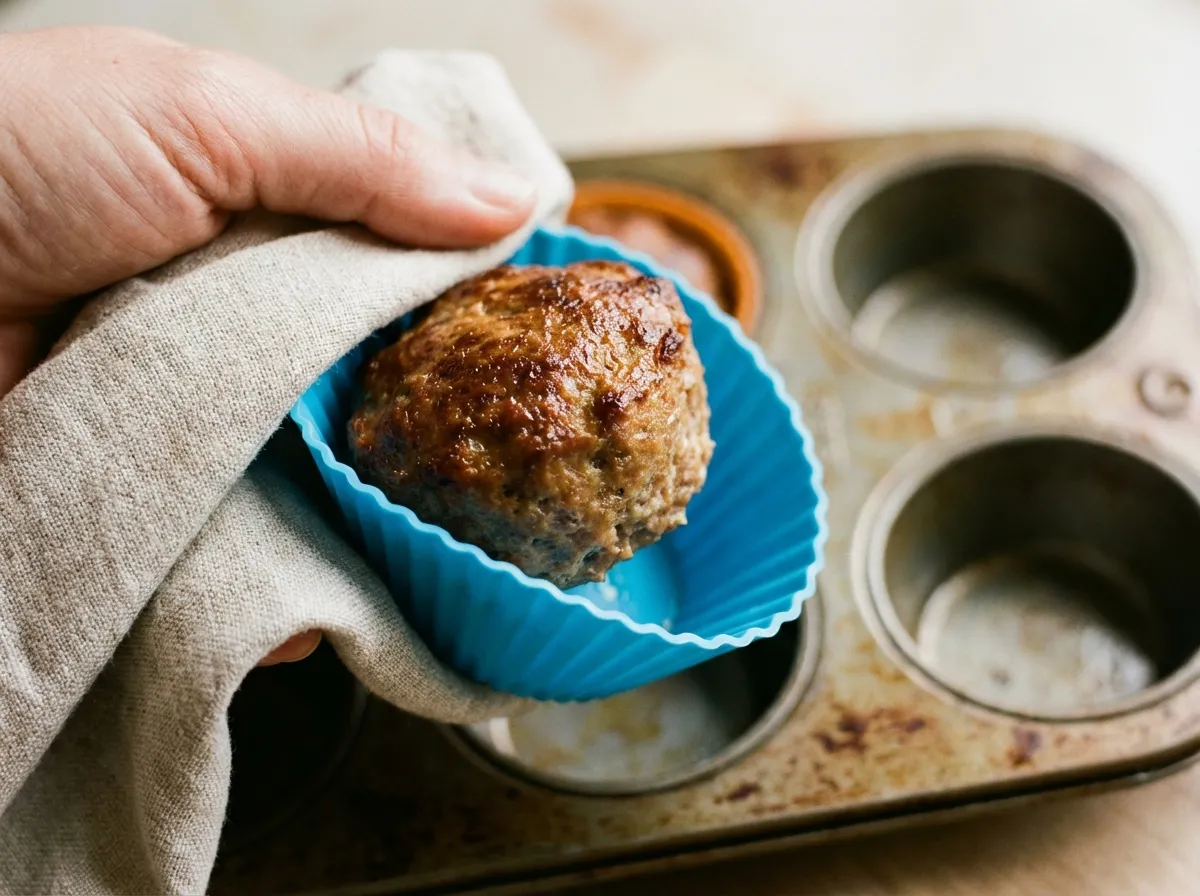
A hand lifting a cooked mini turkey meatloaf effortlessly out of a colorful silicone muffin liner.

Using silicone liners inside a metal tin ensures a flawless release and zero cleanup time.

Batch cooking 24 portions at a time allows for cost-efficient protein-heavy weeknight meals. Because the oat panade preserves internal moisture, these loaves maintain structural integrity when reheated from a frozen state.

Lunch ProtocolCost per MealProteinThermal YieldVerdict
Frozen Kid’s Meal (Brand Name)$4.508gHigh Sodium❌ Financial drain
Leftover Adult Delivery$8.00VariableSoggy Reheat❌ Wasted budget
Frozen “Oat Panade” Mini Loaf$0.8018gJuicy / Intact✅ Optimized

The Thermal Geometry Toolkit

Successful execution requires specific hardware to manage heat conduction and ensure easy release of the meat.

Hardware RequirementCulinary FunctionRisk If Ignored
Reusable Silicone Muffin LinersFlawless geometric extractionMeat welds to pan and shatters
Heavy-Gauge Metal Muffin TinRapid thermal conductionSilicone tins increase time to 35 mins
Instant-Read Digital ThermometerConfirms 165°F in 3 secondsGuessing leads to dry meat or safety issues

Field-Tested Results: Preventing Tins from Sticking

Lean ground turkey lacks sufficient fat to prevent sticking, often causing the meat to weld to bare metal. You must use reusable food-grade silicone liners inside the metal muffin tin. This combination provides the rapid conductive heat of metal while ensuring the loaves release cleanly, eliminating the need for scrubbing. Avoid using 100% silicone molds, as they act as insulators and result in a spongy, under-browned texture.

Recipe: 20-Minute Mini Turkey Meatloaves
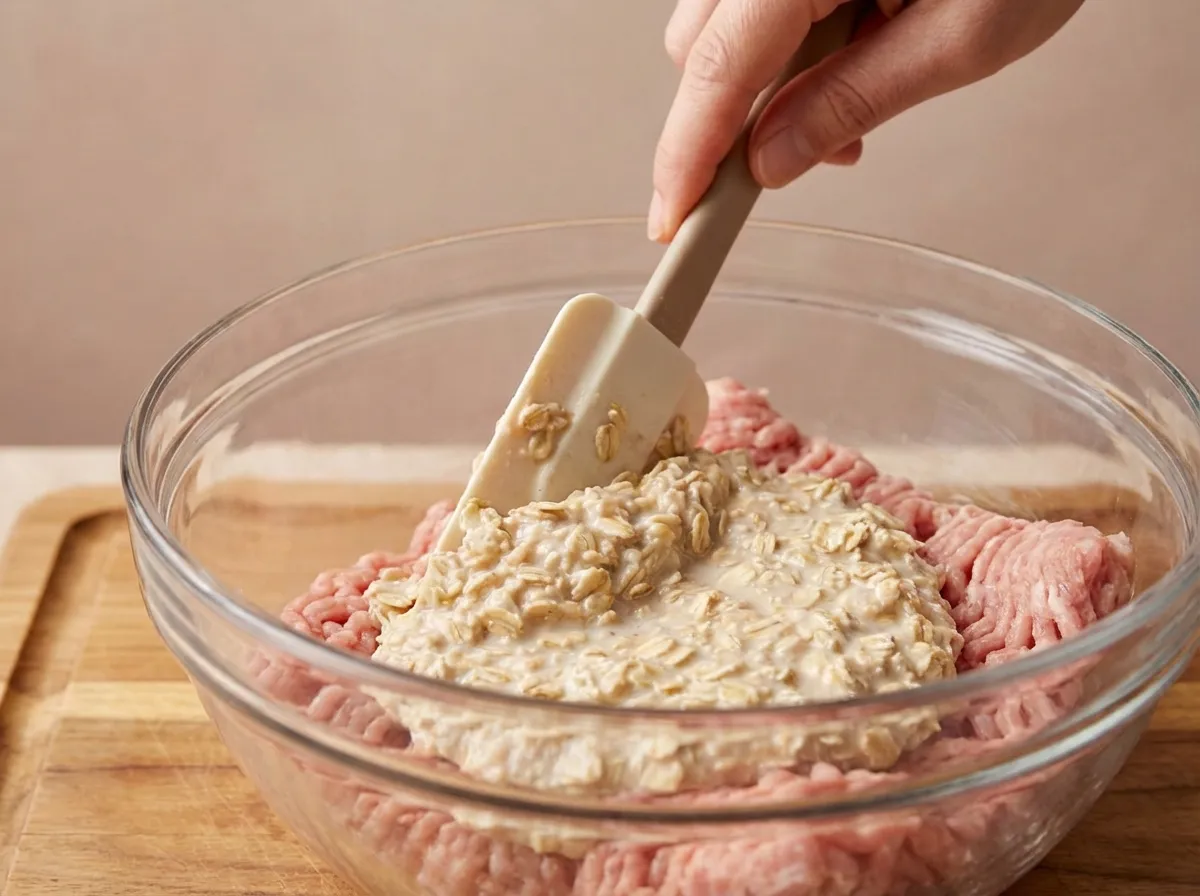
Close-up of hands mixing milk-soaked oats into ground turkey in a glass bowl.

The oat panade acts as a thermal sponge, locking moisture inside the lean turkey meat.

Ingredients:
Turkey Mix:
– ½ cup rolled oats (old fashioned or quick)
– ¼ cup whole milk
– 1.5 lbs lean ground turkey (93/7 blend)
– 1 large egg
– ¹/₃ cup grated parmesan cheese
– ½ small yellow onion, grated finely
– 2 cloves garlic, minced
– 1 tsp salt, ½ tsp black pepper, 1 tsp dried oregano

The Glaze:
– ⅓ cup ketchup
– 1 tbsp brown sugar
– 1 tsp Dijon mustard

Method:
1. Preheat oven to 400°F. Line a heavy 12-cup metal muffin tin with silicone liners.
2. Whisk oats and milk in a large bowl; let sit for 5 minutes.
3. Add turkey, egg, parmesan, grated onion, garlic, and spices to the oats. Mix firmly until combined.
4. Divide mixture evenly into the 12 muffin cups. Flatten the tops.
5. Bake at 400°F for 17 minutes.
6. Mix ketchup, brown sugar, and mustard in a small bowl.
7. Brush glaze over the top of each loaf.
8. Switch oven to “High Broil” for 3 minutes until glaze caramelizes.
9. Verify internal temp of 165°F with a digital thermometer.
10. Rest for 4 minutes before removing.

Nutrition Per Serving (2 Mini Loaves)

NutrientAmount
Calories240 kcal
Protein22g
Carbohydrates16g
Total Fat9g
Moisture LockPerfect (Panade)

Prep: 10 min | Cook: 20 min | Total: 30 min | Yield: 12 mini-loaves

Frequently Asked Questions
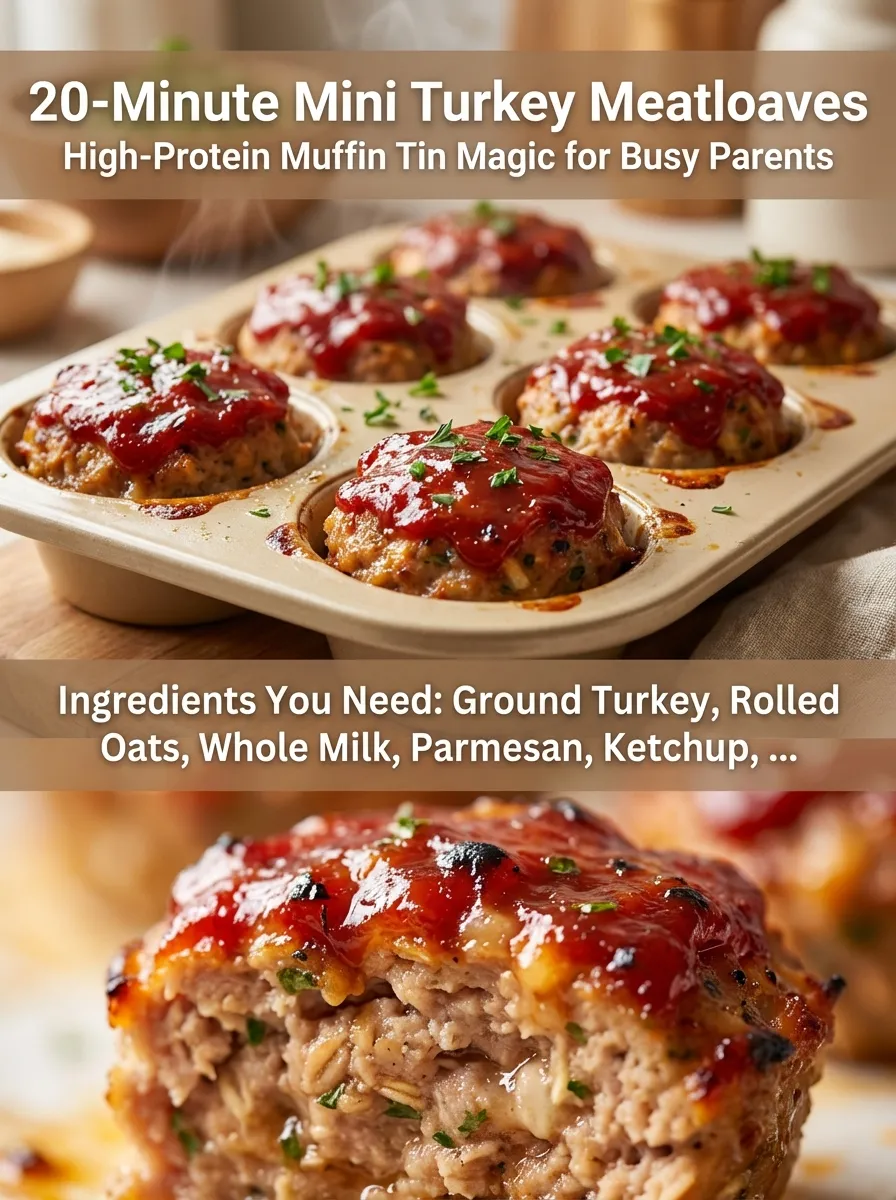
Vertical Pinterest pin for 20-minute mini turkey meatloaves with headline and ingredient list.

Pin this 20-minute high-protein dinner for your next busy weeknight!

Question: How long must I let the mini meatloaves cool in the tin before they are safe to remove?
Answer: You must let the tin rest on a cooling rack for 4 minutes. This allows the meat proteins to constrict and tighten, ensuring the loaves remain intact when lifted. Removing them while boiling hot causes the fragile meat matrix to shatter upon extraction.

Question: Can I skip the oat panade and just use standard Panko?
Answer: You can use Panko, but you must transform it into a panade first. Soak ½ cup of Panko in ¼ cup of whole milk for 10 minutes until it forms a wet paste. Adding dry breadcrumbs directly to lean turkey will absorb natural moisture and result in a dry, crumbly texture.

Question: Can I use 100% ground breast meat (99/1) instead of standard ground turkey?
Answer: It is not recommended. 99/1 turkey breast lacks the lipids necessary for a pleasant mouthfeel. Even with a milk panade, the absence of fat will cause the meat to have a grainy, bouncy, and dry texture. Use a 93/7 blend for the best results.

What to Read Next

Master the foundational high-protein dinner tactics for families, then apply Cast Iron Thermal Battery techniques in the Cheesy Chicken & Broccoli Bake. To reset your monthly meat spending, try our 30-minute protein-boosted sloppy joes.

Get Jake’s Picky-Eater 20-Minute Weeknight Formula → [QuickPlateChef Resource Library]
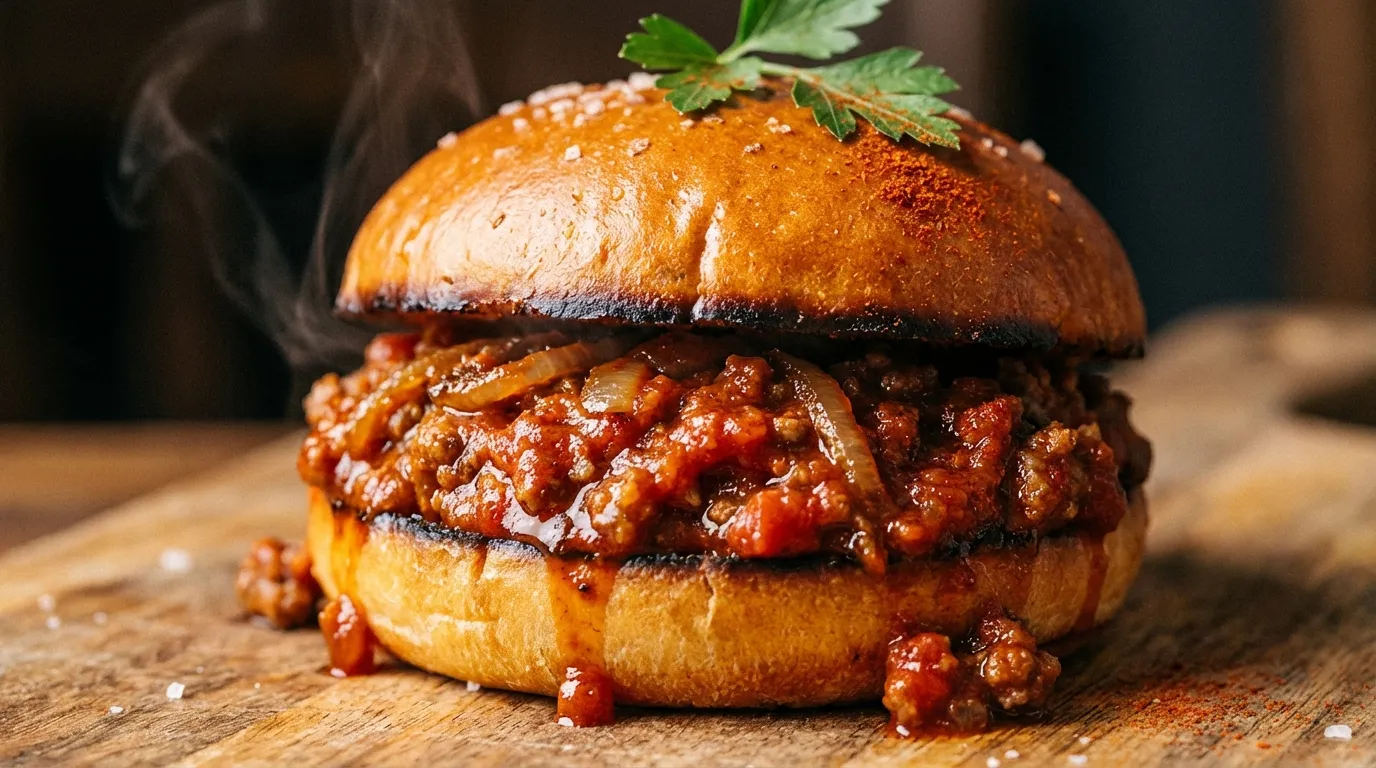
30-Minute Sloppy Joes with Hidden Lentils (Double the Protein)

Extreme close-up macro photography of a high-protein sloppy joe on a toasted brioche bun showing thick meat sauce and glossy texture.

Red Lentil Camouflage is one of many effective strategies for sneaking protein into kid-friendly meals that increases dietary fiber and protein by integrating split red lentils into meat-based sauces. Because split red lentils lack a structural husk, they dissolve into a smooth, protein-rich paste when simmered for 15 minutes, perfectly mimicking the texture and color of ground beef.

The Sugar Problem with Canned Sloppy Joe Sauce

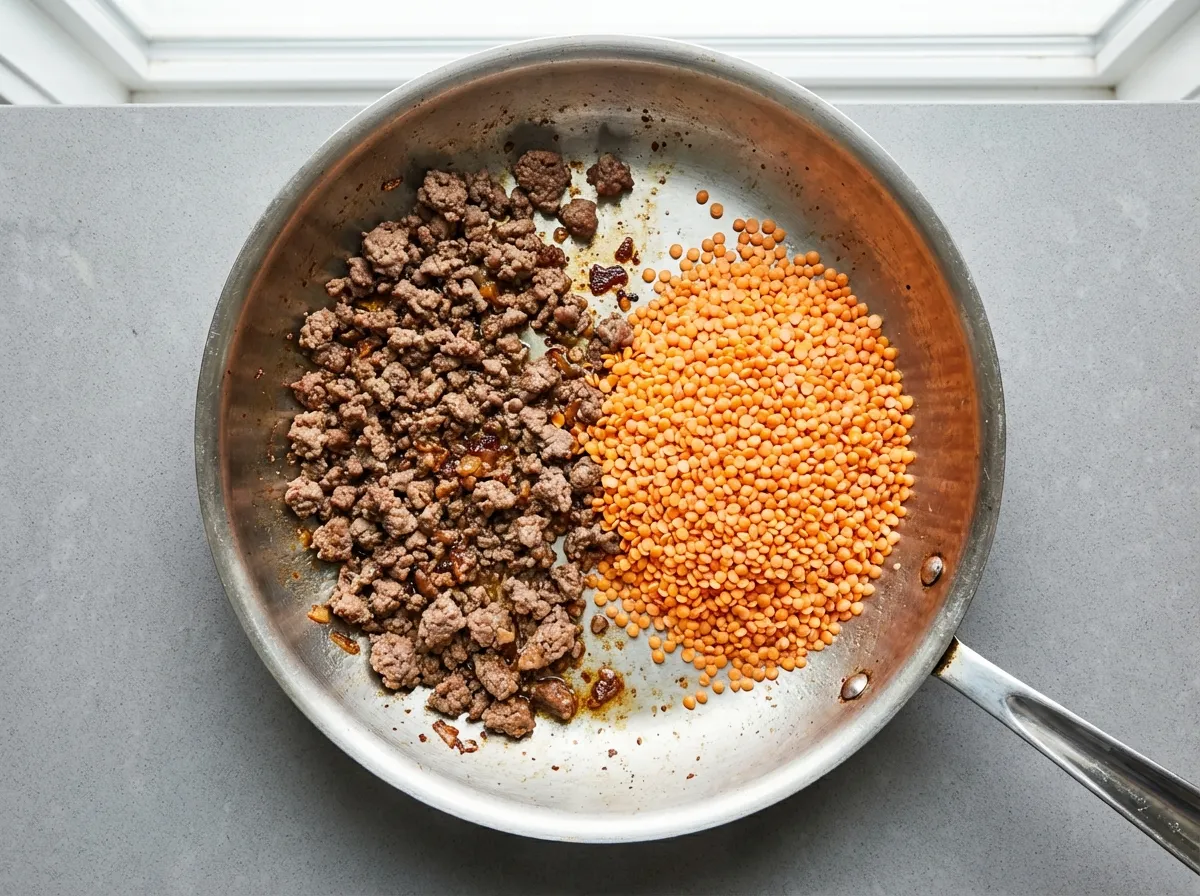
Top-down view of dry split red lentils next to browned ground beef in a stainless steel skillet.

Split red lentils (right) are the secret to doubling your meal volume without changing the texture.

Canned Sloppy Joe sauce is a processed condiment primarily composed of high-fructose corn syrup, modified starches, and sodium preservatives that cause significant insulin spikes. A scratch-made sauce replaces these additives with tomato paste, mustard, Worcestershire, and maple syrup, reducing total sugar content by 70% while providing a superior binding matrix for the meat.

The Camouflage: Why You Must Exclusively Use Red Lentils

The botanical structure of legumes determines their visibility in cooked dishes. Much like the technique used in hidden veggie turkey meatballs, standard brown or green lentils retain their shape due to a tough outer husk, which makes them easily identifiable to picky eaters. In contrast, split red lentils are processed without this husk, causing them to lose structural integrity and dissolve into a dark orange, meat-like paste during the simmering process.

Halving the Meat Bill (The Chef’s Cost Hack)

Protein extension is a financial strategy used in high-volume kitchens—and in recipes like 20-minute turkey meatloaves—to reduce costs by substituting a portion of expensive meat with nutrient-dense, low-cost legumes. By replacing half the required ground beef with split red lentils, you effectively double the meal volume while maintaining the desired protein profile and flavor profile for a fraction of the cost.

The Inflation-Busting Protein Matrix

Skillet StrategyTotal CostTotal VolumeKid Detection RiskChef Verdict
2 lbs Ground Beef$14.00High (Feeds 8)ZeroToo expensive
1 lb Beef + Chopped Carrots$7.50ModerateMassive (Visible flecks)Fails picky eaters
1 lb Beef + ½ Cup Red Lentils$7.50High (Feeds 8)Zero (Camouflaged)Optimal Hack

The High-Volume Skillet Arsenal

Doubling the volume of a 1-pound meat dinner requires specific hardware to ensure consistent cooking and safety.

HardwareCulinary FunctionRisk If Ignored
12-Inch High-Wall Sauté PanContains expanded liquid volumeBoiling broth overflows
Tight-Fitting Heavy Glass LidTraps steam to dissolve lentilsLentils remain hard/visible
Seamless Silicone SpatulaScrapes paste from pan bottomSugars scorch and burn

Field-Tested Results: Preventing Soggy Buns

Soggy bun syndrome is caused by the high moisture content of the meat mixture penetrating the bread. You must apply a “Dairy Fat Barrier” by buttering the brioche bun and toasting it face-down in a skillet until crisp. This creates a hydrophobic lipid layer that prevents the sauce from soaking into the bread.

Recipe: Hidden Lentil Sloppy Joes

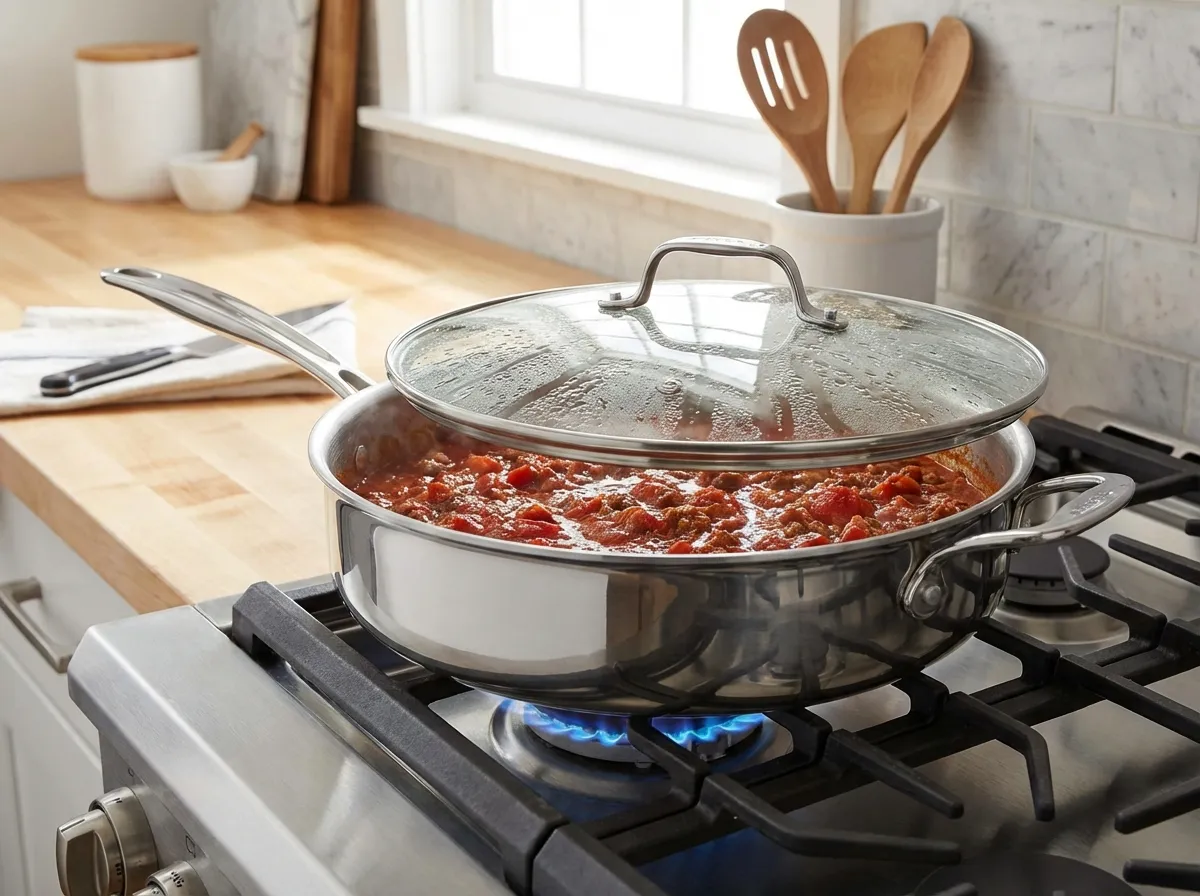
A 12-inch high-wall sauté pan with a glass lid trapping steam over a bubbling red meat and lentil sauce.

Trapping steam with a heavy lid is the key to making lentils completely disappear into the sauce.

Ingredients (Yield: 6-8 sandwiches):
* 1 lb lean ground beef
* ½ cup dry split red lentils (do not use brown/green)
* 1 cup low-sodium beef broth
* 1 small yellow onion (finely grated)
* 3 tbsp concentrated tomato paste
* 1 tbsp Dijon mustard
* 1 tbsp Worcestershire sauce
* ½ tbsp real maple syrup
* 1 tsp garlic powder, salt, and black pepper
* 6-8 brioche buns and butter

Method:
1. Brown ground beef and grated onion in a 12-inch high-wall sauté pan over medium-high heat.
2. Stir in tomato paste, mustard, Worcestershire, maple syrup, and spices. Toast for 60 seconds.
3. Add dry lentils and beef broth. Combine thoroughly.
4. Bring to a simmer, cover with a tight-fitting lid, and cook for 15 minutes. Stir at the 10-minute mark.
5. Toast buttered buns in a separate skillet while the mixture finishes.
6. Stir the meat mixture vigorously to ensure a uniform texture and serve.

Nutrition Per Serving (Including Bun)

NutrientAmount
Calories380 kcal
Protein26g
Carbohydrates34g
Total Fat15g
Dietary Fiber11g

Frequently Asked Questions

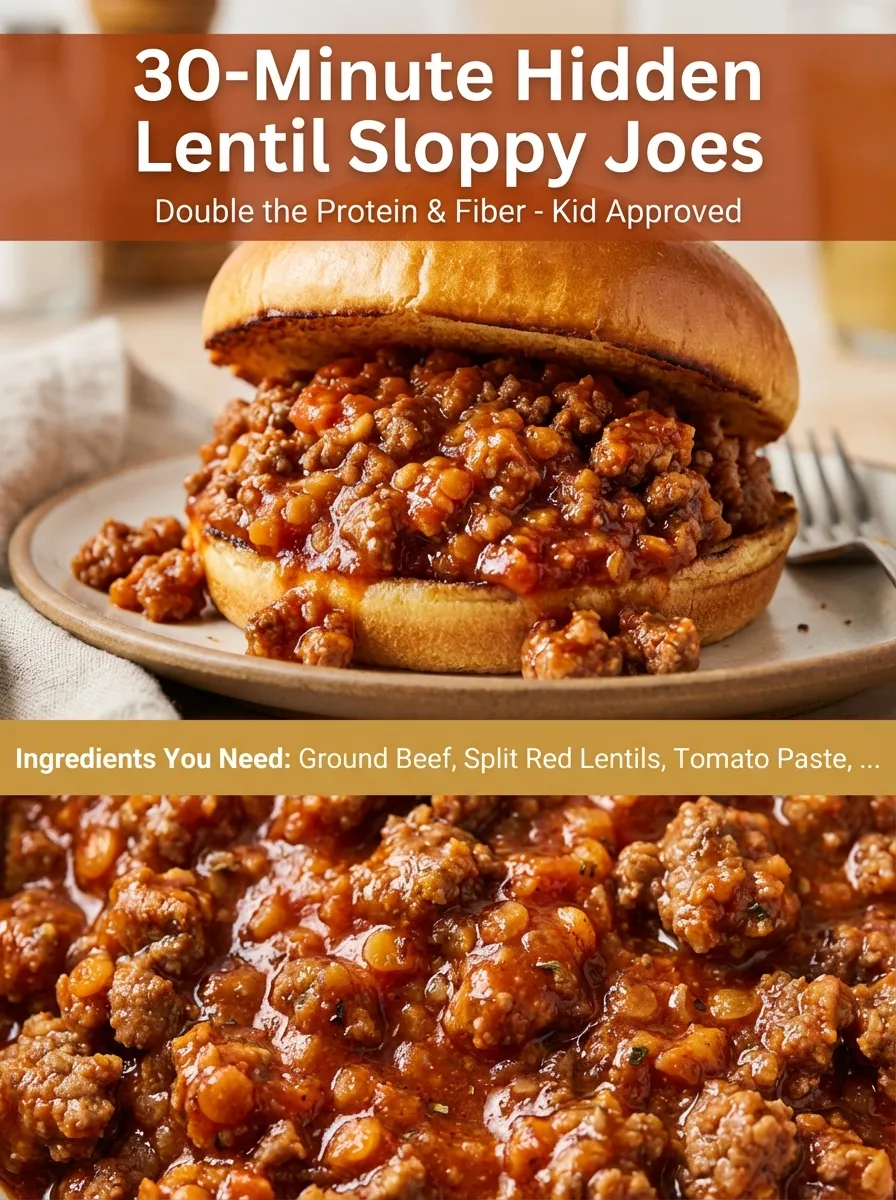
Vertical Pinterest pin showing a Sloppy Joe sandwich with text overlays and ingredient highlights.

Pin this 30-minute high-protein dinner for your next stress-free weeknight!

Do I need to pre-soak the dry red lentils?
No. Split red lentils lack the tough outer skin of whole legumes and possess a fragile structure. They will cook from dry to a dissolved paste in exactly 15 minutes when simmered in the skillet. Pre-soaking is unnecessary and will compromise the desired texture of the final sauce.

Why use beef broth instead of water?
Dry red lentils act as biological sponges during the cooking process. Using beef broth ensures the lentils absorb savory, umami-rich flavors rather than becoming diluted. This creates a flavor profile that is indistinguishable from the ground beef, maintaining the integrity of the dish for picky eaters.

Can I use canned brown lentils instead?
No. Canned brown or green lentils retain their shape and possess an earthy flavor that is easily detectable. Even if mashed, the skins remain visible and texturally distinct. You must use dry split red lentils to achieve the required camouflage effect for this recipe.

Can I freeze the leftover meat mixture?
Yes. The starches in the dissolved lentils help the mixture stabilize during freezing. Store in a heavy-duty airtight bag, pressed flat to remove excess air, for up to 3 months. Reheat directly in the microwave until the center reaches an internal temperature of 165°F.

Cheesy Chicken & Broccoli Bake (30-Minute Skillet to Oven)

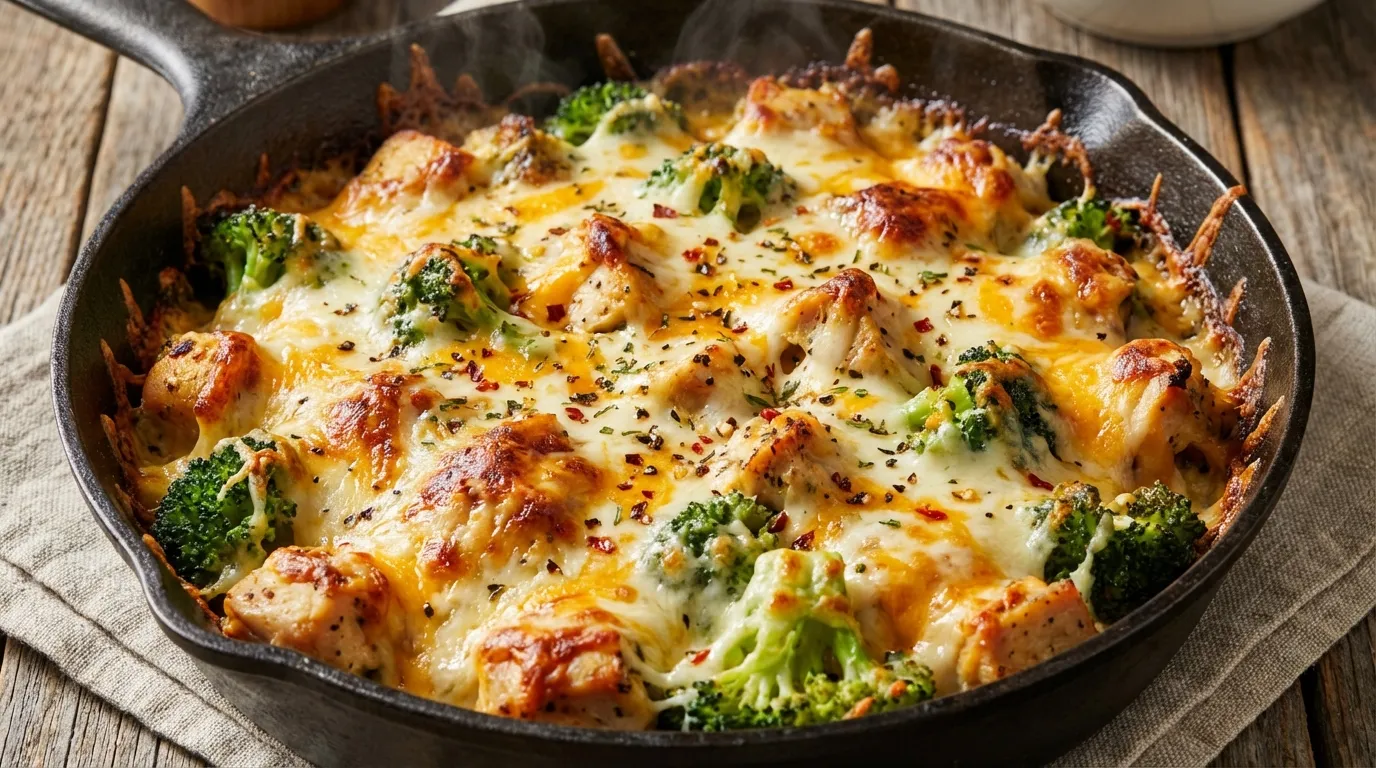
Extreme close-up of a cheesy chicken and broccoli bake in a cast iron skillet with bubbly melted mozzarella and golden seared chicken.

To execute a cheesy chicken and broccoli bake in 30 minutes, you must use the “Stovetop Head Start” method with a 12-inch cast iron skillet. Sear seasoned 1-inch chicken breast cubes for 5 minutes, combine with microwave-steamed broccoli and a rapid cheddar sauce, then bake at 400°F for 10–12 minutes to melt the cheese.

This streamlined workflow is a foundational technique for sneaking protein into 30-minute dinners without sacrificing texture or flavor.

The Thermodynamic Flaw in Traditional 9×13 Casseroles

A traditional casserole is a slow-cooking method where cold ingredients in a glass dish require significant thermal energy transfer to reach safe internal temperatures. Glass acts as an insulator, delaying the heating process and often causing the chicken to overcook or the broccoli to disintegrate into mush before the dish is fully heated.

The “Cast Iron Head Start” Workflow

The “Cast Iron Head Start” is a professional culinary technique where a heavy cast iron skillet acts as a thermal battery to bridge the gap between stovetop searing and oven finishing. Searing the protein on a burner initiates the Maillard reaction—a chemical reaction between amino acids and reducing sugars—which creates browning and complex flavor, while the residual heat in the iron ensures even cooking during the oven phase.

The Microwave Steam-in-Bag Broccoli Hack

Using a steam-in-bag frozen broccoli packet is a time-saving strategy that allows for parallel processing during the 5-minute chicken sear. By microwaving the broccoli for 4 minutes while the chicken cooks, you maintain the thermal integrity of the skillet, preventing the pan temperature from dropping and ensuring a continuous, efficient cooking cycle.

The Frozen Floret Arbitrage

Broccoli StatePrep LaborBag CostYield StatusChef Verdict
Fresh Whole Head15 Min$3.50Massive waste❌ Inefficient
Frozen “Broccoli Cuts”0 Min$1.5050% woody stems❌ Subpar texture
Frozen “100% Florets”0 Min$2.50Pure tender heads✅ Optimal

The Stovetop-to-Oven Arsenal

Executing a high-heat oven transfer requires specific hardware to ensure safety and thermal efficiency. Using the correct tools prevents common kitchen failures such as temperature drops, uneven cooking, or physical injury.

Hardware Requirement30-Minute FunctionRisk if Ignored
12-Inch Cast-Iron SkilletRetains high thermal massGlass breakage or warped pans
12-Inch Silicone TongsRapid, precise protein flippingSteaming meat instead of searing
Aramid Fiber MittsHeat-resistant oven extractionSevere contact burns
  • 12-Inch Skillet: This size prevents overcrowding, which is essential to avoid releasing excess moisture that leads to steaming rather than browning.
  • Silicone Tongs: These provide the necessary grip to flip 30+ pieces of chicken in under 30 seconds.
  • Aramid Fiber Mitts: These provide thermal protection up to 450°F, far exceeding the capacity of standard cotton towels.

Recipe: 30-Minute Cheesy Chicken & Broccoli Skillet

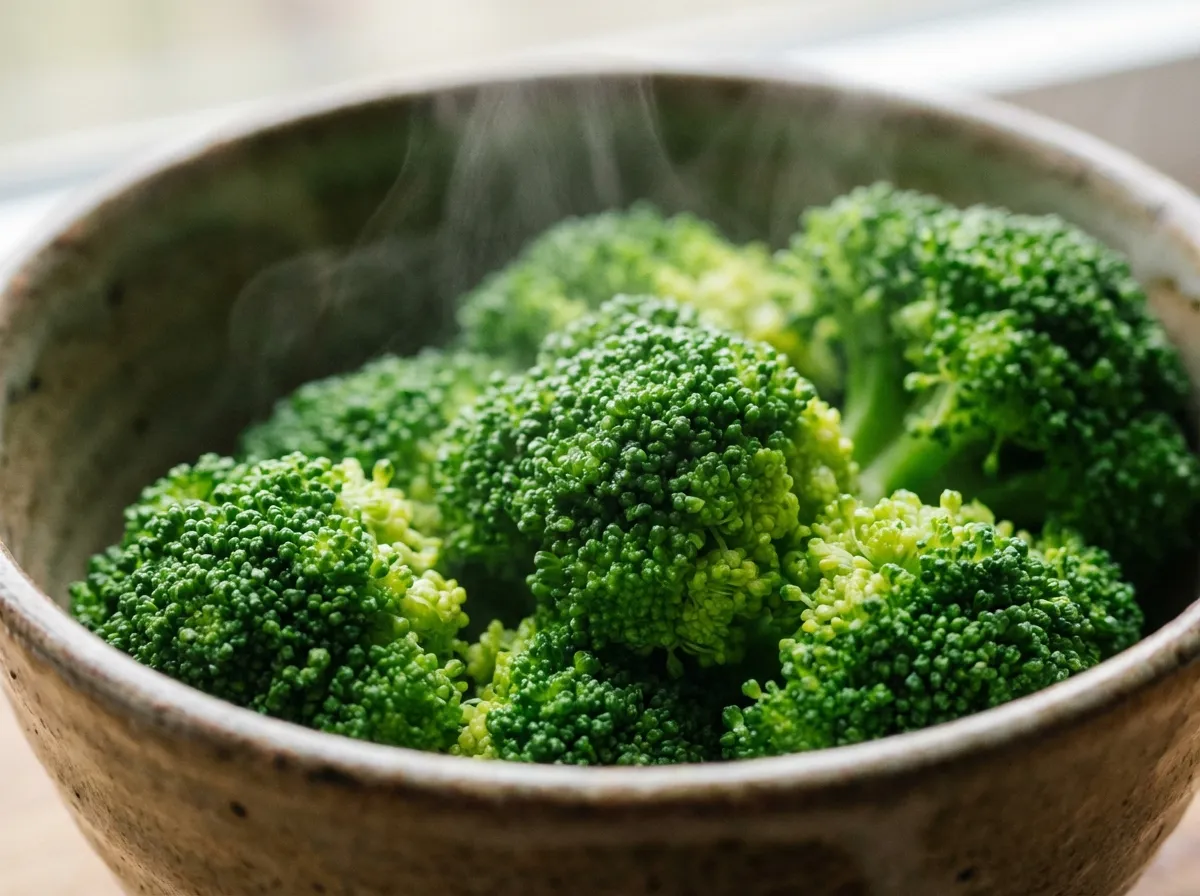
Vibrant green steamed broccoli florets ready to be added to the chicken skillet.

Using 100% florets guarantees a tender, kid-friendly texture without the woody stems.

Ingredients (4 Servings):
* 1.5 lbs boneless skinless chicken breast, cut into 1-inch cubes
* 1 bag (12oz) frozen “100% Broccoli Florets”
* 1 cup heavy cream
* 1 cup sharp cheddar cheese, shredded
* 1 cup mozzarella cheese, shredded
* 1 tbsp olive oil
* 1 tsp garlic powder, 1 tsp onion powder, salt, and cracked pepper

Method:
1. Preheat oven to 400°F.
2. Heat 12-inch cast-iron skillet on the stovetop over medium-high heat with olive oil.
3. Season chicken with garlic powder, onion powder, salt, and pepper.
4. Sear chicken for 3 minutes, flip, and sear for 2 additional minutes.
5. Microwave broccoli for 4 minutes.
6. Reduce skillet heat to medium. Add heavy cream and cheddar. Stir for 1 minute until melted.
7. Add steamed broccoli to the skillet.
8. Top with mozzarella.
9. Bake at 400°F for 10 minutes.
10. Rest for 5 minutes before serving.

Nutrition Per Serving

NutrientAmount
Calories420 kcal
Protein45g
Carbohydrates12g
Total Fat22g
Process Time30 Mins

Frequently Asked Questions

Can I use a glass Pyrex dish for the stovetop-to-oven method?
No. You must never place a glass baking dish on a direct stovetop burner. Glass will undergo thermal shock and shatter. If you lack a cast iron skillet, use a heavy-bottomed stainless steel skillet rated for oven use up to 450°F.

How do I prevent the mozzarella from burning in a 400°F oven?
The 10–12 minute bake time is typically sufficient for melting without burning. If your oven runs hot and the cheese browns too quickly, cover the skillet loosely with aluminum foil for the final 4–6 minutes of the baking cycle to protect the dairy proteins.

Why is the sauce thin when I remove it from the oven?
The sauce is fluid at high temperatures. You must let the skillet rest for 5 minutes. As the temperature drops, the dairy fats will emulsify and thicken, resulting in a proper coating consistency for the chicken and broccoli.

Is heavy cream acceptable for daily macros?
Heavy cream provides high lipid content, which increases satiety. In a low-carbohydrate meal consisting primarily of lean protein and fibrous vegetables, this healthy fat content replaces the caloric density of starches like protein-packed mac and cheese or rice, keeping you full for longer periods.

Ultimately, mastering the skillet-to-oven workflow allows you to serve nutritious, high-protein meals for kids in less time than it takes to order takeout.

Kid-Approved Protein Mac & Cheese (Hidden Cottage Cheese Sauce)

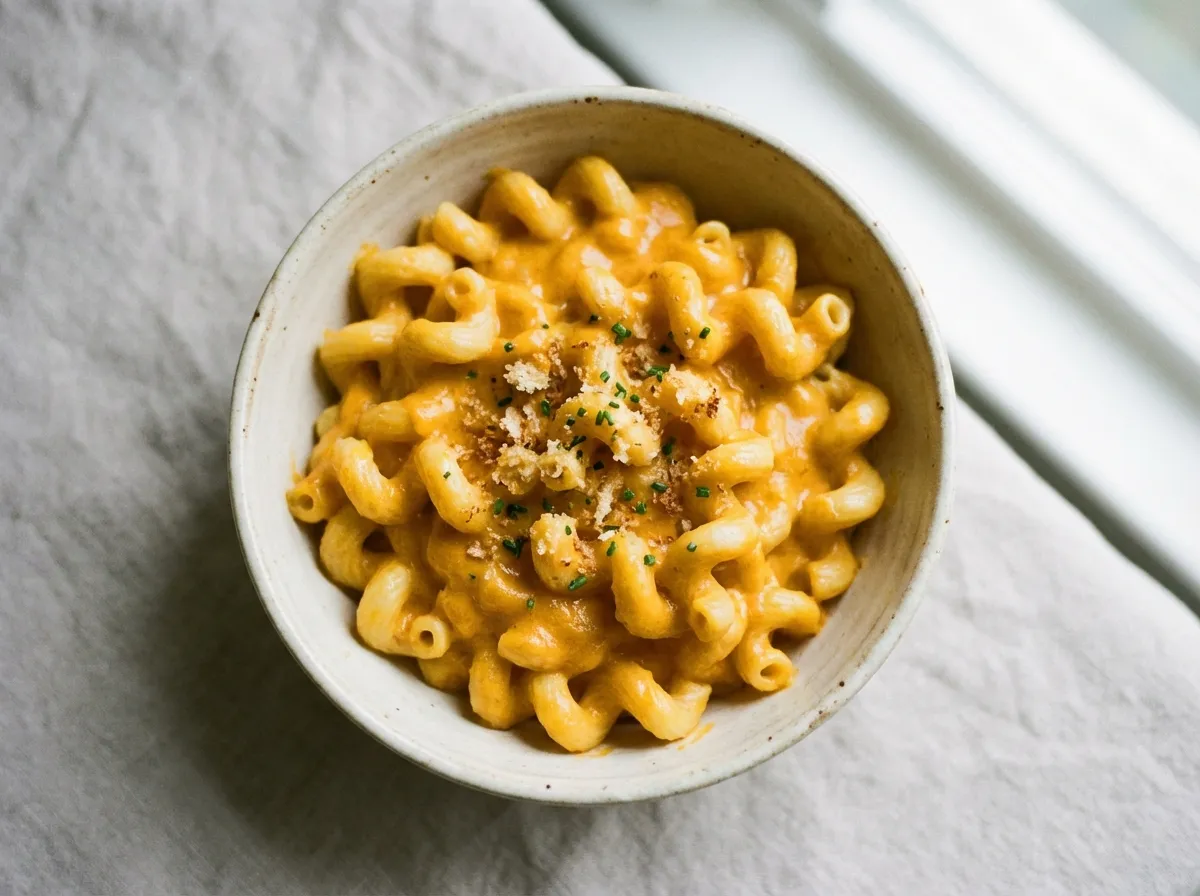
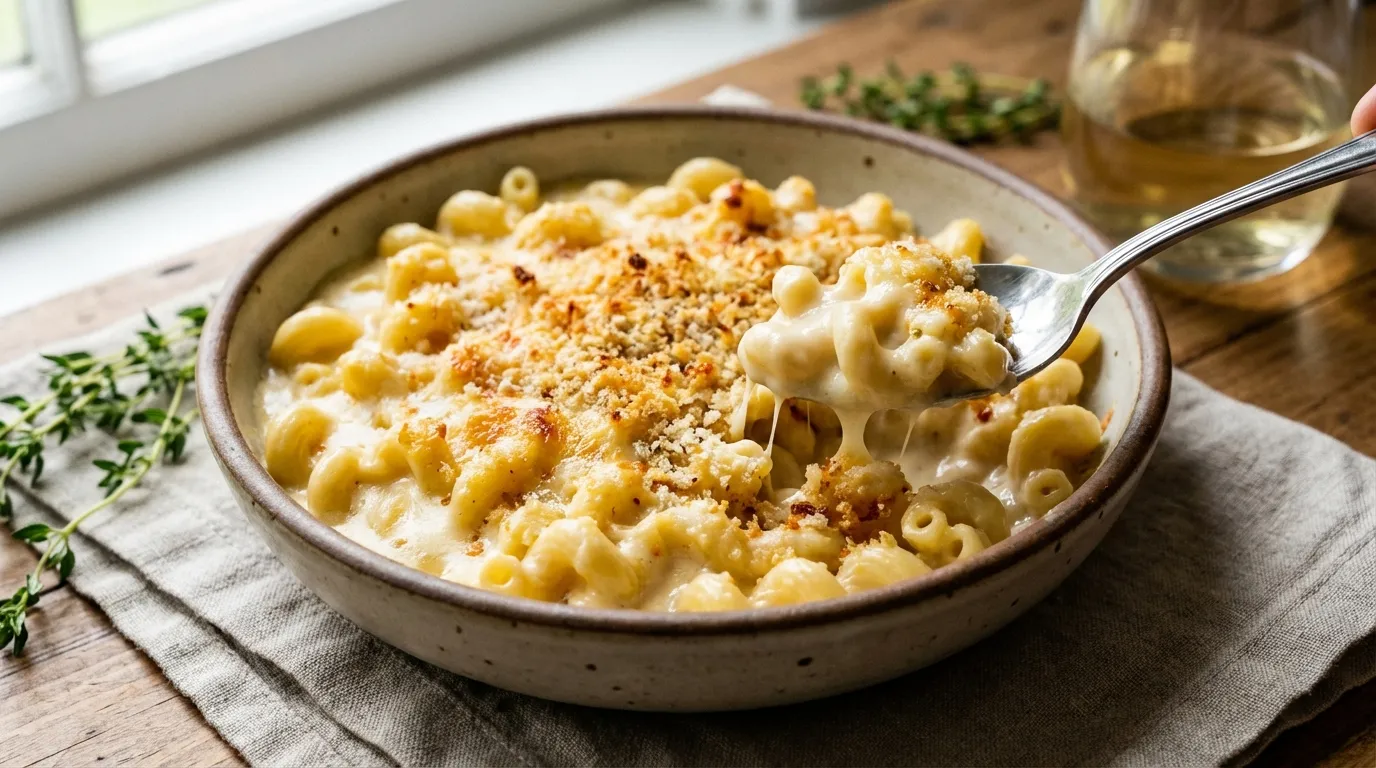
Extreme close-up of creamy protein mac and cheese with velvety orange sauce coating bronze-die cavatappi noodles.

To sneak protein into 30-minute dinners like macaroni and cheese without detectable texture changes, use the Hot Blender Emulsion method. While boiling 8oz of pasta, blend 1 cup of full-fat cottage cheese, 1.5 cups of freshly grated sharp cheddar, and ¼ cup of starchy pasta water on high for 60 seconds. This creates a smooth, velvety sauce containing 25g of casein protein per serving.

The Empty Calories of Boxed Mac & Cheese

A side-by-side visual style showing a bowl of rich, thick homemade protein mac and cheese compared to thin processed boxed cheese.

Unlike thin boxed sauces, this emulsion delivers 25g of protein with a rich, Velveeta-like silkiness.

Standard boxed macaroni and cheese is a calorie-dense meal consisting primarily of simple carbohydrates and sodium, providing approximately 5g of protein per serving. This protein is derived from wheat rather than high-quality dairy sources. By replacing powdered cheese packets with cottage cheese and block cheddar, you replace empty calories with 25g of high-quality casein protein.

The Protein Premium Arbitrage

Mac LayerCost Per ServingProteinTextureResult
Standard Blue Box$0.50~5gProcessed gooEmpty carb crash
Hot Blender Cottage Cheese$1.8025g caseinRich Velveeta silkTrojan Horse nutrition
Greek yogurt stirred in$1.2012gGrainyImmediate rejection

Adding $1.30 of cottage cheese and cheddar per serving transforms the dish into a recovery meal. Much like the nutritional benefits of hiding lentils in sloppy joes, using casein provides a slow-digesting dairy protein that provides amino acid release for 5–7 hours. This supports overnight growth hormone production for children, a benefit unavailable through standard refined-carb pasta meals.

The Hot Blender Emulsion: How It Works

The Hot Blender Emulsion is a technique that uses mechanical force and starch binding to prevent dairy separation. Stirring cold cottage cheese into hot noodles causes the fat to rise and the curds to remain intact, resulting in a lumpy texture. The blender method solves this through three specific mechanisms:

  1. Pasta water starch binding: Starchy boiling water contains amylose and amylopectin, which act as emulsifiers. These starches bind fat and water molecules together, preventing the sauce from separating.
  2. Thermal curd liquefaction: Boiling pasta water at 212°F melts the cottage cheese curd structure instantly, allowing the blender to achieve a uniform consistency.
  3. High-RPM mechanical friction: Operating a blender at 15,000+ RPM for 60 seconds reduces the cottage cheese curds to sub-micron particles, making them invisible to the palate.

The Cellulose Trap: Why Block Cheddar Is Non-Negotiable

Never use pre-shredded bagged cheese for this emulsion. Pre-shredded cheese is coated in cellulose or potato starch to prevent clumping. These anti-caking agents do not melt and will create a gritty, sandy texture in your sauce. Freshly grating a block of sharp cheddar ensures the cheese contains only fat and protein, allowing for a completely smooth emulsification.

The Emulsion Hardware Toolkit

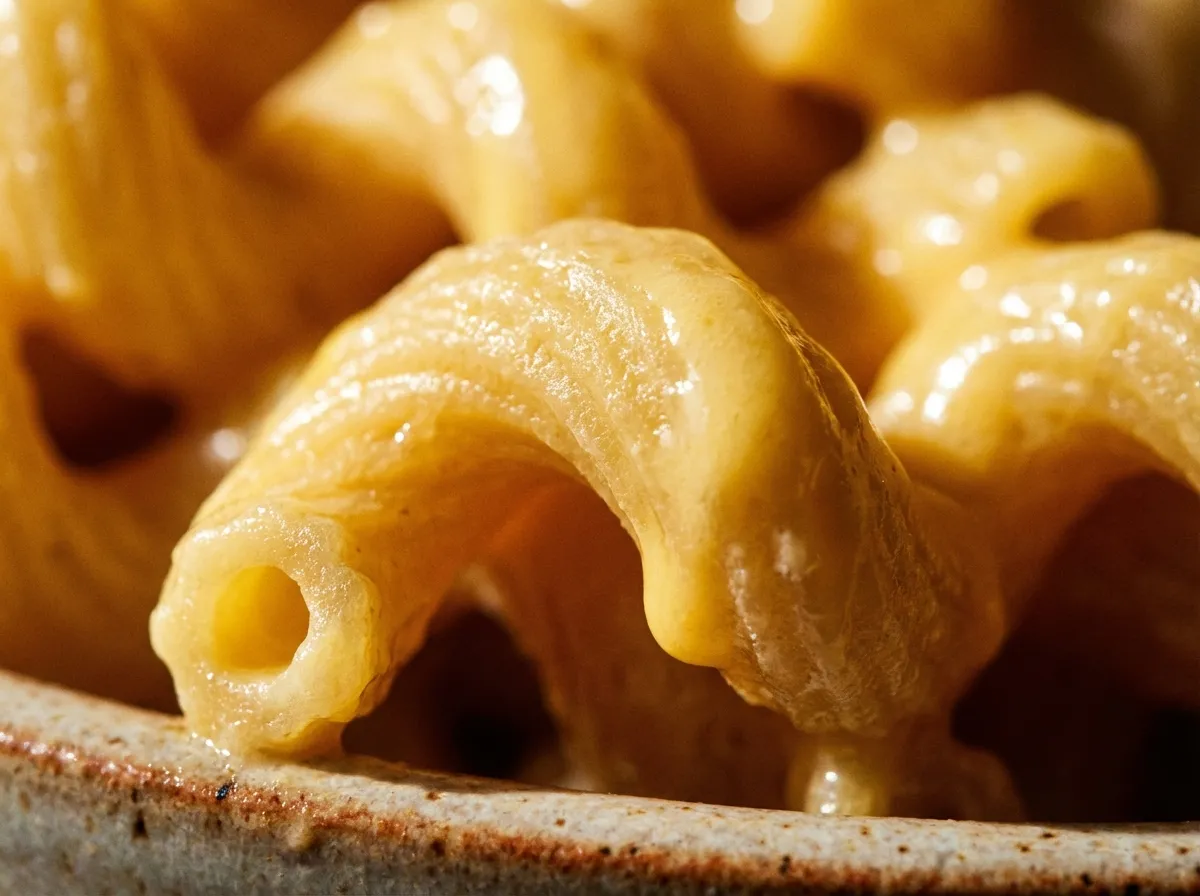
Macro shot of a single bronze-die cavatappi noodle heavily coated in thick cheese sauce, showing the porous texture of the pasta.

Bronze-die pasta features a rough surface that physically ‘catches’ the heavy protein sauce.

ToolFunctionSkip Penalty
High-speed blender (15,000+ RPM)Obliterates curds to microscopic smoothLumps in sauce
Sharp box graterBypasses cellulose bag coatingGritty, sandy texture
Bronze-die cavatappi pastaPorous surface holds heavy emulsionSauce pools at bottom

Bronze-die cavatappi is the preferred pasta because it is extruded through rough molds, creating a porous surface. This texture physically grips the thick protein sauce, ensuring it stays on the noodle rather than sliding to the bottom of the bowl.

Recipe: Hidden Protein Mac & Cheese

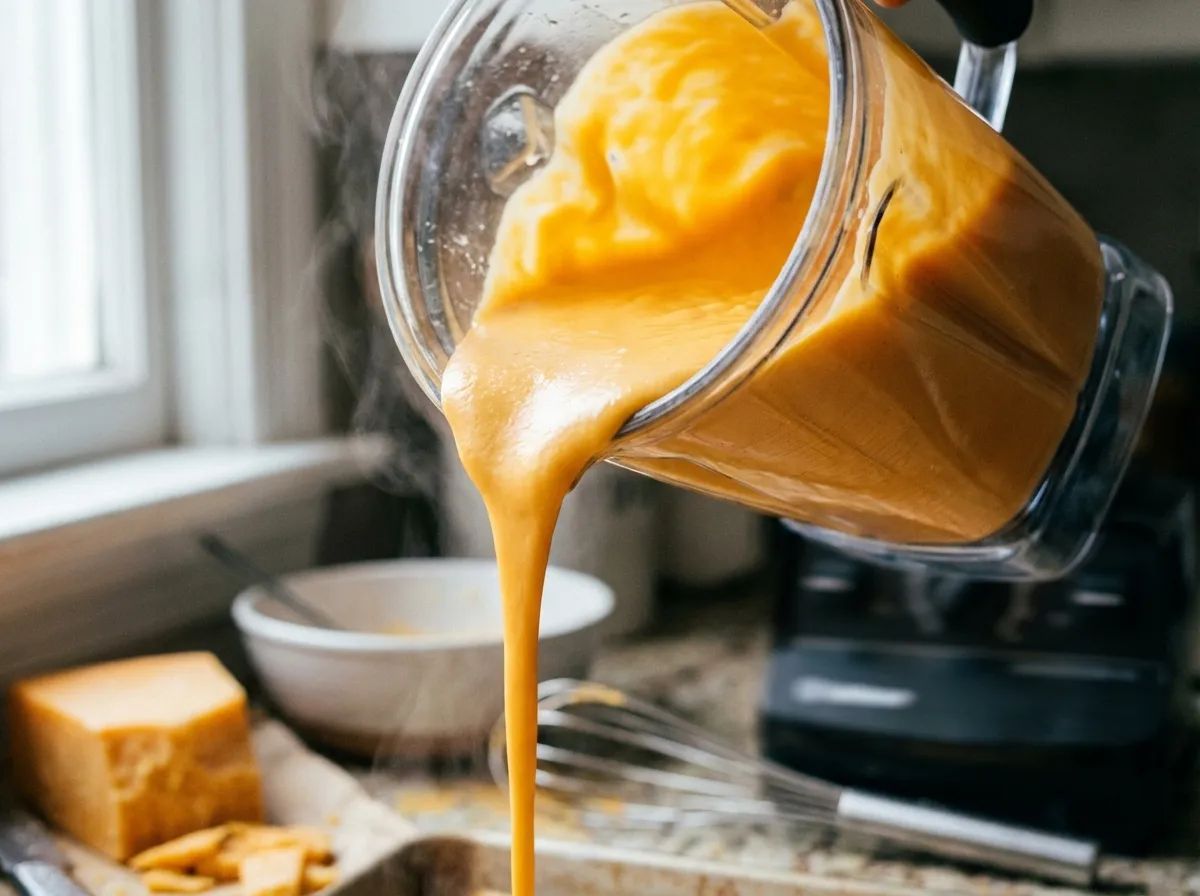
A high-speed blender jar filled with a perfectly smooth, vibrant orange cheese sauce being poured.

60 seconds of high-RPM friction obliterates cottage cheese curds into a microscopic, smooth matrix.

Ingredients (4 servings):
* 8oz bronze-die cavatappi
* 1 cup full-fat (4%) cottage cheese
* 1.5 cups freshly grated sharp cheddar
* ¼ cup boiling pasta water (reserved)
* 2 tbsp unsalted butter
* ½ tsp dry mustard powder
* ¼ tsp garlic powder
* Salt to taste

Method:
1. Boil pasta 1 minute under package al dente time. Reserve ¼ cup pasta water.
2. Add cottage cheese, grated cheddar, and pasta water to a blender.
3. Blend on high for exactly 60 seconds until smooth.
4. Return drained pasta to the pot. Add sauce and butter. Toss over low heat for 90 seconds.
5. Serve immediately. This technique is a perfect addition to your rotation of cheesy high-protein skillet meals.

Nutrition Per Serving

  • Calories: 390 kcal
  • Protein: 25g
  • Carbohydrates: 42g
  • Total Fat: 14g
  • Casein Protein: ~18g

Reheating Without Breaking the Emulsion

To reheat leftover mac and cheese without breaking the emulsion, add 1 tablespoon of milk or water to the container. Cover with a damp paper towel and microwave at 50% power, stirring every 30 seconds. This prevents the fat from overheating while allowing the starch matrix to rehydrate, maintaining the sauce’s silky texture.

Frequently Asked Questions

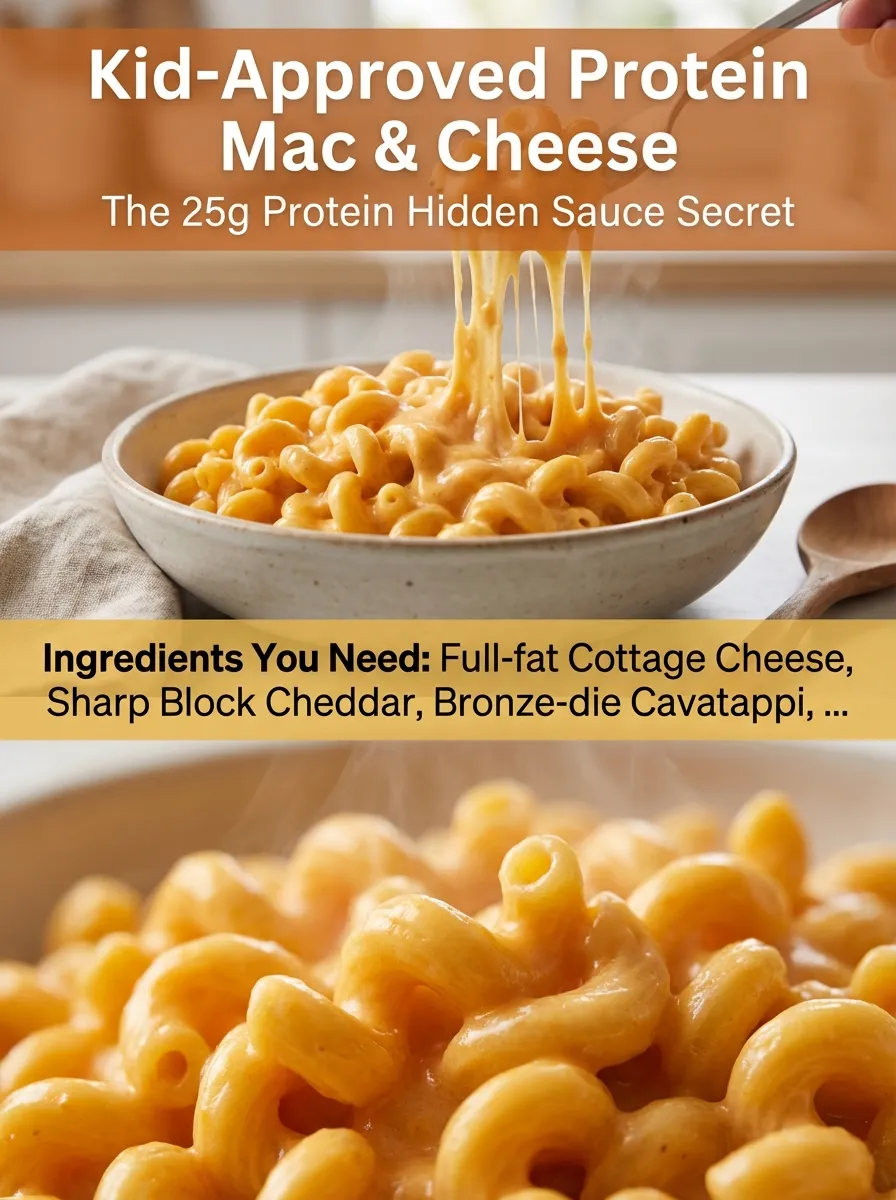
Pinterest pin for Kid-Approved Protein Mac and Cheese with hidden cottage cheese sauce.

Save this 15-minute high-protein hack for your next busy weeknight!

Can I use Greek yogurt instead of cottage cheese?
No. While Greek yogurt functions mechanically, it imparts a sharp, tangy, or sour flavor that most children identify as “healthy” and reject. Full-fat cottage cheese has a neutral flavor profile that remains undetectable when blended with sharp cheddar.

Does it need to be full-fat (4%) cottage cheese?
Yes. Fat-free cottage cheese lacks the lipid molecules necessary to stabilize the emulsion. Fat is the physical backbone of the sauce’s texture; using fat-free products will result in a thin, watery, and separated sauce that fails to coat the pasta.

Can I use boiling milk instead of pasta water?
No. Pasta water provides dissolved carbohydrate starches that act as the structural glue for the sauce. Milk provides fat and protein but lacks the starch required to bind the cheese emulsion. Without pasta water, the sauce will lose its velvet consistency.

Is the sauce safe for nut allergies?
Yes, this recipe contains no nuts. The only potential allergens are dairy (cottage cheese, cheddar, butter) and gluten (pasta). Always verify specific brand labels for cross-contamination warnings if you are managing severe allergies.

Hidden Veggie Turkey Meatballs (Kid-Approved, 30-Minute Dinner)

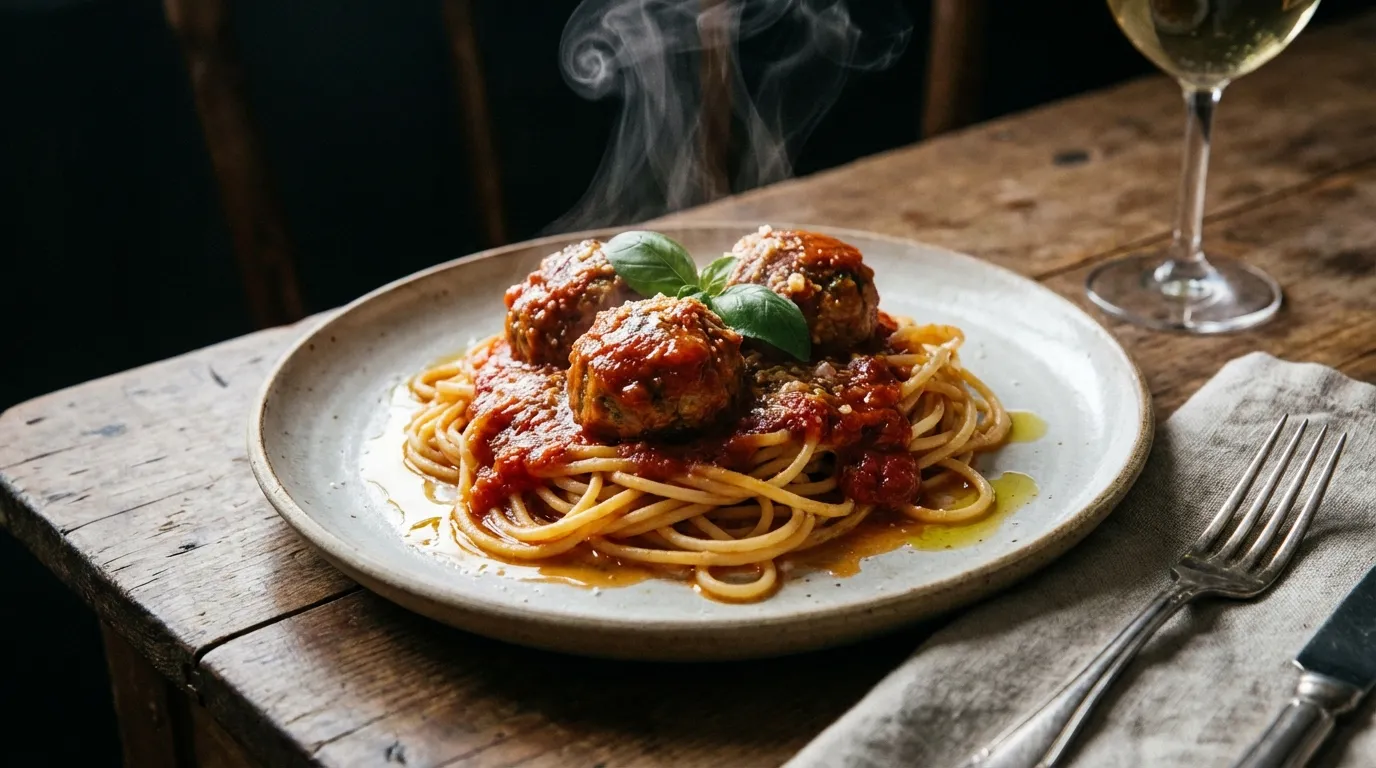
Close-up of golden-brown seared turkey meatballs served over spaghetti with marinara sauce, showing a juicy interior texture.

To cook juicy turkey meatballs and sneak protein into 30-minute dinners using a full serving of hidden vegetables, use the Skinless Zucchini Camouflage Hack. Because lean ground turkey lacks the fat content of 80/20 beef, it dries out under high heat. Adding peeled, microplaned, and squeezed zucchini creates microscopic thermal steam pockets that maintain moisture, ensuring a tender, undetectable result in 24 minutes.

Why Lean Ground Turkey Dries Out—and How to Fix It

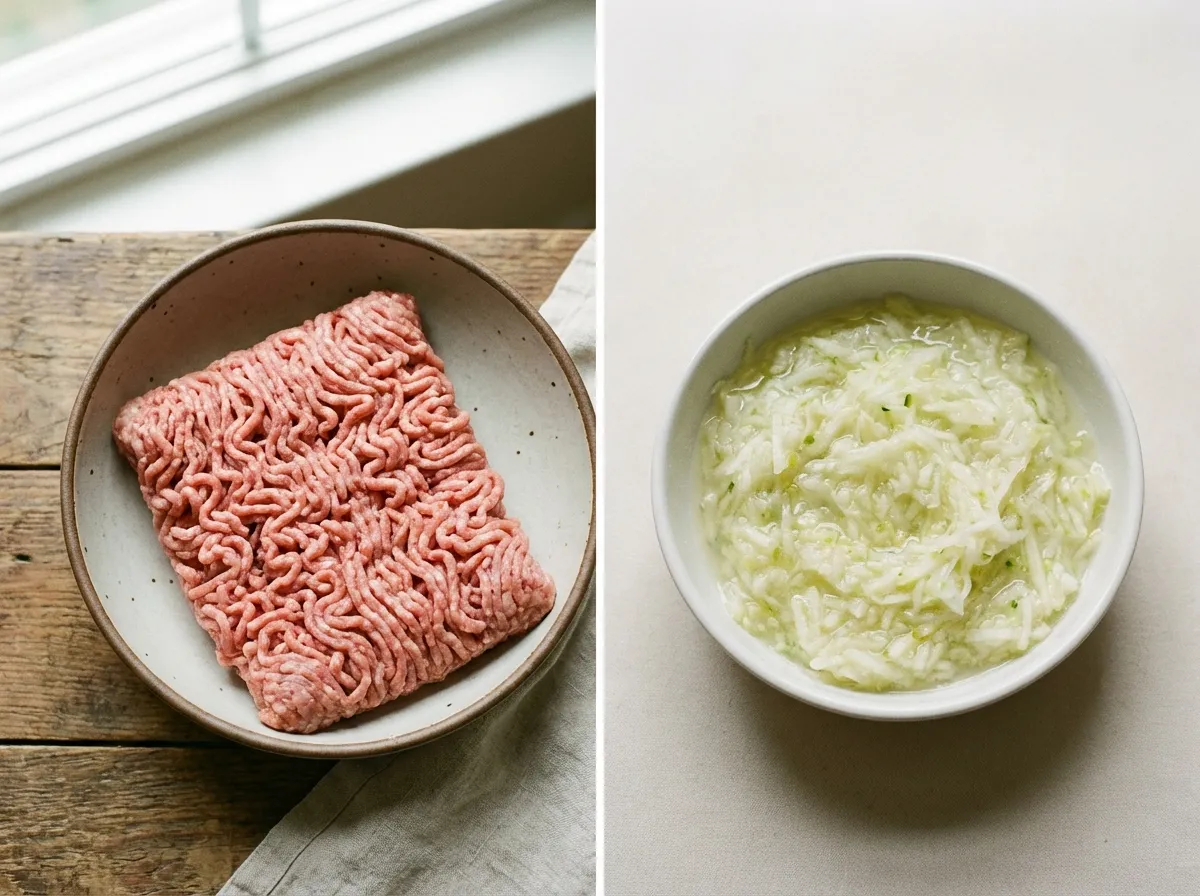
Comparison layout of raw lean ground turkey next to a bowl of peeled and finely grated white zucchini flesh.

The secret to moisture: 93/7 lean turkey paired with peeled, microplaned zucchini.

Lean ground turkey contains only 3–7% fat, which is insufficient to lubricate the protein structure during cooking. Traditional 80/20 beef blends rely on melting animal fat to maintain cohesion. Without this fat, lean turkey proteins seize and expel moisture within 2–3 minutes of high-heat exposure, resulting in dry, rubbery, and unpalatable spheres.

You must manually inject a fat replacement. Microplaned zucchini flesh acts as a structural moisture substitute that prevents the protein from drying out.

The Lean Stretching Arbitrage

The zucchini stretch is a professional method for extending expensive proteins while improving texture and reducing costs.

Meatball Base (1 lb)Fat ContentCost per lbThe Chef FixResulting Texture
80/20 Ground Beef20%$6.00NoneHeavy, greasy
93/7 Ground Turkey7%$4.50+ 1 zucchiniJuicy, light, tender
99/1 Ground Chicken1%$7.00AvoidChalky

Using 93/7 ground turkey with one zucchini reduces total costs to approximately $5.30 per pound while cutting saturated fat by 60%.

The Skinless Zucchini Camouflage Hack

The Skinless Zucchini Camouflage Hack is a vegetable preparation method that removes the dark green outer skin of a zucchini to ensure the vegetable remains visually and structurally indistinguishable from the meat mixture.

  • Rule: Peel 100% of the dark green skin before grating.
  • Mechanism: Zucchini flesh is pale white, matching the color of raw ground turkey.
  • Outcome: Eliminates visual cues that trigger food rejection in children.

Dark green flecks of skin are the primary cause of vegetable rejection in children. By using only the white interior, the vegetable integrates seamlessly into the meatball.

The 1-Squeeze Rule: Preventing Meatball Collapse

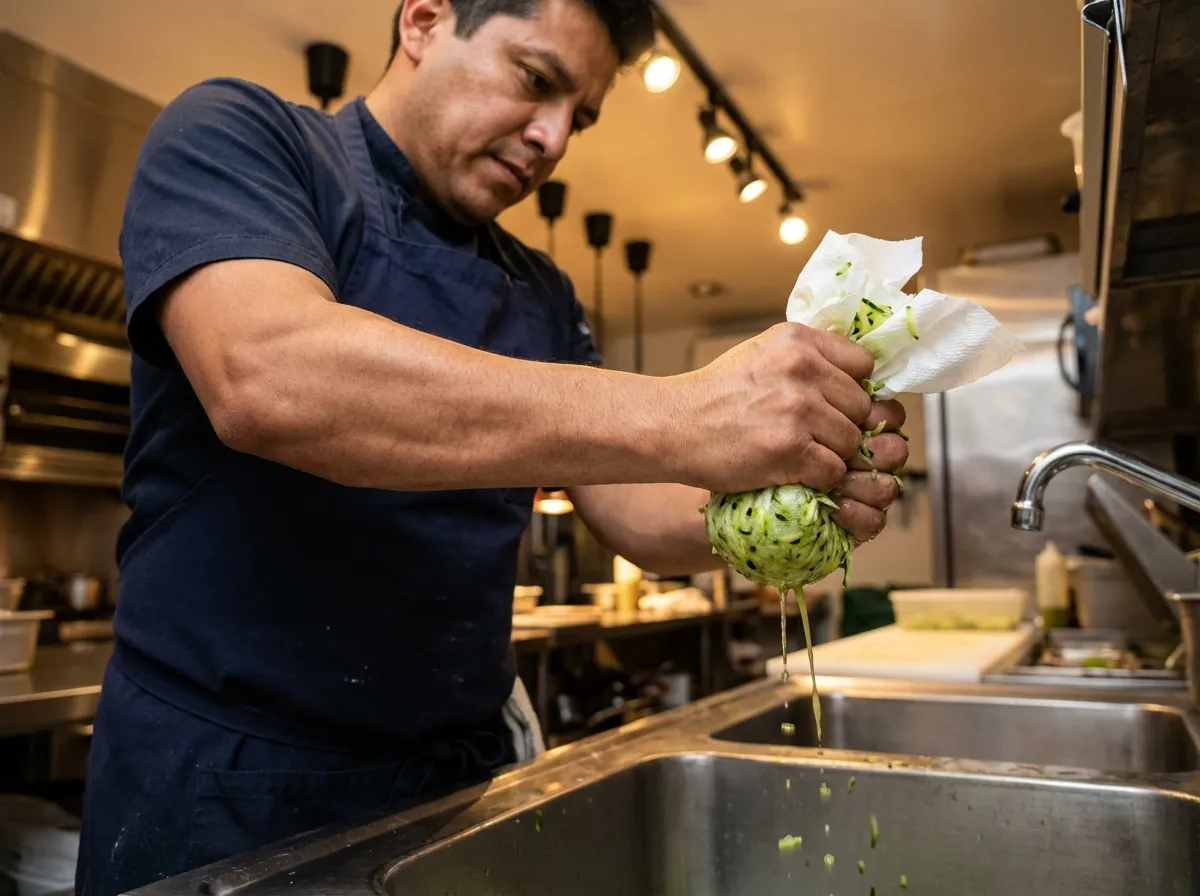
The 1-Squeeze Rule is a moisture-control technique where you express exactly 3–4 tablespoons of water from grated zucchini to prevent the meat mixture from becoming too thin to hold a round shape.

  1. Grate one medium zucchini using a microplane.
  2. Wrap the resulting mush in a clean paper towel or cheesecloth.
  3. Perform one firm, manual squeeze over the sink.
  4. Stop immediately after the first squeeze to retain enough moisture for internal steam pockets.

This process ensures the zucchini is damp enough to tenderize the meat without compromising the structural integrity of the meatball.

Recipe: Hidden Veggie Turkey Meatballs

A chef's hands squeezing a paper towel filled with grated zucchini over a sink to remove excess water.

The 1-Squeeze Rule: Remove just enough water to keep the meatballs cohesive but juicy.

Ingredients (4 servings, 18–20 meatballs):
* 1 lb 93/7 lean ground turkey
* 1 medium zucchini (peeled, microplaned, 1-squeeze rule applied)
* ⅓ cup panko breadcrumbs
* ¼ cup grated Parmesan
* 1 large egg
* 2 garlic cloves, minced
* 1 tsp dried oregano, ½ tsp garlic powder, salt, and black pepper
* Avocado or olive oil (for searing)

Method:
1. Prep: Preheat oven to 400°F. Peel, grate, and squeeze the zucchini.
2. Mix: Combine turkey, zucchini, panko, Parmesan, egg, garlic, and spices. Mix until uniform.
3. Portion: Use a 1.5-inch spring-loaded cookie scoop to portion 18–20 meatballs.
4. Sear: Heat a 12-inch cast-iron skillet over high heat with oil. Sear meatballs for 2 minutes per side without moving them.
5. Bake: Transfer the skillet to the 400°F oven for 10 minutes.
6. Rest: Remove when internal temperature reaches 165°F. Rest for 2 minutes.

Nutrition Per Serving (~5 meatballs)

  • Calories: 210 kcal
  • Protein: 26g
  • Carbohydrates: 6g
  • Total Fat: 9g
  • Hidden Vegetable: ¼ zucchini per serving

The 30-Minute Stovetop-to-Oven Workflow

The stovetop-to-oven workflow is a dual-phase cooking technique that uses high-heat searing to create a Maillard crust and oven-convection heat to finish the interior. This method takes 24 minutes total, making it a staple among kid-approved protein recipes that allow the cook to prepare sides during the 10-minute oven bake.

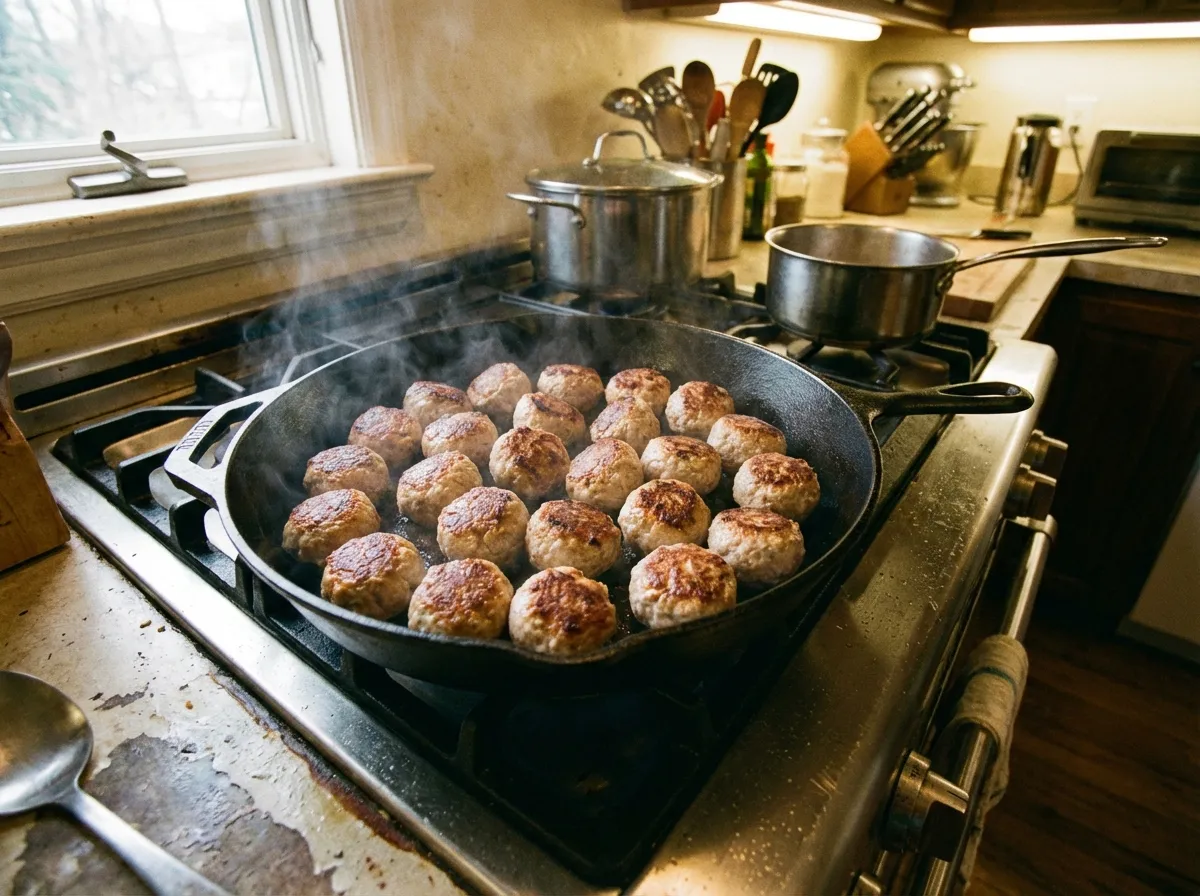
  • Searing Phase: 2 minutes per side in a 12-inch cast-iron skillet creates a protective crust that seals in juices.
  • Oven Phase: 10 minutes at 400°F ensures even internal cooking without over-browning.
  • Equipment Note: Use a pre-seasoned 12-inch cast-iron skillet. Non-stick pans with synthetic handles will melt or off-gas at 400°F.

The Meatball Speed Toolkit

Turkey meatballs searing in a 12-inch cast-iron skillet, showing a deep golden Maillard crust on the bottom.

Searing in cast iron creates the essential crust that seals in moisture before the oven finish.

ToolPurposePenalty for Skipping
Fine Stainless MicroplaneObliterates zucchini to mushVisible strings; meal rejection
12-inch Cast-Iron SkilletSear and oven-safe finishNon-stick handle melting
1.5-inch Cookie ScoopUniform portions8 minutes of manual rolling

Frequently Asked Questions

Can I hide grated carrots instead of zucchini?
While possible, carrots are visibly orange and contain higher sugar levels that alter the savory flavor profile. Zucchini is the superior choice because its neutral taste and translucent flesh ensure the vegetable remains undetected by picky eaters.

Can I substitute ground chicken for turkey?
Yes. Ground chicken and turkey share similar fat ratios and lean protein structures, much like the base used for mini turkey meatloaves. Apply the Skinless Zucchini Camouflage Hack exactly as you would with turkey. Ensure you use a 93/7 lean ratio rather than 99/1 to avoid a dry, chalky texture.

Can I freeze and reheat these meatballs?
Yes, these meatballs freeze well. The zucchini’s cellular matrix holds moisture better than pure protein during the freeze-thaw cycle. Freeze on a sheet pan, then transfer to a sealed bag. Reheat in marinara sauce over low heat for 12 minutes.

Why panko and not regular breadcrumbs?

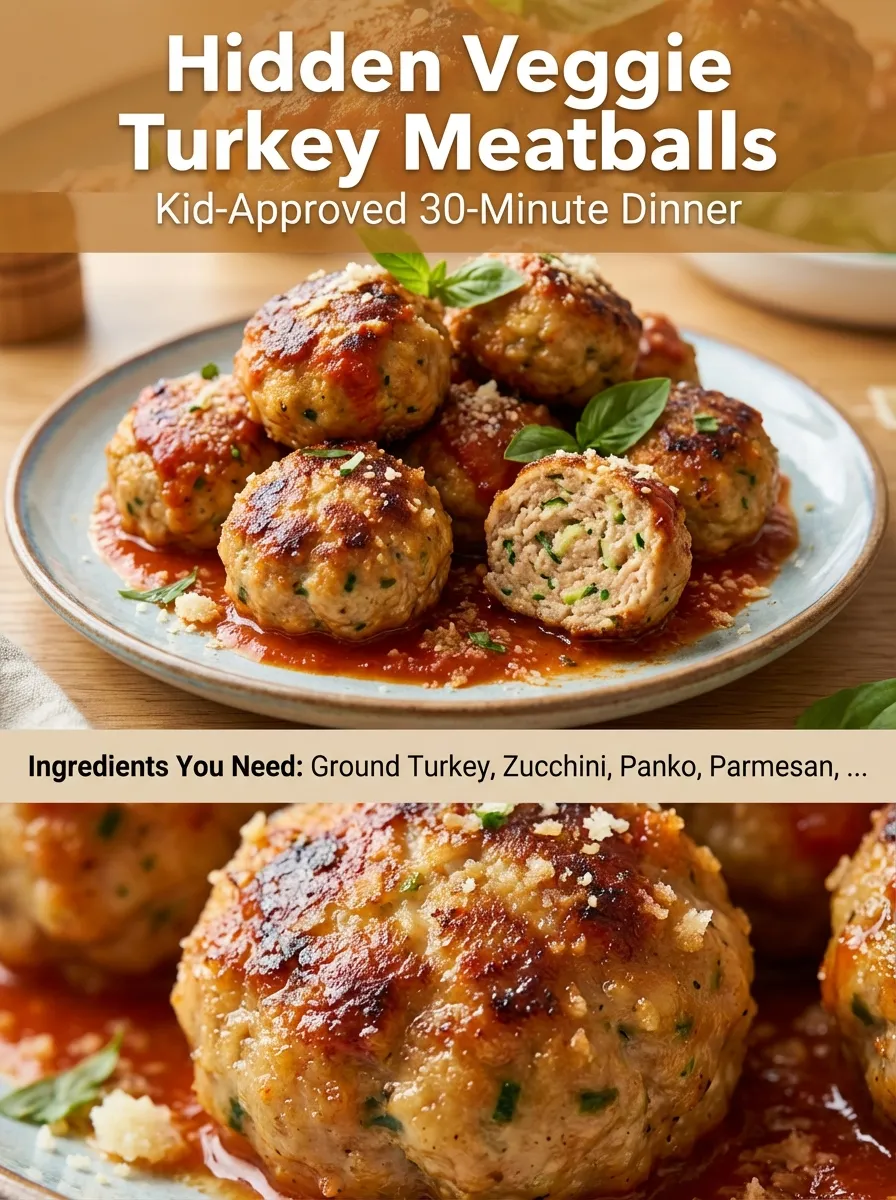
Pinterest graphic for Hidden Veggie Turkey Meatballs featuring a split layout with recipe title and ingredient highlights.

Pin this 30-minute hidden veggie dinner for your next stress-free weeknight!

Panko breadcrumbs are larger, airier flakes that maintain an open, tender internal structure. Regular Italian breadcrumbs are dense powders that absorb moisture too quickly, turning the zucchini-meat mixture into a heavy, cement-like matrix.

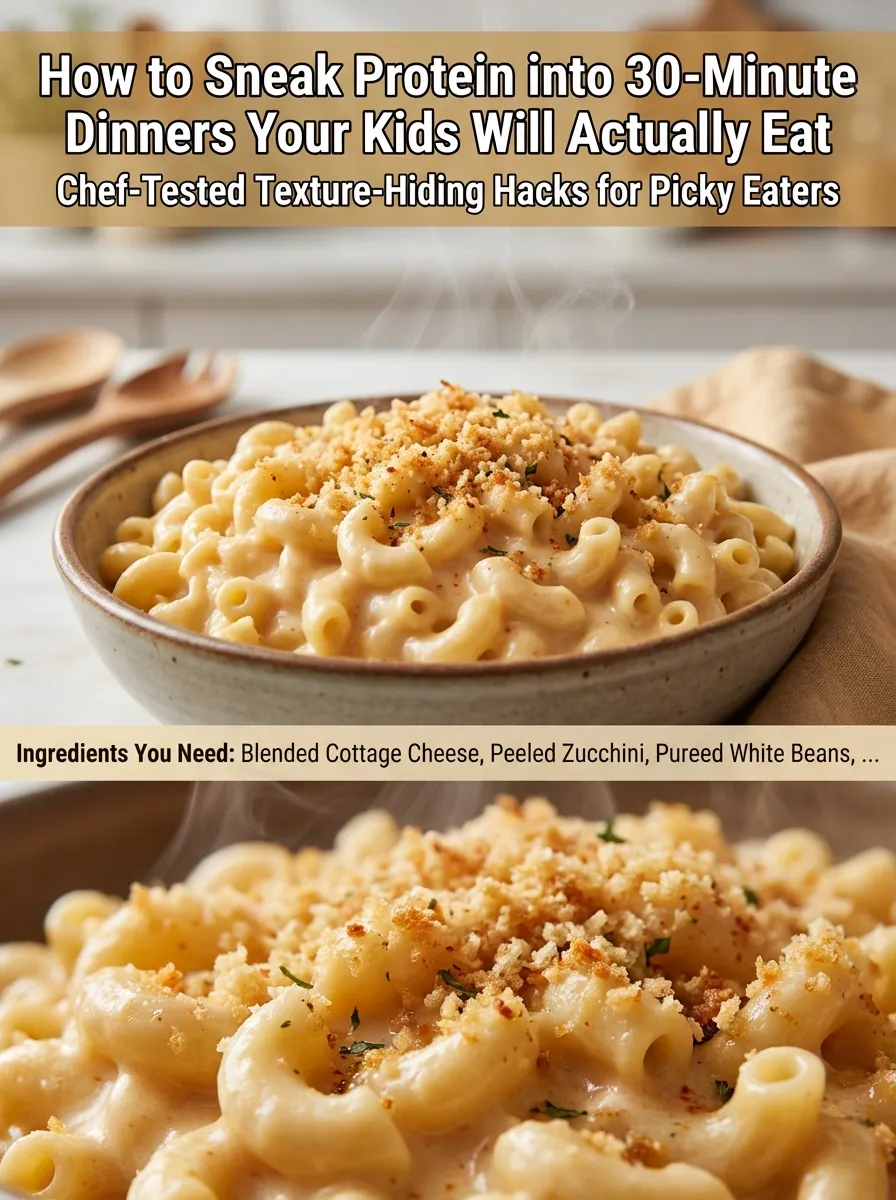
How to Sneak Protein into 30-Minute Dinners Your Kids Will Actually Eat

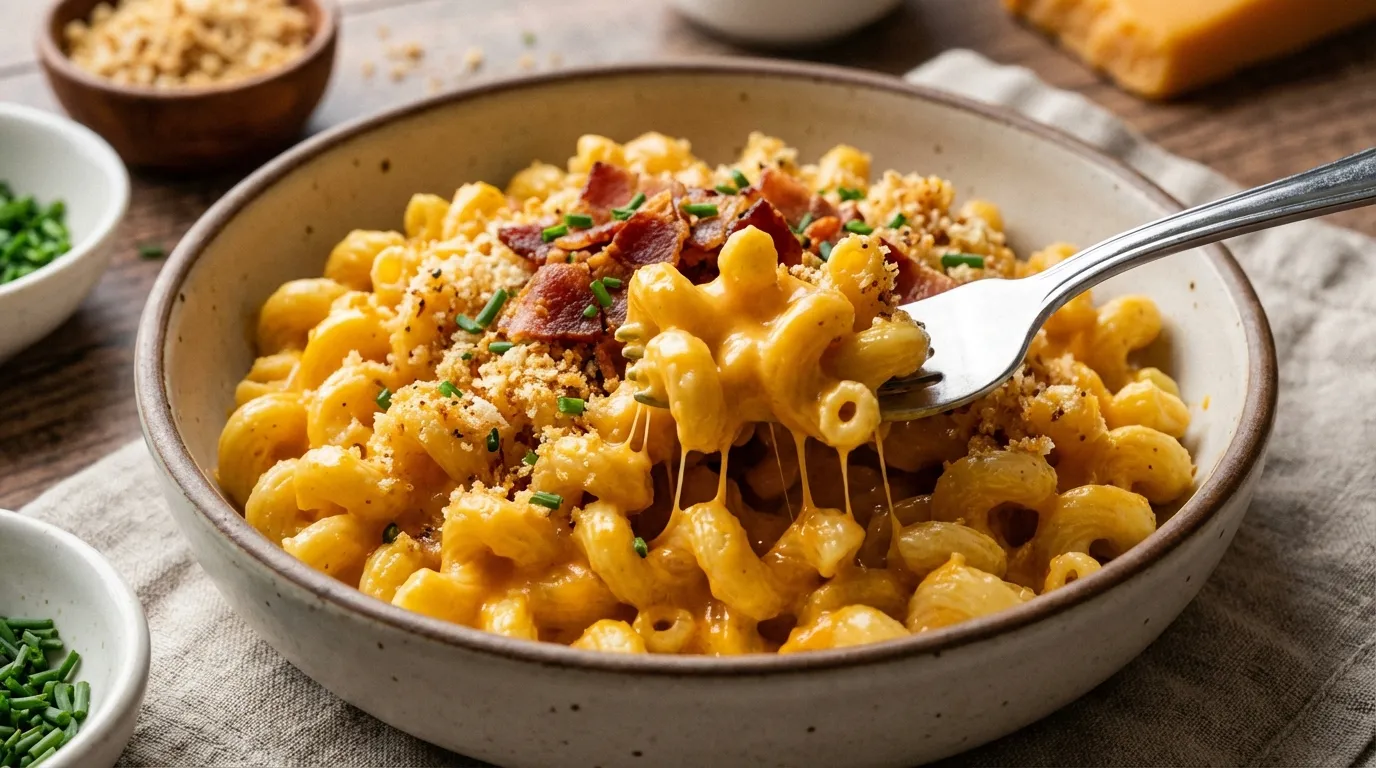
Close-up of creamy high-protein macaroni and cheese with a golden crust and steam rising.

To increase your children’s daily protein intake without resistance, employ culinary “texture-hiding” techniques that mask nutritional density within safe, familiar comfort foods. By using high-speed homogenization and micro-grating, you can integrate up to 25g of high-quality protein per serving into meals like macaroni and cheese or meatballs without altering their visual or sensory profile.

The “Texture Trap”: Why Kids Reject Healthy Food

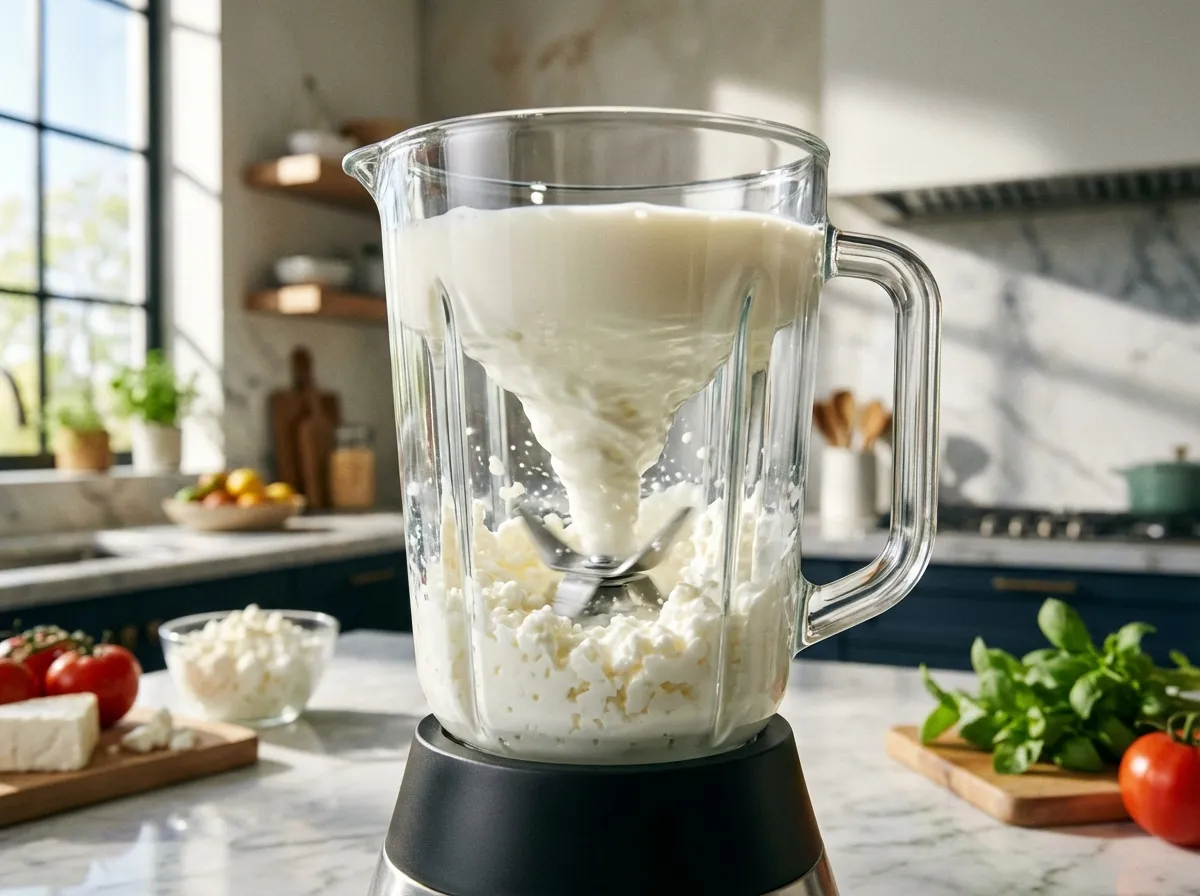
A high-speed blender liquefying white cottage cheese into a smooth, silken consistency.

Homogenization is the key: using a high-speed blender to turn lumpy ingredients into invisible silken sauces.

Picky eating is a psychological rejection of unfamiliar textures rather than a response to complex flavor profiles. Children rely on mental models of “safe” foods; the chef’s solution is structural homogenization, which uses blending and high-heat emulsification to integrate nutrient-dense ingredients into the visual and textural continuity of trusted, familiar meals.

The Beige Food Arbitrage

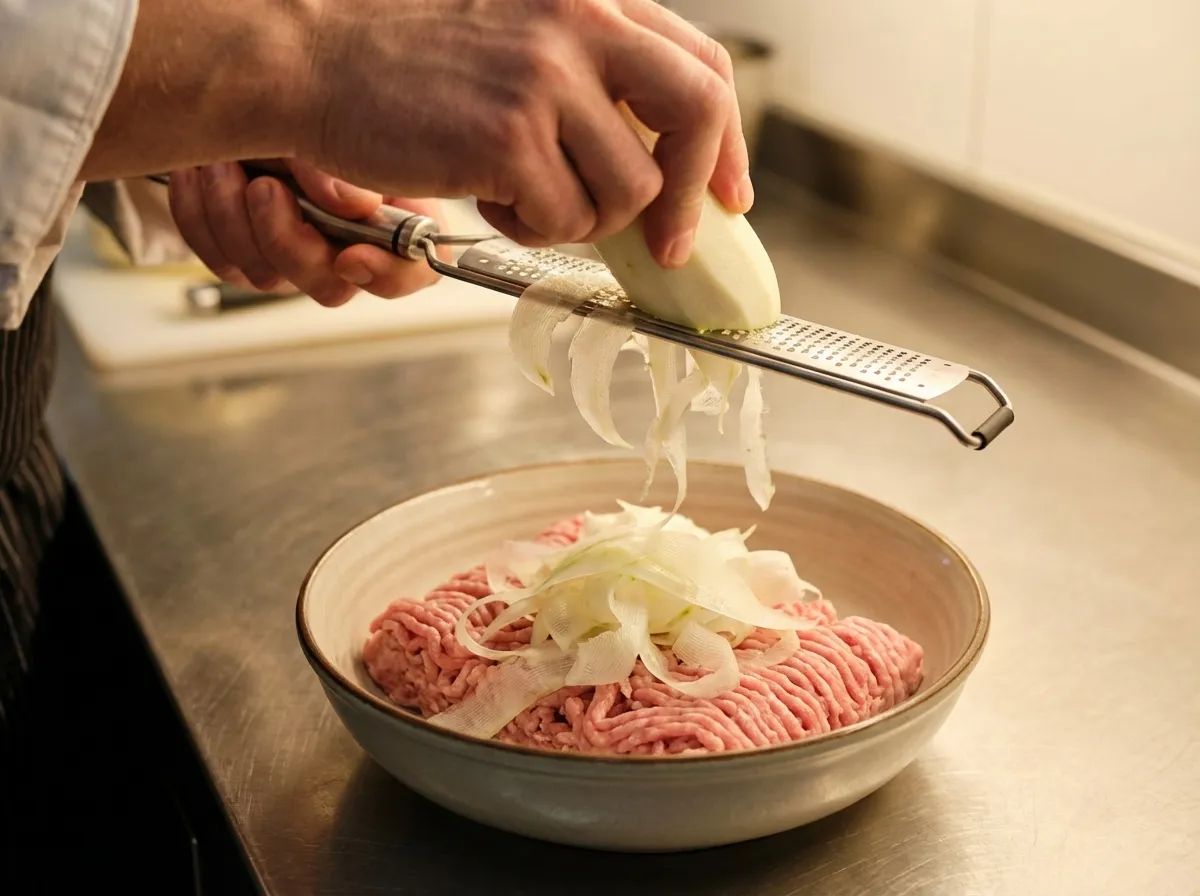
A hand using a microplane to grate a completely peeled white zucchini into a bowl of raw ground turkey.

Crucial Step: Peel the zucchini 100% to ensure the healthy additions stay invisible to picky eaters.

Beige Food Arbitrage is a culinary method of loading nutritional density into “safe” beige foods—such as pasta or ground meat—without detection by the child’s eyes or palate.

“Safe” Beige FoodHidden Protein AdditionChef Structural HackProtein Boost Per Serving
Mac & CheeseLow-fat cottage cheeseHigh-speed homogenization into cheddar sauce+12g casein protein
Sloppy JoesCanned white beansPureed into tomato base before simmering+8g plant protein
Turkey MeatballsPeeled, microplaned zucchiniGrated into raw meat matrixMoisture boost; texture vanishes
Pancake BatterLiquid egg whitesWhipped into wet ingredient mix+10g albumin protein

The Trojan Horse: Why Cottage Cheese Belongs in Mac and Cheese

Silky white blended cottage cheese being poured into a bubbling pot of orange cheddar cheese sauce.

The ‘Trojan Horse’ method: adding 30g of casein protein without changing the visual look of the cheese sauce.

Cottage cheese becomes an invisible, protein-rich base for cheese sauces when processed in a high-torque blender for 60 seconds at 15,000+ RPM. This process converts lumpy curds into a silken, neutral liquid that emulsifies into hot cheddar sauce, providing 30g of slow-digesting casein protein per serving without any detectable dairy sourness or textural lumps.

Why Blender Speed Is Not Optional Here

A standard 300–500 watt blender lacks the torque to break down cottage cheese curds into a microscopic silk. Operating at speeds below 15,000 RPM leaves curd remnants that are detectable on the tongue, which triggers immediate rejection by picky eaters. High-torque blending is mandatory to ensure the protein integrates into the sauce matrix.

The “Half-and-Half” Grated Meat Technique

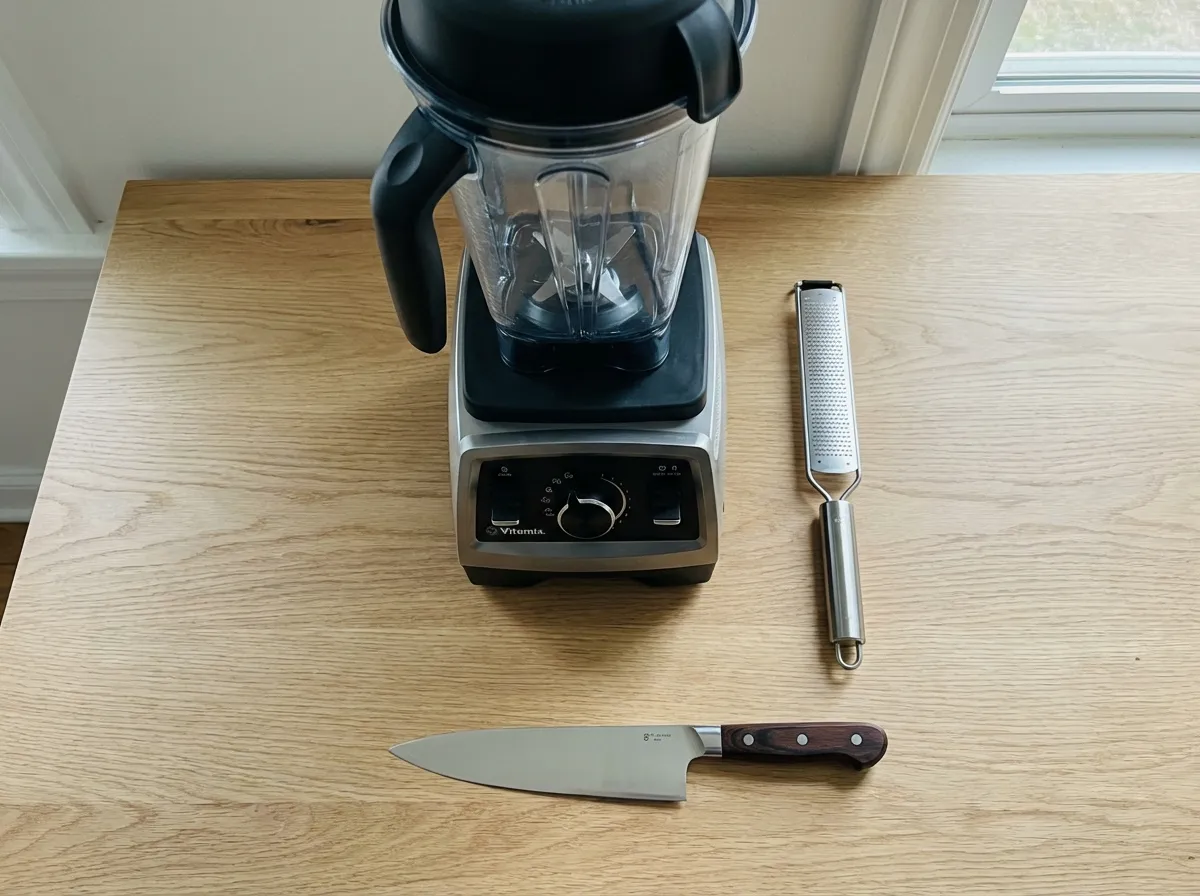
A high-speed blender, a microplane zester, and a sharp 8-inch chef's knife arranged on a wooden cutting board.

The essential toolkit for 30-minute protein-packed success: speed, precision, and homogenization.

The half-and-half technique involves extending lean ground turkey with microplaned zucchini to increase moisture and nutrient density without altering the meat’s appearance. You must peel 100% of the dark green skin off the zucchini before grating; the white flesh becomes translucent and invisible when mixed into raw ground meat, while the skin’s chlorophyll would create detectable green streaks.

The Stealth Kitchen Toolkit

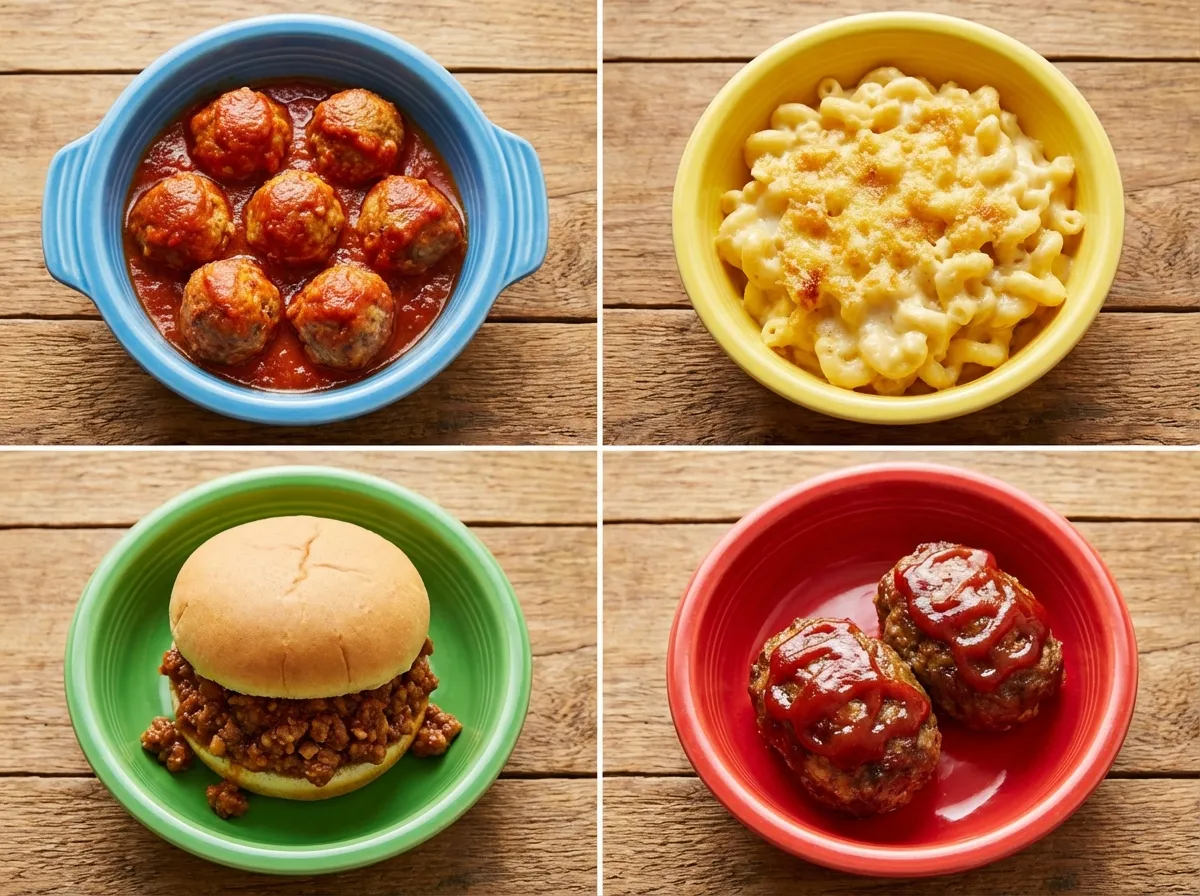
A grid showing four different kid-friendly meals: meatballs, mac and cheese, sloppy joes, and mini meatloaves.

These five dinners look like standard comfort food but contain hidden, chef-level protein boosts.

Success in texture-hiding relies on specific hardware to maintain structural homogenization. Without these tools, inconsistent processing risks exposing hidden ingredients.

HardwareTexture-Hiding FunctionRisk If Skipped
High-speed blenderLiquefies curds and bean skinsLumps remain; meal rejected
Microplane zesterObliterates vegetable fibersVisible strings in meatballs
8-inch chef’s knifeReduces prep timePrep exceeds 30-minute window

Quick Answer: A sharp 8-inch high-carbon steel chef’s knife is the most critical tool for maintaining a 30-minute dinner window. A dull knife increases prep time by 10–15 minutes due to multiple passes required for dicing; a honed edge allows for single-pass cutting, effectively doubling your prep efficiency.

5 Kid-Approved Protein Dinners Ready in 30 Minutes

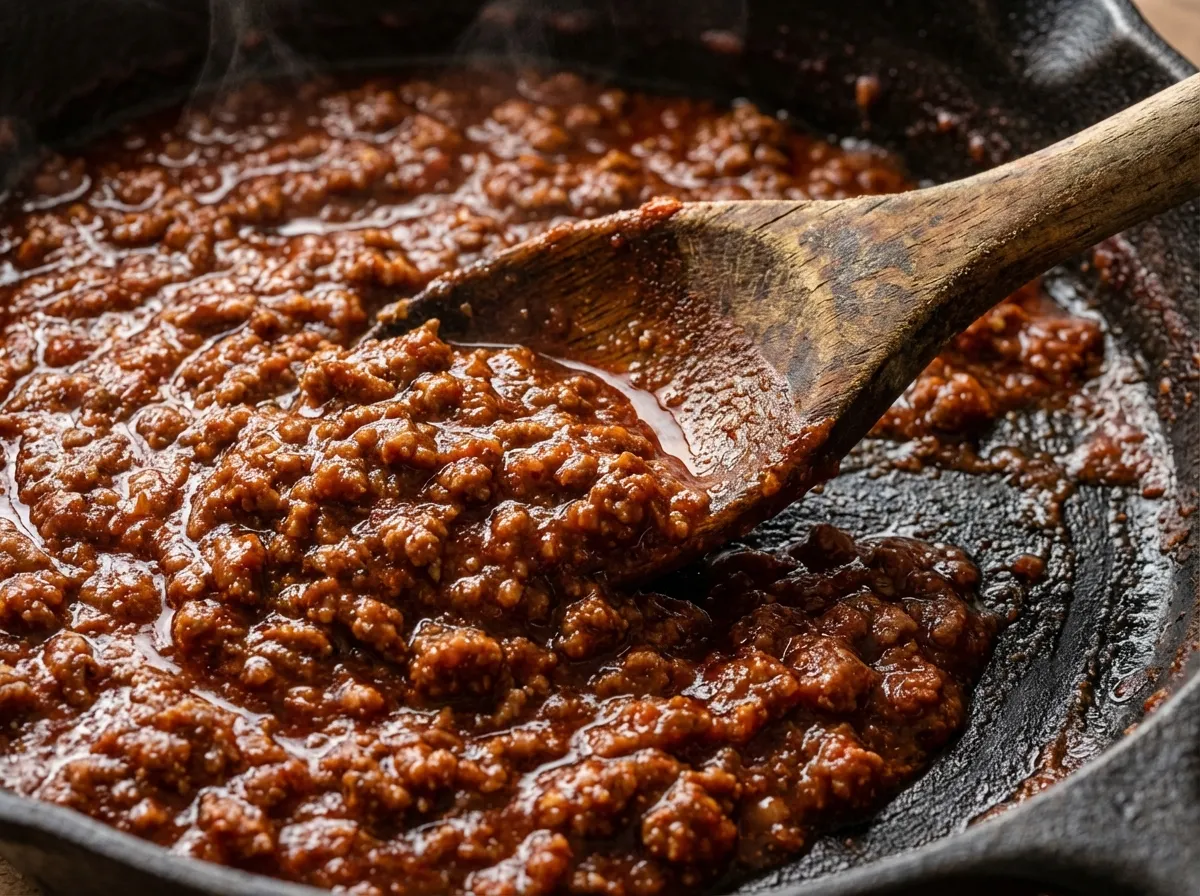
A wooden spoon lifting thick, rich sloppy joe meat sauce, showing a smooth and hearty texture.

Pureed white beans add fiber and protein while becoming completely invisible in dark, savory sauces.

Quick Answer: Start with the Hidden-Veggie Turkey Meatballs or Protein-Heavy Mac & Cheese. These recipes offer the highest success rate for picky eaters because they leverage the most effective structural homogenization techniques with minimal prep time.

RecipeTechnique UsedHidden ProteinCook Time
Hidden-Veggie Turkey MeatballsMicroplaned zucchini in raw meat+14g per serving28 min
Protein-Heavy Mac & CheeseBlended cottage cheese in sauce+12g casein20 min
Hidden-Lentil Sloppy JoesPureed white beans in tomato base+8g plant protein25 min
Chef’s Chicken & BroccoliBroccoli stem puree in sauce+6g plant compounds25 min
Mini Protein MeatloavesHalf beef, half cottage cheese+10g casein30 min

Frequently Asked Questions

A happy child eating a bowl of macaroni and cheese with a smile, parents visible in the soft-focus background.

The goal: high-protein nutrition without the dinner-table battle.

Question: Can my kids taste the pureed beans in the sloppy joes?
Answer: No. Canned white beans have a neutral, starch-based flavor profile that disappears when pureed and incorporated into a seasoned tomato sauce. They provide body and fiber to the dish, improving the sauce’s texture while remaining chemically and sensorially undetectable to the child.

Question: How do you hide the green color of zucchini in meatballs?
Answer: You must use a vegetable peeler to remove 100% of the dark green skin before grating. The internal white flesh microplanes into a translucent mush that is invisible within the meat matrix. If you see green on your microplane, the zucchini is not prepared correctly for hiding.

Question: Does using these techniques significantly increase prep time?
Answer: No. Pureeing beans takes 30 seconds and microplaning zucchini takes 90 seconds per cup. These steps add less than 2 minutes of total labor to your prep, ensuring that your 30-minute cooking window remains intact while significantly increasing the nutritional density of the final meal.

Question: Does high-speed blending destroy the protein in cottage cheese?
Answer: No. High-speed blending is a mechanical process that alters the physical curd structure, not the chemical structure. The casein protein remains fully bioavailable, and the child receives 100% of the nutritional benefits. You are changing the texture to improve compliance, not degrading the molecular protein quality.

What to Read Next

Pinterest pin for sneaking protein into kid-friendly 30-minute dinners.

Save this guide to transform your weeknight dinners into high-protein powerhouses!

If this approach works for your household, try our recipe for silken cottage cheese sauce to transform your next meal. To discover more ways to integrate nutrition into ground proteins, see our instructional guide on hidden-lentil recipes.