<

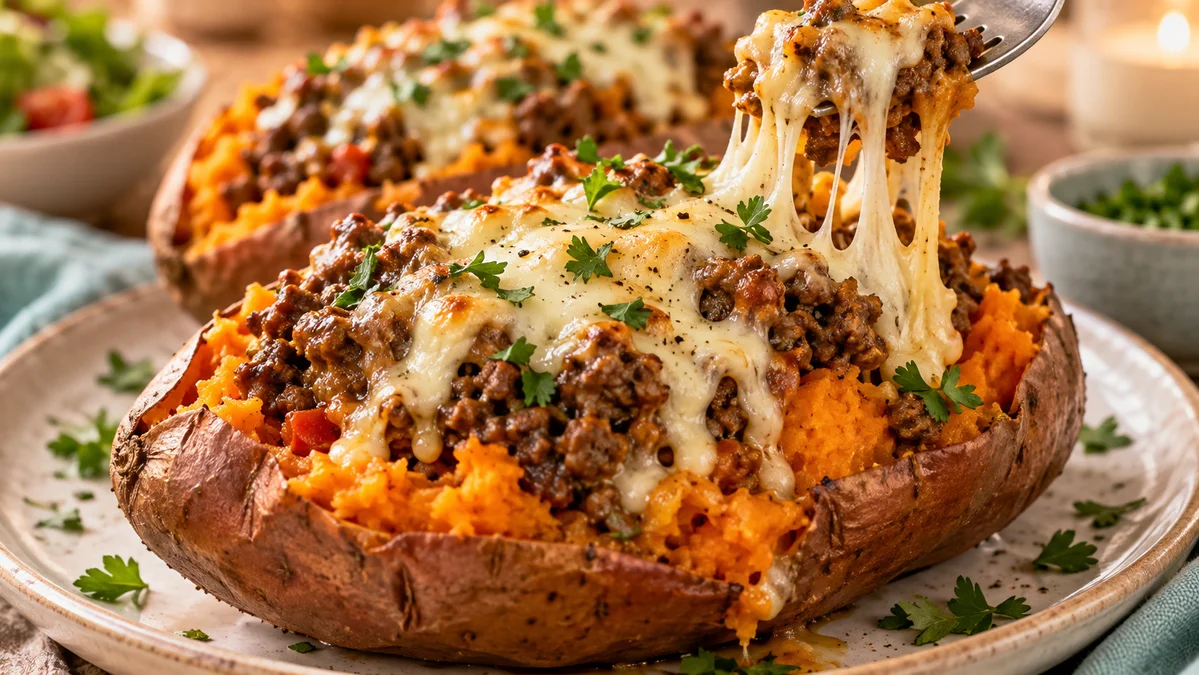
Stuffed Sweet Potatoes with Ground Beef and Mozzarella

Stuffed Sweet Potatoes with Ground Beef and Mozzarella
Stuffed Sweet Potatoes • Ground Beef Dinner • High-Protein Easy Dinner Recipes

⏱️ Prep: PT10M
🔥 Cook: PT20M
🍞 Baking: PT20M
⏳ Total: PT30M
🍽️ Yield: 4 stuffed sweet potatoes (4 servings)
⚡ Calories: 520 kcal
(284)
Rate this recipe:
Stuffed Sweet PotatoesGround Beef RecipesHigh-Protein Dinner30-Minute MealsEasy Weeknight Dinner

Stuffed sweet potatoes with ground beef and mozzarella are a hearty, high-protein 30-minute dinner. Fluffy baked sweet potatoes loaded with seasoned beef and melty cheese!

Ingredients

Toggle: Metric / US

Instructions

Step 1

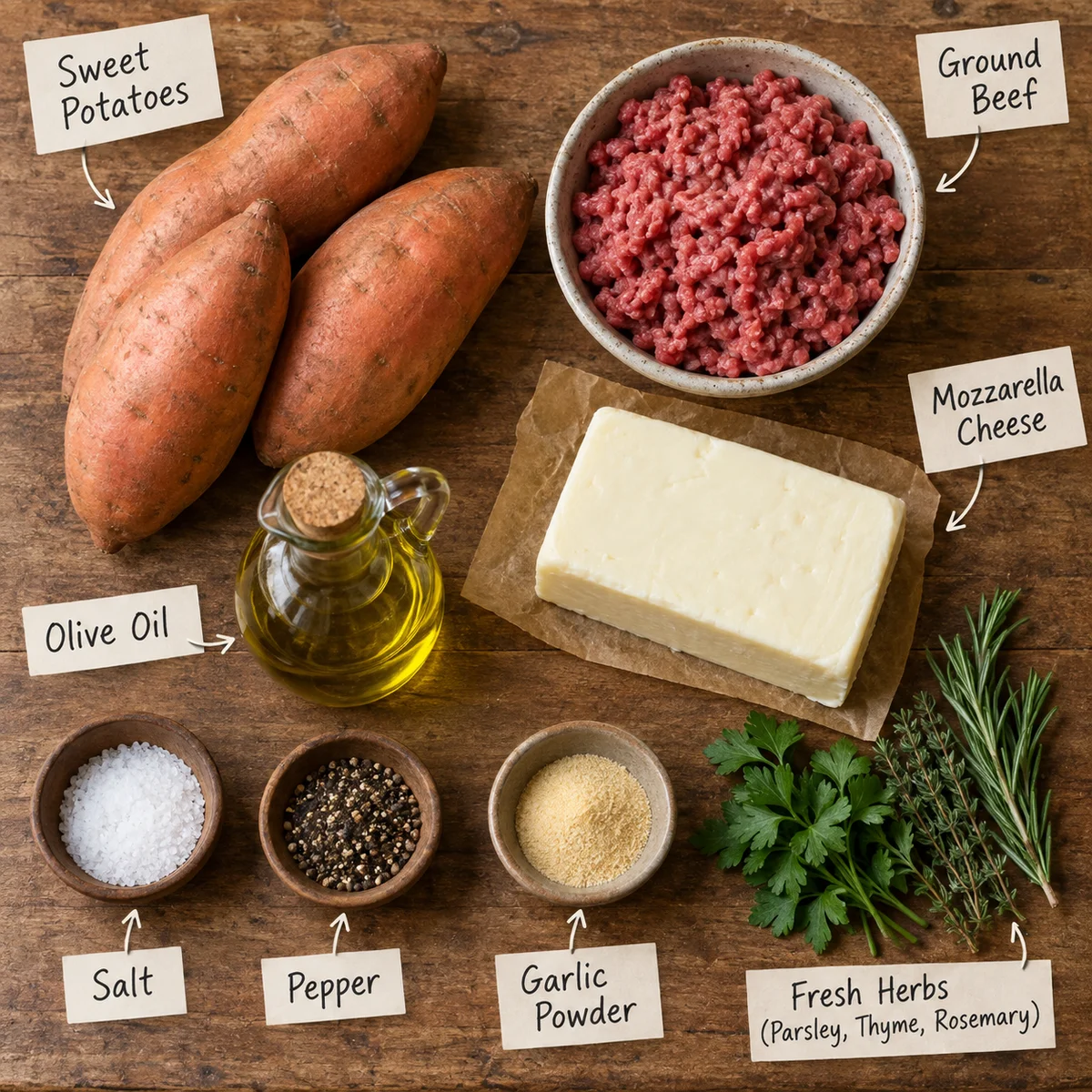
Start by prepping your sweet potatoes, because they are the longest-lead item in this recipe and everything else revolves around their timing. Scrub 4 medium sweet potatoes (10–12 oz each) under cool running water with a vegetable brush to remove every trace of grit, then dry them thoroughly with a clean kitchen towel — dry skin is what lets the olive oil cling and the skin crisp instead of steam. Prick each potato 6–8 times all over with the tines of a fork, spacing the holes evenly. This is not optional busywork: those tiny vents let steam escape so the potatoes bake fluffy instead of turning dense and waterlogged, and they prevent the potatoes from bursting in the microwave. Rub each one with a thin film of olive oil and season the outsides lightly with kosher salt. If you are using the oven method, preheat to 425°F (220°C) and line a sheet pan with parchment or foil. If you are in a hurry, this is also the moment to gather every remaining ingredient — the ground beef, onion, garlic, tomato paste, spices, broth, Worcestershire, mozzarella, and garnishes — so that once the beef hits the pan you never have to stop and hunt for anything.
Step 1 image
Step 2

Cook the sweet potatoes using whichever method fits your night, and pay attention to the sensory cues rather than the clock alone. Fast method: microwave the potatoes on a microwave-safe plate for 5 minutes on high, flip them, then microwave in 3-minute bursts until a paring knife slides in with zero resistance and the potatoes feel soft when squeezed with a toweled hand — usually 8–12 minutes total depending on size and microwave wattage. For the crispiest skin, transfer those microwaved potatoes to a 425°F (220°C) oven for 10 minutes to firm up and caramelize the exterior. Classic oven method: bake directly on the rack or on a sheet pan at 425°F (220°C) for 40–55 minutes, until the skin is wrinkled, glossy, and slightly blistered and a knife glides through the center like warm butter. You will know they are done when they smell sweet and toasty and give under gentle pressure. Set them aside on a cutting board to rest for at least 5 minutes — resting lets the interior starch settle so the flesh stays fluffy when you split it instead of collapsing into mush.

Step 2 image
Step 3

While the potatoes cook, heat 1 tablespoon of olive oil in a large skillet over medium-high heat until it shimmers and moves like water across the pan, which signals it is hot enough to sear rather than steam. Add 1 cup of finely diced yellow onion and cook for 3–4 minutes, stirring occasionally, until the pieces turn translucent and just begin to pick up golden edges. Add 3 cloves of minced garlic and 1 tablespoon of tomato paste and cook for 60 seconds, mashing the paste into the onions with the back of your spoon. That minute of cooking is what transforms raw, tinny tomato paste into a sweet, concentrated flavor base — skip it and the filling tastes flat. The kitchen should smell sweet, savory, and deeply aromatic at this point, which is your cue that the aromatics are ready for the beef.

Step 4

Add 1 lb of lean ground beef to the skillet and break it into small, even crumbles with a wooden spoon or spatula. Resist the urge to stir constantly: let the beef sit undisturbed for 2–3 minutes so it develops a deep brown crust (the Maillard reaction), then break it up and continue cooking for another 4–5 minutes until no pink remains and the crumbles are juicy but no longer releasing puddles of liquid. If your beef was 85/15 or fattier, tilt the pan and spoon off excess fat now so the finished filling is rich, not greasy. Season as you go, not just at the end — layering salt into the meat at this stage seasons it from the inside out.

Step 5

Sprinkle the dry seasoning blend evenly over the browned beef: 1 teaspoon garlic powder, 1 teaspoon onion powder, 1 teaspoon smoked paprika, 1/2 teaspoon ground cumin, 1/2 teaspoon dried oregano, 1/2 teaspoon kosher salt, and 1/2 teaspoon freshly cracked black pepper. Stir for 30 seconds until every crumble is coated and the spices smell toasted and fragrant — smoked paprika and cumin bloom instantly in the hot fat, and that short toast is worth a surprising amount of flavor. Pour in 1 tablespoon Worcestershire sauce and 1/4 cup low-sodium beef broth, scraping up the browned bits stuck to the bottom of the pan. Those stuck-on bits are pure concentrated flavor, and the liquid turns them into a glossy pan sauce. Simmer for 2–3 minutes until the mixture is saucy but not soupy — it should hold together on a spoon without running off.

Step 6

Taste the filling and adjust: it should be savory, slightly smoky, and well seasoned but not salty, because the mozzarella will add its own salinity. If it tastes flat, a pinch more salt or a few drops of Worcestershire will wake it up; if it tastes sharp, a tiny pinch of sugar balances the tomato paste. Turn off the heat and stir in 1/2 cup of the shredded mozzarella so it melts into the beef and acts as a binder, making the filling scoopable and extra rich. Let the filling rest in the pan while you finish the potatoes — this brief rest lets the cheese fully melt and the sauce thicken to the perfect stuffing consistency.

Step 7

Split each rested sweet potato lengthwise down the middle with a small knife, cutting about three-quarters of the way through but leaving the bottom intact so it forms a sturdy ‘boat.’ Using a fork, gently fluff the bright orange flesh inside each potato, pulling it slightly away from the skin and creating a little well. This fluffing step is the difference between a dense, gummy potato and one that tastes like a cloud of buttery sweetness. Season the insides lightly with a pinch of salt, and if you like, a small smear of butter or a spoonful of sour cream. Nestle the potatoes into a baking dish or onto a sheet pan so they stand upright and stay stable while you load them.

Step 8

Spoon the seasoned beef filling generously into each potato, mounding it high and pressing it gently into the fluffed flesh so the filling and potato become one cohesive bite rather than two separate layers. Divide the filling evenly — each potato should hold roughly a heaping half-cup. Top each one with the remaining 1 cup of shredded mozzarella, spreading it to the edges so it drapes over the filling and creates those irresistible crispy cheese edges where it meets the hot skillet or pan. Do not skimp on the cheese here; it is the textural crown of the whole dish and the reason this recipe feels indulgent while still being packed with protein.

Step 9

Finish the stuffed potatoes under the broiler. Set your oven rack about 6 inches from the heating element and broil on high for 3–5 minutes, watching them the entire time — broilers go from golden to burnt in seconds, and ovens vary wildly in intensity. You are looking for mozzarella that is fully melted, glossy, and bubbling, with a few bronzed spots across the surface. The moment you smell toasted cheese and see bubbles popping, pull them out. If you prefer not to use the broiler, return the stuffed potatoes to a 400°F (200°C) oven for 8–10 minutes, or simply cover the pan for 2 minutes so the residual heat melts the cheese.

Step 10

Serve immediately while the cheese is still stretchy and molten. Plate each potato and top with a dollop of sour cream or plain Greek yogurt, a shower of chopped fresh parsley or cilantro, and a pinch of flaky sea salt. If you like heat, sliced pickled jalapeños, a drizzle of hot sauce, or a few dashes of chili crisp are fantastic. These are a complete meal on their own, but they also love a simple side of steamed broccoli, a crisp green salad with lemon vinaigrette, or a scoop of charred corn. Any leftovers should be cooled within 2 hours, stored in an airtight container in the refrigerator for up to 4 days, and reheated in a 350°F (175°C) oven, covered, for 12–15 minutes so the potato reheats gently without drying out — the microwave works in a pinch but softens the skin.

For best results

  • Choose sweet potatoes that are roughly the same size and shape, ideally 10–12 ounces each with a slender, uniform profile. Even sizing is the single biggest factor in getting all four potatoes perfectly cooked at the same time — a 6-ounce potato next to a 16-ounce potato means one turns to mush while the other stays raw in the center. Look for firm, unblemished skin with no soft spots, sprouts, or dark bruises. For the fluffiest interior, choose the orange-fleshed varieties like Beauregard or Jewel over the pale, drier white-fleshed ones, which can taste starchy here.
  • Season the beef in layers for restaurant-level depth. Salt added at the start seasons the meat from within, spices bloomed in hot fat taste sweeter and rounder, and a finishing splash of Worcestershire or a teaspoon of soy sauce adds umami that makes the filling taste like it simmered for hours. Avoid dumping all the seasoning in at once at the end — the difference in flavor between layered and last-minute seasoning is genuinely dramatic, and it costs you nothing but a few seconds of attention.
  • Control moisture or your potatoes will go soggy. Sweet potato flesh holds a lot of water, and if you pile wet filling on top of a steamy potato, the bottom turns soupy. Two fixes: rest the baked potatoes for 5 minutes so steam escapes, and reduce the beef filling until it is glossy and thick rather than saucy. If your filling looks loose, simmer it uncovered an extra 2–3 minutes before stuffing. A thin layer of mozzarella between the potato and the beef also acts as a moisture barrier and keeps the crumb structure intact.
  • Do not skip the broiler — but never walk away from it. The broiler is what transforms a good stuffed potato into a great one, creating blistered, bronzed cheese with crispy edges in under 5 minutes. Every broiler is different, so stay in front of the oven. If your broiler runs extremely hot, lower the rack to 8 inches; if it is weak, move it up to 4–5 inches. You are chasing bubbling, golden-brown cheese, not a charred top, so pull the pan the second it looks right.
  • Make the beef filling ahead and store it separately from the potatoes. The filling keeps beautifully in the refrigerator for up to 4 days and freezes for up to 3 months in a zip-top bag pressed flat for quick thawing. On a busy night, microwave a baked sweet potato, split it, and top it with reheated filling and fresh cheese, then broil for 2–3 minutes. This 'component' approach turns this 30-minute recipe into a genuine 8-minute dinner and makes excellent use of Sunday meal-prep time.
  • Upgrade the cheese for a flavor twist without changing the method. Low-moisture mozzarella melts beautifully and stretches, but you can blend it half-and-half with sharp cheddar for tang, smoked gouda for a campfire note, or pepper jack for gentle heat. If you want a golden top, a light dusting of grated Parmesan over the mozzarella browns faster and adds a savory, nutty crust. Avoid fresh mozzarella here — its high water content will pool and make the filling soggy.
  • Salt your potatoes from the inside out. Sweet potatoes are naturally sweet and benefit enormously from a pinch of salt in the fluffed flesh before the filling goes in. A small amount of fat — butter, sour cream, or a drizzle of olive oil — also helps carry the fat-soluble flavor compounds in the spices. If you are watching sodium, use a salt-free seasoning blend in the beef and rely on the Worcestershire plus a squeeze of lime at the end for brightness.
  • If you are feeding a crowd or planning leftovers, scale the recipe up but cook the beef in batches. Overcrowding the skillet steams the meat instead of browning it, and pale, steamed ground beef tastes noticeably flatter than deeply browned crumbles. Use two pans or brown the beef in two rounds, then return everything to the pan with the aromatics. The potatoes can bake in a single layer on a large sheet pan, and any extras make an outstanding lunch the next day.

Variations

  • Make it a Tex-Mex bowl instead of a stuffed potato. Swap the oregano and Worcestershire for 1 teaspoon of chili powder and a pinch of cayenne, stir a can of drained black beans and a cup of fire-roasted corn into the beef, and finish with cotija or a blend of mozzarella and pepper jack. Top with avocado, pico de gallo, cilantro, and a squeeze of lime. You can even skip the potato skin entirely and serve the fluffed sweet potato flesh in a bowl with the topping piled on — perfect for anyone who finds the skin too chewy.
  • Turn it into a lighter, dairy-free version that still feels indulgent. Replace the mozzarella with a generous drizzle of tahini or a cashew-based 'cheese' sauce, and use nutritional yeast in the beef for a savory, cheesy note. Coconut aminos stand in beautifully for Worcestershire, and a spoonful of tomato paste keeps the umami. The result is naturally gluten-free and dairy-free while still delivering a creamy, satisfying topping that clings to the beef.
  • Swap the protein for ground turkey, chicken, or lamb. Ground turkey (93/7) works well but needs a little extra fat or oil because it is leaner — add an extra half tablespoon of olive oil and avoid overcooking it, since turkey dries out quickly. Ground lamb is spectacular here: its natural richness plays beautifully with cumin, cinnamon, and smoked paprika, giving the dish a Mediterranean or Middle Eastern character. For a plant-based option, use a good-quality meatless crumble or cooked lentils with an extra teaspoon of tomato paste and a splash of soy sauce for depth.
  • Riff on the flavor profile with global twists. Go Korean-inspired by stirring in 1 tablespoon gochujang and a teaspoon of sesame oil, then topping with mozzarella and scallions. Head to the Mediterranean with ground lamb, cinnamon, cumin, a handful of spinach wilted into the beef, and crumbled feta instead of mozzarella. Or make it a loaded 'baked potato bar' by setting out the fluffed sweet potatoes and letting everyone build their own with beef, cheese, sour cream, jalapeños, pickled onions, and herbs.
  • Add vegetables to stretch the filling and boost nutrition. Finely diced bell pepper, zucchini, or mushrooms can be sautéed with the onion and folded into the seasoned beef. Mushrooms in particular add a meaty, savory quality that lets you use less beef without anyone noticing. Grated carrot sweetens the filling naturally, and a handful of baby spinach stirred in at the end of cooking wilts in seconds with zero extra effort.

Nutrition

  • Calories520 kcal
  • Total Fat28g
  • Saturated Fat11g
  • Cholesterol95mg
  • Sodium620mg
  • Total Carbohydrates38g
  • Dietary Fiber6g
  • Sugars12g
  • Protein32g

Common Questions

Can I make stuffed sweet potatoes with ground beef ahead of time?
Absolutely, and it is one of the best make-ahead dinners in my rotation. Bake the sweet potatoes, cool them completely, and refrigerate them whole for up to 4 days. Cook the beef filling separately and store it in its own airtight container for up to 4 days, or freeze it for up to 3 months. When you are ready to eat, reheat the potato and filling separately in the microwave or a covered 350°F (175°C) oven, then stuff, top with cheese, and broil for 2–3 minutes. Building the potatoes fully in advance works too, but the skin softens — if you go that route, assemble, refrigerate, and reheat covered in the oven at 350°F for 15–20 minutes, adding the cheese in the last 5 minutes.
How do I know when sweet potatoes are fully baked?
The most reliable test is texture, not time. A fully baked sweet potato feels uniformly soft when you squeeze it with a toweled hand — no firm core — and a thin paring knife or skewer slides through the thickest part with virtually no resistance. Visually, the skin should look wrinkled, slightly glossy, and sometimes blistered, with a little caramelized syrup weeping from the vents. The interior should smell sweet and toasty. Timing varies by size: a 10-ounce potato takes about 40–50 minutes in a 425°F oven, while the microwave gets you there in 8–12 minutes.
What is the best ground beef for this recipe?
I reach for 90/10 lean ground beef because it browns well, drains minimally, and keeps the filling from turning greasy while still tasting rich. If you prefer more flavor and juiciness, 85/15 is a great choice — just tilt the pan and spoon off the excess fat after browning. Avoid 70/30 here, because the extra fat makes the filling wet and can soak the sweet potato. Whatever you choose, brown it properly in a hot skillet without stirring too often so you get those deeply savory crusty bits that make the filling taste far more complex than its short ingredient list suggests.
Can I use fresh mozzarella instead of shredded low-moisture mozzarella?
Technically you can, but I do not recommend it for this recipe. Fresh mozzarella contains much more water, and when it melts over the hot beef filling it releases that water, creating a soggy, watery layer that undermines the whole dish. Low-moisture shredded mozzarella melts smoothly, stretches beautifully, and browns in the broiler without pooling. If fresh mozzarella is all you have, tear it into pieces and blot it dry with paper towels first, and reduce your beef filling slightly longer so it can absorb the extra moisture.
Is this a healthy high-protein dinner?
Yes. Each stuffed sweet potato delivers roughly 30–35 grams of protein, driven by the lean ground beef and mozzarella, along with slow-digesting carbohydrates and fiber from the sweet potato. It is naturally rich in vitamin A, potassium, and B vitamins. If you want to lighten it further, use 93/7 ground turkey, halve the cheese, and serve with a side of leafy greens. Conversely, if you are bulking or feeding hungry athletes, use a full potato per person, add extra beef, and finish with Greek yogurt for an extra protein bump.
Why are my stuffed sweet potatoes soggy?
Sogginess almost always comes from excess moisture somewhere in the chain. Steam trapped inside the potato during baking is the most common culprit, so always prick the skin and let potatoes rest for 5 minutes before splitting so the steam escapes. A too-saucy beef filling is the second cause — reduce it until it is glossy and thick rather than wet. Finally, moisture from the cheese or from any watery vegetables can seep down. To prevent it, fluff and lightly salt the potato flesh, use low-moisture cheese, and consider a thin barrier layer of cheese between the potato and the filling.
Can I freeze leftover stuffed sweet potatoes?
You can, though whole assembled potatoes freeze better than they reheat. Cool them completely, wrap individually in plastic wrap and then foil or place them in a freezer-safe container, and freeze for up to 2 months. Reheat from frozen, covered, in a 350°F (175°C) oven for 25–35 minutes until heated through. For the best texture, consider freezing the components separately instead: the beef filling freezes perfectly for up to 3 months, and baked sweet potatoes can be wrapped and frozen whole, then reheated in the microwave or oven. The cheese is always best added fresh before broiling.
What can I serve with stuffed sweet potatoes?
Because the potatoes are hearty and rich, I like to pair them with something bright and acidic to cut through the richness. A simple arugula salad with lemon vinaigrette, quick-pickled red onions, or a vinegar-based slaw all work beautifully. Steamed or roasted broccoli, charred green beans, or a garlicky sautéed kale gives you a green vegetable on the plate. For a heartier spread, add roasted corn, a black bean salad, or warm cornbread. And if you are serving a crowd, set everything out as a build-your-own potato bar — it is a low-effort way to make weeknight dinner feel like a party.

Notes

I first built this recipe on a night when I had exactly thirty minutes, a pound of ground beef, and zero interest in another plate of pasta. I had a bag of sweet potatoes sitting on the counter that I had been ‘meaning to use,’ and somewhere between a hot skillet and a broiler, stuffed sweet potatoes with ground beef and mozzarella was born. It has since become one of the most requested dinners in my house, and it is the rare meal that satisfies my craving for something cheesy and comforting while quietly delivering thirty-plus grams of protein per serving.The dish itself sits at a lovely crossroads of American comfort food and global flavor. Stuffed potatoes have been a staple of home cooking for generations — think twice-baked potatoes and loaded baked potato bars at every potluck — while the seasoned beef filling borrows from the same aromatic playbook as taco meat, sloppy joes, and Mediterranean spiced lamb. Smoked paprika, cumin, oregano, garlic, and tomato paste are a small orchestra that punches far above their weight, and when they hit hot beef fat, the whole kitchen smells like Sunday dinner even though it is a Tuesday.What I love most about this recipe is how forgiving it is. Use the microwave shortcut when you are racing the clock, or let the oven do the work on a lazy afternoon — both paths lead to the same fluffy, sweet, deeply satisfying result. Lean ground beef keeps it macro-friendly, but lamb, turkey, or a meatless crumble all work here with minor tweaks. The mozzarella is non-negotiable in my book, though, because that gooey, bubbly, bronzed cheese pull is the moment everyone at the table reaches for their fork.When it comes to serving, think of these potatoes as a complete meal that plays well with others. A crisp acidic salad, some roasted green vegetables, or a scoop of charred corn rounds things out beautifully. For a crowd, set up a build-your-own potato bar with sour cream, pickled jalapeños, hot sauce, scallions, and extra herbs, and let everyone customize. Leftovers reheat wonderfully, and the beef filling freezes like a dream, which makes this a smart candidate for meal prep.A final word from my kitchen to yours: cook the beef until it is truly browned, season in layers, and never, ever walk away from the broiler. Those three habits are the difference between a good stuffed sweet potato and one that makes people ask for the recipe before they have even swallowed the first bite. Save this one — it is going straight into your regular weeknight rotation.

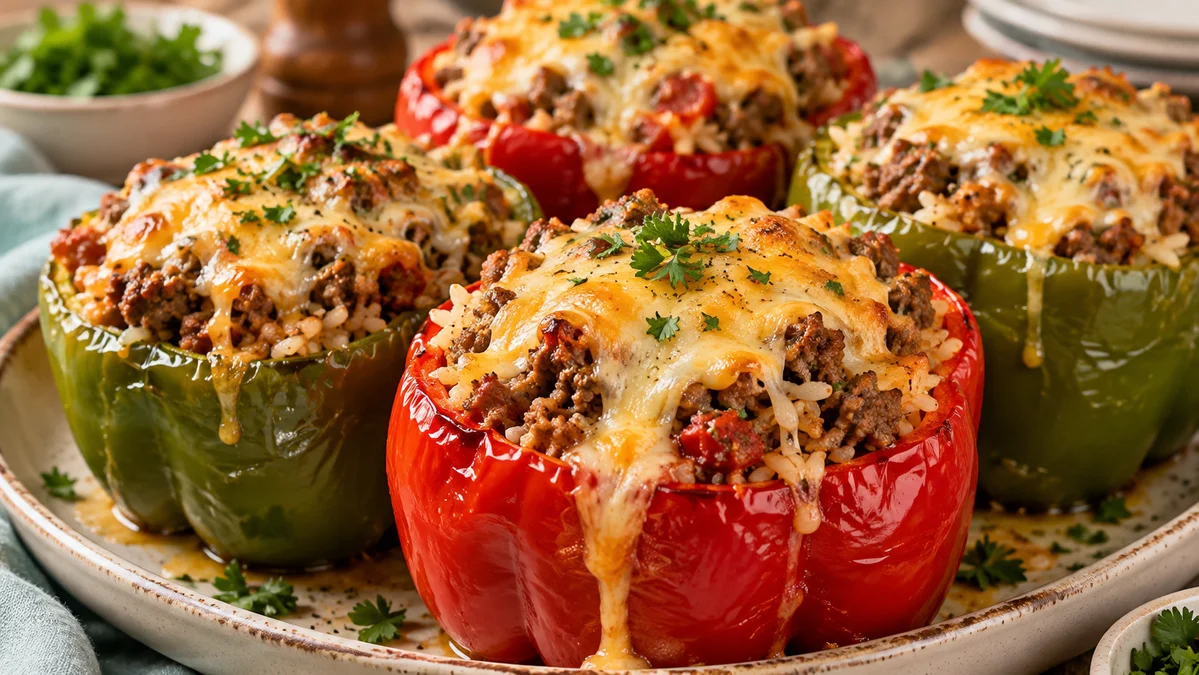
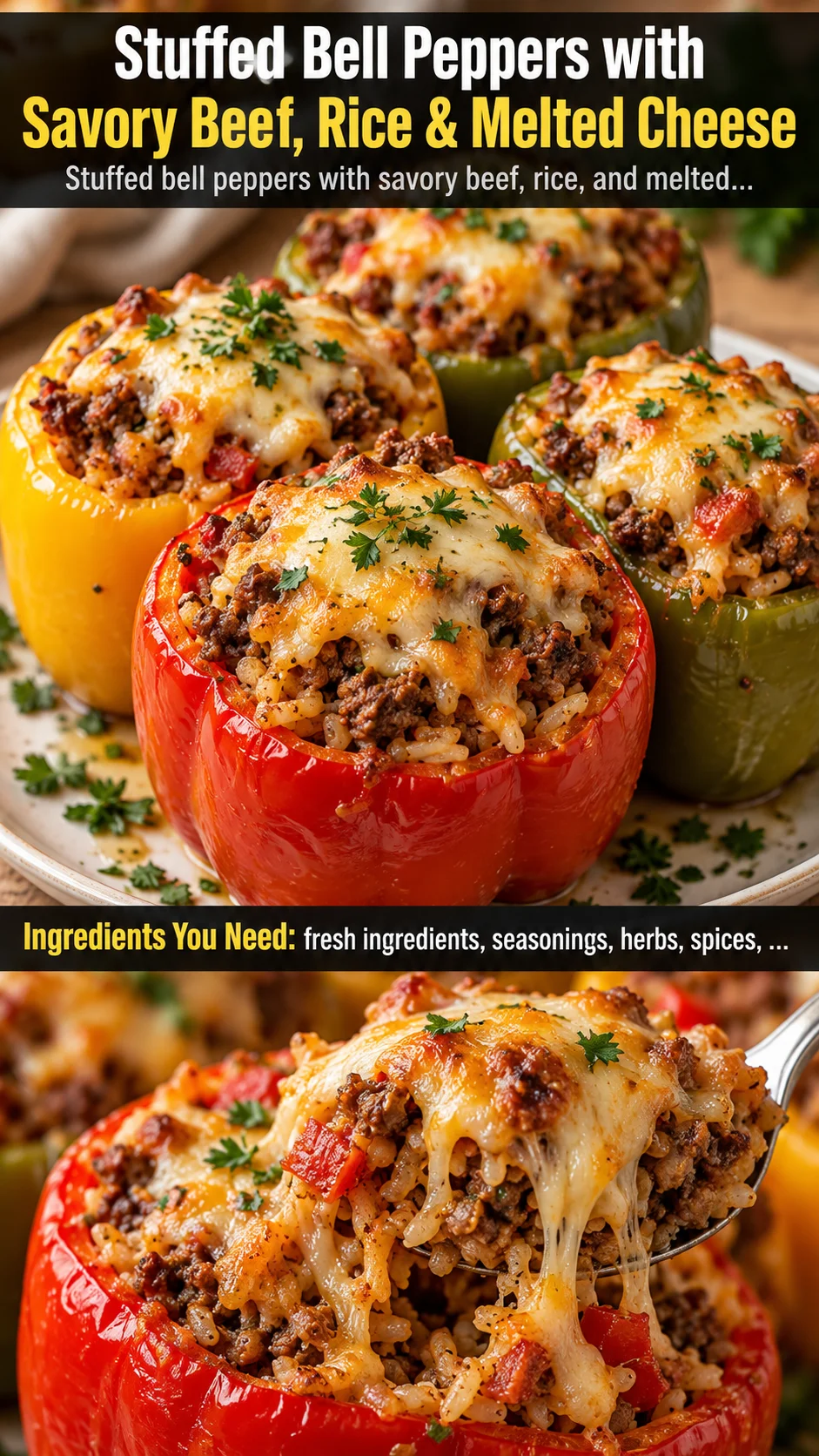
Stuffed Bell Peppers with Savory Beef, Rice & Melted Cheese

Stuffed Bell Peppers with Savory Beef, Rice & Melted Cheese
High-Protein Stuffed Peppers with Ground Beef • Budget Stuffed Bell Peppers • Easy Dinner

⏱️ Prep: PT10M
🔥 Cook: PT5M
🍞 Baking: PT15M
⏳ Total: PT30M
🍽️ Yield: 4 large stuffed peppers (1 per serving)
⚡ Calories: 520 kcal
(284)
Rate this recipe:
High-Protein DinnerStuffed Bell PeppersBudget MealGround Beef Recipe30-Minute DinnerEasy Weeknight Dinner

These stuffed bell peppers with savory beef, rice, and melted cheese are a high-protein, budget-friendly dinner ready in 30 minutes. Easy weeknight meal!

Ingredients

Toggle: Metric / US

Instructions

Step 1

Preheat the oven to 400°F (200°C) and set out all ingredients on the counter. This step is called mise en place, and it is the secret to a 30-minute dinner: when everything is measured, chopped, and within arm’s reach, you never lose time hunting for spices or scrambling to mince garlic while the beef burns. Dice the onion, mince the garlic, drain the diced tomatoes (reserve the juice in case the filling looks dry), and shred the cheese. If your rice is leftover from another meal, fluff it with a fork and let it come to room temperature; cold rice will cool the filling and extend the baking time. Finally, taste your rice: if it is bland, add a pinch of salt now, because the rice will absorb flavors from the beef and tomatoes but will not become properly seasoned later. With everything ready, the actual cooking becomes a fast, fluid dance.

Step 1 image
Step 2

Stand each bell pepper on its base and slice off the top about 1/2 inch below the stem. Use a sharp paring knife to cut around the inner membrane, then pull out the seed cluster and white ribs. Discard the seeds and ribs, but save the pepper tops: dice the edible flesh around the stem and add it to the filling for extra sweetness and texture. If you want the peppers to stand perfectly straight, shave a thin sliver off the bottom of each pepper, being careful not to cut through the shell. Arrange the hollow peppers in a 9×13-inch baking dish or a Dutch oven just large enough to hold them snugly. A snug fit prevents them from tipping over and helps them steam gently as they bake. Lightly season the insides with salt and pepper.

Step 2 image
Step 3

Heat the olive oil in a large skillet over medium-high heat until it shimmers, then add the ground beef. Break it into small, even crumbles with a wooden spoon and cook for 4 to 5 minutes, until no pink remains and the beef is browned. Do not stir constantly: letting the beef sit undisturbed for 30 seconds at a time encourages browning, which builds deep savory flavor. Add the diced onion and cook for 2 minutes, until translucent and fragrant. Stir in the garlic and cook for just 30 seconds, until you can smell its sweet aroma. If your beef releases a lot of fat, spoon off all but 1 tablespoon; too much grease will make the filling heavy and can make the peppers soggy.

Step 4

Add the drained diced tomatoes, smoked paprika, Italian seasoning, cumin, salt, and pepper to the skillet. Stir and cook for 1 minute, scraping up the browned bits from the bottom of the pan. These browned bits, called fond, are concentrated flavor. Add the cooked rice and beef broth, then stir until the mixture is evenly combined and gently simmering. Taste the filling and adjust the seasoning: it should be a little more boldly seasoned than you think necessary, because the mild pepper will dilute the flavor. If the mixture looks dry, add a splash of the reserved tomato juice. Remove from heat and stir in half of the mozzarella cheese; the residual heat will melt it into the filling and help bind everything together.

Step 5

To ensure the peppers become tender in just 15 minutes of baking, par-cook the empty shells. You can microwave them: place the peppers upright in a microwave-safe dish, add 2 tablespoons of water, cover with a damp paper towel, and microwave on high for 3 to 4 minutes, until slightly softened but still holding their shape. Alternatively, boil them in salted water for 3 minutes, then drain upside down on a paper towel. This step is optional if you prefer a firmer, crunchier pepper, but par-cooking guarantees that the pepper skin is silky and easy to cut with a fork. Blot the insides dry with a paper towel before stuffing; excess moisture is the number one cause of watery stuffed peppers.

Step 6

Spoon the beef and rice filling into each pepper, packing it gently with the back of the spoon. Fill them about three-quarters full, then press down lightly to remove air pockets. Do not overstuff: the filling expands slightly as it heats, and an overfilled pepper will spill its contents and bake unevenly. If you have extra filling, spoon it around the peppers in the baking dish; it will become a delicious crispy-edged bonus. Pour the beef broth into the bottom of the baking dish, around the peppers, not over them. This creates a steamy environment that keeps the peppers moist while the tops brown. Cover the dish tightly with foil.

Step 7

Bake the covered peppers at 400°F (200°C) for 15 minutes. Then carefully remove the foil and spoon the remaining mozzarella and Parmesan over the tops of the peppers. Return the dish to the oven, uncovered, and bake for 5 to 7 minutes more, until the cheese is melted, bubbly, and lightly golden. For an extra glossy, restaurant-style finish, switch the oven to broil for 1 to 2 minutes, watching constantly: the cheese can go from perfect to burnt in seconds. The peppers are done when a knife slides into the side of a pepper with no resistance and the filling is piping hot (165°F / 74°C).

Step 8

Remove the baking dish from the oven and let the peppers rest for 5 minutes. Resting allows the juices to redistribute, so the filling stays juicy but does not flood the plate when you cut into it. Use a slotted spoon or spatula to transfer each pepper to a serving plate. Spoon some of the pan juices over the top, then shower with fresh parsley. Serve with a simple green salad, garlic bread, or roasted vegetables. Store leftovers in an airtight container in the refrigerator for up to 4 days. To reheat, cover and microwave for 90 seconds, or bake at 350°F (175°C) for 10 minutes. These peppers also freeze beautifully for up to 3 months.

For best results

  • Choose peppers that are uniform in size and can stand upright. Look for firm, glossy skins with no soft spots. Red, yellow, and orange peppers are sweeter than green, but green peppers are the most budget-friendly and add a pleasant grassy bite. If you are feeding a crowd, buy a multi-pack of mixed colors; the visual contrast makes the dish look far more expensive than it is. For the most even cooking, select peppers that are roughly the same height and width. If one pepper is much larger, fill it with less filling and start checking for doneness a few minutes earlier. Also, consider cutting peppers in half lengthwise and roasting them cut-side up; they cook faster and the filling gets more cheese surface area.
  • The rice is a blank canvas, so season it well. Day-old rice is ideal because it is drier and absorbs the beef juices without turning mushy. If you are cooking rice specifically for this recipe, cook it in beef broth instead of water and let it cool completely before mixing. You can also swap in cooked brown rice, quinoa, or cauliflower rice. If using cauliflower rice, do not add the extra broth; instead, squeeze the cauliflower dry in a clean towel first. For a creamier filling, stir in 2 tablespoons of cream cheese or sour cream along with the mozzarella. Just remember that any added moisture should be balanced with a little extra cheese or breadcrumbs.
  • Do not skip the par-cooking step, especially if you like tender peppers. Raw bell peppers can take 45 minutes or more to soften in the oven, which dries out the beef and rice. Microwaving or boiling the empty shells for 3 to 4 minutes shaves 20 minutes off the total bake time and guarantees a silky texture. If you are short on time, you can also roast the hollow peppers at 425°F for 8 minutes while you prepare the filling. Pat them dry before stuffing. This one technique is the difference between a good stuffed pepper and a great one.
  • For the juiciest filling, use ground beef with some fat, such as 85/15 or 90/10. Extra-lean ground beef can taste dry and crumbly, especially after baking. If you only have 93/7 or 96/4, add an extra tablespoon of olive oil and 2 tablespoons of beef broth to the filling. You can also mix in a beaten egg and 1/4 cup of breadcrumbs to bind the mixture and lock in moisture. Another trick: place a small cube of mozzarella or a spoonful of tomato sauce in the center of each pepper before adding the beef mixture. It creates a molten, cheesy core that makes every bite feel indulgent.
  • Make a double batch and freeze half. Stuffed peppers are one of the best freezer meals because they reheat without losing their shape. Assemble the peppers completely, including the cheese, then wrap each one tightly in plastic wrap and place them in a freezer bag. Freeze for up to 3 months. When you are ready to eat, bake from frozen at 375°F (190°C) for 45 to 55 minutes, covered, then uncover for the last 10 minutes. If you thaw them overnight in the refrigerator, bake at 375°F for 25 to 30 minutes. This strategy turns one cooking session into three or four future dinners, which is exactly how you keep a budget-friendly meal plan exciting.
  • Balance the plate with smart sides that stretch the meal. Since the peppers are high in protein and carbohydrates, I like to serve them with a large handful of arugula tossed with lemon juice and olive oil. The peppery greens cut through the rich cheese. A scoop of garlicky sautéed spinach, steamed broccoli, or roasted zucchini also works beautifully. For a heartier dinner, add a slice of crusty whole-grain bread to soak up the pan juices. If you are watching carbs, serve the filling over a bed of lettuce instead of inside the pepper, or use halved peppers as boats rather than whole shells.
  • Season the filling in layers, not all at once. Brown the beef with salt and pepper, bloom the spices in the fat, and taste the mixture after adding the rice. The final filling should be savory, slightly smoky from the paprika, and a touch sweet from the tomatoes. If it tastes flat, add a teaspoon of Worcestershire sauce, a dash of hot sauce, or a squeeze of tomato paste. Acid is your friend: a splash of red wine vinegar or lemon juice at the end brightens all the flavors. Remember that the cheese will add saltiness, so hold back on extra salt until after you stir in the mozzarella.

Variations

  • Mexican-Style Stuffed Peppers: Swap the Italian seasoning for 2 teaspoons of chili powder, 1 teaspoon of cumin, and 1/2 teaspoon of oregano. Use fire-roasted diced tomatoes, black beans, and corn in place of half the rice. Top with pepper Jack cheese and serve with salsa, sour cream, and sliced avocado. For a smoky kick, add a chipotle pepper in adobo, minced, to the beef mixture. This version is especially popular with kids because the beans and corn add a sweet, creamy texture.
  • Turkey or Chicken Stuffed Peppers: Replace the ground beef with ground turkey or ground chicken. Because poultry is leaner, add 1 tablespoon of olive oil to the skillet and reduce the cooking time by 1 minute. To keep the filling moist, mix in 1/4 cup of ricotta or a beaten egg. Season more aggressively with poultry seasoning, sage, or rosemary. You can also use leftover shredded rotisserie chicken: skip the browning step and simply sauté the onion and garlic, then stir in the chicken, rice, and seasonings. Bake as directed, adding 5 minutes to the covered bake time.
  • Vegetarian Stuffed Peppers: Omit the beef and double the rice. Sauté 8 ounces of chopped mushrooms with the onion until deeply browned; mushrooms provide the savory, meaty texture that makes vegetarian stuffed peppers satisfying. Add 1 cup of cooked lentils or a can of drained chickpeas for protein. Use vegetable broth and top with smoked gouda or feta. For a Mediterranean twist, add chopped olives, sun-dried tomatoes, and a pinch of cinnamon. This version is not only budget-friendly but also packed with fiber.
  • Low-Carb and Keto Stuffed Peppers: Replace the rice with cauliflower rice. Sauté the cauliflower rice with the beef for 2 minutes to remove excess moisture, then add only 1/4 cup of broth. Use sugar-free tomato sauce instead of diced tomatoes if you are strictly counting carbs. Top with extra mozzarella and Parmesan. The fat from the cheese and beef keeps this version satisfying. To keep the peppers sturdy, choose small-to-medium peppers and par-bake them for 5 minutes instead of 3.
  • Italian-Style Stuffed Peppers: Add 1/2 pound of Italian sausage (casings removed) along with the ground beef. Stir in 1/2 cup of marinara sauce, 1 teaspoon of dried basil, and a pinch of red pepper flakes. Use mozzarella and provolone for the cheese topping. Before baking, sprinkle the tops with Italian breadcrumbs mixed with Parmesan and a drizzle of olive oil. The result tastes like a pepper-shaped meatball sub, and it is absolutely irresistible.

Nutrition

  • Calories520 kcal
  • Total Fat24g
  • Saturated Fat10g
  • Cholesterol95mg
  • Sodium640mg
  • Total Carbohydrates32g
  • Dietary Fiber5g
  • Sugars9g
  • Protein38g

Common Questions

Can I make stuffed bell peppers ahead of time?
Yes, and they are actually better that way. Assemble the peppers completely, cover the baking dish tightly with foil, and refrigerate for up to 24 hours. When you are ready to bake, add 5 to 10 minutes to the covered baking time because the filling will be cold. You can also freeze assembled, unbaked peppers for up to 3 months. Thaw overnight in the refrigerator before baking, or bake from frozen at 375°F for 45 to 55 minutes. This make-ahead approach is perfect for busy weeknights.
How do I keep stuffed peppers from getting soggy?
Sogginess comes from excess moisture. First, par-cook and drain the pepper shells, then blot the insides dry. Second, drain the diced tomatoes well; reserve the juice and add it only if the filling looks dry. Third, do not add extra liquid to the filling beyond the 1/2 cup of broth. Fourth, bake the peppers uncovered for the final 5 to 7 minutes so steam can escape. Finally, let them rest for 5 minutes before serving; this allows the juices to thicken slightly. If you follow these steps, the peppers will be tender but never watery.
What is the best way to reheat leftover stuffed peppers?
The microwave is fastest: place a pepper in a microwave-safe bowl, cover with a damp paper towel, and heat on high for 90 seconds to 2 minutes, until steaming hot. For a crisper top, reheat in a 350°F oven for 10 to 12 minutes, covered with foil, then uncover for the last 2 minutes. Avoid reheating in a dry oven uncovered for too long, or the cheese will become rubbery and the filling will dry out. Leftovers keep in the refrigerator for up to 4 days. You can also enjoy them cold, sliced over a salad.
Can I use instant rice or leftover rice?
Yes. Leftover rice is ideal because it is drier and absorbs the beef juices without becoming mushy. If you use instant rice, cook it according to the package directions and let it cool slightly before mixing. Do not add uncooked instant rice directly to the filling unless you also add 1 cup of extra liquid and extend the baking time; the rice needs time to hydrate. For the best texture, use long-grain white rice, jasmine rice, or basmati rice. Brown rice works too, but it will be chewier and may need a few extra minutes in the oven.
How do I know when stuffed peppers are fully cooked?
The peppers are done when the shell is tender enough that a knife slides in with little resistance and the filling registers 165°F (74°C) on an instant-read thermometer. The cheese should be melted and bubbling, and the filling should be steaming hot. If the peppers are browning too quickly but the filling is not hot, cover the dish with foil and continue baking. If the filling is hot but the peppers are still firm, add a splash of broth to the pan, cover, and bake for 5 more minutes. Always rely on the thermometer for safety, not just the timer.
Can I grill or air-fry stuffed peppers instead of baking?
Absolutely. For the air fryer, par-cook the peppers, stuff them, and place them in the air fryer basket. Air-fry at 360°F (180°C) for 10 to 12 minutes, until the cheese is melted and the filling is hot. For the grill, preheat to medium-high, oil the grates, and grill the stuffed peppers directly over indirect heat for 15 to 20 minutes, covered, until tender. Grilling adds a wonderful smoky char. If you grill, use a disposable aluminum pan to catch drips and keep the peppers stable.
Are stuffed bell peppers healthy and high in protein?
Yes. This recipe delivers about 38 grams of protein per serving, thanks to the lean ground beef and cheese. Bell peppers are rich in vitamin C, vitamin A, and antioxidants, and the rice provides energy-giving carbohydrates. To make it even healthier, use brown rice, reduce the cheese to 1/2 cup, and add extra vegetables like zucchini or spinach to the filling. The sodium can be reduced by using low-sodium broth and rinsing the canned tomatoes. Overall, it is a balanced, satisfying meal that fits a high-protein or macro-friendly diet.
What can I do with leftover filling?
Leftover filling is a gift. Use it as a taco or burrito filling, spoon it over nachos, or fold it into an omelet. You can also stuff it into zucchini boats, bell pepper halves, or large pasta shells. For a quick lunch, serve it over a bed of greens with a drizzle of ranch or vinaigrette. If you have a lot left over, freeze it in portion-sized bags and thaw for future dinners. The filling also makes a fantastic sloppy joe mixture on toasted buns.

Notes

Stuffed bell peppers are one of those dishes that feels like a warm hug, and they have a fascinating history. The idea of stuffing vegetables likely originated in ancient times, when cooks would fill hollowed-out gourds, eggplants, and peppers with whatever grains, meats, and spices they had on hand. In the United States, stuffed peppers became a staple of mid-century budget cooking, often made with ground beef, rice, and tomato sauce. My grandmother made hers with green bell peppers from her garden and a scoop of leftover rice, and she always let them bake until the kitchen smelled like sweet peppers and simmering tomatoes. This recipe is my updated take: faster, more colorful, and packed with enough protein to satisfy a modern appetite.\n\nI created this version for QuickPlateRecipe because I wanted a dinner that could be on the table in about 30 minutes without sacrificing flavor or nutrition. The trick is par-cooking the peppers and using pre-cooked rice, which transforms a traditionally hour-long recipe into a weeknight wonder. The colorful pepper shells are not just pretty; red, yellow, and orange peppers are sweeter and more nutrient-dense than green ones. When you cut into one and see the juicy beef, fluffy rice, and molten cheese, you understand why this is one of my most requested recipes. It is also incredibly affordable: the whole dish costs about $8 to $10 depending on sales, and it feeds four people generously.\n\nFor serving, I love to pair these peppers with a crisp cucumber and tomato salad dressed with lemon and olive oil, or a hunk of crusty bread to soak up the pan juices. A dollop of sour cream or Greek yogurt adds a cool contrast to the smoky paprika. If you are feeding a crowd, arrange the peppers on a platter and spoon the pan sauce over the top just before serving, then scatter with parsley. They look impressive enough for a dinner party but are humble enough for a Tuesday night. I also recommend making a double batch and freezing half; future you will be so grateful.\n\nFinally, do not be afraid to make this recipe your own. Swap the beef for turkey, add corn and black beans, or go vegetarian with mushrooms and lentils. The formula is forgiving: peppers, a savory filling, and cheese. Once you master the basic technique, you can play with flavors from around the world. I hope this colorful stuffed bell pepper recipe becomes a regular in your rotation and brings a little extra joy to your table. If you make it, tag me on social media and let me know how it turned out. Happy cooking!

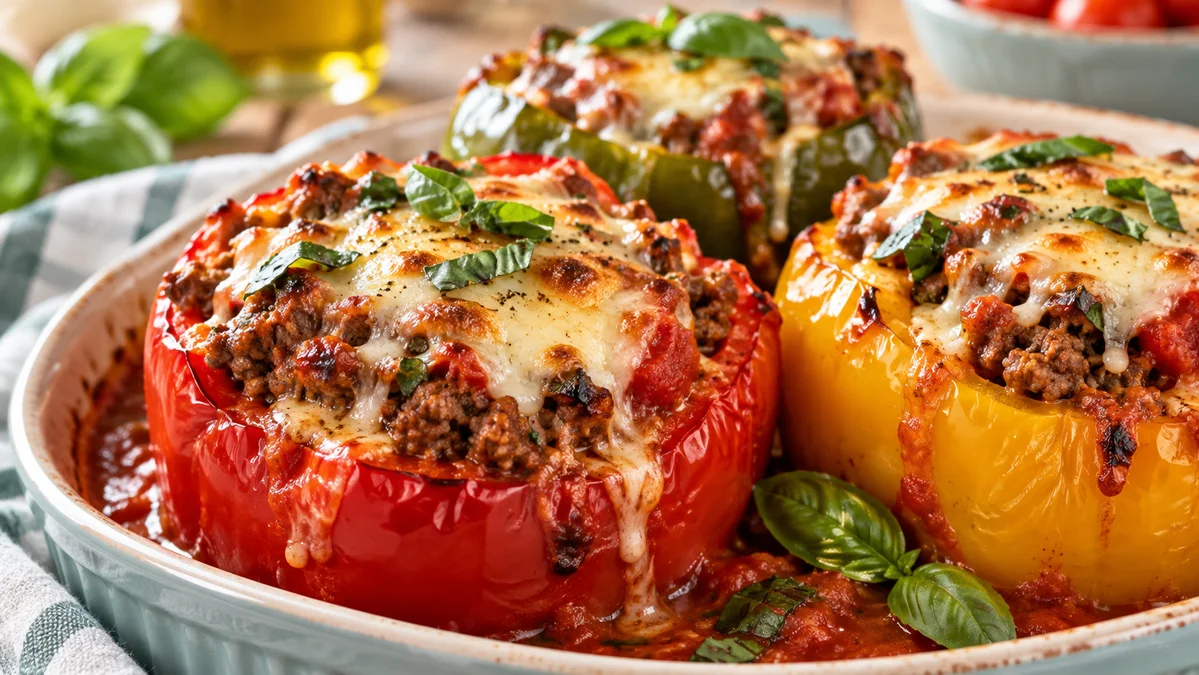
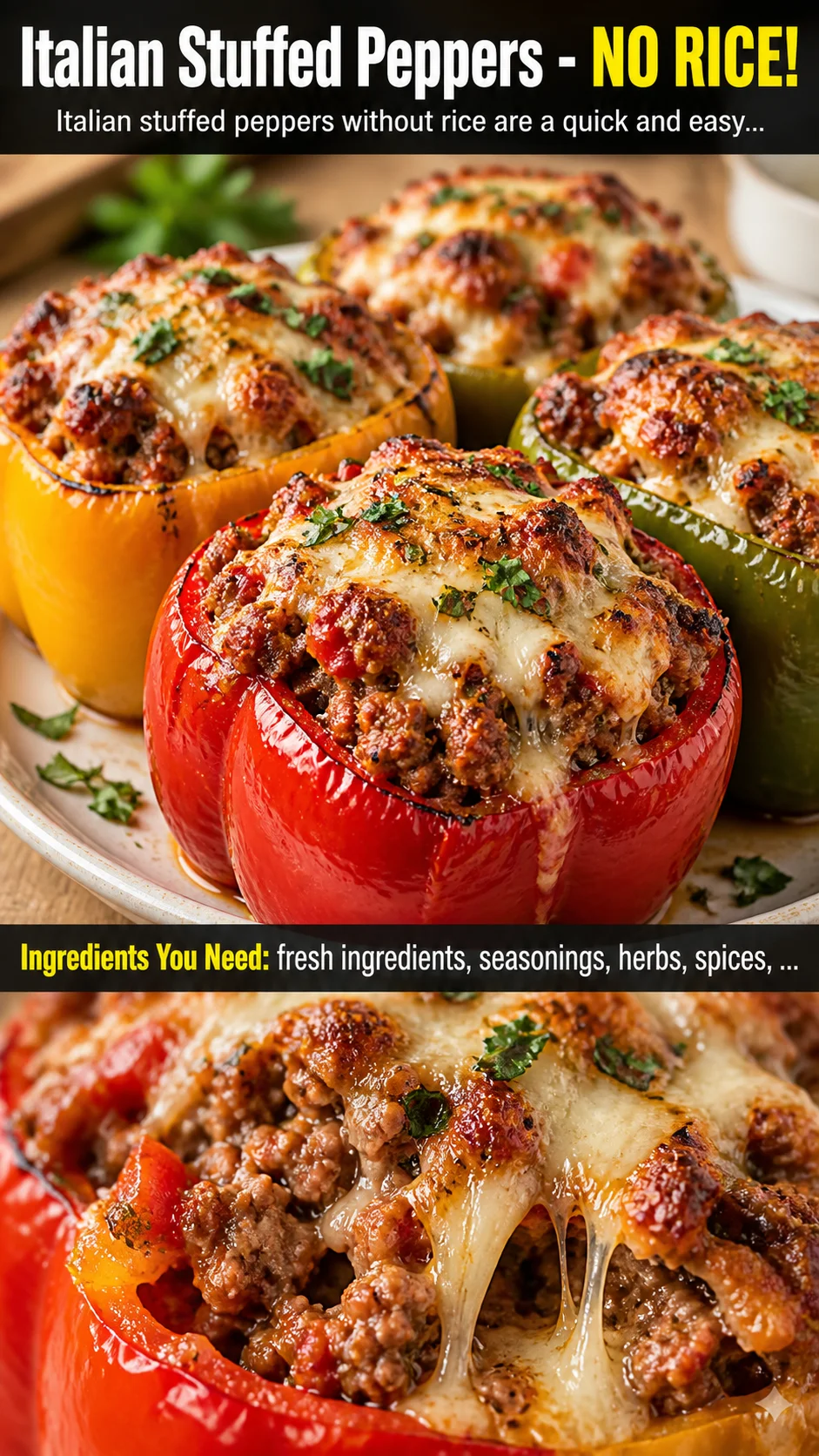
Italian Stuffed Peppers – NO RICE!

Italian Stuffed Peppers - NO RICE!
Italian Stuffed Peppers • High-Protein Dinner • Easy Dinner Recipes

⏱️ Prep: PT10M
🔥 Cook: PT20M
🍞 Baking: PT18M
⏳ Total: PT30M
🍽️ Yield: 4 servings (2 stuffed pepper halves each)
⚡ Calories: 420 kcal
(284)
Rate this recipe:
Italian stuffed peppersno ricehigh proteinlow carb30-minute dinnereasy weeknight dinner

These Italian stuffed peppers without rice are a high-protein, low-carb dinner ready in 30 minutes. Juicy ground beef, melted cheese, and bold tomato basil flavor.

Ingredients

Toggle: Metric / US

Instructions

Step 1

Before you turn on the stove, set out all ingredients and measure them into small bowls—this is your mise en place. Finely dice the onion, mince the garlic, chop the fresh basil, grate the Parmesan, and shred the mozzarella if you bought a block. Having everything ready prevents the garlic from burning while you hunt for the tomato sauce. If you are using almond flour or pork rind crumbs as a no-rice binder, measure that now too. This step takes about 10 minutes and is the secret to a stress-free 30-minute dinner.

Step 1 image
Step 2

Position a rack in the center of the oven and preheat to 400°F (200°C). Lightly grease a 9×13-inch baking dish with olive oil or nonstick spray. Slice each bell pepper in half lengthwise through the stem, then scoop out the seeds, white membranes, and stem with a spoon. Arrange the pepper halves cut-side up in the baking dish. If any half wobbles, shave a thin sliver off the bottom to level it, but do not cut through. Rub the insides with a little olive oil and season with a pinch of salt and pepper. Preheating is critical: the hot oven softens the pepper walls while keeping the filling juicy.

Step 2 image
Step 3

Heat 1 tablespoon olive oil in a large skillet over medium heat. Add the diced onion and cook for 3 to 4 minutes, stirring occasionally, until it turns translucent and starts to smell sweet. Add the minced garlic and cook for just 30 seconds more—garlic burns quickly and turns bitter, so pull it off the heat as soon as it becomes fragrant. Scrape the mixture into a large mixing bowl and set aside. Do not wipe out the skillet; you will use the same pan to brown the beef and build flavor.

Step 4

Return the skillet to medium-high heat. Add the ground beef and cook, breaking it into small crumbles with a wooden spoon, for 5 to 6 minutes, or until no pink remains. You want the beef to brown, not steam, so do not crowd the pan—work in batches if needed. Once cooked, carefully drain off excess fat, leaving about 1 tablespoon in the pan for flavor. Add the dried oregano, dried basil, garlic powder, onion powder, red pepper flakes (if using), salt, and black pepper. Stir for 30 seconds to toast the spices, which releases their oils and deepens the Italian flavor.

Step 5

Transfer the seasoned beef to the bowl with the onions and garlic. Add 3/4 cup of the marinara sauce, 1/4 cup of the grated Parmesan, 1/2 cup of the mozzarella, the beaten egg, chopped fresh basil, and the optional almond flour or pork rind crumbs. The egg acts as a binder, while the almond flour absorbs extra moisture so the filling does not turn watery—this is especially important since we are skipping rice. Mix gently with a fork until just combined; overmixing makes the filling dense. The mixture should look moist but hold together when pressed.

Step 6

Spoon the beef mixture evenly into the pepper halves, mounding it slightly and pressing it down gently so there are no air pockets. Each half should hold about 1/2 cup of filling, depending on the size of your peppers. Arrange the stuffed peppers in the baking dish. Pour the remaining 1/4 cup marinara sauce around the base of the peppers—not over the top—so the peppers steam slightly and the sauce thickens into a rich, jammy pool. Cover the dish tightly with foil.

Step 7

Bake covered for 20 minutes. The foil traps steam, which softens the pepper walls without drying out the filling. After 20 minutes, remove the foil carefully—watch out for hot steam. The peppers should look slightly wrinkled and tender when pierced with a knife, and the filling should be piping hot. If the peppers still feel firm, cover and bake for another 5 minutes. Meanwhile, preheat the broiler to high.

Step 8

Sprinkle the remaining 1/2 cup mozzarella and 1/4 cup Parmesan over the tops of the stuffed peppers. Return the uncovered dish to the oven and broil for 2 to 3 minutes, keeping a close eye on it, until the cheese is melted, bubbly, and golden brown in spots. Broiling creates that irresistible cheese pull and a crispy top layer. If your broiler runs very hot, move the rack to the middle position and broil for 3 to 4 minutes. Remove from the oven and let rest for 5 minutes.

Step 9

Use a large spoon or spatula to lift the peppers onto plates, spooning some of the thickened tomato sauce from the baking dish over the top. Garnish with fresh basil or parsley and extra Parmesan if desired. Serve hot with a crisp green salad, roasted broccoli, or zucchini noodles for a complete low-carb meal. Store leftovers in an airtight container in the refrigerator for up to 4 days. To reheat, cover and microwave in 30-second intervals, or warm in a 350°F oven for 10 minutes. These peppers also freeze beautifully for up to 3 months—thaw overnight in the fridge before reheating.

For best results

  • Choose the right peppers. Look for large, heavy bell peppers with glossy, unwrinkled skin and sturdy walls. Red, yellow, and orange peppers are sweeter than green, which can be slightly bitter. If possible, choose peppers that are similar in size so they cook evenly. Mini sweet peppers work too, but reduce the baking time to 12–15 minutes and use a smaller amount of filling. Avoid peppers with soft spots or thin walls—they will collapse in the oven.
  • Do not skip the binder. Since this recipe has no rice, the filling needs a little help to stay moist but not soupy. Almond flour, pork rind crumbs, or even a tablespoon of coconut flour absorbs excess liquid from the beef and tomato sauce. If you do not have any, you can use 2 tablespoons of grated Parmesan or a small handful of crushed pork rinds. Just do not add too much, or the filling will taste dry and mealy.
  • Control the moisture. Watery stuffed peppers are the most common complaint. To avoid them, drain the cooked beef well, use a thick marinara or tomato sauce rather than a thin jarred pasta sauce, and do not add extra liquid. Salting the pepper halves and letting them sit for 10 minutes draws out excess water—pat them dry before stuffing. Also, baking covered then uncovered helps steam the peppers without making the filling soggy.
  • Make ahead and meal prep. You can assemble the stuffed peppers up to 24 hours in advance. Cover tightly and refrigerate. When ready to bake, add 5–10 minutes to the covered baking time because the dish starts cold. For meal prep, bake as directed, cool completely, then portion into airtight containers. They reheat beautifully in the microwave for 2 minutes. This makes a fantastic high-protein lunch or dinner for busy weekdays.
  • Cheese strategy. For the best cheese pull, use low-moisture mozzarella and freshly grated Parmesan. Pre-shredded mozzarella often contains anti-caking agents that prevent it from melting smoothly. If you want an extra golden top, mix a tablespoon of melted butter with the Parmesan before sprinkling. For a sharper flavor, swap in provolone, fontina, or a little smoked gouda. Add the cheese only in the last few minutes of baking so it does not burn.
  • Flavor boosters. Bump up the Italian flavor with a splash of red wine added to the beef after browning, or stir in a tablespoon of tomato paste and let it caramelize. A pinch of fennel seeds gives the filling a sausage-like taste. Fresh basil is ideal, but if you only have dried, use 1 teaspoon and add it with the other dried spices. A squeeze of lemon juice or a dash of balsamic vinegar at the end brightens the whole dish.
  • Serving suggestions. These stuffed peppers are a complete meal on their own, but they pair well with a simple arugula salad with lemon vinaigrette, garlic sautéed spinach, or cauliflower rice. For a heartier dinner, serve with crusty Italian bread to soak up the sauce—just note that adds carbs. A glass of Chianti or San Pellegrino with lime rounds out the Italian trattoria vibe.

Variations

  • Turkey or chicken version: Swap the ground beef for ground turkey (93/7) or ground chicken. Because poultry is leaner, add an extra tablespoon of olive oil to the skillet and do not drain the fat. The filling may be slightly less juicy, so mix in 2 tablespoons of ricotta or a tablespoon of mayonnaise for richness. Cook until the internal temperature reaches 165°F (74°C).
  • Italian sausage version: Use 1 pound of mild or hot Italian sausage, casings removed. Sausage brings its own bold seasoning, so reduce the dried oregano and garlic powder by half. Brown it thoroughly, then proceed with the recipe. The result tastes like a classic sausage and pepper sandwich without the bread.
  • Vegetarian version: Replace the beef with 2 cups of cooked lentils or a 12-ounce package of meatless crumbles. Sauté the onions and garlic, then add the lentils, 1 cup marinara, 1/2 cup mozzarella, 1/4 cup Parmesan, egg, and herbs. Bake as directed. For a vegan version, use flax eggs and dairy-free cheese, and skip the Parmesan.
  • Spicy arrabbiata version: Add 1 teaspoon Calabrian chili paste or 1/2 teaspoon crushed red pepper to the beef, and use arrabbiata sauce instead of marinara. Top with smoked mozzarella for a spicy, smoky twist. This version is excellent with a cool dollop of ricotta on the side.
  • Mexican-inspired version: Swap Italian seasoning for cumin, chili powder, and smoked paprika. Use fire-roasted tomatoes instead of marinara, and top with Monterey Jack or pepper Jack cheese. Garnish with cilantro, avocado, and a squeeze of lime. Serve with cauliflower rice or a simple black bean salad.
  • Cheeseburger stuffed peppers: Add 1 tablespoon yellow mustard and 1 tablespoon ketchup to the beef mixture, plus diced pickles. Use cheddar cheese instead of mozzarella and Parmesan. The result tastes like a bunless cheeseburger—kid-friendly and fun.

Nutrition

  • Calories420 kcal
  • Total Fat26g
  • Saturated Fat11g
  • Cholesterol95mg
  • Sodium780mg
  • Total Carbohydrates12g
  • Dietary Fiber3g
  • Sugars7g
  • Protein34g

Common Questions

Can I make this recipe ahead of time?
Yes. Assemble the stuffed peppers up to 24 hours in advance, cover, and refrigerate. Add 5–10 minutes to the covered baking time. You can also bake them completely, cool, and refrigerate for up to 4 days. Reheat in the oven or microwave.
How do I prevent watery stuffed peppers?
Drain the beef well, use thick marinara, salt and dry the pepper halves, and add a binder like almond flour. Baking covered then uncovered also helps. If you still see excess liquid, spoon it out before serving or thicken it on the stovetop with a pinch of cornstarch.
Can I freeze these stuffed peppers?
Absolutely. Freeze baked or unbaked stuffed peppers in an airtight container for up to 3 months. Thaw overnight in the refrigerator, then bake covered at 375°F until heated through, about 20–25 minutes. For unbaked, add 10 minutes to the covered bake time.
Can I add rice back in?
Yes, if you are not low-carb. Add 1 cup of cooked rice to the filling and reduce the marinara by 2 tablespoons. You may need to bake covered for 25–30 minutes. The rice will absorb moisture and make the filling more substantial.
What is the best ground beef for this recipe?
Use 90/10 or 93/7 lean ground beef. It has enough fat for flavor without making the dish greasy. If you use 80/20, drain the fat thoroughly. Ground turkey or chicken also works but may need extra oil.
Are these Italian stuffed peppers keto-friendly?
Yes, as written they are low-carb and keto-friendly. Each serving has about 12 grams of carbohydrates, mostly from the peppers and tomato sauce. Use sugar-free marinara and skip any breadcrumbs. Almond flour or pork rind crumbs keep it keto.
How do I know when the peppers are done?
The peppers should be tender when pierced with a knife, and the filling should reach 165°F (74°C) on an instant-read thermometer. The cheese should be melted and bubbly. If the peppers are still firm, cover and bake 5 more minutes.
Can I use a different cooking method?
Yes. You can make these in an air fryer at 375°F for 15–18 minutes, or in a slow cooker on low for 4–5 hours. For the air fryer, reduce the filling slightly and check for doneness early.

Notes

I first made these Italian stuffed peppers without rice on a chaotic Tuesday when I wanted the comfort of a classic stuffed pepper but did not want the extra carbs or the 45-minute cook time. My grandmother’s recipe always included rice, but I found that skipping it actually made the dish more flavorful—the beef and cheese take center stage, and the tomato sauce thickens into something almost like a ragù. It was one of those happy accidents that turned into a weekly staple.Stuffed peppers have roots in many cultures, from Mexican chiles rellenos to Hungarian töltött paprika. The Italian-American version typically stuffs bell peppers with a mixture of ground beef, rice, breadcrumbs, and cheese, then bakes them in tomato sauce. This no-rice version is a modern low-carb adaptation that keeps all the Italian flavors—garlic, basil, oregano, Parmesan—while cutting the starchy filler. It is proof that tradition can evolve without losing its soul.My family is full of picky eaters, and this is one of the few dinners that gets zero complaints. My youngest loves that the cheese gets crispy on top, and my husband appreciates that it is high in protein and does not leave him hungry an hour later. I often double the recipe and freeze half for the following week. The 30-minute timeline is real if you multitask: preheat the oven while you chop, and brown the beef while the peppers are prepped.Serve these peppers with a simple green salad dressed in olive oil and lemon, or roasted asparagus. For a cozy Italian night, add a slice of garlic bread (if you are not low-carb) and a glass of red wine. Leftovers are excellent sliced and served over a bed of arugula, or chopped and stirred into scrambled eggs the next morning. The sauce that pools in the baking dish is liquid gold—spoon it over everything.This recipe is a reminder that healthy, high-protein dinners do not have to be complicated or bland. With a few smart swaps—no rice, extra cheese, and a hot oven—you get a meal that feels indulgent but fits a low-carb or macro-friendly lifestyle. I hope these Italian stuffed peppers become a regular in your weeknight rotation. If you make them, tag me—I love seeing your cheese pulls!

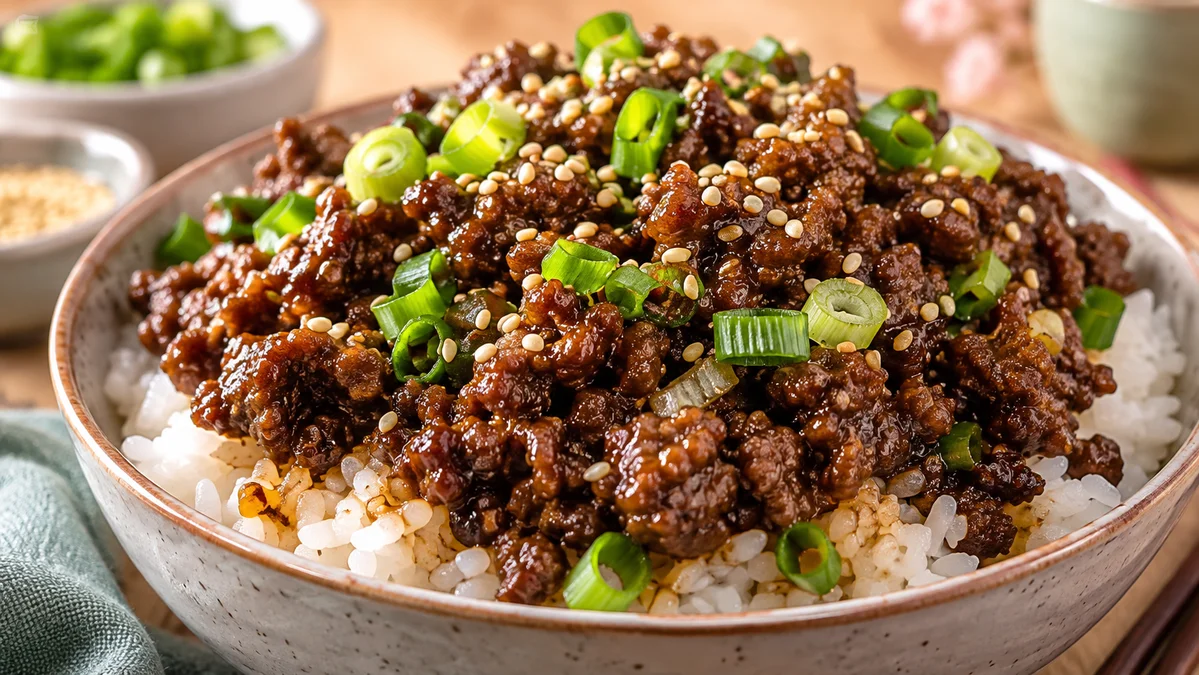
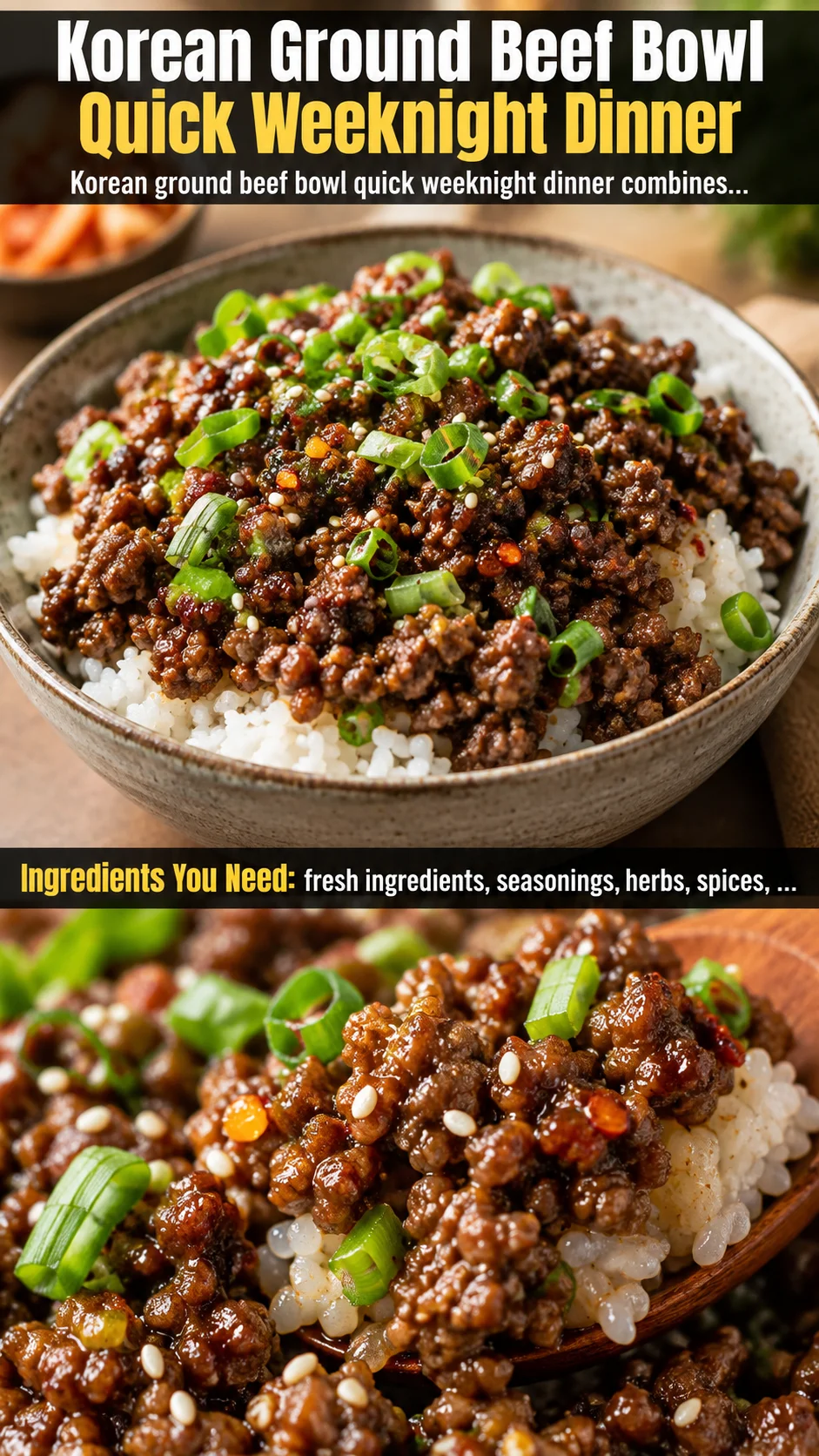
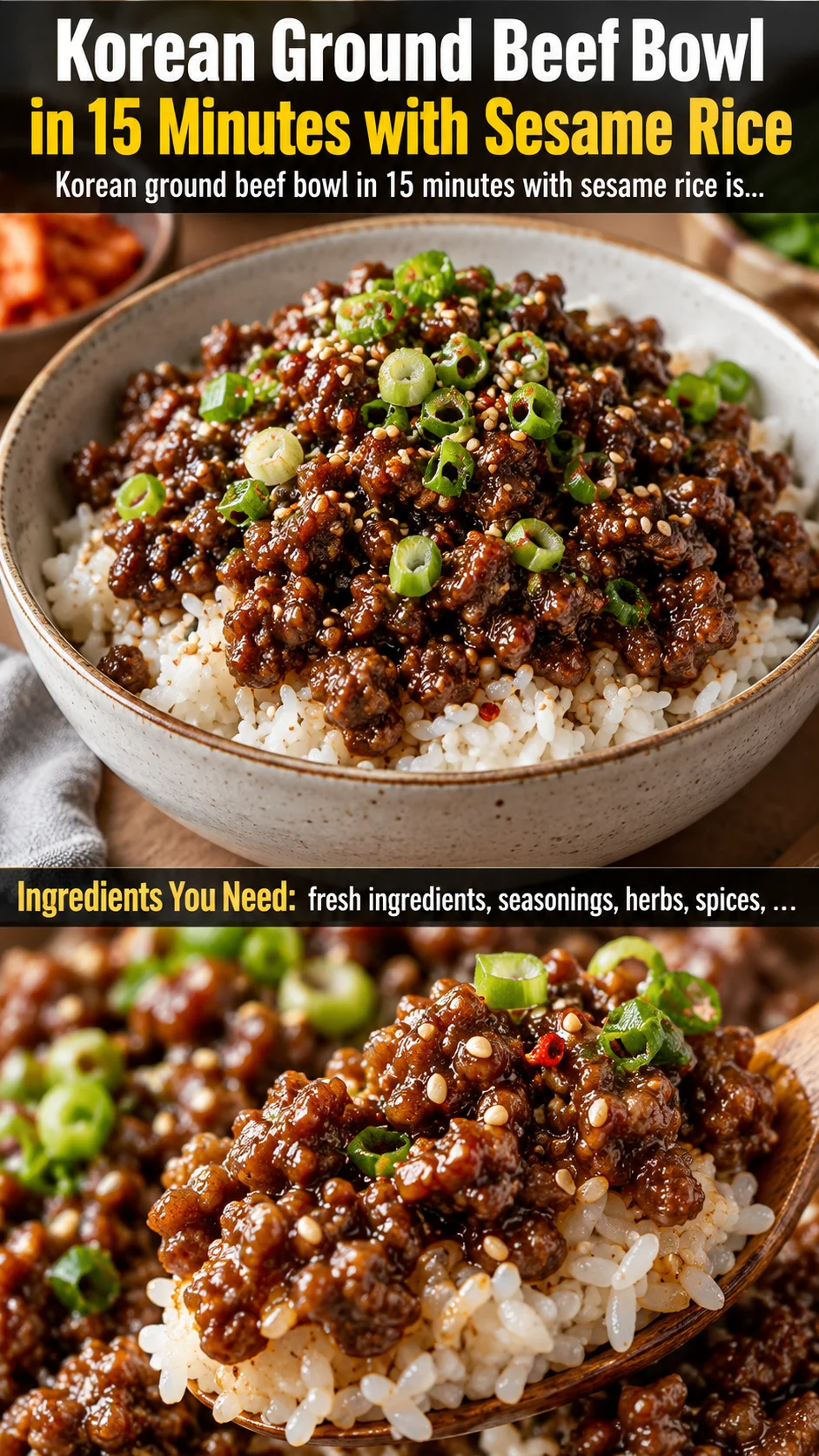
Korean Ground Beef Bowl Quick Weeknight Dinner

Korean Ground Beef Bowl Quick Weeknight Dinner
Korean Ground Beef Bowl • High-Protein Korean Beef Bowl • Quick Weeknight Dinner

⏱️ Prep: PT10M
🔥 Cook: PT15M
⏳ Total: PT25M
🍽️ Yield: 4 servings
⚡ Calories: 520 kcal
(284)
Rate this recipe:
Korean Beef BowlGround BeefQuick Weeknight DinnerHigh-Protein DinnerBudget Meal20-Minute Meal

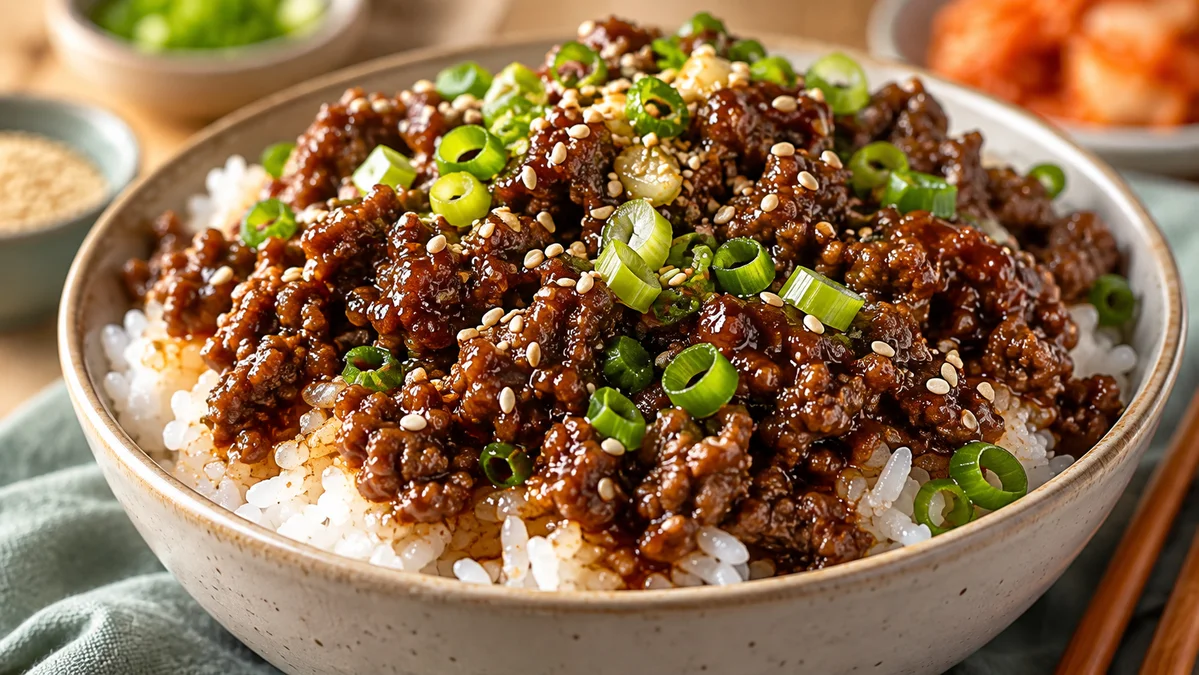
This Korean ground beef bowl is a quick weeknight dinner ready in 20 minutes. Savory soy-garlic beef over fluffy rice — an easy, high-protein family meal.

Ingredients

Toggle: Metric / US

Instructions

Step 1

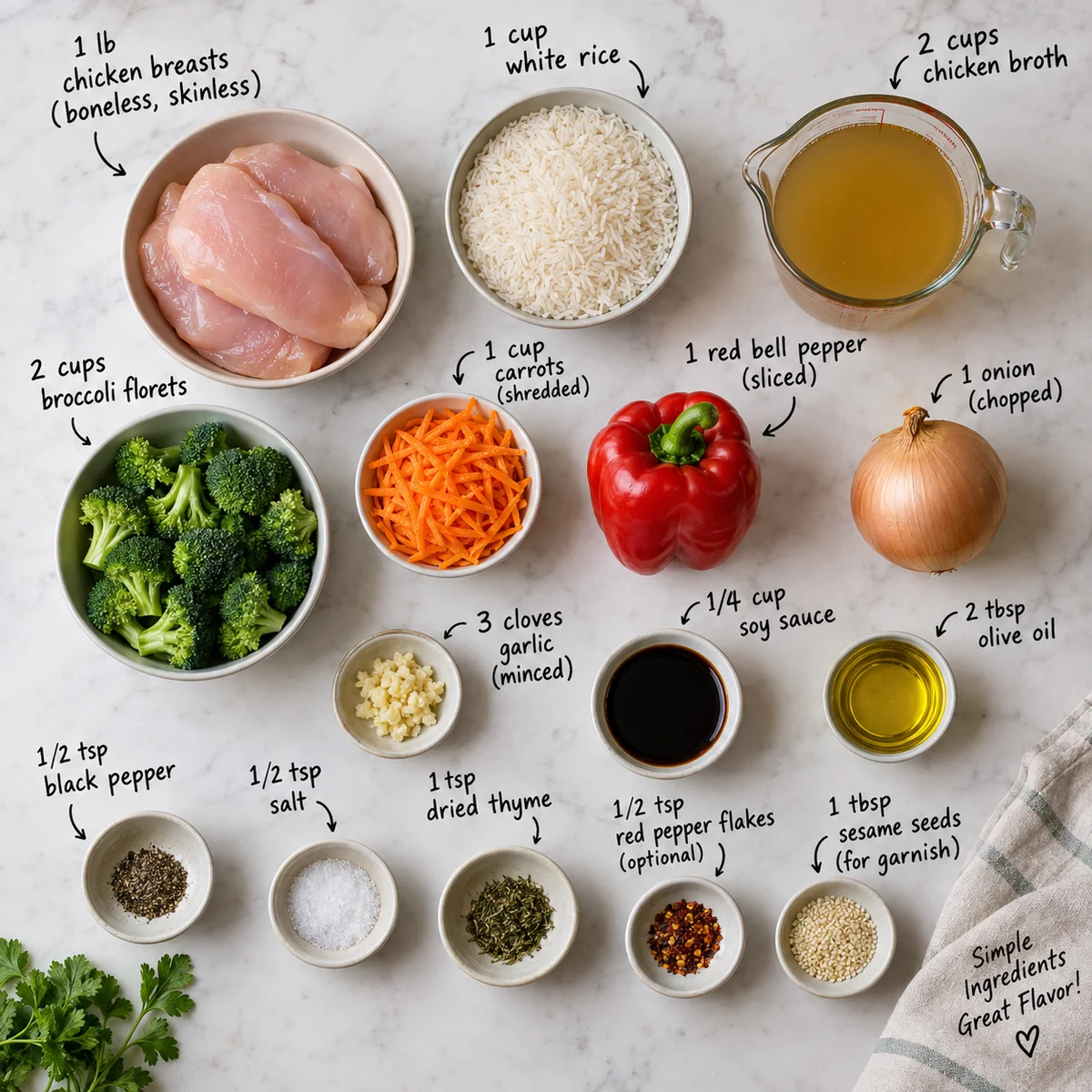
Begin by gathering every ingredient and prepping your mise en place, because this Korean ground beef bowl moves from stove to table in under twenty minutes and there is simply no time to hunt for a missing bottle of sesame oil while the garlic browns. Measure 3 tablespoons of low-sodium soy sauce, 1 tablespoon of packed brown sugar, 1 tablespoon of honey, 1 tablespoon of toasted sesame oil, 1 tablespoon of gochujang, 1/2 teaspoon of red pepper flakes, and 1/4 teaspoon of black pepper into a small bowl so the sauce is ready the instant the beef hits the pan. Finely mince 4 garlic cloves and grate 1 tablespoon of fresh ginger on a Microplane — the fine, fibrous paste releases far more flavor than coarse chopping and melts evenly into the sauce instead of leaving stringy bits. Slice 4 green onions and separate the white and light-green parts (which go into the pan) from the crisp dark-green tops (which become a fresh garnish). Finally, cook or reheat 4 cups of jasmine rice so it is steamy and fluffy right when the beef finishes. Cluster everything within arm’s reach of the stove — this is the single biggest trick to cooking fast without burning anything.

Step 1 image
Step 2

Whisk the sauce together in a small bowl until the brown sugar dissolves completely and the mixture looks glossy and uniform, about 30 seconds. You want a smooth, pourable liquid rather than a gritty one, because undissolved sugar can scorch against a hot pan and turn the whole dish bitter. Taste the sauce with a clean spoon: it should hit that signature Korean sweet-savory balance — salty from the soy, gently sweet from the sugar and honey, nutty from the sesame oil, and warm and gently funky from the gochujang. If it tastes flat or dull, add a splash more soy sauce; if it is too salty, a pinch more sugar will round everything out. Remember that the sauce will concentrate and intensify as it reduces, so it is fine if it tastes slightly strong right now.

Step 2 image
Step 3

Place a large, heavy skillet or wok over medium-high heat and let it get genuinely hot for a full 2 minutes before the beef goes in. This preheating step is the secret to deeply caramelized, savory meat instead of gray, steamed crumbles — a cold pan steams ground beef and robs it of flavor. Add the ground beef in one even layer and leave it untouched for 3 to 4 minutes so a browned crust can form on the bottom, because that browning (the Maillard reaction) is where most of the flavor is created. Resist the urge to stir constantly; let the meat sit, then break it into bite-sized pieces with a wooden spoon. Cook for 5 to 6 minutes total until no pink remains and the beef is crumbly and lightly browned. If your beef releases a lot of fat, spoon off all but about 1 tablespoon so the final sauce clings beautifully rather than pooling in the bowl.

Step 4

Push the browned beef to one side of the pan and add the minced garlic, grated ginger, and the white and light-green parts of the green onions directly into the rendered fat. Stir them in the hot fat for just 30 to 45 seconds, until they smell intensely fragrant and the raw edge disappears but before they take on any color. Garlic and ginger burn in seconds at this heat, and burnt alliums turn acrid and bitter, so keep them moving and pull the pan off the heat briefly if they start to darken. The moment that heady aroma blooms, fold the aromatics all the way through the beef so every crumble is perfumed with garlic and ginger. This is the step that makes your kitchen smell like a Korean barbecue restaurant.

Step 5

Pour the whisked sauce evenly over the beef and stir gently to coat every crumble. Reduce the heat to medium and let the sauce bubble and thicken for 2 to 3 minutes, stirring occasionally, until it coats the back of a spoon and glazes the meat in a deep mahogany sheen. This short simmer is where the sauce concentrates and the sugar caramelizes into the sticky, glossy finish you recognize in restaurant beef bowls. Watch closely, because a sweet sauce can go from perfect to burnt in under a minute. If the sauce reduces too far and looks dry, loosen it with a tablespoon of water; if it still looks thin, cook one more minute. The finished sauce should cling to the beef, not run off it.

Step 6

While the beef simmers, fluff the warm jasmine rice with a fork and season it with 1 teaspoon of rice vinegar and a tiny pinch of salt. The vinegar does not make the rice sour — it brightens the grains, keeps them separate, and creates a subtle tangy contrast against the rich, sweet-savory beef that keeps each bite from feeling heavy. Taste a spoonful: the rice should be lightly seasoned, not plain, because it acts as the calm canvas underneath a bold sauce. Divide the rice evenly among four shallow bowls, mounding it slightly to one side so there is room for the beef and a colorful border of toppings.

Step 7

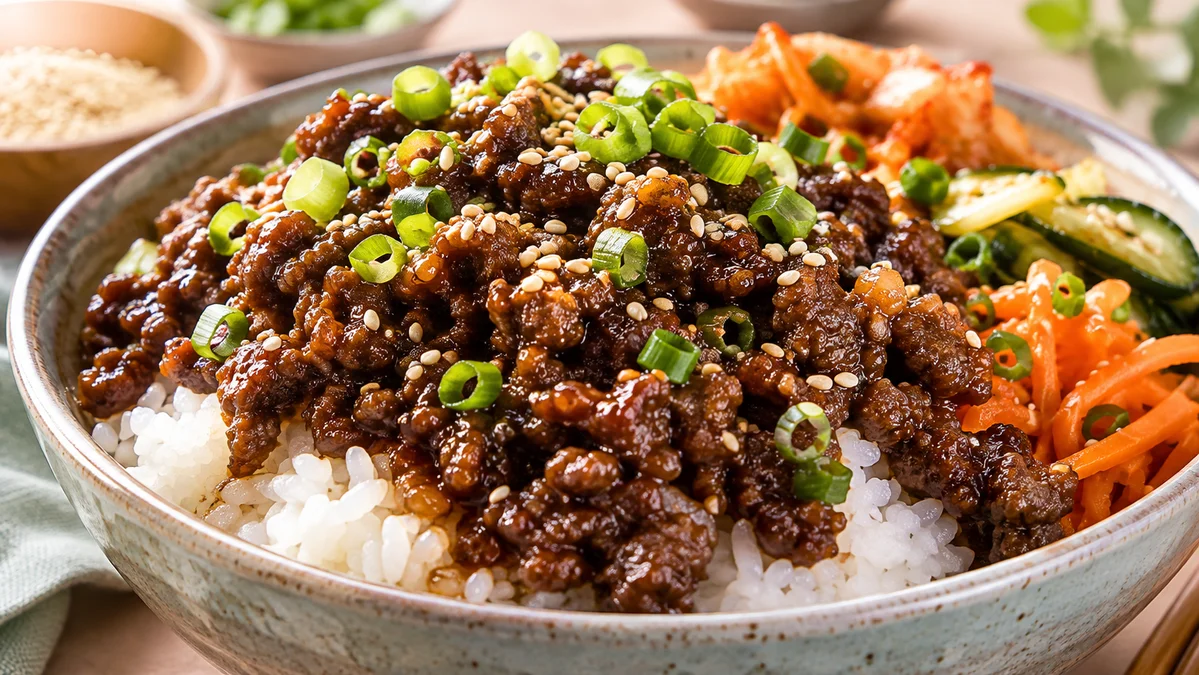
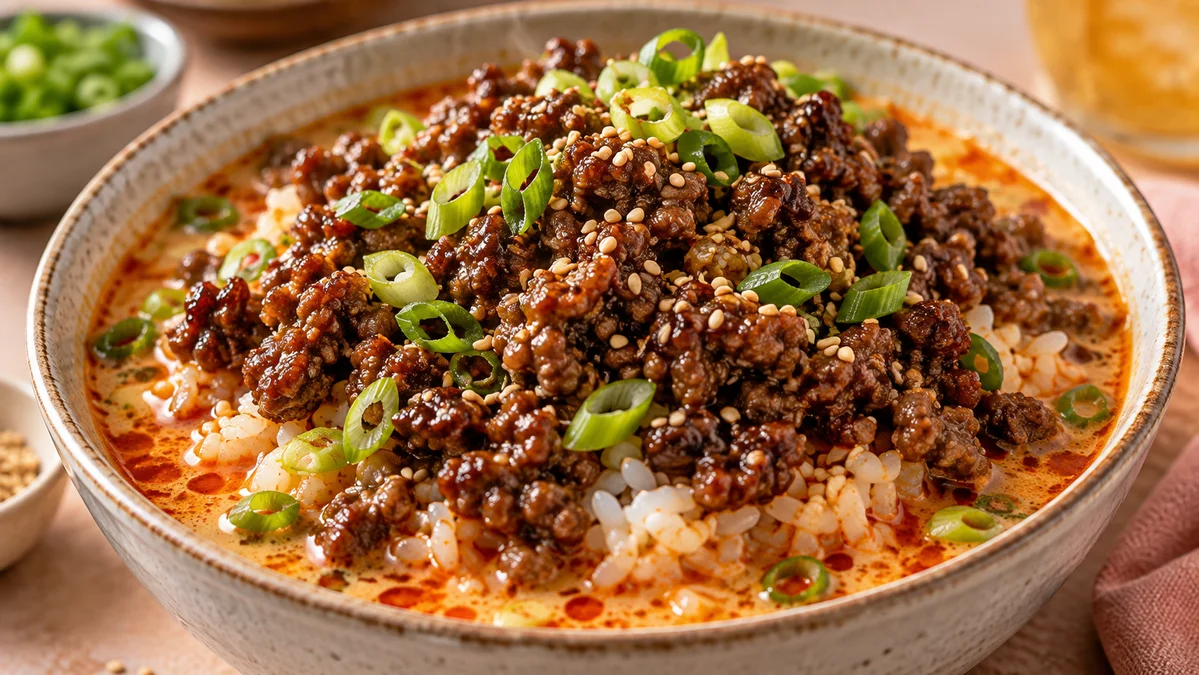
Spoon the glazed Korean beef generously over the rice, making sure to scrape in every last drop of the sticky pan sauce, because that sauce is liquid gold and carries most of the flavor. Arrange your fresh toppings around the edge in neat, colorful clusters: a spoonful of kimchi for tang and gentle heat, some julienned cucumber and shredded carrot for cool crunch, and, if you like, a sunny-side-up fried egg with a runny yolk that transforms the bowl into an even heartier, protein-packed meal. Keeping toppings separate lets each person customize their own bowl and keeps textures distinct instead of turning everything into a mash.

Step 8

Finish the bowls with a generous shower of toasted sesame seeds and the reserved dark-green scallion tops, then drizzle a few drops of toasted sesame oil over each serving for a final aromatic flourish that ties the whole dish together. Serve immediately while the rice is hot and the beef is glistening, because this dish is at its absolute best fresh from the pan. If you are meal-prepping, pack the beef and rice in separate containers and add the crisp toppings just before eating so nothing turns soggy. Leftovers keep beautifully in the fridge, and the bowl is just as delicious gently reheated the next day.

For best results

  • Choose the right fat ratio for ground beef and your bowl will taste twice as good. An 85/15 lean-to-fat blend is the sweet spot for this recipe: it has enough fat to brown deeply and carry flavor, yet not so much that the sauce turns greasy and separates. If you only have 90/10 or even 93/7 on hand, add an extra teaspoon of toasted sesame oil to the pan before browning so the meat still caramelizes instead of drying out and steaming. Conversely, if you are working with a fatty 80/20 blend, drain all but about a tablespoon of the rendered fat after browning, otherwise the final sauce will slide off the meat rather than clinging to it. The fat is flavor, but the balance is everything.
  • Toast your sesame seeds and bloom your aromatics for restaurant-level depth. Raw sesame seeds taste pale and slightly bitter, so toast them in a dry skillet over medium heat for 2 to 3 minutes, tossing often, until they smell nutty and turn one shade darker — then pull them off immediately, because they go from toasty to burnt in seconds. Likewise, giving the garlic and ginger 30 to 45 seconds in the hot fat before the sauce goes in wakes up their fat-soluble flavor compounds. This tiny extra step is the difference between a good bowl and an unforgettable one, and it takes less time than reading this sentence.
  • Rice is not an afterthought here — it is half the dish. Jasmine rice is ideal because its fluffy, slightly sticky texture soaks up the sauce without turning mushy, but short-grain sushi rice works beautifully too if you want a chewier, more classic Korean feel. Always rinse your rice under cold water until it runs clear before cooking, which removes surface starch and keeps the grains distinct. Rinse, then cook with a 1:1.2 rice-to-water ratio for a firmer grain that holds up under sauce. A splash of rice vinegar and a pinch of salt after cooking gives the rice a subtle backbone so it does not taste flat beneath the bold beef.
  • Resist the urge to stir the ground beef constantly — browning requires patience. The instinct when cooking ground meat is to break it apart and toss it nonstop, but that keeps the meat's surface temperature low and steams it gray instead of searing it brown. Instead, press the beef into a flat layer, let it sit undisturbed for 3 to 4 minutes to develop a crust, then flip and break it up. Those caramelized bits are concentrated flavor, and they are the reason a 20-minute bowl can taste like it simmered all day. If you are cooking for a crowd, brown the beef in two batches so the pan never gets overcrowded and steams.
  • Learn to balance the sauce by tasting, not by measuring blindly. Soy sauces vary wildly in saltiness, gochujang varies in sweetness and heat, and honey and mirin differ in their sugar content, so no single recipe can account for every brand in your pantry. Taste the whisked sauce before it hits the pan and adjust: too salty, add sugar; too sweet, add soy; too flat, add a splash of rice vinegar or a pinch of gochugaru. This habit of tasting as you go is what separates confident cooks from recipe-followers, and it takes seconds. Write down what you adjusted so you can nail your personal sweet spot next time.
  • Build the bowl with texture in mind and it will never feel one-note. The beef and rice are soft, so the toppings should bring contrast: cool, crunchy cucumber; crisp, slightly sour kimchi; shredded carrot for sweetness; a runny fried egg for richness; and toasted sesame seeds for a subtle crunch. Even a small handful of quick-pickled red onion or a sprinkle of crushed roasted seaweed adds a bright, salty snap. Aim for at least two crunchy elements per bowl, and add them at the very end so they stay crisp against the hot beef. This is the difference between a good weeknight dinner and one people request by name.
  • Meal prep and storage are where this recipe earns its keep in a busy week. The cooked beef mixture keeps in an airtight container in the refrigerator for up to 4 days and actually deepens in flavor overnight as the sauce permeates the meat. Store the rice in its own container and reheat it with a splash of water, covered, in the microwave so it steams back to fluffy life. Keep the crisp toppings — cucumber, scallions, sesame seeds — separate and add them fresh. To freeze, portion the cooled beef into freezer bags, press flat, and freeze for up to 3 months; thaw overnight in the fridge and reheat gently on the stovetop.
  • Gluten-free and lower-sodium eaters can enjoy this bowl with two easy swaps. Replace the soy sauce with tamari or a certified gluten-free coconut aminos, and double-check that your gochujang is labeled gluten-free, as many traditional brands contain wheat. To cut sodium, use a low-sodium soy sauce, skip any added salt in the beef (the soy is plenty), and lean on rice vinegar and sesame oil for flavor instead. The dish loses none of its character with these adjustments. As always, taste and adjust, because coconut aminos are noticeably sweeter and less salty than soy, so you may want a touch more rice vinegar to brighten the final sauce.

Variations

  • Swap the beef for ground turkey or chicken for a lighter, leaner bowl that still delivers big flavor. Use 1 pound of ground turkey (preferably dark meat for moisture, or 93/7 if you want it extra lean) and follow the recipe exactly, but add an extra teaspoon of toasted sesame oil to the pan before browning since poultry has less fat and can dry out quickly. Because turkey is milder, bump up the garlic by one clove and add a teaspoon of gochugaru for richness. The result is a 30-minute, high-protein dinner that lands around 380 calories per serving while still tasting deeply savory and satisfying.
  • Go classic with a beef bulgogi-inspired version using thinly sliced ribeye or sirloin instead of ground meat. Freeze the steak for 20 minutes to firm it up, then slice it paper-thin against the grain. Marinate the slices in the soy, sugar, honey, sesame oil, garlic, and ginger for at least 30 minutes (or overnight for maximum tenderness), then sear them in a screaming-hot skillet in a single layer for 1 to 2 minutes per side. The marinade's sugar caramelizes into a lacquered glaze, and you get that unmistakable Korean barbecue flavor with tender, juicy ribbons of beef. Serve over rice with the same toppings for a steakhouse-worthy bowl at home.
  • Turn up the heat with a spicy gochujang-forward version. Increase the gochujang to 2 tablespoons and add 1 to 2 teaspoons of gochugaru (Korean red pepper flakes) along with a teaspoon of minced garlic-chili paste if you like serious warmth. Bloom the gochujang in the hot fat for 30 seconds before adding the sauce, which deepens its fermented complexity and tempers its raw edge. Top the bowl with extra kimchi and a drizzle of chili oil for a fiery, bold dinner. If you want the heat without the intensity, cut the gochujang back to a teaspoon and rely on a pinch of gochugaru for gentle warmth.
  • Make it plant-based with crumbled extra-firm tofu, tempeh, or finely chopped mushrooms. Press a block of extra-firm tofu for 15 minutes to remove excess water, then crumble it and pan-fry in sesame oil until golden and crisp before adding the aromatics and sauce — this browning step is essential for texture and flavor. Tempeh offers a nutty, firm bite, while a mix of shiitake and cremini mushrooms brings an earthy, meaty depth. Add a teaspoon of miso paste to the sauce for an umami boost that mimics the savoriness of beef, and finish with the same sesame-scallion garnish.
  • Think beyond the bowl and turn this Korean beef into tacos, lettuce wraps, or a rice cake stir-fry. For tacos, spoon the glazed beef into warm corn tortillas and top with kimchi, pickled carrots, and a lime-cream drizzle for a Korean-Mexican fusion. For lettuce wraps, pile the beef into crisp butter lettuce leaves with cucumber and scallions for a fresh, low-carb handheld. Or toss the beef with chewy Korean rice cakes (tteokbokki) and a splash of water to make a spicy, satisfying stir-fry. Each variation uses the same 20-minute base and opens up a whole week of dinners.
  • Go low-carb with cauliflower rice or a shredded cabbage base for a lighter, keto-friendly bowl. Pulse cauliflower florets in a food processor until they resemble rice, then sauté in a little sesame oil for 4 to 5 minutes until tender and slightly toasted — this removes the raw, sulfurous bite. Alternatively, use a base of finely shredded cabbage or zucchini noodles for crunch. Because these bases do not absorb sauce the way real rice does, spoon the beef over them while hot and add an extra drizzle of sesame oil so the bowl still tastes rich and balanced.
  • Add extra vegetables to stretch the meal and boost nutrition on a budget. Sauté a bag of coleslaw mix or frozen stir-fry vegetables with the aromatics, or fold in blanched broccoli florets, julienned bell peppers, and shelled edamame right before serving. Spinach wilts into the hot beef in seconds and adds iron and color. This is the economical move for feeding a family of four on a small budget, and it turns a meat-centric bowl into a balanced, veggie-packed meal that still comes together in well under 30 minutes.

Nutrition

  • Calories520 kcal
  • Total Fat24g
  • Saturated Fat8g
  • Cholesterol85mg
  • Sodium780mg
  • Total Carbohydrates46g
  • Dietary Fiber2g
  • Sugars10g
  • Protein30g

Common Questions

Can I make this Korean ground beef bowl with ground turkey or chicken instead of beef?
Absolutely, and it is one of the most popular ways to lighten this recipe. Substitute an equal weight of ground turkey or chicken and follow the same method, but add an extra teaspoon of toasted sesame oil to the pan before browning, since poultry has less fat and tends to dry out. Dark-meat turkey stays juicier than white meat, and if you use very lean 99% chicken, consider a splash of chicken broth or water in the pan to keep the crumbles tender. Because poultry is milder in flavor, you can bump up the garlic, ginger, and gochujang slightly to compensate. The finished dish tastes remarkably close to the beef version and comes in slightly lower in calories and saturated fat.
How spicy is this dish, and how do I make it milder or hotter?
With just 1 tablespoon of gochujang, this bowl is gently warm rather than fiery — most people would describe it as a mild, pleasant heat. Gochujang varies by brand, though, so if you are sensitive to spice, start with 1 teaspoon and taste the sauce before adding more. To make it milder still, omit the crushed red pepper flakes and reduce the gochujang; a spoonful of honey will also soften the burn. To make it noticeably hotter, increase the gochujang to 2 tablespoons and stir in gochugaru or a drizzle of chili oil at the end. Remember that heat builds as the sauce reduces, so err on the milder side and adjust at the table.
How long do leftovers last, and what is the best way to store them?
Stored properly, the cooked beef mixture keeps in an airtight container in the refrigerator for up to 4 days, and it often tastes even better on day two as the sauce soaks into the meat. Keep the rice in a separate container so it does not turn soggy, and store the crisp toppings like cucumber and scallions apart as well. Reheat the beef gently in a skillet or microwave with a splash of water to loosen the glaze, and reheat the rice covered so it steams back to life. For longer storage, freeze the cooled beef in a flat freezer bag for up to 3 months. Always reheat until steaming hot, and discard anything that smells off.
Can I freeze this Korean ground beef recipe?
Yes, this dish freezes beautifully, which makes it a fantastic make-ahead meal. Let the cooked beef mixture cool completely, then portion it into freezer-safe bags or containers, pressing out excess air and flattening the bags for quick thawing. It will keep for up to 3 months at 0°F. Thaw overnight in the refrigerator, then reheat in a covered skillet over medium-low heat with a tablespoon of water, stirring until glossy and hot. Cooked rice also freezes well — portion it into single servings and microwave from frozen with a splash of water and a cover. Do not freeze the fresh cucumber or scallion toppings, as they turn limp and watery.
What type of rice works best for these bowls?
Short and medium-grain varieties are the traditional choice, and jasmine rice is the most popular because it is fragrant, fluffy, and slightly sticky, soaking up the sauce without turning to mush. Sushi rice or Calrose works wonderfully too if you prefer a chewier, rounder grain. Long-grain basmati is fine but stays more separate and absorbs less sauce. Whichever you choose, rinse it until the water runs clear, then cook with a ratio of roughly 1 cup rice to 1.2 cups water for grains that hold their shape under the beef. A teaspoon of rice vinegar after cooking brightens the flavor so the base does not taste flat.
Is this recipe gluten-free, and how do I adapt it?
As written, this recipe is not automatically gluten-free because standard soy sauce and many gochujang brands contain wheat. To make it gluten-free, swap the soy sauce for tamari or a certified gluten-free coconut aminos, and check that your gochujang carries a gluten-free label — many traditional Korean brands do include wheat. Coconut aminos are naturally sweeter and less salty than soy, so you may want to reduce the added sugar slightly and add a splash of rice vinegar to keep the balance bright. With those two simple swaps, the entire bowl becomes safe for a gluten-free diet without losing any of its bold, savory character.
Can I use ground pork or a mix of meats instead of beef?
Ground pork is an excellent substitute and is actually used in many Korean home kitchens for its rich flavor and juiciness. Use an equal weight and follow the method exactly, though you may want to drain a little more of the rendered fat, since pork tends to be fattier than beef. A 50/50 blend of ground beef and pork creates an especially flavorful, classic Korean-style bowl. If you have leftover cooked meat like shredded chicken or roasted pork, you can fold it into the finished sauce and simmer for 2 minutes to heat through. Whatever the protein, the golden rule remains the same: brown it well, then let the sweet-savory sauce glaze every piece.
What should I serve with a Korean ground beef bowl to make it a complete meal?
The bowl is already a balanced meal in itself with protein, carbs, and veggies, but a few simple sides round it out beautifully. Steamed broccoli, garlicky spinach, or a cucumber-scallion salad add freshness and greens, while a bowl of miso soup or a Korean seaweed soup makes it feel like a full restaurant spread. For a fun family night, serve it with kimchi, pickled radish, and extra gochujang on the side so everyone can customize. A crisp lager or a glass of slightly sweet white wine pairs surprisingly well with the soy-garlic glaze, and a small scoop of mango sorbet or green tea ice cream finishes the meal on a light note.

Notes

This Korean ground beef bowl started as a solution to a familiar problem: it is 6 p.m., everyone is hungry, the fridge is half-empty, and the last thing I want to do is run to the store. I had a pound of ground beef and a pantry of Asian staples, so I threw together a quick sweet-savory sauce, spooned it over leftover rice, and piled on whatever crunchy vegetables I could find. The first bite stopped me cold. It tasted like the beef bulgogi I grew up eating at Korean barbecue restaurants, but it had taken less than twenty minutes from a cold skillet to a steaming bowl. I have made some version of it nearly every week since, and it has become the single most-requested dinner in my house.The roots of this dish trace back to bulgogi, one of Korea’s most beloved culinary traditions. Traditionally, bulgogi is made with thin slices of marinated beef — sugar, soy, sesame, garlic, and ginger are the classic building blocks — grilled over an open flame and wrapped in lettuce or served over rice. That marinade is the soul of Korean cooking: a careful dance between salty, sweet, nutty, and savory, with a gentle fermented kick from chili paste. My ground-beef version is a shortcut, not a replacement. It borrows the exact same flavor architecture but skips the marinating and grilling, which is precisely why it works so well for a weeknight. When you cannot find thinly sliced ribeye and cannot wait an hour for a marinade to do its work, ground beef delivers that same crave-worthy flavor in a fraction of the time.What I love most about this bowl is how forgiving and flexible it is. The sauce is a template, not a rulebook. If your soy sauce is especially salty, you add a little honey; if your gochujang is fiery, you pull back; if you have leftovers in the fridge, you fold them in. This is the kind of cooking I lean on as a budget-minded cook — the kind that uses what you have, wastes nothing, and still tastes like a treat. The ground beef is one of the most affordable proteins at the butcher counter, rice is pennies per serving, and the toppings can be anything crisp and fresh you already own. For less than the price of a single takeout bowl, you can feed a family of four with food that genuinely feels special.When it comes to serving, I like to set up a little bar. I put out bowls of kimchi, julienned cucumber, shredded carrot, and a jar of toasted sesame seeds, plus a fried egg for anyone who wants extra richness. Letting people build their own bowl makes the meal interactive and means picky eaters can leave off what they do not want without complaint. The runny yolk of a fried egg, in particular, is a game-changer — it melts into the glossy beef and the rice, tying every element together into something almost decadent. A drizzle of toasted sesame oil at the end is non-negotiable in my kitchen; it is the last thing that hits the bowl and the first thing you smell.If you are new to cooking, this is a wonderful recipe to cut your teeth on, because it teaches three essential techniques in one pan: browning ground meat properly without steaming it, blooming aromatics in hot fat, and reducing a sauce until it glazes. Master those three moves and you can cook almost anything. My biggest piece of advice is to read the whole recipe once before you start and to have everything chopped and measured before the pan gets hot — this bowl moves fast, and there is no time for last-minute mincing once the garlic is in the fat. Set out your bowls, warm your rice, and take a breath.Finally, a word on leftovers, because this recipe is quietly brilliant at meal prep. The beef actually gets better overnight as the sauce penetrates every crumble, so a Sunday batch carries you deep into the week. Just keep the rice and the crisp toppings separate and assemble fresh each day. Whether you are feeding a family on a budget, meal-prepping for a busy week, or simply craving that sweet-savory Korean flavor on a random Tuesday, this 20-minute Korean ground beef bowl is proof that fast food does not have to come in a paper bag. I hope it earns a permanent spot in your rotation the way it has in mine — and that you adjust it, bend it, and make it entirely your own. Happy cooking, and enjoy every last sticky, glistening bite.

Korean Beef Rice Bowl with Sesame Garlic Sauce

Korean Beef Rice Bowl with Sesame Garlic Sauce
Korean Beef Rice Bowl • High-Protein Korean Beef Bowl • Budget Meals Under $10

⏱️ Prep: PT10M
🔥 Cook: PT20M
⏳ Total: PT30M
🍽️ Yield: 4 servings
⚡ Calories: 520 kcal
(284)
Rate this recipe:
Korean Beef BowlGround Beef Dinner30 Minute MealBudget DinnerHigh ProteinSesame Garlic SauceEasy Weeknight Dinner

This Korean beef rice bowl with sesame garlic sauce is a 30-minute, budget-friendly dinner with glossy ground beef, fluffy rice, and crunchy veggies.

Ingredients

Toggle: Metric / US

Instructions

Step 1

Before the pan ever touches the heat, set yourself up for success by prepping and lining up every single component within arm’s reach on the counter. This dish moves quickly once it starts, so you will have roughly ten minutes of active cooking time and zero minutes for hunting down a stray bottle of soy sauce in a crowded pantry. Mince the garlic and grate the ginger first, because they go into the pan together and will burn in seconds if you are still chopping while they sizzle. Whisk the soy sauce, brown sugar, rice vinegar, gochujang, and black pepper together in a small bowl, then stir the cornstarch into 2 tablespoons of cold water in a separate cup and keep it nearby. Slice the cucumber, shred the carrots, and chop the scallions, then store the vegetables in the refrigerator so they stay cold and crisp while you cook. Finally, measure out your rice and get it started in the rice cooker or on the stovetop so that hot, fluffy rice is ready the moment the beef comes off the heat.

Step 1 image
Step 2

Cook the rice properly by rinsing 1 1/3 cups of dry jasmine rice under cool running water until the water runs mostly clear, which removes surface starch and keeps the grains separate instead of gluey. Combine the rinsed rice with 2 2/3 cups of water and a small pinch of salt in a heavy saucepan, bring it to a rolling boil uncovered, then immediately reduce the heat to the lowest setting, cover tightly, and cook for 12 minutes without lifting the lid. Resist the urge to peek, because every time you lift that lid you release precious steam that is doing the actual cooking. When the timer goes off, turn off the burner and let the rice steam, still covered, for another 10 minutes. Fluff it gently with a fork or rice paddle. The finished rice should smell faintly sweet and nutty, look glossy but not wet, and hold its shape when you press a spoonful together.

Step 2 image
Step 3

Build the sesame garlic sauce in a small bowl or measuring cup so the flavors have a chance to marry before they hit the pan. Whisk together 1/3 cup low-sodium soy sauce, 3 tablespoons packed brown sugar, 1 tablespoon rice vinegar, 1 tablespoon gochujang, and 1/2 teaspoon cracked black pepper until the sugar dissolves completely and no gritty crystals remain at the bottom. The brown sugar does more than sweeten, it caramelizes against the hot beef and creates that sticky, glossy lacquer that makes takeout Korean beef so irresistible. The rice vinegar cuts through the richness and brightens the whole sauce, while the gochujang adds a slow, fermented heat and a deep brick-red color. In a separate tiny cup, whisk 1 teaspoon cornstarch into 2 tablespoons of cold water to make a slurry, and set it aside, because adding dry cornstarch directly to a hot pan produces lumps you cannot undo.

Step 4

Place a large 12-inch skillet or wok over medium-high heat and let it get genuinely hot for a full two minutes before adding anything. Add 1 tablespoon of toasted sesame oil and swirl it around the pan, then add the minced garlic and grated ginger. Stir constantly for only 25 to 35 seconds, just until the garlic smells sweet and fragrant and you see the tiniest hint of color at the edges. This is the single most important thermal moment in the recipe, because garlic and ginger go from aromatic to acrid and bitter in under a minute. If the garlic starts turning dark brown, pull the pan off the heat immediately, wipe it out, and start the aromatics over again at slightly lower heat. Toasted sesame oil has a low smoke point, so it should glisten and shimmer, never smoke aggressively, otherwise you are burning the fat and the flavor will turn harsh.

Step 5

Add 1 lb of lean ground beef to the fragrant oil and press it into an even, single layer across the bottom of the pan. Let it sit completely undisturbed for 2 to 3 minutes so a deep brown crust can form, because those browned bits, known as fond, are where the savory, roasted flavor lives. After that, break the beef into small, bite-sized crumbles with a wooden spoon or spatula, continuing to cook for 5 to 6 minutes until no pink remains and the meat is lightly caramelized. You want pieces roughly the size of a pea, not a fine mush, because texture matters in a rice bowl and you should feel the beef against your teeth. If your beef releases a lot of fat, carefully tilt the pan and spoon off the excess, leaving just about a tablespoon behind, so the finished sauce clings instead of floating in grease.

Step 6

Give your cornstarch slurry one more stir, since it settles quickly, whisk it into the bowl of sauce, then pour the entire sauce mixture over the browned beef. Reduce the heat to medium and let everything simmer for 2 to 3 minutes, stirring occasionally, until the sauce thickens enough to coat the back of a spoon and turns glossy and mahogany-dark. You will know it is ready when the liquid no longer pools at the bottom of the pan but instead clings to every crumble of beef like a shiny glaze. This is also the moment to drizzle in the final 1/4 teaspoon of toasted sesame oil off the heat, which preserves its toasty perfume rather than cooking it away. If the sauce reduces too far and looks sticky, splash in a tablespoon of water to loosen it back to a pourable consistency.

Step 7

Taste the beef and adjust the balance before you assemble anything, because the final flavor should be a harmonious tug-of-war between sweet, salty, savory, and gently spicy. If it tastes flat or one-note, add a splash more soy sauce for salinity or a few drops of rice vinegar for brightness. If it is too salty, a pinch more brown sugar or a squeeze of honey rounds it out, and if you want more heat, a teaspoon of gochugaru or Sriracha stirred in now does the trick. Remember that the rice and the mild, cooling cucumber will dilute the intensity considerably once assembled, so the beef should taste slightly bold and punchy on its own. Turn off the burner, leave the pan on the warm stovetop, and get ready to plate while everything is at its peak.

Step 8

Assemble the bowls by dividing the hot jasmine rice among four deep bowls, then spoon a generous mound of the glossy sesame garlic beef over the top, letting some of the sauce bleed into the rice, which is honestly the best bite of the whole dish. Fan the crisp cucumber slices and shredded carrots around the edge of each bowl for color, crunch, and a cooling contrast to the rich, caramelized meat, then shower everything with sliced scallions and toasted sesame seeds. For a truly knockout version, crown each bowl with a fried egg with a runny yolk that breaks and turns the sauce into a silky, golden gravy, plus a spoonful of kimchi on the side. Serve immediately while the rice is steaming and the vegetables are still cold and snappy, and refrigerate any leftovers in an airtight container for up to 4 days.

For best results

  • Choose the right ground beef for the job and you will notice it in every bite. An 85/15 lean-to-fat ratio is the sweet spot for this Korean beef rice bowl, because that modest amount of fat renders out and helps the meat brown and caramelize rather than steam in its own juices. Ground beef that is 90/10 or leaner tends to cook up dry and crumbly, while 80/20 can leave the sauce greasy unless you carefully drain it. If you are working with an extra-lean blend, add an extra half tablespoon of toasted sesame oil to the pan to compensate for the missing fat, and consider cooking the beef in two smaller batches so it sears instead of simmering.
  • Toast your sesame seeds and your sesame oil is not the same thing, and this distinction trips up a lot of home cooks. Raw white sesame seeds need just 2 to 3 minutes in a dry skillet over medium heat, stirred constantly, until they turn golden and start to pop and smell nutty, and then they should be immediately poured onto a plate to cool so they do not scorch in the hot pan. Likewise, toasted sesame oil is a finishing oil, not a frying oil, with a smoke point around 410F but an intensely volatile aroma that burns off under prolonged high heat. Adding a small drizzle at the very end of cooking preserves that unmistakable toasty perfume.
  • The cornstarch slurry is the quiet hero of this recipe, and understanding it will upgrade every stir-fry sauce you make from now on. Cornstarch granules need to be dispersed in cold liquid first, because dropping them dry into a hot pan causes them to seize into unpleasant lumps. Once the slurry hits the simmering sauce, the heat causes the starch granules to swell and gelatinize, which is what turns a thin, watery sauce into the thick, clinging glaze that coats each crumble of beef. If your sauce still looks loose after 3 minutes, whisk another half teaspoon of cornstarch into cold water and add it, simmering for another minute until it visibly thickens.
  • For the crispiest, most refreshing vegetables, cut them right before serving and keep them in ice water until the last second. Soaking sliced cucumber and matchstick carrots in ice water for 10 minutes draws out some of their natural sugars and plumps up the cell walls, giving you that audible crunch that contrasts so beautifully against the soft, saucy beef. Pat them completely dry afterward, though, because wet vegetables will water down the sauce and make the rice soggy at the bottom of the bowl. If you are meal-prepping, store the vegetables separately from the beef and rice, and only combine them when you are ready to eat.
  • Meal prep this recipe like a pro and you will have four grab-and-go lunches that reheat in about 90 seconds. Cook the beef and sauce fully, then cool it completely before refrigerating, because trapping steam in a sealed container is what makes leftovers taste stale and sour. Store the rice, the beef, and the raw vegetables in three separate containers, and keep the sesame seeds in a tiny jar at room temperature so they stay crunchy. When reheating, warm only the beef and rice, then add the cold cucumbers, carrots, and scallions fresh on top. Properly stored, everything keeps beautifully for up to 4 days in the refrigerator.
  • Salt levels in soy sauce vary dramatically between brands, and this is the most common reason a batch of Korean beef turns out too salty. Low-sodium soy sauce generally contains around 575 mg of sodium per tablespoon, while regular soy sauce can push past 900 mg, so a recipe built on one will taste completely different with the other. Taste your sauce before it goes into the pan and adjust, and remember that reducing the sauce concentrates the salt. If you are watching sodium, use low-sodium soy sauce or coconut aminos and finish the dish with a squeeze of fresh lime to trick your palate into perceiving more flavor with less salt.
  • Do not crowd the pan, and if you have a smaller skillet, brown the beef in two batches. When too much cold meat hits a hot pan at once, the temperature plummets and the beef releases its moisture, effectively steaming itself gray instead of searing to a rich brown. Give the meat room, resist the urge to stir it constantly, and let the Maillard reaction do its work, because those browned, caramelized bits are the entire flavor backbone of the dish. A wide 12-inch skillet or a carbon steel wok gives you the most surface area for browning, and a splatter screen keeps your stovetop clean without trapping steam.
  • Balance is everything in Korean cooking, and the sweet-salty-sour-spicy equation is meant to be adjusted to your own taste. If the sauce tastes too sweet, add rice vinegar or a squeeze of lime, if it tastes too salty, add a touch of brown sugar or honey, if it needs depth, add a splash of fish sauce or a spoon of doenjang, and if it needs heat, gochugaru or Sriracha delivers it instantly. Treat the written measurements as a starting point rather than a rulebook, and taste at every stage. The perfect bowl should make you want to go back for a second spoonful before you have even swallowed the first.

Variations

  • Make it gluten-free without sacrificing any of the deep, savory flavor by swapping the soy sauce for tamari or coconut aminos, both of which deliver that same umami punch without wheat. Coconut aminos are naturally sweeter and less salty than soy sauce, so reduce the brown sugar to 2 tablespoons and taste before adjusting. Double-check that your gochujang is gluten-free, since some brands use wheat or barley in the fermentation, and look for a certified gluten-free label. Serve over the same jasmine rice, or try short-grain sushi rice or even cauliflower rice for a lower-carb, gluten-free bowl that still feels satisfying.
  • For a lighter, higher-protein version that fits beautifully into a macro-tracking week, substitute ground turkey or ground chicken for the beef. Because poultry is leaner and milder, add an extra teaspoon of toasted sesame oil to the pan and a splash of soy sauce to compensate for the missing richness. Ground turkey breast can dry out quickly, so watch it carefully and pull it off the heat the moment it is no longer pink. You can also swap half the rice for riced cauliflower to shave off carbohydrates while keeping the bowl generous and filling, and add a soft-boiled egg for extra protein.
  • Turn this into a bold, spicy Korean beef bowl by doubling the gochujang and adding a teaspoon of gochugaru Korean chili flakes along with the aromatics. Toasted gochugaru blooms in the oil and releases a fruity, smoky heat that is completely different from the fermented punch of the paste. Finish the bowl with a drizzle of spicy mayo made from mayonnaise and Sriracha, and top it with pickled radish or kimchi for tang. If you love heat, this version will absolutely deliver, and the cooling cucumber keeps it from becoming overwhelming.
  • Vegetarian and vegan eaters can enjoy this exact flavor profile by replacing the beef with crumbled extra-firm tofu or rehydrated soy curls. Press the tofu for at least 20 minutes to remove excess water, then crumble it and pan-fry it in sesame oil until the edges are deeply golden and crisp before adding the sauce. Soy curls, once soaked and drained, have a remarkably meaty texture that soaks up the sesame garlic glaze beautifully. Use tamari instead of soy sauce to keep it fully plant-based, and add a handful of shelled edamame for extra protein and a pop of bright green color.
  • Transform the leftovers into a completely new meal by turning them into Korean beef rice bowls with a crispy rice crust. Press the leftover rice into a lightly oiled skillet and let it cook undisturbed over medium heat until the bottom turns golden and crackly, then pile the reheated beef on top. You can also stuff the filling into lettuce cups for a lighter, low-carb wrap, fold it into a quesadilla with mozzarella for a Korean-Mexican mashup, or toss it with ramen noodles and a splash of broth for a quick, slurpable beef noodle soup. Nothing about this recipe goes to waste.

Nutrition

  • Calories520 kcal
  • Total Fat22g
  • Saturated Fat7g
  • Cholesterol75mg
  • Sodium890mg
  • Total Carbohydrates52g
  • Dietary Fiber3g
  • Sugars12g
  • Protein30g

Common Questions

Can I make this Korean beef rice bowl ahead of time?
Yes, and it is one of the best make-ahead dinners in my rotation. Cook the beef and sauce completely, cool it uncovered for about 20 minutes so steam does not get trapped, then transfer it to an airtight container and refrigerate for up to 4 days. Keep the rice, cooked vegetables, and fresh cucumbers in separate containers so nothing turns soggy or mushy. When you are ready to eat, reheat only the beef and rice in the microwave or a skillet, then top with the cold, crisp vegetables and a fresh scattering of sesame seeds.
How do I keep the ground beef from turning out dry and crumbly?
The two biggest culprits are using meat that is too lean and cooking it too long. Stick with an 85/15 blend, which has just enough fat to keep the crumbles juicy and to help them brown rather than steam. Also, avoid breaking the beef into a fine powder with your spoon; leave it in small, pea-sized crumbles so it retains texture and moisture. Finally, pull the pan off the heat as soon as the sauce thickens, because continued cooking on residual heat will dry the meat out further.
Is this dish very spicy?
Not at all by default, which is why it works so well for families with mixed spice tolerance. One tablespoon of gochujang across four servings adds a gentle, fermented warmth and deep color more than any real burn, and it is entirely optional. If you are serving kids or spice-averse eaters, simply leave the gochujang out or serve it on the side so people can add their own. If you want more heat, stir in gochugaru, Sriracha, or extra gochujang at the end and taste as you go.
What is the best rice to serve with Korean beef?
Short-grain or medium-grain rice like sushi rice or Calrose is the traditional choice and gives you that plump, slightly sticky texture that clings to the sauce and soaks it up beautifully. Jasmine rice, which I use here, is a fragrant long-grain option that stays fluffy and separate, and it is what most people already have in the pantry, making it the most budget-friendly pick. If you are watching carbohydrates, cauliflower rice, brown rice, or even a mix of half rice and half riced cauliflower all work wonderfully.
Can I use a different protein instead of ground beef?
Absolutely, this sauce is incredibly versatile. Ground turkey, ground chicken, ground pork, and even ground lamb all work beautifully with the same measurements, though poultry cooks faster so keep an eye on it. Thinly sliced ribeye or sirloin, marinated in the sauce for 20 minutes and then stir-fried hot and fast, gives you a classic bulgogi-style bowl. For a plant-based version, crumbled extra-firm tofu or rehydrated soy curls absorb the sesame garlic glaze remarkably well and deliver the same satisfying texture.
Why did my sauce turn out too salty or too sweet?
Soy sauce brands vary wildly in sodium, so the same recipe can taste completely different depending on what is in your cabinet. If your sauce is too salty, add a pinch more brown sugar or a squeeze of honey, plus a splash of water to dilute it. If it is too sweet, a few drops of rice vinegar or fresh lime juice will sharpen it back into balance. Always taste the sauce before it goes into the pan, and again after it reduces, because concentrating the sauce concentrates both the salt and the sugar.
Can I freeze the Korean beef mixture?
Yes, the cooked beef and sauce freeze beautifully for up to 3 months. Cool it completely, then portion it into freezer-safe bags or containers, pressing out as much air as possible to prevent freezer burn. Thaw it overnight in the refrigerator rather than on the counter for food safety, then reheat gently in a skillet with a splash of water to loosen the sauce. I do not recommend freezing the cooked rice and raw vegetables together with the beef, so keep everything separate for the best texture.
What can I do with the leftovers?
Leftover Korean beef is arguably even better the next day once the flavors have melded, and it is endlessly adaptable. Pile it into lettuce cups, fold it into a quesadilla with shredded mozzarella, toss it with ramen noodles and broth for a quick soup, or press the rice into a hot skillet to make a crispy rice cake topped with the reheated beef. It also makes a fantastic filling for sliders, stuffed peppers, or a Korean-inspired breakfast hash with a fried egg on top.

Notes

This Korean beef rice bowl was born out of one of those frantic Tuesday evenings when the fridge was nearly empty, the takeout app was showing a 45-minute wait, and the only protein left in the freezer was a pound of ground beef. I had soy sauce, brown sugar, garlic, and a jar of gochujang that had been languishing in the door for months, and within half an hour my kitchen smelled like the inside of a Korean barbecue restaurant. That first accidental bowl was so good that my family demanded it again the next week, and it quietly became the most requested dinner in our house, the kind of recipe that gets scribbled on a sticky note and passed to neighbors.The dish draws its inspiration from Korean bulgogi, the sweet and savory marinated grilled beef that is one of the cornerstones of Korean cuisine, but it adapts those flavors for a weeknight budget. Traditional bulgogi uses thinly sliced ribeye and a marinade built around soy sauce, sugar, sesame oil, garlic, ginger, and often pear or onion puree for sweetness and tenderizing. Swapping in affordable ground beef brings the same sweet-salty-sesame profile to the table for a fraction of the cost, and it cooks in a single skillet in under fifteen minutes, which is why this recipe fits so naturally into a budget meals under ten dollars rotation. The gochujang is my own addition, a fermented chili paste that adds depth, color, and a gentle heat that makes the bowl taste far more complex than its short ingredient list suggests.What I love most about this recipe is how forgiving and adaptable it is. It does not demand a trip to a specialty market, it uses pantry staples you probably already own, and it comes together with one pan and one pot of rice. I serve it family-style with the vegetables fanned around the bowl because everyone in my house builds their own version, one kid skipping the cucumber entirely, my husband piling on extra kimchi and a fried egg, and me sneaking an extra drizzle of sesame oil at the very end. Leftovers reheat beautifully and have saved me from more expensive lunch runs than I can count, and the whole thing lands on the table in the same amount of time it would take to drive to a restaurant and back.If you make this Korean beef rice bowl with sesame garlic sauce, my one hope is that it becomes your own weeknight shortcut, the recipe you turn to when you want something that tastes like a treat but costs almost nothing. Serve it with a cold cucumber salad, a bowl of kimchi, and plenty of napkins, because the sauce is gloriously sticky. And if you happen to crown it with a runny fried egg, you will understand exactly why this bowl beats takeout every single time.

Hot Honey Sweet Potato Beef Bowls with Roasted Sweet Potatoes

Hot Honey Sweet Potato Beef Bowls with Roasted Sweet Potatoes
Hot Honey Sweet Potato Beef Bowls • High-Protein Ground Beef Dinner • 30-Minute Meals

⏱️ Prep: PT10M
🔥 Cook: PT20M
🍞 Baking: PT20M
⏳ Total: PT30M
🍽️ Yield: 4 servings
⚡ Calories: 620 kcal
(284)
Rate this recipe:
Hot HoneySweet PotatoGround BeefHigh-Protein Dinner30-Minute MealEasy Dinner

Sweet, spicy, and ready in 30 minutes, these hot honey sweet potato beef bowls feature roasted sweet potatoes, seasoned ground beef, creamy avocado, and a bold hot honey drizzle for…

Ingredients

Toggle: Metric / US

Instructions

Step 1

Preheat your oven to 425°F (220°C) and position a rack in the center. While the oven heats, gather every ingredient on the counter so you are not scrambling later. This recipe moves quickly once the sweet potatoes hit the pan, and having the spices, hot honey, rice, and toppings within arm’s reach is the difference between a calm 30-minute dinner and a chaotic one. Scrub the sweet potatoes well under cool running water, then pat them completely dry. Dry potatoes are essential because surface moisture steams instead of roasts, which prevents the deep caramelization that gives these bowls their signature sweet-and-savory contrast. Leave the skins on if you enjoy extra fiber and texture, or peel them if you prefer a more tender bite. Cut them into uniform 1-inch cubes. Uniform size is not fussiness; it guarantees that every cube finishes roasting at the same time, so you never get a bowl of burnt edges and raw centers. In a large bowl, toss the sweet potato cubes with 1 tablespoon olive oil, 1/2 teaspoon smoked paprika, 1/2 teaspoon garlic powder, 1/2 teaspoon onion powder, and a pinch of kosher salt. Spread them in a single layer on a rimmed baking sheet, leaving space between cubes. If they are crowded, they will steam and turn soft rather than caramelize. Use two sheets if needed. Roast for 18 to 20 minutes, flipping once halfway through, until the edges are deeply browned, the centers are fork-tender, and the kitchen smells smoky-sweet.

Step 1 image
Step 2

While the sweet potatoes roast, cook the rice. If you are using jasmine rice, rinse it until the water runs clear, then simmer 1 cup rice with 1 1/2 cups water and a pinch of salt for 12 to 15 minutes. Rinsing removes excess surface starch, which keeps the rice fluffy instead of gluey under the saucy beef. If you are using cauliflower rice for a lower-carb bowl, warm it in a skillet with a teaspoon of olive oil for 4 to 5 minutes, just until tender and fragrant. Do not overcook it, or it will release water and make the bowl soggy. When the rice is done, fluff it with a fork, cover it, and set it aside. At this point, also whisk together the hot honey in a small bowl. If your honey is thick, warm it for 10 to 15 seconds in the microwave so it drizzles easily. Taste the hot honey before using it; different chili flakes vary wildly in heat, and you want a bold but balanced sweet-spicy kick, not a mouth-numbing burn. If it is too spicy, whisk in an extra teaspoon of honey. If it is too mild, add a pinch more red pepper flakes and let it steep for a minute.

Step 2 image
Step 3

Heat a large skillet over medium-high heat and add the remaining 1 tablespoon olive oil. When the oil shimmers but does not smoke, add the ground beef. Press it into an even layer and let it sear undisturbed for 3 to 4 minutes. This undisturbed sear is where flavor begins: the beef develops a browned, savory crust instead of steaming in its own juices. After the first side is deeply browned, break the meat into small crumbles with a wooden spoon or spatula. Continue cooking for another 3 to 4 minutes, stirring occasionally, until no pink remains and the crumbles are juicy but not watery. If your beef releases a lot of liquid, continue cooking until the liquid evaporates and the meat begins to sizzle again. That sizzle is your cue that the beef is ready to absorb the seasoning and hot honey glaze. Spoon off excess fat only if there is more than a thin coating in the pan; a little fat carries flavor and helps the spices bloom.

Step 4

Reduce the heat to medium and add the remaining smoked paprika, garlic powder, onion powder, cumin, kosher salt, and black pepper directly over the beef. Stir constantly for 30 to 45 seconds. This brief toast wakes up the dried spices, making them taste richer and more fragrant. You will know they are ready when the aroma turns nutty and warm rather than raw and dusty. Pour in the soy sauce and apple cider vinegar. The soy sauce adds deep umami and salinity, while the vinegar cuts through the richness and brightens the whole skillet. Stir until the liquid mostly evaporates, about 1 minute. Then drizzle in the hot honey, tossing the beef until every crumble is glossy and coated. Let it bubble gently for 1 to 2 minutes so the honey reduces into a sticky glaze. Do not walk away: honey can scorch quickly. If the pan looks dry, add a tablespoon of water to loosen the glaze. The finished beef should look lacquered, smell sweet and smoky, and taste savory with a slow-building chili warmth.

Step 5

While the beef finishes, prepare the creamy topping and fresh garnishes. In a small bowl, stir together the Greek yogurt or sour cream with a squeeze of lime juice and a pinch of salt. This creamy element is not optional in my kitchen; it cools the hot honey, adds a tangy contrast, and makes the bowl feel luxurious without heavy cream. Slice the avocado only when you are ready to serve, because it browns quickly once exposed to air. If you need to prep it ahead, brush the slices with lime juice and press plastic wrap directly onto the surface. Thinly slice the green onions, chop the cilantro, and cut the remaining lime into wedges. If you are using red cabbage or broccoli slaw, toss it with a tiny pinch of salt and a squeeze of lime. This quick massage softens the cabbage just enough to make it tender while keeping its crunch. Set all toppings aside in small bowls so everyone can build their own perfect combination.

Step 6

To build the bowls, start with a generous bed of warm rice or cauliflower rice. For a restaurant-style look and better texture distribution, spread the rice in a wide, shallow bowl rather than a deep one. Add a handful of the roasted sweet potatoes, then spoon the glazed hot honey beef over the top. The heat from the rice and beef will gently warm the toppings that follow. Tuck the shredded cabbage or slaw alongside the beef for a crisp, fresh counterpoint. Add a few slices of avocado and a generous dollop of the lime yogurt. Drizzle the bowl with any remaining hot honey from the pan, but be careful: a little goes a long way. Finish with cilantro, green onions, and optional pickled jalapenos, sesame seeds, or shredded cheddar. The final bowl should look colorful and layered, with glossy beef, caramelized orange sweet potatoes, creamy white yogurt, and bright green avocado.

Step 7

Taste the assembled bowl and adjust the seasoning before serving. If it needs more heat, add a few extra chili flakes or pickled jalapenos. If it needs brightness, squeeze fresh lime over the avocado and cabbage. If it tastes flat, a tiny pinch of flaky sea salt will wake up every ingredient. Serve immediately while the sweet potatoes are still hot and the avocado is cold and creamy. These bowls are best enjoyed right away, but if you are meal-prepping, store the components separately. Keep the beef, sweet potatoes, and rice in one airtight container and the avocado, yogurt, cabbage, and herbs in another. When reheating, warm only the beef, sweet potatoes, and rice, then add the fresh toppings after. This keeps the textures distinct and prevents the avocado from turning brown or the cabbage from wilting.

Step 8

Store leftovers in the refrigerator for up to 4 days. The beef and roasted sweet potatoes reheat beautifully in a skillet over medium heat or in the microwave with a splash of water to prevent drying. For a crispier refresh, spread them on a sheet pan and broil for 2 to 3 minutes. Freeze the cooked beef and sweet potatoes separately for up to 3 months, but do not freeze the avocado, yogurt, cabbage, or fresh herbs. Thaw overnight in the refrigerator before reheating. For an even faster future dinner, double the beef and sweet potato mixture and freeze half. To serve a crowd, set up a bowl bar with rice, beef, sweet potatoes, avocado, lime yogurt, cabbage, cilantro, green onions, and hot honey on the side. This recipe scales easily; use two skillets for the beef if you double it so the meat browns instead of steaming.

For best results

  • Bloom your spices in the beef fat for maximum flavor. When you add the smoked paprika, garlic powder, onion powder, and cumin directly to the skillet after browning the beef, you are essentially making a quick spice paste in the residual oil. This 30-second toast transforms dusty pantry spices into a fragrant, almost smoky seasoning blend. The key is to keep the heat at medium, not high, and to stir constantly. If the spices smell acrid or look black, the heat is too high and they will turn bitter. If that happens, start over with fresh spices rather than trying to mask the burned flavor. Freshly opened spices make a noticeable difference here, especially smoked paprika, which loses its punch after about six months in the pantry.
  • Invest in a good hot honey or make your own. Store-bought hot honey varies from mild to genuinely fiery, so read the label or taste it first. My favorite homemade version is simple: warm 1/4 cup honey with 1/2 teaspoon red pepper flakes and a pinch of cayenne, then let it steep for 10 minutes. For a more complex heat, use dried arbol chilies or a spoonful of chili crisp. If you want a milder glaze for kids, use regular honey and serve red pepper flakes on the side. The honey should be drizzled, not poured; a little bit balances the savory beef and salty soy sauce. Too much honey turns the bowl into dessert and can overwhelm the roasted sweet potatoes.
  • Roast sweet potatoes at high heat for caramelization. The difference between sad, steamed sweet potatoes and crave-worthy roasted cubes is oven temperature and pan spacing. Use 425°F (220°C) and a light-colored metal baking sheet. Dark nonstick pans can cause the bottoms to burn before the centers soften. Do not crowd the pan; if the cubes are touching, they release steam and never brown. Flip them once at the halfway mark so multiple sides caramelize. For extra crisp edges, toss the cubes with a teaspoon of cornstarch before roasting, but skip that step if you prefer a more natural texture. If your oven runs hot, reduce the temperature to 400°F and increase the time by 3 to 5 minutes.
  • Use 90/10 ground beef for the best balance of flavor and grease. Leaner beef, such as 93/7, can dry out and lacks the fat needed to bloom spices and create a glossy glaze. Fattier beef, such as 80/20, tastes rich but can make the bowl greasy unless you drain it well. If you only have 80/20, brown it thoroughly, spoon off all but 1 tablespoon of fat, and proceed. For a leaner option, use ground turkey or chicken, but add an extra teaspoon of olive oil to the skillet so the spices have enough fat to dissolve. Ground bison is another excellent swap; it is lean, tender, and pairs beautifully with smoky spices and hot honey.
  • Meal prep components separately for fresh bowls all week. If you assemble the bowls completely on Sunday, the avocado will brown, the cabbage will wilt, and the rice will soak up all the sauce. Instead, store the beef, sweet potatoes, and rice together in one container and the fresh toppings in another. When you are ready to eat, reheat the base and add the cold, creamy, and crunchy elements. To keep avocado slices green for 2 days, brush them with lime juice and store them in a small airtight container with a piece of plastic wrap pressed directly onto the surface. This limits oxygen exposure, which is what causes browning.
  • Control the salt level because soy sauce, hot honey, and seasoned beef all add sodium. If you are sensitive to salt, use low-sodium soy sauce or coconut aminos, and taste the beef before adding the final pinch of kosher salt. The sweet potatoes also absorb salt differently depending on their size, so season them lightly at first and adjust after roasting. A squeeze of lime at the end can make a slightly salty bowl taste balanced. If you accidentally oversalt the beef, add a splash of water, a teaspoon of honey, and a squeeze of lime to dilute the seasoning. Serve the bowl with extra plain rice or unsalted cauliflower rice to absorb some of the salt.
  • Make it a true 30-minute dinner by starting with cooked rice or frozen rice. The sweet potatoes and beef take about 20 minutes of active cooking, but rice can add another 15 minutes if you start from scratch. To hit the 30-minute mark, use leftover rice, microwave pouches, or frozen riced cauliflower. If you are cooking rice from scratch, start it before the sweet potatoes go into the oven. While the rice simmers and the potatoes roast, brown the beef and prep your toppings. This overlapping workflow is the secret to fast weeknight cooking. Read the entire recipe once before you start, then set out every ingredient so you never have to pause and search for a spice while the beef is browning.
  • Customize the bowls with whatever crunch and cream you have on hand. The formula is simple: a warm base, a seasoned protein, roasted vegetables, something creamy, something crunchy, and a bright sauce. Try shredded carrots, quick-pickled cucumbers, sliced radishes, or crushed peanuts. For creaminess, swap the yogurt for tahini sauce, hummus, or mashed avocado with lime. For crunch, use toasted pepitas, crispy shallots, or crushed tortilla chips. The hot honey beef also works over farro, quinoa, baked potatoes, or even lettuce cups. Once you master the formula, you can build a different bowl every night without a new recipe.

Variations

  • Korean-Inspired Beef Bowl Variation: Swap the smoked paprika and cumin for 1 tablespoon gochujang, 1 teaspoon toasted sesame oil, and 1 teaspoon grated fresh ginger. Brown the beef as directed, then stir in the gochujang mixture with the soy sauce and hot honey. Finish with sesame seeds, sliced scallions, kimchi, and a drizzle of spicy mayo instead of lime yogurt. The roasted sweet potatoes still work beautifully here because their natural sweetness tames the fermented chili paste. If you want a more authentic Korean barbecue flavor, add a grated Asian pear or apple to the beef while it simmers; the fruit tenderizes the meat and adds a subtle sweetness that complements the hot honey.
  • Low-Carb and Keto Variation: Replace the jasmine rice with cauliflower rice or a bed of mixed greens. Use ground beef, ground turkey, or ground chicken, and check that your hot honey is replaced with a keto-friendly honey substitute or a mixture of sugar-free syrup and chili flakes. Skip the soy sauce if you are strict keto and use coconut aminos instead. Top with avocado, sour cream, shredded cheese, and fresh cilantro. Roast the sweet potatoes in smaller cubes so they cook faster, but measure them carefully because sweet potatoes are higher in carbs than cauliflower rice. For a completely potato-free version, roast cubed radishes or turnips with the same spices; they mimic the texture of roasted potatoes with far fewer carbohydrates.
  • Vegetarian and Vegan Variation: Replace the ground beef with 1 pound of crumbled extra-firm tofu, tempeh, or cooked lentils. For tofu, press it for 15 minutes, crumble it, and pan-fry it in olive oil until golden before adding the spices. For lentils, use 2 cups of cooked brown or green lentils and add them after the spices have bloomed. Use maple syrup or agave instead of honey to make the hot honey vegan, and swap the soy sauce for tamari if you are gluten-free. Use coconut yogurt or a cashew cream instead of Greek yogurt. The roasted sweet potatoes remain the star, and the smoky, spicy, sweet glaze works just as well on plant-based proteins. Add roasted chickpeas for extra protein and crunch.
  • Mediterranean Variation: Season the beef with cumin, coriander, cinnamon, and a pinch of allspice instead of smoked paprika and garlic powder. Serve over basmati rice or couscous, and add roasted sweet potatoes with a drizzle of tahini sauce. Top with sliced cucumber, cherry tomatoes, pickled red onions, feta cheese, and fresh parsley. The hot honey drizzle can be replaced with a pomegranate molasses drizzle for a tangy-sweet finish. This version tastes bright and fresh, making it perfect for warmer months. If you want to keep the heat, add a spoonful of harissa to the beef instead of red pepper flakes, and finish with a squeeze of lemon rather than lime.
  • Tex-Mex Variation: Use ground beef seasoned with taco seasoning, cumin, and chili powder. Serve over cilantro-lime rice with black beans, roasted sweet potatoes, shredded lettuce, pico de gallo, avocado, and a dollop of sour cream. Drizzle with hot honey mixed with a little lime juice and hot sauce. Top with crushed tortilla chips or cotija cheese for saltiness. This variation is fantastic for feeding a crowd because everyone can build their own bowl. If you want a lighter version, use ground turkey and cauliflower rice. You can also turn the filling into a quesadilla or taco filling; the sweet potato and beef mixture crisps up beautifully in a hot skillet with melted cheese.

Nutrition

  • Calories620 kcal
  • Total Fat32g
  • Saturated Fat10g
  • Cholesterol85mg
  • Sodium680mg
  • Total Carbohydrates58g
  • Dietary Fiber8g
  • Sugars19g
  • Protein34g

Common Questions

Can I use regular honey instead of hot honey?
Yes. Regular honey works perfectly if you are sensitive to heat or serving kids. To make your own hot honey, warm 1/4 cup honey with 1/2 teaspoon red pepper flakes and a pinch of cayenne for 30 seconds in the microwave, then let it steep for at least 10 minutes. The longer it steeps, the spicier it becomes. If you use plain honey, you may want to add a pinch of chili flakes directly to the beef skillet so the bowl still has a gentle warmth. You can also use hot honey in a squeeze bottle for drizzling; just warm the bottle in a bowl of hot water if the honey has crystallized. Honey never spoils, but it does thicken over time, so warming it restores the drizzle consistency.
How do I keep the sweet potatoes from getting soggy?
The most common cause of soggy roasted sweet potatoes is crowding the pan or failing to dry the cubes thoroughly before tossing them in oil. Cut the potatoes into uniform 1-inch cubes, pat them dry with a clean kitchen towel, and toss them with just enough oil to coat. Spread them in a single layer with space between each cube. If they are touching, they steam instead of roast. Use a light-colored metal baking sheet, which conducts heat more evenly than dark nonstick pans. Roast at 425°F and flip once halfway through. If you are short on time, parboil the cubes for 3 minutes, drain, dry, and then roast; this jump-starts the cooking process and helps them crisp faster.
Can I make this recipe ahead of time?
Yes, you can meal prep most of this recipe. Cook the beef, roast the sweet potatoes, and prepare the rice up to 4 days in advance. Store them together in an airtight container in the refrigerator. Keep the avocado, yogurt, cabbage, cilantro, and green onions separate. When you are ready to eat, reheat the beef, sweet potatoes, and rice in a skillet or microwave until steaming. Then add the cold toppings. If you want to assemble the bowls ahead and eat them cold, leave out the avocado and add it just before serving. The hot honey glaze will thicken in the refrigerator; a splash of water or a few seconds in the microwave will loosen it again.
Is this recipe gluten-free?
It can be easily made gluten-free. The main ingredient to check is the soy sauce, which contains wheat. Use tamari or coconut aminos instead. The hot honey should be gluten-free, but always check the label because some flavored honey products may include additives. Ground beef is naturally gluten-free, but if you buy pre-seasoned meatballs or patties, read the ingredients for fillers. The spices, rice, sweet potatoes, avocado, yogurt, and fresh herbs are all gluten-free. If you are highly sensitive, use a clean skillet and utensils, and avoid cross-contamination with bread or flour. Serve with gluten-free tortilla chips if you want added crunch.
How can I make this recipe spicier?
There are several ways to dial up the heat. First, add more red pepper flakes to the hot honey, or use a hotter chili flake such as arbol or ghost pepper. Second, stir a spoonful of chili crisp, sriracha, or gochujang into the beef along with the soy sauce. Third, top the bowl with pickled jalapenos, sliced fresh serrano chilies, or a drizzle of spicy mayo. You can also season the sweet potatoes with cayenne pepper before roasting. Taste as you go, because the heat level of chili flakes and hot sauces varies widely. If you accidentally make it too spicy, add more lime yogurt, avocado, or a pinch of sugar to balance the burn. Dairy and fat help cool the capsaicin, so a dollop of sour cream is your best friend.
Can I use ground turkey or chicken instead of beef?
Absolutely. Ground turkey and ground chicken both work well, but they are leaner and can dry out quickly. Use 93/7 ground turkey or chicken and add an extra teaspoon of olive oil to the skillet. Brown the meat thoroughly, then add the spices and hot honey as directed. Because poultry can be milder in flavor, you may want to add an extra pinch of salt or a splash of soy sauce. Cook until the internal temperature reaches 165°F (74°C). Ground turkey bowls are slightly lighter, so you may want to add an extra creamy topping or avocado for richness. Ground bison, ground pork, or even crumbled sausage are also delicious swaps.
What should I do if my hot honey glaze becomes too thick?
Honey thickens as it cools, especially when it is reduced in a hot skillet. If your glaze becomes sticky or difficult to drizzle, simply add a teaspoon of warm water, lime juice, or apple cider vinegar to the pan and stir over low heat until it loosens. You can also warm the honey separately in the microwave for 10 to 15 seconds before adding it to the beef. If the glaze has cooled completely and hardened, reheat the beef in a skillet with a splash of water, then stir in an extra teaspoon of honey. Always taste after adjusting; adding water dilutes the flavor slightly, so you may need a pinch of salt or a squeeze of lime to bring it back into balance.

Notes

I first created these hot honey sweet potato beef bowls on a night when I wanted the comfort of a rice bowl but the bold flavors of a Korean-inspired beef dish. The combination of caramelized roasted sweet potatoes, savory ground beef, and a sticky hot honey glaze felt like a revelation. It has since become one of the most requested dinners in my house, and for good reason: it hits every craving in one bowl. You get sweetness from the honey and sweet potatoes, heat from the chili flakes, umami from the soy sauce, creaminess from the avocado and yogurt, and crunch from the cabbage. It is the kind of recipe that tastes like you spent hours cooking, but it comes together in about 30 minutes with basic pantry staples. That balance of speed and depth is exactly what I look for in a weeknight dinner.\n\nThe history of this dish is a mashup of several culinary traditions. Korean beef bowls, often called bulgogi bowls, inspired the soy-sesame-garlic flavor profile. Southern hot honey, which became a viral condiment in recent years, inspired the sweet-and-spicy glaze. Roasted sweet potatoes are a staple in grain bowls everywhere, from California to the Mediterranean. I combined these ideas because they share a common thread: contrast. Great bowls are not just about stacking ingredients; they are about balancing textures and temperatures. The cold, creamy avocado against the hot, glossy beef is just as important as the spice level. The crunchy cabbage against the soft rice keeps every bite interesting. Once you understand that principle, you can adapt this recipe endlessly.\n\nI often serve these bowls on busy weeknights when I need dinner on the table fast. My favorite way to plate them is in wide, shallow bowls so every component is visible. I start with rice, add the roasted sweet potatoes, spoon the beef over the top, and then arrange the avocado and cabbage on opposite sides. The yogurt gets a quick swoosh with the back of a spoon, and the hot honey gets a final drizzle in a zigzag pattern. A shower of cilantro and green onions adds freshness and color. If I am feeling extra hungry, I add a fried egg on top. The runny yolk mixes with the hot honey and beef juices to create an instant sauce that is absolutely incredible.\n\nFor entertaining, I turn this into a build-your-own bowl bar. I set out the warm components in large serving bowls and the cold toppings in small ramekins. Guests can control their own heat level, which is especially helpful when kids or spice-sensitive friends are at the table. I also like to double the beef and sweet potatoes because the leftovers are fantastic. Just remember to store the fresh toppings separately so they stay crisp and creamy. The beef and sweet potatoes reheat beautifully, and the flavors actually deepen overnight as the spices meld.\n\nIf you make this recipe, I would love to know how it turned out. Did you add extra heat, swap the protein, or create a new variation? The beauty of a bowl recipe like this is that it belongs to you as soon as you start cooking. My only request is that you taste as you go, season boldly, and do not skip the lime. That final squeeze of citrus is the secret that makes all the other flavors sing. Enjoy every sweet, spicy, creamy, crunchy bite.

Korean Ground Beef Bowl in 15 Minutes with Sesame Rice

Korean Ground Beef Bowl in 15 Minutes with Sesame Rice
Korean Ground Beef Bowl • High-Protein Korean Beef Bowl • Budget Meals Under $10

⏱️ Prep: PT5M
🔥 Cook: PT10M
⏳ Total: PT15M
🍽️ Yield: 4 bowls
⚡ Calories: 520 kcal
(284)
Rate this recipe:
Korean Ground Beef Bowl15 Minute DinnerBudget MealHigh-Protein DinnerSesame RiceWeeknight Dinner

Make this Korean ground beef bowl in 15 minutes with sesame rice! Savory, sweet, spicy beef over fluffy rice—an easy high-protein dinner for busy weeknights.

Ingredients

Toggle: Metric / US

Instructions

Step 1

Begin by prepping like a line cook: set out every ingredient, measure the soy sauce, brown sugar, rice vinegar, gochujang, red pepper flakes, and black pepper into a small bowl, and mince the garlic and ginger. Slice the green onions and toast the sesame seeds in a dry skillet over medium heat for 1 to 2 minutes, just until they smell nutty and start to pop; immediately slide them onto a plate so they do not burn. If you are cooking rice from scratch, start it now so the grains are hot, fluffy, and slightly sticky when the beef is ready. If you are using leftover rice, sprinkle it with a teaspoon of water, cover it, and microwave for 90 seconds to steam it back to life. This step is where 15-minute dinners are won or lost: having everything within arm’s reach means the beef will sear instead of steam, and the sauce will reduce into a glossy lacquer rather than turning soupy. The beef should be cold from the fridge but not frozen, because cold meat browns more evenly and releases less water at the start.

Step 1 image
Step 2

Make the sesame rice while the skillet heats. In a medium bowl, combine the hot cooked short-grain rice with 1 teaspoon toasted sesame oil, 1/4 teaspoon kosher salt, and 1 teaspoon toasted sesame seeds. Use a rice paddle or silicone spatula to fold gently, fluffing rather than stirring, so the grains stay separate and seasoned evenly. Taste a small spoonful: it should be faintly salty, aromatic, and nutty, with a subtle sheen from the sesame oil. Short-grain rice is ideal here because its plump, sticky texture clings to the saucy beef, but jasmine or basmati work beautifully if that is what you have. If the rice seems dry, add a splash of hot water and cover for 2 minutes; if it is too wet, spread it on a plate for a minute to let excess steam escape. Keep the rice covered and warm while you cook the beef, because a hot base is essential for a bowl that eats like a restaurant meal.

Step 2 image
Step 3

Whisk the sauce in a small bowl or liquid measuring cup: low-sodium soy sauce, brown sugar, rice vinegar, gochujang if using, red pepper flakes, and black pepper. Stir until the sugar dissolves and the gochujang breaks down into a smooth, deep-red slurry. The sauce should taste bold, salty, and slightly sweet with a gentle burn at the back of the throat; if it tastes flat, add a few more drops of rice vinegar, and if it tastes too salty, add a pinch more brown sugar. Do not add the cornstarch yet—it goes in later as a slurry so the sauce thickens at the right moment and never turns gluey. Let the sauce sit while you brown the beef; this gives the aromatics in the gochujang and pepper flakes a chance to bloom into the liquid. If you are sensitive to heat, start with half the gochujang and red pepper flakes, then adjust after the beef has simmered.

Step 4

Heat a large 12-inch skillet or wok over medium-high heat for 2 minutes, then add the ground beef in an even layer. Press it gently with a spatula and let it sit undisturbed for 2 to 3 minutes so a deep brown crust can form; this browning is where the savory, caramelized flavor comes from. Break the beef into small, bite-size crumbles and continue cooking for 3 to 4 minutes, stirring occasionally, until no pink remains and the fat has rendered. If your beef is very lean, add 1 teaspoon of toasted sesame oil to the pan before browning to prevent sticking and to build flavor. Spoon off excess fat if there is more than 2 tablespoons pooling in the pan, but leave a little behind—it carries flavor and helps the sauce cling. The beef should look deeply browned, smell rich and roasted, and sound like a gentle sizzle, not a violent spatter.

Step 5

Push the beef to one side of the skillet and add the minced garlic, grated ginger, and the white parts of the green onions to the empty space. Cook for 45 to 60 seconds, stirring constantly, until the garlic and ginger smell fragrant and toasty but have not turned brown; burnt garlic will make the entire sauce bitter. The ginger should look glossy and the garlic should be pale gold. Then stir the aromatics into the beef, coating every crumble. If the pan looks dry, add another teaspoon of sesame oil. This short, high-heat bloom is the difference between a sauce that tastes like soy sauce and one that tastes like Korean takeout. Keep your face back from the pan—the ginger and pepper flakes can release a sharp, spicy steam that will make you cough if you lean in too close.

Step 6

Pour the sauce mixture over the beef and stir well. Bring it to a lively simmer, then reduce the heat to medium-low and cook for 2 to 3 minutes, stirring occasionally, until the sauce reduces slightly and coats the beef. The mixture should look glossy and dark, like lacquered meat, and the smell should be sweet, salty, and garlicky with a hint of sesame. If the sauce evaporates too quickly, add 2 tablespoons of water; if it looks watery, simmer one extra minute. This is also the moment to taste and adjust: a squeeze of rice vinegar brightens the whole pan, a pinch of brown sugar rounds out the salt, and a dash of soy sauce deepens the savoriness. Remember that the sauce will thicken more as it cools, so pull it off the heat while it still looks a little looser than you want.

Step 7

Make the cornstarch slurry by whisking the cornstarch with 2 tablespoons of cold water until completely smooth. With the beef simmering over medium-low heat, drizzle in the slurry while stirring constantly. Cook for 30 to 60 seconds, just until the sauce turns glossy and thick enough to cling to the back of a spoon. Do not boil hard after adding the slurry, or the sauce can turn spongy. Turn off the heat and stir in the remaining green onion slices and half of the toasted sesame seeds. The finished beef should be juicy, saucy, and deeply caramelized, with a sheen that catches the light. If the sauce tightens too much, loosen it with a tablespoon of warm water; if it is too thin, simmer for another 30 seconds. This step is quick, so stay at the stove and keep stirring.

Step 8

To serve, fluff the sesame rice one more time and divide it among four shallow bowls, mounding it slightly to one side. Spoon the glossy Korean ground beef over the rice, making sure each bowl gets plenty of sauce. Top with the remaining toasted sesame seeds, extra green onions, and any optional garnishes: a fried egg with a runny yolk, kimchi, cucumber matchsticks, or shredded carrots. Serve immediately while the rice is hot and the beef is steaming. The ideal bite has fluffy, nutty rice, juicy caramelized beef, a little spicy gochujang heat, and a fresh pop of green onion. Store leftovers in an airtight container in the refrigerator for up to 4 days, but keep the rice and beef separate if possible so the rice does not soak up all the sauce. Reheat gently in a skillet or microwave, adding a splash of water to bring the sauce back to life.

For best results

  • Choose the right ground beef for the job. For a 15-minute dinner, 85/15 or 90/10 lean ground beef is the sweet spot: enough fat to brown beautifully and carry flavor, but not so much that the sauce turns greasy. If you use 80/20, spoon off excess fat after browning so the final sauce stays glossy rather than oily. If you use 93/7 or 96/4, add a teaspoon of toasted sesame oil to the pan and be careful not to overcook the beef, because lean meat dries out quickly. Grass-fed beef has a slightly stronger, mineral flavor that works well here, but it also cooks faster, so start checking for doneness at the 3-minute mark. Whatever you choose, let the beef sit in the pan without stirring for the first couple of minutes—that crust is pure flavor.
  • Control the salt by starting with low-sodium soy sauce and tasting at the end. Soy sauce brands vary wildly in salinity, and gochujang adds its own salty fermented punch. If you only have regular soy sauce, use 3 tablespoons instead of 1/4 cup and add 2 tablespoons of water to the sauce. If the finished beef tastes too salty, stir in a teaspoon of brown sugar, a squeeze of rice vinegar, and a splash of water; the sweetness and acid will balance the sodium without diluting the flavor. If it tastes flat, add a few drops of fish sauce or a pinch of kosher salt. Remember that the sauce reduces as it simmers, so it will taste saltier after 2 minutes on the heat than it did raw.
  • Fresh ginger and garlic make a noticeable difference, but there are smart shortcuts. Fresh garlic cloves should be minced and used within 15 minutes; pre-minced garlic in oil has a flatter, slightly sour taste. Fresh ginger should be peeled with the edge of a spoon—the skin comes off easily and you lose less flesh than with a knife—then grated on a microplane so it melts into the sauce. If you are out of fresh ginger, use 1/2 teaspoon of ground ginger, but add it with the sauce rather than blooming it in the pan, because ground ginger burns easily. Garlic paste from a tube works in a pinch, but reduce the amount by half because it is more concentrated. Frozen ginger cubes are a great budget-friendly freezer staple for 15-minute dinners.
  • The sesame rice is simple but easy to get wrong. Use short-grain or sushi rice for the stickiest, most comforting bowl, and rinse it until the water runs clear before cooking so the grains do not turn gummy. If you are starting with hot cooked rice, season it gently—sesame oil is potent, and too much will make the rice taste like salad dressing. Toasting the sesame seeds in a dry pan for 1 to 2 minutes unlocks a deeper, nuttier flavor, but they go from toasted to burnt in seconds, so keep them moving and pour them out immediately. A tiny pinch of sugar in the rice can enhance the nutty sesame flavor, but it is optional. For the best texture, serve the rice within 10 minutes of seasoning, while it is still steamy and fluffy.
  • Make-ahead and storage secrets: this recipe is a meal-prep dream, but store the beef and rice separately. The beef actually tastes better the next day as the garlic, ginger, and gochujang mingle, but the rice will absorb the sauce and become mushy if stored together. Cool the beef completely, then refrigerate in an airtight container for up to 4 days, or freeze for up to 3 months. Reheat in a skillet over medium-low heat with a tablespoon of water, or microwave in 30-second bursts, stirring between each, until steaming. The rice should be refreshed with a splash of water and a damp paper towel over the bowl in the microwave. If you are packing lunch, add a handful of fresh spinach or cucumber at the bottom of the container so it stays crisp.
  • Heat control is everything in a 15-minute stir-fry. Medium-high heat browns the beef and blooms the aromatics, but once the sauce goes in, reduce to medium-low. Sugar burns quickly, and a burnt sauce will ruin the whole pan. If your stove runs hot, start at medium and preheat the skillet for a full 2 minutes before adding the beef. If the pan starts smoking, pull it off the heat for 30 seconds, then continue. A heavy-bottomed skillet or carbon steel wok gives the best sear, but a nonstick pan works if you keep the heat moderate. The goal is a steady sizzle, not a roaring fire. And always add the cornstarch slurry at the end, off a hard boil, so the sauce thickens into a silky glaze instead of a starchy paste.

Variations

  • Ground turkey or chicken version: Swap the beef for 1 pound of ground turkey or ground chicken. Because poultry is leaner, add 1 tablespoon of toasted sesame oil to the skillet before browning, and cook until the meat is no longer pink but still juicy. The sauce can remain exactly the same, though you may want an extra teaspoon of brown sugar to round out the leaner flavor. Ground chicken tends to release more liquid, so drain it before adding the aromatics. For a lighter bowl, serve over cauliflower rice or half rice and half shredded cabbage. This version is still high in protein and comes together in the same 15 minutes.
  • Plant-based and vegetarian: Replace the beef with 1 pound of crumbled extra-firm tofu, tempeh, or plant-based ground. Press the tofu for 10 minutes, crumble it, and brown it in sesame oil until golden and crisp before adding the sauce. For tempeh, steam it for 5 minutes first to remove bitterness, then crumble and brown. Use tamari or coconut aminos instead of soy sauce for a gluten-free bowl, and check that your gochujang is vegan—some brands contain fish sauce or honey. Add a tablespoon of tomato paste or mushroom powder to build the savory depth that ground beef usually provides. The final dish should be just as glossy and craveable, with a meaty texture from the browned tofu.
  • Extra-spicy gochujang version: For heat lovers, increase the gochujang to 2 tablespoons and add 1 teaspoon of gochugaru (Korean red pepper flakes) along with the garlic and ginger. You can also add a diced jalapeño or Fresno chile to the skillet with the aromatics. To keep the heat balanced, serve with cooling cucumber spears, a dollop of sour cream or Greek yogurt, and extra sesame rice. A fried egg on top helps mellow the burn with its rich yolk. If you want a smoky heat, add 1/2 teaspoon of smoked paprika. Taste the sauce before it goes into the pan—remember that gochujang varies in spiciness by brand, so start conservatively and adjust upward.
  • Low-carb cauliflower rice bowl: Swap the sesame rice for 4 cups of riced cauliflower sautéed in 1 teaspoon of toasted sesame oil with a pinch of salt. Cook the cauliflower over medium-high heat for 4 to 5 minutes, until tender but not mushy, then stir in the sesame seeds and green onions. The beef sauce is naturally low in carbs once you omit the brown sugar—use 1 tablespoon of sugar-free sweetener or 1 teaspoon of honey instead. Serve the beef over the cauliflower rice with extra greens, such as sautéed spinach or bok choy. This version cuts the carbs dramatically while keeping the protein high, making it a great option for keto-friendly or diabetic-friendly meal plans.
  • Bibimbap-style loaded bowl: Turn this into a colorful Korean bibimbap-inspired dinner by arranging the sesame rice in a bowl and topping it with the ground beef, sautéed spinach, shredded carrots, bean sprouts, sliced cucumber, and a fried egg. Drizzle with extra gochujang thinned with a little water and sesame oil. For a crispy rice bottom, press the rice into a hot oiled skillet for 3 to 4 minutes before adding the toppings. This variation takes closer to 25 minutes because of the vegetable prep, but it is a stunning way to use up leftover vegetables and makes a beautiful, balanced meal. Serve with kimchi and extra sesame seeds on the side.

Nutrition

  • Calories520 kcal
  • Total Fat22g
  • Saturated Fat7g
  • Cholesterol75mg
  • Sodium980mg
  • Total Carbohydrates52g
  • Dietary Fiber2g
  • Sugars10g
  • Protein30g

Common Questions

Can I use ground turkey or chicken instead of beef?
Yes, ground turkey or chicken works beautifully in this Korean ground beef bowl. Use 1 pound of ground turkey or chicken, preferably a mix of dark and light meat for better flavor and moisture. Because poultry is leaner than beef, add 1 tablespoon of toasted sesame oil to the skillet before browning to prevent sticking and to add richness. Cook until the meat is no longer pink and reaches an internal temperature of 165°F (74°C). You may need to drain excess liquid if using ground chicken, and you can add an extra teaspoon of brown sugar to balance the leaner flavor. The cook time remains about the same, so this is still a 15-minute dinner.
How long does Korean ground beef bowl last in the fridge?
Store the cooked beef and sesame rice separately in airtight containers in the refrigerator for up to 4 days. Keeping them separate prevents the rice from soaking up all the sauce and becoming mushy. The beef actually deepens in flavor overnight as the garlic, ginger, and gochujang meld together. For food safety, refrigerate within 2 hours of cooking, and reheat leftovers to an internal temperature of 165°F (74°C). If you want to freeze the beef, place it in a freezer-safe container for up to 3 months; thaw overnight in the refrigerator before reheating. The rice freezes less well but can be frozen for up to 1 month if needed.
Is this Korean ground beef bowl spicy?
The spice level is completely adjustable. With 1 tablespoon of gochujang and 1/2 teaspoon of red pepper flakes, the bowl has a gentle, warming heat that most people find mild to medium. If you are sensitive to spice, start with 1 teaspoon of gochujang and omit the red pepper flakes, then taste the sauce before adding it to the beef. If you love heat, increase the gochujang to 2 tablespoons and add a pinch of gochugaru. Remember that gochujang brands vary in heat level, so always taste as you go. Serving the bowl with cooling cucumber, a fried egg, or a dollop of yogurt can help balance the spice.
Can I make this recipe ahead of time?
Absolutely. This is an excellent make-ahead meal. Cook the beef completely, cool it quickly, and refrigerate it in an airtight container for up to 4 days. Cook the sesame rice separately and refrigerate it in its own container. When you are ready to eat, reheat the beef in a skillet over medium-low heat with a splash of water, and reheat the rice with a damp paper towel over the bowl in the microwave. If you are meal-prepping for the week, portion the rice and beef into separate compartments so the rice stays fluffy. You can also prep the garlic, ginger, and green onions in advance and store them in small containers to make the final cook even faster.
What can I use instead of gochujang?
If you do not have gochujang, you can substitute 1 tablespoon of miso paste mixed with 1 teaspoon of sriracha or chili garlic sauce. Another option is 1 tablespoon of doenjang (Korean soybean paste) plus a pinch of red pepper flakes, though the flavor will be slightly different. For a completely mild version, simply omit the gochujang and add an extra teaspoon of soy sauce and a pinch of brown sugar. Some people use hoisin sauce, but it is sweeter and less spicy, so reduce the brown sugar if you go that route. The recipe will still be delicious—gochujang adds complexity and heat, but the soy, garlic, ginger, and sesame oil carry the core flavor.
Can I use white sugar instead of brown sugar?
Yes, you can substitute white sugar for brown sugar in equal amounts, but the flavor will be slightly less complex. Brown sugar contains molasses, which adds a caramel, butterscotch note that pairs beautifully with soy sauce and sesame. If you only have white sugar, add 1/2 teaspoon of molasses or a tiny drizzle of honey to mimic that depth. Coconut sugar works as a 1:1 swap and has a similar caramel flavor. Honey is sweeter than sugar, so use 1 1/2 tablespoons instead of 2 tablespoons, and reduce the heat slightly when simmering to prevent burning. Taste the sauce before adding it to the beef and adjust as needed.
How do I reheat leftovers without drying out the beef?
The best way to reheat leftover Korean ground beef is in a skillet over medium-low heat. Add the beef and a splash of water—about 1 tablespoon per serving—then cover and cook for 3 to 4 minutes, stirring occasionally, until steaming hot. The water creates steam that keeps the beef juicy and loosens the sauce. If you use the microwave, cover the bowl with a damp paper towel and heat in 30-second intervals, stirring between each, until hot. Avoid reheating on high power for a long time, which can toughen the meat. For the rice, sprinkle with water and microwave covered for 60 to 90 seconds. Always reheat to 165°F (74°C) for food safety.

Notes

This Korean ground beef bowl is the recipe I make when I want dinner to feel like a reward but I also want to spend less than $10 and be done in 15 minutes. It was born from a weeknight obsession with Korean takeout—specifically the glossy, garlicky beef bulgogi that arrives sizzling in a hot stone bowl—but reimagined for a grocery budget and a Tuesday night schedule. Ground beef is one of the most affordable proteins in the meat case, and it cooks in a fraction of the time that sliced steak does. The sauce is a pantry-friendly blend of soy sauce, brown sugar, sesame oil, garlic, ginger, and gochujang, ingredients that many home cooks already have on hand or can buy once and use for months. The sesame rice is my favorite part: it is simple, but it turns a plain bowl of rice into something fragrant and slightly rich.I first made this recipe during a busy week when I was testing 30-minute dinners for QuickPlateRecipe and trying to keep our grocery bill under $50 for the week. I had a pound of ground beef in the freezer and a half-empty jar of gochujang in the door of the fridge. I browned the beef, threw in the aromatics, whisked the sauce together in a measuring cup, and served it over rice that I had seasoned with sesame oil and toasted seeds. My family went quiet in the best way. Now it is on our table at least twice a month, and it has become one of the most-requested recipes from readers who want a high-protein dinner that does not taste like a compromise.The history of this dish is a celebration of Korean American home cooking. Traditional bulgogi uses thin slices of marinated beef, grilled or pan-fried at high heat. Korean ground beef bowls are a modern adaptation that became popular in the United States during the early 2000s, especially in food blogs and meal-prep communities. The idea is simple: take the sweet-savory marinade flavors and apply them to an inexpensive, quick-cooking protein. Gochujang, a fermented red chili paste, is the traditional Korean condiment that gives the sauce its deep, spicy complexity, but it is optional if you prefer a milder bowl. The sesame rice is a nod to the nutty, toasty notes that appear throughout Korean cuisine, from sesame leaves to toasted seeds.For serving, I love this over short-grain white rice, but it is also wonderful with brown rice, cauliflower rice, or even noodles. A fried egg with a jammy yolk on top is non-negotiable in my house—when the yolk breaks and mingles with the spicy beef sauce, it creates a rich, creamy sauce that coats every grain of rice. Kimchi adds a fermented, sour crunch, and cucumber matchsticks bring a cool, crisp contrast. If you are feeding a crowd, set out the beef, rice, and toppings family-style and let everyone build their own bowl. The recipe doubles easily; just use a larger skillet or cook the beef in two batches so it browns instead of steams.My final thought is this: 15-minute dinners do not have to be boring, and budget meals do not have to taste cheap. With a few bold pantry staples and a hot skillet, you can make something that feels special on a random Wednesday. The key is to prep before you turn on the stove, to let the beef brown properly, and to taste the sauce before it hits the pan. Once you have made this Korean ground beef bowl a few times, you will not need the recipe at all—you will just know the smell, the gloss, and the sizzle. I hope it becomes a favorite in your weeknight rotation, and I would love to hear how you customize it. Serve it hot, pile on the toppings, and enjoy the fact that dinner is done in 15 minutes.

High Protein Ground Beef Rice Bowls with Gochujang Broth

High Protein Ground Beef Rice Bowls with Gochujang Broth
High-Protein Korean Beef Bowl • Gochujang Broth • Easy Dinner Recipes

⏱️ Prep: PT15M
🔥 Cook: PT15M
⏳ Total: PT30M
🍽️ Yield: 4 servings
⚡ Calories: 430 kcal
(284)
Rate this recipe:
High-ProteinKorean-InspiredGround BeefMeal PrepGochujangEasy Dinner

High protein ground beef rice bowls with gochujang broth deliver 36g protein and 5g fat per serving. Sesame beef, fluffy rice, creamy broth, ready in 30 minutes.

Ingredients

Toggle: Metric / US

Instructions

Step 1

Begin by gathering every ingredient on the counter so the cooking process feels calm and organized. This is the secret to a true 30-minute dinner: mise en place. Rinse the jasmine rice in a fine-mesh strainer under cool running water for about 60 seconds, massaging the grains with your fingers until the water runs clear instead of cloudy. That cloudy water is surface starch, and rinsing it away is what gives you separate, fluffy grains rather than sticky clumps. Drain the rice thoroughly. Pat the ground beef dry with paper towels, which helps it brown instead of steam. Measure the soy sauce, gochujang, honey, rice vinegar, sesame oil, garlic, and ginger into small bowls. If you are using cottage cheese, let it sit at room temperature while you prep so it blends into a silky broth instead of a grainy one. Finally, slice the green onions and toast the sesame seeds in a dry skillet for 30 seconds, just until they smell nutty and begin to pop.

Step 1 image
Step 2

Cook the rinsed jasmine rice using the absorption method. Add the rice and 1 1/2 cups low-sodium chicken broth or water to a medium saucepan with a tight-fitting lid. Bring to a rolling boil over high heat, then immediately reduce the heat to the lowest possible setting, stir once, cover, and cook for 12 to 14 minutes. Do not lift the lid while it cooks. The trapped steam is what finishes the grains evenly. After the time is up, remove the pan from the heat and let it rest, covered, for 5 minutes. Then fluff gently with a fork. You should see tender, separate grains that hold their shape. If the rice looks wet, place it back over low heat for 1 minute uncovered to let excess moisture evaporate. For extra flavor, you can replace 1/4 cup of the broth with kimchi juice or a splash of rice vinegar, but keep the total liquid ratio the same so the rice does not turn mushy.

Step 2 image
Step 3

Heat a large 12-inch nonstick or cast-iron skillet over medium-high heat for 2 minutes. Add a light spray of avocado oil or 1 teaspoon of oil and swirl to coat. Add the ground beef in a single layer, breaking it into large chunks with a wooden spoon. Let it sear undisturbed for 2 minutes. This initial contact with the hot pan is where the Maillard reaction begins, creating the deep, caramelized flavor that makes this bowl taste like it came from a Korean restaurant. After 2 minutes, break the beef into small crumbles and continue cooking for 3 to 4 minutes, stirring occasionally. You want the beef to look deeply browned and slightly crispy at the edges, not gray and steaming. If liquid pools in the pan, increase the heat and let it cook off before adding the aromatics. Once the beef is browned, push it to one side of the pan and tilt the skillet so the rendered fat collects. If you are using 96% lean beef, there will be very little fat, which is exactly what keeps this dish at 5 grams of fat per serving.

Step 4

Add the garlic and ginger to the cleared side of the pan and cook for 30 seconds, just until fragrant. Do not let them burn, or the whole dish will turn bitter. Stir the aromatics into the beef. In a small bowl, whisk together 2 tablespoons soy sauce, 1 tablespoon gochujang, 1 tablespoon honey or brown sugar, 1 tablespoon rice vinegar, and 1 tablespoon toasted sesame oil. Pour the sauce over the beef and toss constantly for 1 to 2 minutes. The sauce should bubble, thicken, and glaze every crumble with a glossy, mahogany-red sheen. You will know it is ready when the beef looks sticky and caramelized rather than wet. Taste a small spoonful and adjust: add a pinch of salt if it tastes flat, a drizzle of honey if it is too spicy, or a splash of rice vinegar if it needs brightness. Turn off the heat and leave the beef in the skillet while you make the broth.

Step 5

Make the creamy gochujang broth by blending 1 cup low-fat cottage cheese, 1/2 cup low-sodium chicken broth, 1 tablespoon gochujang paste, 1 teaspoon toasted sesame oil, 1 teaspoon soy sauce, and 1 teaspoon rice vinegar in a blender or small food processor. Blend on high for 45 to 60 seconds until the mixture is completely smooth and pourable. If your blender struggles, add an extra tablespoon of broth at a time until it moves freely. For an even silkier texture, blend in 1 teaspoon of cornstarch, then pour the mixture into a small saucepan. Warm it over medium-low heat for 3 to 4 minutes, whisking constantly, until it thickens slightly and begins to steam. Do not boil it hard, or the cottage cheese can split and become grainy. The finished broth should be creamy, tangy, gently spicy, and just thick enough to coat the back of a spoon. Taste and add a pinch of salt if needed.

Step 6

Assemble the bowls while everything is hot. Divide the fluffy jasmine rice among four shallow bowls or meal-prep containers. Spoon the caramelized sesame ground beef over the rice, then ladle the warm creamy gochujang broth around the edges, letting it pool around the rice like a savory moat. Garnish generously with sliced green onions, toasted sesame seeds, and cucumber ribbons, kimchi, or shredded carrots for crunch. Serve immediately. Each bowl should deliver about 36 grams of protein and roughly 5 grams of fat, making it a perfect muscle-building meal prep lunch or a low-fat dinner that still feels indulgent. For meal prep, cool the components completely, then store the rice, beef, and broth in separate compartments or jars. Reheat the rice and beef together, then pour the broth over just before eating so it stays creamy.

Step 7

Store leftovers in an airtight container in the refrigerator for up to 4 days. Keep the broth separate from the rice and beef if possible. The beef will stay juicy, but the rice can absorb the broth and become soft over time. To reheat, microwave the rice and beef covered with a damp paper towel for 90 seconds, then warm the broth in a small saucepan or microwave-safe cup for 30 seconds and pour it over. If the broth has thickened in the fridge, stir in a splash of water or unsalted broth to loosen it. You can also freeze the beef and rice together for up to 3 months, but freeze the broth in a separate container. Thaw overnight in the refrigerator before reheating. This makes the recipe ideal for Sunday meal prep: portion everything out and you have four high-protein lunches ready to grab.

For best results

  • Choose the right ground beef for the macro target. The recipe is built around 96% lean ground beef, which delivers about 36 grams of protein per serving with only 5 grams of fat. If you use 80% lean, the flavor will be richer, but the fat content can jump to 15 grams or more per serving. For a middle ground, use 93% lean and drain any excess fat after browning. You can also swap in ground turkey or ground chicken, but add an extra teaspoon of sesame oil to keep the mixture from drying out.
  • Toast your sesame seeds and sesame oil for deeper flavor. Toasted sesame oil is not the same as regular sesame oil; it is pressed from toasted seeds and has a dark amber color and intense nutty aroma. Add it off the heat or at the very end of cooking so its delicate flavor does not burn. For the sesame seeds, place them in a dry skillet over medium heat and shake the pan constantly for 30 to 60 seconds. They are ready when they smell warm and nutty and make a faint popping sound.
  • Make the cottage cheese broth silky, not grainy. The key is a high-speed blender and room-temperature cottage cheese. If your cottage cheese is cold, it can seize and stay lumpy. Blend for a full 60 seconds, scraping down the sides once. For an ultra-smooth result, strain the blended broth through a fine-mesh sieve before warming. If you do not have cottage cheese, substitute Greek yogurt, but add it off the heat and whisk gently so it does not curdle.
  • Control the heat level of gochujang. Gochujang is a fermented Korean chili paste that varies in spice from brand to brand. Start with 1 tablespoon in the beef and 1 tablespoon in the broth, then taste. If you want more heat, add a teaspoon of gochugaru Korean chili flakes. If you want less, reduce the gochujang and add a tablespoon of tomato paste for color and umami. A spoonful of honey or brown sugar balances the heat and helps the beef caramelize.
  • Rinse rice until the water runs clear. This is not optional if you want fluffy grains. The surface starch on jasmine rice is what makes it gluey and clumpy. Rinse it in a fine-mesh strainer under cool water, rubbing the grains gently with your fingers, until the water runs clear. Then drain it well before cooking. If you are short on time, use a rice cooker or precooked microwave rice, but reduce the broth to 1/4 cup if the rice is already seasoned.
  • Meal prep like a pro by layering components. Store the rice at the bottom of the container, then the beef, then the broth in a separate small jar. This prevents the rice from soaking up all the broth and becoming mushy. When you are ready to eat, reheat the rice and beef, shake the broth, and pour it over. Add fresh green onions and sesame seeds after reheating so they stay crisp and fragrant.
  • Balance the bowl with acid and crunch. The creamy gochujang broth is rich, so a hit of acid and crunch makes the bowl sing. Quick-pickled cucumbers, kimchi, shredded carrots, or even a squeeze of lime juice can brighten each bite. If you are watching sodium, use coconut aminos instead of soy sauce and rinse the kimchi before serving.
  • Do not skip the rest for the rice. After the rice cooks, letting it sit covered for 5 minutes allows the remaining moisture to redistribute through the grains. If you fluff it immediately, the rice may seem wet and sticky. Resting also makes the grains firmer and more separate. If you are doubling the recipe, use a wider pot rather than a taller one so the rice cooks evenly.

Variations

  • Korean-Style Spicy Pork Variation. Swap the lean ground beef for ground pork and increase the gochujang to 2 tablespoons in the beef mixture. Ground pork has more fat, so you will not need any added oil. Brown it until crispy, then add the aromatics and sauce. The pork version is richer and slightly sweeter, so add an extra teaspoon of rice vinegar to the broth to cut through the richness. Serve with steamed broccoli and kimchi for a complete Korean-inspired dinner.
  • Turkey or Chicken Variation. For an even leaner bowl, use 99% lean ground turkey or ground chicken. Because these meats are very low in fat, add 1 teaspoon of avocado oil to the pan and cook over medium-high heat without stirring for 2 minutes to get a good sear. The sauce will keep the meat moist, but if it looks dry, add a splash of chicken broth. The protein stays high and the fat drops even lower, making this ideal for a strict low-fat meal plan.
  • Vegetarian Variation with Lentils or Tofu. Replace the beef with 1 cup of cooked brown lentils or 14 ounces of extra-firm tofu crumbled into small pieces. For tofu, press it for 15 minutes to remove excess water, then crumble and pan-fry with a teaspoon of sesame oil until golden. Add the same garlic, ginger, and sauce. For lentils, sauté them with the aromatics for 2 minutes to warm through. The cottage cheese broth remains the same, and you can add a tablespoon of nutritional yeast for extra savory depth.
  • Low-Carb Cauliflower Rice Variation. Swap the jasmine rice for 4 cups of cauliflower rice. Sauté the cauliflower rice in a dry nonstick skillet over medium-high heat for 5 to 7 minutes until lightly browned and tender, then season with a pinch of salt. This drops the carbohydrate count dramatically while keeping the protein at 36 grams. The creamy gochujang broth pairs beautifully with cauliflower rice and makes the bowl feel just as satisfying.
  • Spicy Kimchi Fried Rice Variation. Turn leftovers into a new meal by chopping 1 cup of kimchi and stirring it into the cooked rice with a teaspoon of gochujang. Spread the rice in the skillet after browning the beef, press it down, and let it crisp for 3 minutes. Top with the caramelized beef, a fried egg, and the creamy broth. The egg adds extra protein and makes it a hearty brunch bowl.
  • Miso-Sesame Variation. For a Japanese-inspired twist, replace the gochujang in the broth with 1 tablespoon of white miso paste. Omit the honey in the beef and add 1 teaspoon of mirin instead. The broth becomes earthy and mellow rather than spicy. Finish with sliced nori and pickled ginger. This version is excellent for people who love umami but cannot handle chili heat.

Nutrition

  • Calories430 kcal
  • Total Fat5g
  • Saturated Fat1.5g
  • Cholesterol70mg
  • Sodium780mg
  • Total Carbohydrates52g
  • Dietary Fiber3g
  • Sugars6g
  • Protein36g

Common Questions

Can I make this high-protein ground beef rice bowl ahead of time?
Yes, this recipe is designed for meal prep. Cook the rice, beef, and broth, then cool them separately before refrigerating. Store the rice and beef together in an airtight container and the broth in a small jar. They will keep for up to 4 days in the refrigerator. When reheating, warm the rice and beef covered with a damp paper towel, then pour the broth over. If the broth has thickened, stir in a splash of water or broth to loosen it. For longer storage, freeze the rice and beef for up to 3 months and freeze the broth separately.
Is cottage cheese safe to blend into a warm broth?
Yes, cottage cheese can be blended and warmed gently, but it should not be boiled hard or it may split. The key is to blend it until completely smooth, then warm it over medium-low heat, whisking constantly, just until it steams. If you are worried about curdling, you can temper the blended cottage cheese by whisking in a spoonful of warm broth before adding it to the pan. You can also skip warming the broth entirely and pour it over the hot rice and beef, letting the residual heat warm it through.
How can I make this recipe dairy-free?
To make a dairy-free version, replace the cottage cheese with 1 cup of unsweetened coconut yogurt or 3/4 cup of silken tofu blended with 1/4 cup of broth. Coconut yogurt adds a subtle coconut flavor that works well with gochujang and lime. Silken tofu gives a neutral, creamy texture and boosts protein. Blend either option with the gochujang, soy sauce, sesame oil, and rice vinegar. Warm gently and taste for salt. Note that the protein count will change slightly depending on the substitute.
What can I use instead of gochujang?
If you cannot find gochujang, you can substitute 1 tablespoon of miso paste mixed with 1 teaspoon of chili garlic sauce or sriracha. This gives a similar fermented, spicy, slightly sweet flavor. Another option is 1 tablespoon of tomato paste plus 1 teaspoon of gochugaru Korean chili flakes and a pinch of sugar. The flavor will be different but still delicious. Adjust the amount based on your heat tolerance, and remember that gochujang brands vary widely in spiciness.
Can I use a different type of rice?
Yes, you can use short-grain white rice, sushi rice, or brown rice. Short-grain rice will be stickier and clumpier, which is actually traditional in Korean bowls. Brown rice takes longer to cook, usually 35 to 45 minutes, and needs more liquid, so adjust the broth to 2 cups for 1 cup of rice. Basmati rice works if you want a fluffier, more separate grain. Whatever rice you choose, rinse it well and let it rest after cooking for the best texture.
How do I keep the ground beef crispy?
The secret to crispy ground beef is a hot pan, dry meat, and patience. Pat the beef dry with paper towels before cooking. Heat the skillet over medium-high heat until a drop of water sizzles and evaporates immediately. Add the beef in a single layer and let it sear without stirring for 2 minutes. Break it into crumbles only after a brown crust forms. Do not overcrowd the pan; if you double the recipe, cook the beef in two batches. After adding the sauce, cook only until the sauce glazes the meat, about 2 minutes. Overcooking in the sauce will steam the crust and make it soft.
Is this recipe gluten-free?
It can be gluten-free if you use gluten-free soy sauce, tamari, or coconut aminos. Gochujang is often made with wheat or barley, so check the label and choose a gluten-free gochujang brand. The rest of the ingredients, including rice, ground beef, cottage cheese, sesame oil, rice vinegar, garlic, ginger, and green onions, are naturally gluten-free. Always double-check labels on condiments, as some rice vinegars and broths may contain hidden gluten or additives.

Notes

I created these high-protein ground beef rice bowls with gochujang broth during a season when I was lifting four days a week and desperately needed a lunch that did not taste like sad grilled chicken and broccoli. I wanted something that felt like a treat from a Korean restaurant but still fit my macros. The answer was lean ground beef caramelized in a sesame-gochujang glaze, served over fluffy rice, with a creamy broth made from blended cottage cheese. That broth was the game-changer. It adds protein, tang, and a silky texture that makes the bowl feel rich without adding much fat.\n\nThe idea for the creamy gochujang broth came from a happy accident. I had leftover cottage cheese in the fridge and a tub of gochujang in the pantry, and I wondered if they could become a sauce. I blended them with a splash of broth, warmed the mixture gently, and poured it over rice. The result was so good that I made it three times that week. Now it is one of the most requested recipes on QuickPlateRecipe, especially among readers who are meal prepping for muscle gain or trying to eat more protein without eating more meat.\n\nThis dish is also a love letter to the Korean beef bowls I grew up eating at a tiny restaurant near my college campus. The owner would pile caramelized beef over rice and serve it with a spicy, bubbling broth on the side. My version is lighter, faster, and designed for a busy weeknight. It uses pantry staples, one skillet, and a blender. The whole thing comes together in about 30 minutes, and most of that time is hands-off.\n\nFor serving, I love shallow bowls because they give the broth room to pool around the rice. Add whatever crunchy vegetables you have: cucumber ribbons, kimchi, shredded carrots, radish slices, or even quick-pickled onions. A fried egg on top is a wonderful addition if you want extra protein and a runny yolk to mix into the broth. For meal prep, portion the rice and beef into containers and keep the broth separate. When you are ready to eat, reheat and pour. It feels like a fresh, restaurant-quality bowl every single time.\n\nA final note on the macros: this recipe delivers about 36 grams of protein and 5 grams of fat per serving, which is why it has become a staple for so many readers. The exact numbers depend on your brands, so always check your labels. If you want more protein, add a scoop of unflavored collagen to the broth or top with a fried egg. If you want fewer carbs, swap the rice for cauliflower rice. However you make it, I hope these bowls make your weeknights easier, your lunches more exciting, and your protein goals a little more delicious.

Quick Healthy Burger Bowl Recipe for Weeknight Dinner

Quick Healthy Burger Bowl Recipe for Weeknight Dinner
Healthy Burger Bowl • High-Protein Burger Bowl • Low-Carb Dinner

⏱️ Prep: PT15M
🔥 Cook: PT15M
⏳ Total: PT30M
🍽️ Yield: 4 bowls
⚡ Calories: 420 kcal
(284)
Rate this recipe:
Healthy Burger BowlLow CarbHigh ProteinQuick DinnerWeeknight DinnerGround Beef30 Minute MealBurger Sauce

Quick healthy burger bowl recipe for weeknight dinner with juicy ground beef, fresh veggies, and creamy burger sauce. Low-carb, high-protein, ready in 30 minutes.

Ingredients

Toggle: Metric / US

Instructions

Step 1

Start by gathering every ingredient on the counter and prepping your vegetables. This step, called mise en place, is the secret to a 30-minute dinner because once the skillet gets hot, you will not want to stop and chop. Wash and dry the romaine or butter lettuce thoroughly, then chop it into bite-sized pieces. Wet lettuce will water down the burger sauce, so spin it dry or pat it with a clean kitchen towel. Halve the cherry tomatoes, thinly slice the red onion, slice the avocado, and drain the pickles. Shred the cheddar if you bought a block, and measure out all the spices into a small bowl. Set out four bowls. Having everything ready means the cooking process becomes fast, clean, and stress-free.

Step 1 image
Step 2

Make the creamy, tangy burger sauce first so the flavors have time to meld while you cook the beef. In a medium bowl, whisk together the plain Greek yogurt, mayonnaise, ketchup, yellow mustard, pickle relish, apple cider vinegar, smoked paprika, salt, and pepper. Taste it and adjust: you want it tangy like a classic burger spread but lighter, thanks to the yogurt. If it feels too thick, add a teaspoon of water or pickle juice to loosen it. If you prefer a sweeter sauce, add a tiny pinch of sugar or a drizzle of honey. Cover and refrigerate while you cook. This sauce is the heart of the bowl, so do not skip it. It brings the juicy beef, crisp lettuce, and sharp cheddar together in every bite.

Step 2 image
Step 3

Use a wooden spoon or spatula to break the beef into small crumbles and continue cooking for 5 to 6 minutes, stirring occasionally, until it is no longer pink and has browned nicely. If there is excess grease, carefully tilt the pan and spoon some off, but leave a little fat because it carries flavor. Sprinkle the garlic powder, onion powder, smoked paprika, cumin if using, salt, and pepper over the beef. Stir well and cook for another minute until the spices smell fragrant and toasted. The beef should look glossy, deeply seasoned, and juicy. Do not overcook it, or it will become dry and crumbly. Ground beef is safe when it reaches 160°F (71°C) internally, but for bowls, slightly juicy is better than leathery.

Step 4

Drizzle the chilled burger sauce generously over each bowl. Use as much or as little as you like, but remember that the sauce is what makes this taste like a real burger. Finish with extra cracked black pepper, a pinch of flaky sea salt, and a sprinkle of smoked paprika if you want a smoky finish. If you enjoy a little heat, add a few sliced jalapeños or a dash of hot sauce. Serve immediately while the beef is warm and the lettuce is crisp. These bowls are best eaten right away because the lettuce will wilt if left to sit. For meal prep, store the components separately and assemble just before eating.

For best results

  • Choose the right ground beef for the juiciest bowls. I recommend 90% lean ground beef because it has enough fat to stay juicy and flavorful without making the bowl greasy. If you use 93% lean or higher, add an extra teaspoon of olive oil to the skillet and be careful not to overcook it. For a richer, more decadent bowl, 85% lean works beautifully, but you may want to drain a little extra fat. Grass-fed beef has a slightly stronger, more mineral flavor that pairs wonderfully with smoked paprika and sharp cheddar. If you are using frozen beef, thaw it completely in the refrigerator overnight and pat it dry before cooking so it browns instead of steams.
  • Make the burger sauce at least 15 minutes ahead, or even the night before. Like many great sauces, it tastes better after the flavors marry. The Greek yogurt gives it a tangy, high-protein base, while the mayonnaise adds richness. If you want to lighten it further, use all Greek yogurt and skip the mayo, but add an extra teaspoon of olive oil or avocado oil for body. A splash of pickle juice instead of vinegar adds authentic burger-joint flavor. Store the sauce in an airtight jar in the refrigerator for up to 5 days. It is also fantastic as a dip for fries, a spread for wraps, or a dressing for other salads.
  • Do not skip drying your lettuce. This is the number one mistake people make with burger bowls. If the lettuce is wet, the sauce slides off and pools at the bottom, making the bowl soggy and sad. After washing, use a salad spinner or lay the leaves on a clean kitchen towel and pat them completely dry. I like to chop the lettuce first and then spin it, which makes it easier to dry evenly. Butter lettuce, romaine, and iceberg all work well, but romaine offers the best crunch. For a nutrient boost, mix in chopped kale or shredded Brussels sprouts, but massage them with a little olive oil and salt first to soften their texture.
  • Control the heat when browning the beef. A common pitfall is overcrowding the pan, which lowers the temperature and causes the beef to steam. If your skillet is not large enough to hold all the beef in a single layer, cook it in two batches. Also, resist the urge to stir constantly. Let the beef sit for a full 2 minutes before breaking it up so it develops a deep brown crust. Those browned bits are pure flavor. If you notice a lot of liquid in the pan, increase the heat slightly and let it evaporate before adding the spices. Once the spices go in, stir constantly for about 30 seconds to toast them, then remove the pan from the heat to prevent burning.
  • Meal prep these bowls like a pro. The best way to enjoy healthy burger bowls on a busy week is to prep the components separately. Cook the beef, make the sauce, and chop the vegetables, then store them in separate airtight containers in the refrigerator. The lettuce should be kept dry and cold in a container lined with paper towels. The beef lasts up to 4 days, the sauce up to 5 days, and the chopped vegetables up to 3 days. When you are ready to eat, warm the beef gently in a skillet or microwave, then assemble the bowls. This keeps the lettuce crisp and the beef juicy. It is a perfect grab-and-go lunch for work or school.
  • Customize the cheese for different flavor profiles. Sharp cheddar is classic, but you can also use pepper jack for heat, Swiss for a nutty note, or crumbled blue cheese for a bold burger experience. If you are dairy-free, omit the cheese or use a dairy-free shred that melts well. Nutritional yeast adds a cheesy, savory flavor without dairy. For a creamier bowl, add a dollop of sour cream or full-fat Greek yogurt on top. If you want a smoky, melty effect, sprinkle the cheese over the hot beef and cover the skillet for 30 seconds so it melts before you scoop it into the bowls.
  • Balance the textures and temperatures for the best eating experience. A great burger bowl should have hot, juicy beef, cold, crisp lettuce, creamy sauce, crunchy pickles, and buttery avocado. To keep that contrast, assemble the bowls just before serving and do not toss everything together. Instead, let each person mix their own bowl at the table. If you are packing a lunch, keep the sauce in a separate small container and drizzle it on right before eating. You can also serve the beef at room temperature rather than piping hot, which is actually delicious and prevents the lettuce from wilting too quickly. Add a handful of crispy fried onions or crushed pork rinds for a crunchy, low-carb topping.

Variations

  • For a Mediterranean twist, swap the cheddar for crumbled feta and the burger sauce for a lemon-herb yogurt sauce made with Greek yogurt, lemon juice, garlic, dill, and cucumber. Use ground lamb instead of beef for a rich, aromatic bowl. Add chopped cucumber, Kalamata olives, and cherry tomatoes, and serve over chopped romaine with a drizzle of olive oil. This variation is bright, tangy, and perfect for summer. You can also add a scoop of hummus or baba ganoush for creaminess. The lamb should be cooked with oregano, cumin, and cinnamon for a warm, exotic flavor that pairs beautifully with the cool yogurt sauce.
  • Make it a spicy Southwest burger bowl by using ground turkey or ground chicken instead of beef. Season the meat with chili powder, cumin, smoked paprika, and a pinch of cayenne. Top the lettuce with black beans, corn, diced red bell pepper, avocado, and pepper jack cheese. Replace the burger sauce with a chipotle-lime yogurt sauce: Greek yogurt, lime juice, chipotle in adobo, garlic, and cilantro. Add crushed tortilla chips for crunch if you are not strictly low-carb. This variation is high in fiber and protein, and it meal-preps beautifully. For a vegetarian version, use seasoned black beans or crumbled tofu instead of meat.
  • Turn this into a bacon cheeseburger bowl by cooking 4 slices of thick-cut bacon until crisp, then crumbling them over the top. Use the bacon fat to cook the ground beef for an extra layer of smoky flavor. Add caramelized onions instead of raw red onion for a sweet, jammy contrast. Use a sharp white cheddar or American cheese for that classic cheeseburger taste. The burger sauce can be spiked with a teaspoon of bacon grease or a dash of Worcestershire sauce. This version is indulgent but still low-carb and packed with protein. If you want to keep it lighter, use turkey bacon and drain the fat before adding the beef.
  • For a dairy-free and paleo-friendly version, omit the cheese and use a dairy-free sauce made with avocado oil mayonnaise, coconut yogurt, and a splash of apple cider vinegar. Add extra avocado for creaminess and sprinkle with nutritional yeast for a cheesy flavor. Use grass-fed beef and load up on fresh vegetables like cucumber, radish, and bell pepper. Instead of pickles, try quick-pickled red onions or sliced pepperoncini. This bowl is naturally gluten-free, grain-free, and packed with healthy fats. You can also add roasted sweet potato cubes for a heartier, paleo-friendly carbohydrate source. Just be sure to check your condiments for added sugar and preservatives.
  • Create a teriyaki burger bowl by swapping the burger sauce for a homemade teriyaki glaze: soy sauce or coconut aminos, rice vinegar, honey or maple syrup, garlic, ginger, and a cornstarch slurry. Cook the ground beef with garlic and ginger, then glaze it at the end. Serve over shredded cabbage and lettuce with shredded carrots, edamame, avocado, and sesame seeds. Add pickled ginger and sliced scallions. This Asian-inspired variation is sweet, savory, and incredibly satisfying. For a low-carb option, use a sugar-free sweetener in the teriyaki sauce. You can also use ground pork or ground chicken for a different flavor profile.
  • Make it a Greek-style burger bowl with ground lamb or beef seasoned with oregano, garlic, and lemon zest. Top with chopped cucumber, tomatoes, red onion, Kalamata olives, and crumbled feta. Drizzle with a tzatziki-style sauce made from Greek yogurt, cucumber, garlic, dill, and lemon juice. Add a handful of fresh parsley and mint. This bowl is fresh, herbaceous, and perfect for warm weather. For extra protein, add a scoop of hummus or a soft-boiled egg. If you want a grain-free tabbouleh effect, use finely chopped cauliflower instead of bulgur. The lamb should be cooked to medium for the juiciest texture, but ground meat should always reach 160°F for safety.

Nutrition

  • Calories420 kcal
  • Total Fat28g
  • Saturated Fat8g
  • Cholesterol85mg
  • Sodium720mg
  • Total Carbohydrates12g
  • Dietary Fiber4g
  • Sugars6g
  • Protein30g

Common Questions

Can I make healthy burger bowls ahead of time?
Yes, but you should store the components separately to keep the textures fresh. Cook the ground beef and store it in an airtight container in the refrigerator for up to 4 days. Make the burger sauce and keep it in a jar for up to 5 days. Chop the lettuce and vegetables, but keep the lettuce dry and stored with a paper towel in a container for up to 3 days. When you are ready to eat, warm the beef in a skillet or microwave, then assemble the bowls. This prevents the lettuce from wilting and the sauce from making everything soggy. If you are packing a lunch, use a bento box or separate compartments and drizzle the sauce on right before eating.
Is this burger bowl actually low carb?
Yes, this recipe is designed to be low carb because it replaces the burger bun with fresh lettuce and vegetables. A typical burger bun contains 30 to 40 grams of carbohydrates, while this entire bowl has only about 12 grams of net carbs, most of which come from the vegetables and a small amount of ketchup in the sauce. If you are following a strict keto diet, use a sugar-free ketchup and skip the tomatoes or use them sparingly. The Greek yogurt and avocado provide healthy fats, and the ground beef delivers filling protein. You can easily adjust the carb count by adding more lettuce and fewer tomatoes or by using a keto-friendly sauce.
What is the best ground beef for this recipe?
I recommend 90% lean ground beef for the best balance of juiciness and health. It has enough fat to stay tender and flavorful without making the bowl greasy. If you use 93% lean or higher, add an extra teaspoon of olive oil and be careful not to overcook it, as it can dry out quickly. For a richer, more decadent bowl, 85% lean works well, but you may want to drain some of the fat after browning. Grass-fed beef has a slightly stronger flavor that pairs beautifully with smoked paprika and sharp cheddar. You can also use ground turkey, ground chicken, or ground bison as a leaner alternative. Just adjust the seasonings to taste and ensure the meat reaches 160°F internally.
How do I keep the lettuce from getting soggy?
The key is to dry the lettuce thoroughly after washing. Use a salad spinner or pat the leaves dry with a clean kitchen towel. Chop the lettuce first, then spin it, which makes it easier to remove excess water. Store the lettuce in a container lined with paper towels, and keep it separate from the beef and sauce until you are ready to eat. When assembling, place the lettuce at the bottom of the bowl, then add the beef and toppings. Do not toss everything together. If you are meal prepping, pack the sauce in a separate small container and drizzle it on just before serving. You can also use heartier greens like romaine or iceberg, which hold up better than delicate butter lettuce.
Can I use a different protein instead of ground beef?
Absolutely. Ground turkey, ground chicken, ground pork, ground lamb, and ground bison all work well. For a plant-based version, use crumbled tofu, tempeh, or a meatless crumble, and season it with the same spices. You can also use shredded chicken, sliced steak, or even a grilled portobello mushroom. If you use a leaner protein like turkey or chicken, add a little extra olive oil to the pan to prevent sticking and keep it juicy. For seafood, try cooked shrimp or salmon, but add them at the end so they do not overcook. The cooking times will vary depending on the protein, so always check that it is cooked through and safe to eat.
Is this recipe gluten-free?
Yes, this recipe is naturally gluten-free as written, but you must check your condiments. Ketchup, mustard, pickle relish, and mayonnaise can sometimes contain gluten or hidden additives. Look for brands that are certified gluten-free. The ground beef should be plain, without fillers or binders. If you are sensitive to dairy, omit the cheese or use a dairy-free alternative. The burger sauce uses Greek yogurt and mayonnaise, which are typically gluten-free, but always read the labels. If you want to add crunch, use gluten-free tortilla chips or pork rinds instead of breadcrumbs. When in doubt, choose whole-food ingredients and make your own sauces from scratch.
Can I freeze this burger bowl?
You can freeze the cooked ground beef and the burger sauce, but not the fresh vegetables. Cooked ground beef freezes well for up to 3 months. Let it cool completely, then transfer it to a freezer-safe bag or container, removing as much air as possible. Thaw it overnight in the refrigerator and reheat it in a skillet or microwave until steaming hot. The burger sauce can also be frozen, but it may separate slightly upon thawing; whisk it well before using. Do not freeze the lettuce, tomatoes, avocado, or pickles, as they will become mushy and watery. For best results, freeze only the beef and sauce, then assemble with fresh vegetables when you are ready to eat.

Notes

I first created this healthy burger bowl recipe on a chaotic Tuesday night when I was craving a juicy burger but did not want the heaviness of a bun or the guilt of fast food. I opened my fridge, pulled out ground beef, lettuce, and a handful of condiments, and within 30 minutes I had a bowl that tasted like my favorite burger joint but left me feeling light and energized. It quickly became a staple in my house, and now it is one of the most requested dinners from my family and readers. The beauty of this recipe is its flexibility: you can use whatever vegetables you have on hand, swap the protein, or change the sauce to match your mood. It is proof that healthy eating does not have to be boring or complicated.Burger bowls have a fascinating place in modern food culture. They are part of a larger movement toward bowl-based meals that started with grain bowls, poke bowls, and burrito bowls. The idea is simple: take the flavors of a beloved sandwich or fast-food favorite and serve them over a nutrient-dense base instead of a refined carbohydrate. This approach satisfies cravings while supporting fitness goals, blood sugar balance, and overall health. The burger bowl specifically honors the classic American cheeseburger, with its savory beef, melted cheese, tangy pickles, and creamy sauce, but reimagines it as a fresh, vibrant salad. It is a perfect example of how comfort food can evolve to fit modern dietary needs without losing its soul.When I serve these bowls, I like to set up a toppings bar so everyone can build their own. I put out shredded cheese, avocado, pickles, tomatoes, red onion, jalapeños, crispy onions, and extra burger sauce. Kids love the independence, and adults appreciate the ability to customize. For a sit-down dinner, I serve the bowls with a side of sweet potato fries or a simple fruit salad. For a lighter lunch, I pack the components separately and assemble them at work. The recipe is also a fantastic way to use up leftover vegetables from the crisper drawer. I have made it with roasted zucchini, shredded carrots, bell peppers, and even leftover grilled corn. It always works.Finally, I want to encourage you to make this recipe your own. Cooking should be joyful and adaptable, not rigid. If you love spicy food, add hot sauce or jalapeños. If you are dairy-free, skip the cheese or use a plant-based alternative. If you are feeding a crowd, double the beef and set out extra lettuce. The most important thing is to enjoy the process and the meal. I hope this healthy burger bowl becomes a weeknight favorite in your home, just as it has in mine. Remember: a great meal does not have to be complicated. With a hot skillet, fresh ingredients, and a creamy sauce, you can create something truly delicious in 30 minutes. Thank you for cooking with me, and I would love to hear how you customize your bowl.

In-N-Out Style Burger Bowls for Meal Prep

In-N-Out Style Burger Bowls for Meal Prep
High-Protein Burger Bowl • In-N-Out Copycat • Budget Meal Prep

⏱️ Prep: PT20M
🔥 Cook: PT25M
🍞 Baking: PT22M
⏳ Total: PT47M
🍽️ Yield: 4 meal-prep bowls
⚡ Calories: 520 kcal
(176)
Rate this recipe:
In-N-Out copycatburger bowlhigh-proteinmeal prepbudget dinnerground beef recipequick dinner

In-N-Out style burger bowls for meal prep with seasoned beef, crisp lettuce, roasted potatoes, melted cheese, and creamy homemade spread. High-protein, budget-friendly, ready in 45 minutes.

Ingredients

Toggle: Metric / US

Instructions

Step 1

Preheat the oven to 425°F (220°C) and position a rack in the upper third. Begin by gathering every ingredient so you can work cleanly and efficiently: chop 8 cups of crisp iceberg or romaine lettuce into bite-size ribbons, pat it completely dry with paper towels or a salad spinner, and refrigerate it until serving. Slice 1/2 cup dill pickles, halve 1 cup cherry tomatoes, and thinly slice 1/2 red onion if using. Cut 1.5 lbs potatoes into uniform 1/2-inch cubes, rinsing and drying them thoroughly so they roast instead of steam. Measure the beef, cheese, and sauce ingredients. This prep step is the secret to a 30-minute-feeling dinner: when everything is ready, the cooking moves fast, and the potatoes can roast while you make the sauce and brown the beef. Uniform potato cubes are critical because they cook at the same rate, and dry lettuce prevents the dreaded soggy bowl. If you are meal prepping, set out four airtight containers now so assembly is effortless later.

Step 1 image
Step 2

Make the creamy In-N-Out style spread. In a medium bowl, whisk together 1/2 cup mayonnaise, 2 tablespoons ketchup, 1 tablespoon yellow mustard, 1 tablespoon sweet pickle relish, 1 teaspoon white vinegar, 1/2 teaspoon sugar, 1/2 teaspoon smoked paprika, 1/4 teaspoon onion powder, 1/4 teaspoon garlic powder, 1/4 teaspoon kosher salt, and 1/4 teaspoon black pepper until glossy and uniform. The spread should be pale pink-orange with a tangy, slightly sweet, pickle-forward flavor. Cover and refrigerate for at least 20 minutes. Chilling is not mandatory, but it gives the dried spices time to hydrate and the flavors to meld, so the sauce tastes more like the drive-thru original. If you like a thicker sauce, add an extra tablespoon of mayonnaise; for a thinner drizzle, whisk in a teaspoon of water. This makes about 3/4 cup, enough for four generous bowls, with a little leftover for dipping potatoes.

Step 2 image
Step 3

Roast the potatoes. In a large bowl, toss the dried potato cubes with 2 tablespoons olive oil, 1 teaspoon kosher salt, 1/2 teaspoon black pepper, 1 teaspoon garlic powder, 1 teaspoon smoked paprika, 1/2 teaspoon onion powder, and 1/4 teaspoon cayenne if you want heat. Spread them in a single layer on a large rimmed baking sheet, leaving space between cubes. Crowding is the number one reason roasted potatoes turn pale and soft; if needed, use two sheets. Roast at 425°F for 20 to 25 minutes, flipping with a thin spatula after 15 minutes, until the edges are deeply golden, crisp, and blistered. You should hear a faint sizzle when you pull the pan from the oven. Taste one: it should be creamy inside with a shattering-crisp exterior. If your oven runs cool, give them 5 extra minutes. Set aside and keep warm.

Step 4

Brown the beef. Heat a large cast-iron or heavy skillet over medium-high heat for 2 minutes, then add 1 tablespoon avocado or olive oil. Add 1.5 lbs ground beef and let it sear undisturbed for 60 to 90 seconds before breaking it into crumbles with a wooden spoon. This initial contact creates Maillard browning, the deep roasted flavor that makes the beef taste grilled rather than boiled. Season with 1 teaspoon kosher salt, 1/2 teaspoon black pepper, 1 teaspoon onion powder, 1/2 teaspoon garlic powder, 1 teaspoon smoked paprika, and 1 tablespoon Worcestershire sauce. Continue cooking, breaking the meat into bite-size crumbles, for 5 to 7 minutes, until no pink remains and the internal temperature reaches 160°F (71°C). If you use 80/20 beef, you may want to tilt the pan and spoon off excess fat, but leave a little for flavor. The beef should look juicy and deeply browned, not gray.

Step 5

Melt the cheese. Reduce the heat to low. Sprinkle 1 cup shredded sharp cheddar or 8 torn slices American cheese evenly over the hot beef. Cover the skillet with a lid for 60 to 90 seconds, just until the cheese melts into gooey ribbons. American cheese gives the most authentic In-N-Out-style melt because of its sodium citrate, while cheddar brings a sharper bite. Do not stir yet; you want pockets of molten cheese rather than a uniform sauce. If the cheese refuses to melt, add a teaspoon of water around the edge of the pan and cover again for 30 seconds. Turn off the heat and leave the skillet covered while you assemble the bowls so the beef stays hot.

Step 6

Assemble the burger bowls. Divide the cold, crisp lettuce among four wide bowls, using about 2 cups per bowl. Top each with a quarter of the roasted potatoes, then spoon the cheesy beef over the potatoes. Add sliced pickles, cherry tomatoes, and red onion in separate piles so every bite can be customized. Drizzle 2 to 3 tablespoons of the chilled spread over the top, or serve it on the side for dipping. If you are eating immediately, the contrast of hot beef, crispy potatoes, cool lettuce, and creamy sauce is the whole point. For meal prep, however, keep the lettuce, sauce, and pickles separate and layer only the beef and potatoes together; this prevents the greens from wilting and the potatoes from getting soggy.

Step 7

Meal prep for the week. Let the beef and potatoes cool completely at room temperature for no more than 30 minutes, then portion them into four airtight glass containers. Store the chopped lettuce in a separate large container lined with a paper towel, which absorbs excess moisture and keeps leaves crisp for up to four days. Pour the spread into a small jar or four mini condiment cups. Keep pickles, tomatoes, and onions in a third container if you like. Label everything with the date. Refrigerate for up to 4 days. The beef and potatoes can be frozen for up to 3 months if you want longer storage, but the lettuce and sauce should always be fresh.

Step 8

Reheat and serve. When you are ready to eat, reheat the beef and potatoes in a skillet over medium heat for 4 to 5 minutes, or in the microwave covered with a damp paper towel for 90 seconds to 2 minutes, until steaming hot. For the best texture, reheat potatoes in an air fryer at 375°F for 3 to 4 minutes so they crisp back up. Add the cold lettuce to the bowl, then the hot beef and potatoes, then the pickles, tomatoes, onions, and a generous drizzle of spread. Toss gently at the table and enjoy immediately. If you packed the lettuce underneath the hot elements, it will have softened; next time, keep the layers separate. This final assembly takes less than 3 minutes and makes a weekday lunch feel like a fresh drive-thru splurge.

For best results

  • Choose the right beef for your goals. For the most authentic In-N-Out flavor, use 80/20 ground beef because the fat carries the spices and keeps the crumbles juicy. If you are tracking macros, 93/7 works beautifully, but add an extra teaspoon of oil and do not drain the pan completely; a little fat helps the cheese melt and the seasonings bloom. For an even leaner bowl, replace half the beef with finely chopped mushrooms, which add umami and moisture without extra calories. Whatever you choose, season in stages: a pinch when the meat hits the pan, the rest after browning. This builds layers of flavor instead of a salty surface.
  • Dry potatoes are crispy potatoes. After cutting the potatoes, soak them in cold water for 10 minutes to remove surface starch, then dry them aggressively on a clean kitchen towel. Any moisture left on the cubes will steam in the oven and prevent browning. The same principle applies to the baking sheet: preheat it in the oven for 5 minutes before adding the potatoes, or use a dark nonstick pan, which conducts heat more efficiently. Space the cubes at least 1/2 inch apart, and resist the urge to stir too often. One flip halfway through is enough. For an air fryer version, cook at 400°F for 15 to 18 minutes, shaking the basket every 5 minutes.
  • The spread is the signature. In-N-Out's magic is in its creamy, tangy, pickle-forward sauce, so do not skip it or substitute plain mayonnaise. Sweet pickle relish gives the signature sweet-tart pop, while white vinegar and sugar balance the richness. Make a double batch and store it in a squeeze bottle in the refrigerator for up to two weeks. It is fantastic on burgers, fries, chicken tenders, fish tacos, and even roasted vegetables. If you are out of relish, chop dill pickles very finely and add a pinch of sugar. For a spicy version, whisk in a teaspoon of sriracha or chili garlic sauce.
  • Keep the lettuce cold, dry, and separate. Iceberg is the classic choice because it stays crunchy under heavy toppings, but romaine, butter lettuce, or a spring mix all work. Wash and dry the leaves before chopping; a salad spinner followed by a paper-towel blot removes enough moisture to prevent wilting. Store the lettuce in a container lined with paper towels, and always add it to the bowl last. If you are packing lunch, use a bento-style container with compartments, or place the lettuce in a separate bag and combine at work. This one step protects the texture of the entire bowl.
  • Cheese matters more than you think. American cheese melts into that signature gooey, orange blanket, while cheddar brings sharpness and aged gouda adds nuttiness. For the best melt, shred your own cheese from a block; pre-shredded bags contain anti-caking agents that resist melting. If you are dairy-free, use a good-quality vegan cheddar or a cashew-based queso, and add it after the beef has come off the heat so it does not split. A tablespoon of cream cheese or a splash of heavy cream stirred into the beef before adding the cheese also helps create a saucier texture.
  • Meal prep like a pro. The order of layers is everything: beef and potatoes on the bottom, then a barrier of sauce, then lettuce and pickles on top, or better yet, keep the lettuce and sauce completely separate. Glass containers are best because they do not stain or hold odors, and they reheat evenly. Cool food completely before sealing to prevent condensation, which makes lettuce slimy. If you want grab-and-go bowls, pack the spread in a small condiment cup and the pickles in a mini silicone cup. Reheat only the beef and potatoes; add the cold toppings afterward. This keeps the bowl tasting fresh for four days.
  • Salt the lettuce at the last minute. A tiny pinch of flaky sea salt and a squeeze of lime or lemon juice over the lettuce right before serving wakes up the greens and mimics the brightness of a real burger. Do not dress the lettuce in advance, or it will wilt. If you like raw onion, soak the sliced red onion in ice water for 10 minutes to mellow its bite, then drain and pat dry. Toasted sesame seeds or everything bagel seasoning sprinkled on top add a fun diner-style finish.
  • Troubleshoot like a chef. If your beef releases a lot of liquid, your pan was not hot enough; next time, preheat longer and cook in two batches. If the potatoes are browning unevenly, rotate the pan halfway through and check your oven calibration. If the sauce tastes flat, add a squeeze of lemon, a pinch of salt, or a dash more vinegar. If the bowl feels heavy, increase the lettuce ratio and reduce the potatoes. If you want a saucier bowl, ladle a spoonful of beef drippings over the potatoes before adding the cheese. Every adjustment teaches you how your own kitchen behaves.

Variations

  • Turkey or chicken burger bowls: Substitute 1.5 lbs ground turkey or ground chicken for the beef. Because poultry is leaner, add 2 teaspoons olive oil to the skillet and cook over medium-high heat without stirring for 2 minutes to encourage browning. Season with the same spices plus an extra pinch of salt. The bowl will be lighter but still high in protein. For a chicken version that tastes even closer to a cheeseburger, pulse boneless skinless chicken thighs in a food processor until coarsely ground, then proceed as written.
  • Plant-based and vegetarian: Use 1.5 lbs of your favorite plant-based ground, such as Beyond or Impossible, or crumbled tempeh. Brown it in oil until deeply caramelized, then add the same seasonings and a splash of soy sauce or tamari instead of Worcestershire. Use vegan American-style slices or a cashew queso for melting. For a whole-food version, roast a sheet pan of seasoned chickpeas and mushrooms, then pile them over the potatoes with the spread. The result is still hearty, high-protein, and packed with drive-thru flavor.
  • Sweet potato or air fryer potatoes: Swap the Russet potatoes for peeled sweet potato cubes, which roast in about the same time but bring a natural sweetness that plays well with smoked paprika. Toss them with a little cornstarch before roasting for extra crispness. For an air fryer, cook at 400°F for 15 to 18 minutes, shaking every 5 minutes. You can also use frozen curly fries or tater tots in a pinch; bake according to package directions and pile them into the bowls. This variation is especially good with a drizzle of spicy ketchup or chipotle mayo.
  • Low-carb and keto: Replace the roasted potatoes with roasted cauliflower florets, zucchini rounds, or a bed of shredded cabbage and lettuce. Roast cauliflower at 425°F for 20 minutes until golden, then season with the same spices. Use a sugar-free ketchup and omit the sugar in the spread, or sweeten it with a few drops of liquid monk fruit. Choose a full-fat cheese and add sliced avocado for creaminess. The bowl stays under 10 grams of net carbs per serving and still delivers the juicy burger satisfaction.
  • Bacon cheeseburger bowl: Cook 6 slices of thick-cut bacon until crisp, then crumble and sprinkle over the beef before the cheese melts. Use the rendered bacon fat to brown the beef instead of oil, which adds smoky depth. Add sautéed mushrooms and extra pickles for a deluxe version. For a BBQ twist, replace half the ketchup in the spread with your favorite smoky barbecue sauce and top with crispy fried onions. This is the ultimate indulgent weekend version of the meal-prep classic.
  • Spicy jalapeño or sriracha bowl: Add 1 to 2 minced jalapeños to the beef during the last minute of cooking, or quick-pickle sliced jalapeños in vinegar and sugar for a bright, spicy topping. Whisk 1 to 2 teaspoons sriracha or chili garlic sauce into the spread. Use pepper jack cheese for heat. For a milder version, use roasted poblano peppers and smoked gouda. This variation is perfect for anyone who loves a little fire with their burger bowl.
  • Meal-prep mason jar bowls: Layer the ingredients in wide-mouth mason jars in this order: spread on the bottom, then pickles, tomatoes, onions, beef, cheese, potatoes, and finally lettuce on top. When you are ready to eat, shake the jar vigorously to combine everything. The spread coats the ingredients as it moves, and the lettuce stays crisp because it is farthest from the moisture. This is a fun, portable variation for work lunches and picnics. Just be sure to use a 24-ounce jar and pack it tightly so the layers do not shift.

Nutrition

  • Calories520 kcal
  • Total Fat32g
  • Saturated Fat10g
  • Cholesterol85mg
  • Sodium780mg
  • Total Carbohydrates28g
  • Dietary Fiber4g
  • Sugars6g
  • Protein32g

Common Questions

Can I make In-N-Out style burger bowls ahead of time?
Yes. Cook the beef and potatoes, cool them completely, and refrigerate in airtight containers for up to 4 days. Keep the lettuce, pickles, tomatoes, onions, and sauce separate. When you are ready to eat, reheat the beef and potatoes and add the cold toppings. The flavors actually improve after a day because the spices have time to bloom. For longer storage, freeze the beef and potatoes for up to 3 months, but never freeze the lettuce or sauce.
How do I keep the lettuce from getting soggy?
Moisture is the enemy. Wash and dry the lettuce thoroughly, store it with a paper towel in an airtight container, and always add it to the bowl at the last minute. If you are packing a lunch, use a container with compartments or keep the lettuce in a separate bag. The same goes for the sauce: drizzle it over the top right before eating, or pack it in a small cup. If the lettuce does get soggy, you can revive it by soaking it in ice water for 10 minutes, then drying it again.
Can I use ground turkey or chicken instead of beef?
Absolutely. Ground turkey and chicken are leaner, so add a little oil to the pan and cook over medium-high heat without stirring for the first 2 minutes to develop browning. Season a bit more aggressively because poultry absorbs salt differently. The cooking time may be slightly shorter, so check for an internal temperature of 165°F. For the juiciest results, use ground dark meat chicken or a mix of turkey and pork. The spread and cheese keep everything moist.
What is the best cheese for melting?
American cheese is the classic choice because it contains sodium citrate, which helps it melt smoothly without breaking. Sharp cheddar, Monterey Jack, and pepper jack also work well, especially if you shred them yourself from a block. Pre-shredded cheese is coated with starch and often melts poorly. For a dairy-free version, choose a vegan cheese that specifically says it melts, or make a cashew queso. Add the cheese off the heat and cover the pan so the steam does the work.
Is this recipe gluten-free?
The core recipe is naturally gluten-free if you use gluten-free Worcestershire sauce, ketchup, mustard, and pickle relish, and if your spices are certified gluten-free. Soy sauce and some Worcestershire sauces contain wheat, so check labels. The potatoes, beef, lettuce, cheese, and homemade spread are otherwise safe. If you are highly sensitive, use tamari or coconut aminos in place of Worcestershire. Always verify every packaged ingredient to be sure.
Can I freeze these burger bowls?
You can freeze the cooked beef and roasted potatoes for up to 3 months in freezer-safe containers. Thaw overnight in the refrigerator, then reheat in a skillet or air fryer. Do not freeze the lettuce, tomatoes, onions, or creamy spread, as they will become watery or separate. For best results, freeze the beef and potatoes in individual portions so you can thaw only what you need. Add fresh lettuce and sauce after reheating.
How do I reheat the bowls without overcooking the beef?
The best method is a skillet over medium heat with a splash of water, covered, for 4 to 5 minutes, or an air fryer at 350°F for 3 to 4 minutes for the potatoes. In the microwave, cover with a damp paper towel and heat in 30-second bursts until steaming. Avoid high power for long periods, which toughens the beef. Always add the cold lettuce, pickles, and sauce after reheating. If the beef seems dry, add a teaspoon of water or a little extra spread.
Can I make this recipe without potatoes?
Yes. Swap the roasted potatoes for roasted cauliflower, broccoli, or Brussels sprouts, or serve the beef over a bed of lettuce only for a lower-carb version. You can also use cauliflower rice, riced broccoli, or a mix of shredded cabbage and carrots. If you use cauliflower rice, sauté it in a hot pan with a little oil for 3 to 4 minutes to remove excess moisture. The bowl will still be satisfying, but you may want extra sauce and cheese to compensate.

Notes

This recipe was born from a very specific craving: the drive-thru magic of an In-N-Out cheeseburger, but in a form I could meal prep, pack for lunch, and feel good about eating all week. I have nothing against a classic burger, but when I am cooking for my family on a Tuesday night, I want a bowl that delivers the same salty, tangy, cheesy, crunchy satisfaction without the bun, the wrapper, or the 30-minute line. The first time I made it, I used roasted potatoes instead of fries because they hold up better in the refrigerator and give the bowl structure. The result tasted like a burger and fries had a baby, and my kids asked for it three weeks in a row.In-N-Out Burger opened in Baldwin Park, California, in 1948, and its menu has barely changed since: burgers, fries, and shakes, with a secret spread that fans have been trying to clone for decades. The spread is essentially a remoulade-style sauce made from mayonnaise, ketchup, mustard, relish, and spices. It is creamy, tangy, and just sweet enough to balance the salty beef and cheese. For this bowl, I whisked up my own version and added smoked paprika for a little depth. You can absolutely use bottled Thousand Island or Russian dressing in a pinch, but the homemade version takes five minutes and tastes fresher.As a budget-minded cook, I love that this recipe uses affordable ingredients: ground beef, potatoes, lettuce, and pantry condiments. Depending on sales, the whole batch costs about $10 to $12 and makes four generous bowls, which works out to less than $3 per serving. It also uses up condiments and pickles you probably already have. I often double the beef and potatoes and freeze half for another week. The lettuce and sauce are the only components that need to stay fresh, and they are inexpensive to replenish. This is the kind of dinner that makes meal prep feel less like a chore and more like a treat.I like to serve these bowls with extra spread on the side, a handful of crinkle-cut pickles, and a cold glass of lemonade or iced tea. My husband adds hot sauce to his, while my daughter piles on extra pickles and calls it a cheeseburger salad. For a party, set up a burger bowl bar with lettuce, potatoes, beef, cheese, pickles, tomatoes, onions, jalapeños, bacon, and several sauce options so everyone can build their own. It is a fun, interactive dinner for game day or a casual birthday. The leftovers, if there are any, make the best next-day lunch.The beauty of an In-N-Out style burger bowl is that it is endlessly adaptable. You can make it lighter, spicier, plant-based, low-carb, or even more indulgent. The core formula stays the same: crispy potatoes, juicy seasoned beef, melted cheese, cool lettuce, and that creamy, tangy spread. Once you master the ratios, you can improvise with whatever is in your refrigerator. I hope this recipe becomes a weeknight staple in your house, just like it has in mine. If you try it, tag me in your photos or leave a comment. I love seeing how you make it your own.