
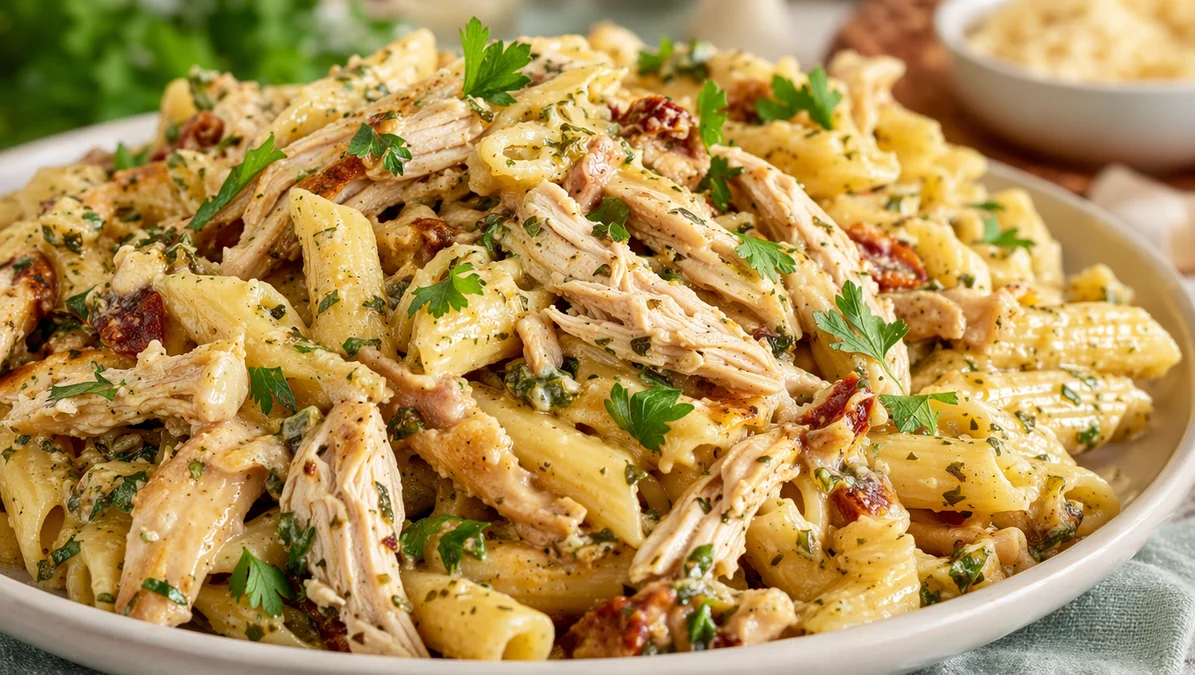
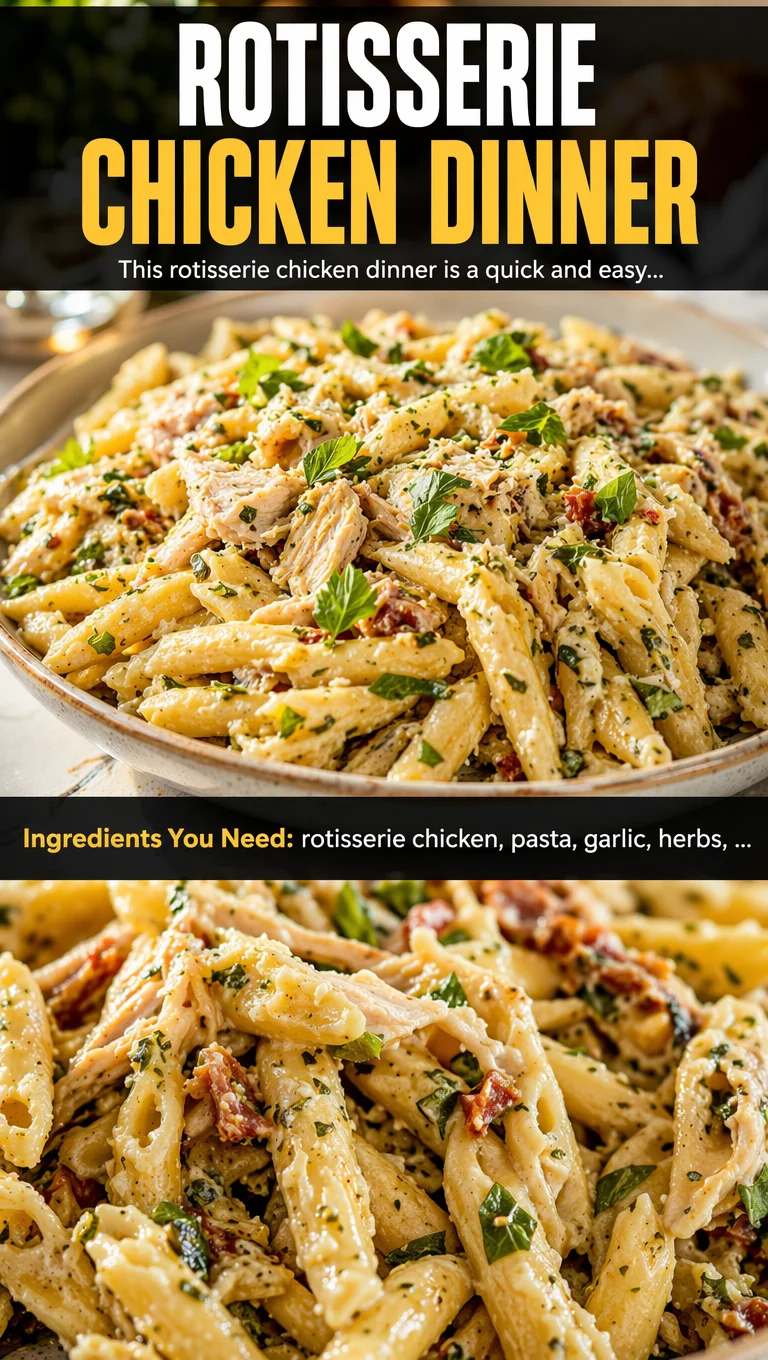
This 20-minute rotisserie chicken pasta is a quick, easy weeknight dinner loaded with tender chicken, garlic, herbs, and olive oil. Perfect high-protein meal for busy families.
Ingredients
Instructions
Begin by bringing a large pot of generously salted water (about 1 tablespoon of salt per 4 quarts of water) to a rolling boil over high heat. The salt is crucial here: it seasons the pasta from the inside out, ensuring every bite is flavorful. While the water heats, gather all your ingredients and prep them. Shred the rotisserie chicken into bite-sized pieces, discarding the skin if you prefer a leaner dish (though the skin adds great flavor, so you can chop it finely and include it). Mince the garlic cloves finely—this ensures they cook evenly and release their aromatic oils without burning. Measure out your olive oil, dried herbs, and any optional ingredients like white wine or red pepper flakes. Having everything ready before you start cooking (mise en place) will make the 20-minute timeline stress-free.
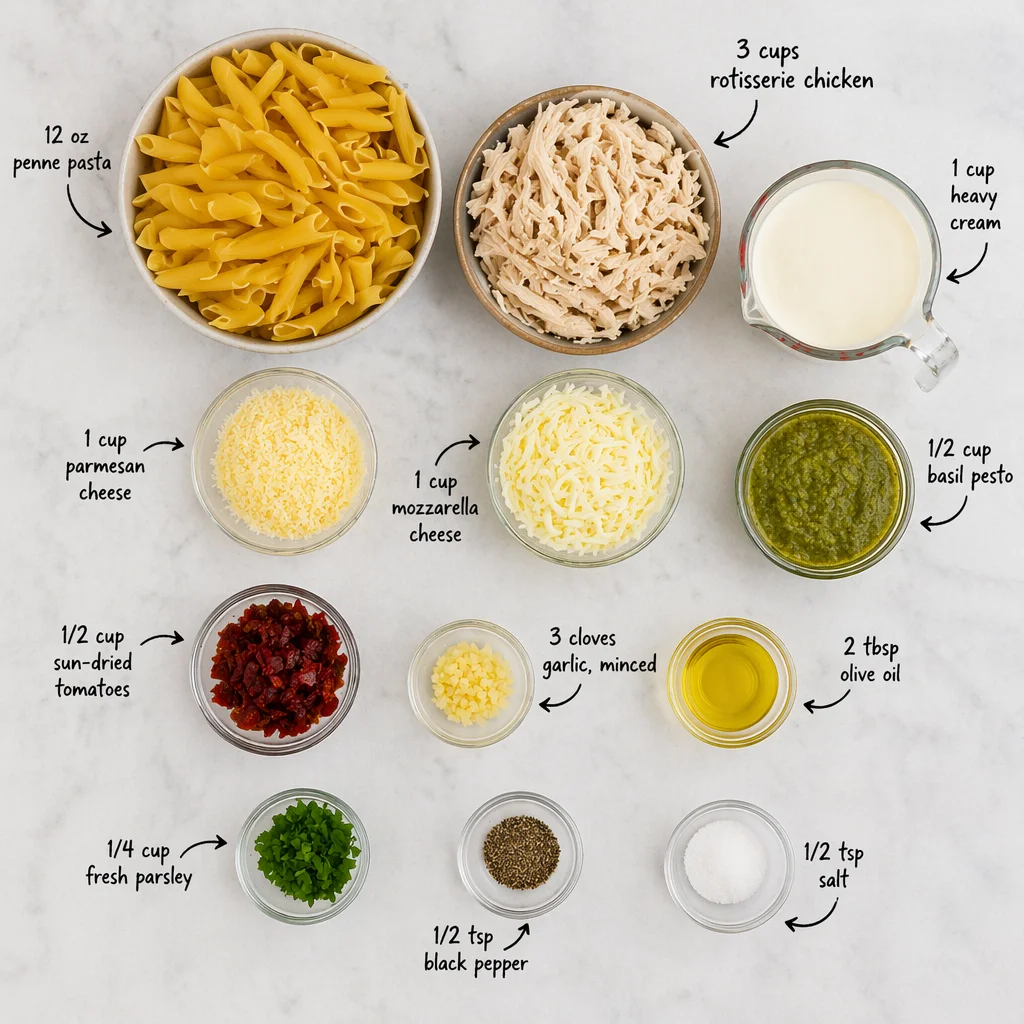
Once the water is boiling vigorously, add the pasta and cook according to package directions until al dente—typically 8-12 minutes depending on the shape. Stir occasionally to prevent sticking. While the pasta cooks, place a large skillet or sauté pan over medium heat and add the 2 tablespoons of extra virgin olive oil. Allow the oil to shimmer, about 30 seconds, then add the minced garlic. Sauté the garlic for 30-60 seconds, stirring constantly, until fragrant and just lightly golden. Be careful not to let it burn, as burnt garlic turns bitter. If you are using red pepper flakes, add them now to bloom in the hot oil, releasing their heat and smoky flavor.
Add the shredded rotisserie chicken to the skillet, spreading it into an even layer. Let it cook undisturbed for about 2 minutes to allow the bottom to get slightly crispy and browned, which adds texture and depth. Then stir and continue cooking for another 2-3 minutes until the chicken is heated through. If using white wine, pour it in now and let it simmer for 1 minute, scraping up any browned bits from the bottom of the pan (this is called deglazing and it infuses the sauce with incredible flavor). If not using wine, you can add a splash of chicken broth or simply proceed.
Just before the pasta is done, reserve about 1 cup of the starchy pasta water using a ladle or a heatproof measuring cup. Starchy water is the secret to a silky, cohesive sauce—it helps bind the oil and cheese to the pasta without becoming greasy. Drain the pasta in a colander (do not rinse! Rinsing removes the starch that helps sauce cling) and immediately transfer it to the skillet with the chicken and garlic. Add the dried oregano and basil, along with a generous pinch of salt and black pepper. Toss everything together over medium-low heat, gradually adding the reserved pasta water (start with 1/4 cup and add more as needed) until the sauce coats the pasta evenly and looks glossy. The mixture should be moist but not soupy.
Remove the skillet from the heat. Sprinkle the freshly grated Parmesan cheese over the pasta and toss gently to combine. The residual heat will melt the cheese into a creamy, savory coating. Taste and adjust seasoning with more salt, pepper, or red pepper flakes if desired. Garnish with chopped fresh parsley and a few fresh basil leaves for a pop of color and freshness. Serve immediately in warm bowls, with extra Parmesan on the side if you like. This dish is best enjoyed right away while the pasta is tender and the sauce is luscious.
For best results
- Choosing the right rotisserie chicken makes all the difference. Look for a freshly roasted chicken from your grocery store's deli—preferably one that is still warm. The meat will be juicier and more flavorful than a refrigerated one. If you have time, you can also use leftover homemade roast chicken. To shred the chicken quickly, use two forks or your hands (once it’s cool enough to handle). For maximum flavor, include some of the browned skin chopped finely; it adds a rich, savory note that elevates the entire dish.
- Pasta water is liquid gold! Always reserve at least a cup before draining. The starch in the water not only thickens the sauce but also helps it cling to the pasta, creating a restaurant-quality emulsion. If you accidentally forget to reserve water, you can use a mixture of 1/2 cup hot water mixed with 1 teaspoon of cornstarch as a makeshift substitute, but the texture won't be quite as silky.
- To prevent garlic from burning, keep the heat at medium and stir constantly. If you prefer a milder garlic flavor, you can smash the cloves instead of mincing them and remove them before serving. For a more intense garlic kick, add a second round of minced garlic along with the chicken—this creates layers of garlic flavor.
- Don't skip the resting step after adding the cheese. Letting the pasta sit off the heat for 30 seconds allows the Parmesan to melt fully and the sauce to thicken slightly. If you add the cheese over high heat, it may clump or become stringy. Always use freshly grated Parmesan from a block—pre-grated varieties contain anti-caking agents that prevent smooth melting.
- This recipe is incredibly versatile. For a creamier sauce, stir in 2-3 tablespoons of heavy cream or cream cheese along with the pasta water. For a lighter version, use whole wheat pasta and increase the vegetables (like sautéed spinach or cherry tomatoes). You can also swap the chicken for leftover turkey or even canned chicken in a pinch (just drain and flake it).
Variations
- Vegetarian Adaptation: Omit the chicken and add 1 can (15 oz) of drained chickpeas or white beans for protein. Sauté them with the garlic until lightly golden. You can also toss in a handful of baby spinach at the end and let it wilt. The beans provide a creamy texture and earthy flavor that pairs beautifully with the garlic and herbs.
- Creamy Sun-Dried Tomato Version: After sautéing the garlic, add 1/4 cup of oil-packed sun-dried tomatoes (chopped) and let them cook for 1 minute. Then proceed with the chicken. Stir in 1/4 cup of heavy cream along with the pasta water. The sun-dried tomatoes add a tangy, sweet burst that complements the richness of the cream and cheese.
- Lemon Herb Twist: Add the zest of one lemon along with the garlic, and squeeze the juice of half a lemon just before serving. Replace the dried oregano and basil with fresh thyme and rosemary (about 1 tablespoon each, chopped). This bright, citrusy variation is perfect for spring or summer and pairs well with a side of roasted asparagus.
- Spicy Arrabbiata Style: Increase the red pepper flakes to 1 teaspoon (or more to taste) and add 1/4 cup of tomato paste along with the garlic. Cook the paste for 1-2 minutes to deepen its flavor before adding the chicken. Use a splash of red wine instead of white, and garnish with fresh basil. This version is bold, hearty, and sure to satisfy spice lovers.
- Low-Carb / Keto Option: Replace the pasta with zucchini noodles (zoodles) or shirataki noodles. If using zoodles, add them to the skillet after the chicken is heated and toss for 2-3 minutes until just tender—do not overcook or they will become watery. For shirataki noodles, rinse and dry them thoroughly, then sauté them dry in the skillet for a few minutes before adding the sauce. Adjust seasoning accordingly, as these noodles are more neutral.
Nutrition
- Calories485 kcal
- Total Fat18g
- Saturated Fat5g
- Cholesterol85mg
- Sodium620mg
- Total Carbohydrates48g
- Dietary Fiber3g
- Sugars3g
- Protein32g