
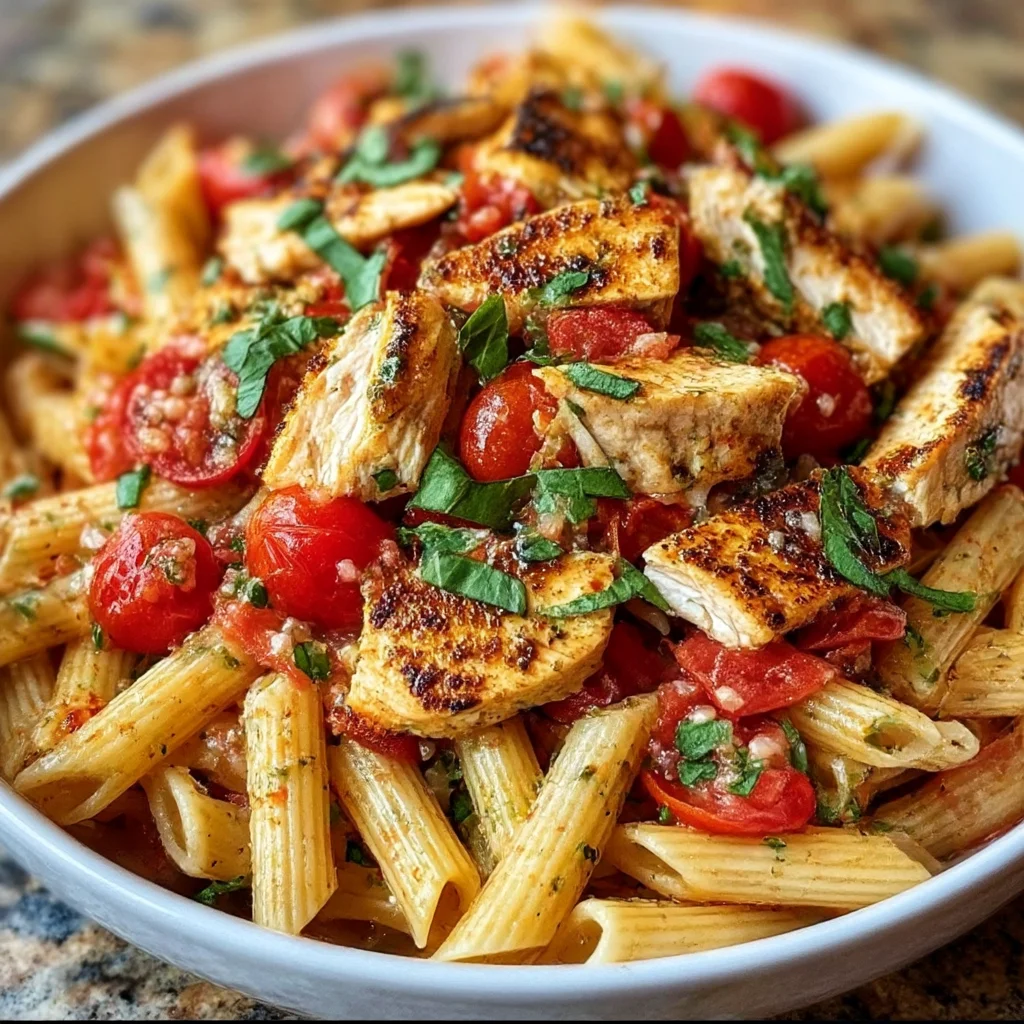
This high-protein bruschetta chicken pasta recipe delivers quick protein meals that keep you full and satisfied. Made with tender chicken, fresh tomatoes, and basil, this easy high protein dinner is…
Ingredients
Instructions
First, bring a large pot of generously salted water to a rolling boil. The water should taste like the sea—this is your only chance to season the pasta from within. Add the whole wheat penne and cook according to package directions until al dente, usually about 10-12 minutes. Whole wheat pasta has a firmer bite and more fiber than white pasta, which helps with satiety and blood sugar control. Reserve about 1 cup of the starchy pasta water before draining; this liquid gold will help emulsify the sauce later. Drain the pasta and set aside. While the pasta cooks, you can prepare the chicken and tomatoes to maximize efficiency.

While the pasta is boiling, prepare the chicken. Pat the chicken breasts dry with paper towels to remove excess moisture—this step is crucial for achieving a golden-brown sear rather than steaming the meat. Season both sides generously with salt and black pepper. In a large skillet, heat 1 tablespoon of olive oil over medium-high heat until shimmering. Carefully place the chicken breasts in the hot skillet; you should hear a satisfying sizzle. Cook without moving them for 5-6 minutes, until the underside is deeply golden and releases easily from the pan. Flip and cook for another 5-6 minutes, or until the internal temperature reaches 165°F (74°C) on an instant-read thermometer. The chicken should feel firm to the touch but not hard. Transfer to a cutting board and let rest for 5 minutes—this allows the juices to redistribute, ensuring moist, tender meat. Slice against the grain into thin strips.
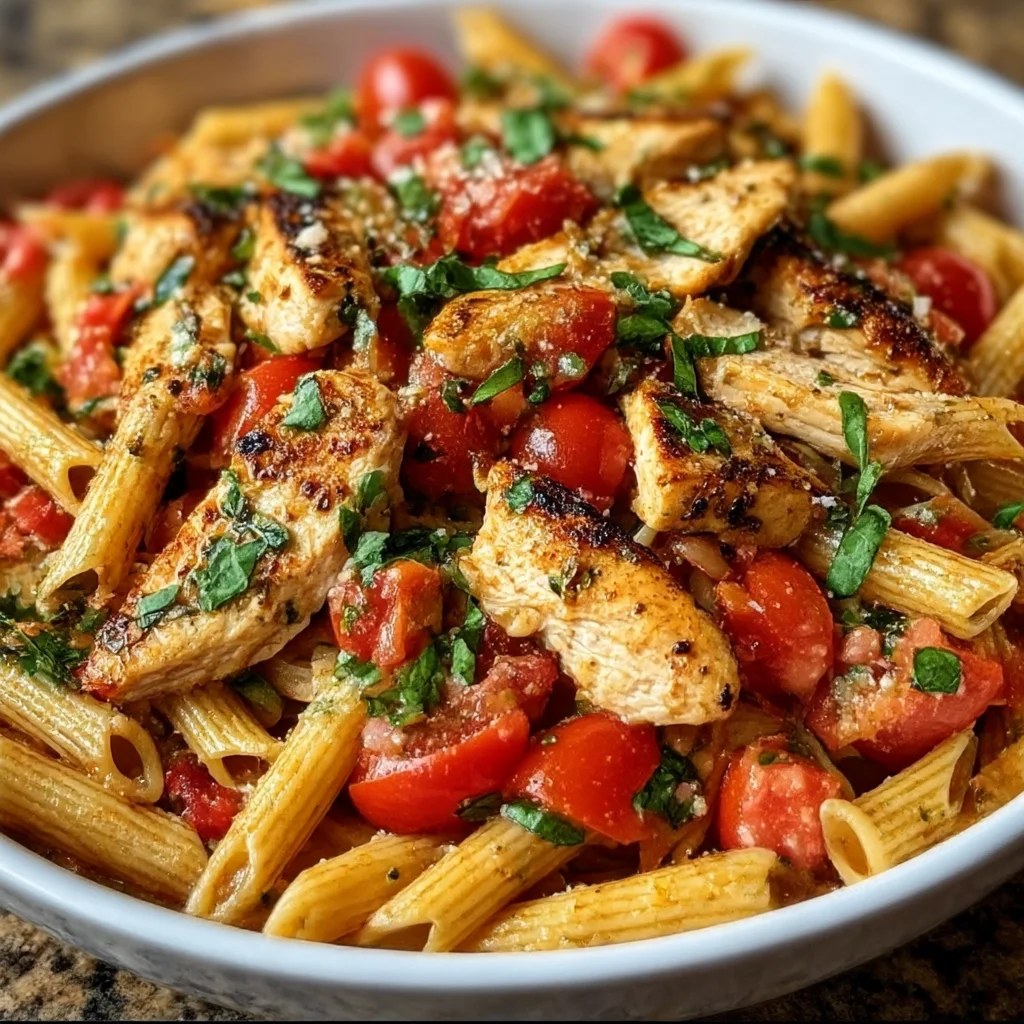
In the same skillet, reduce the heat to medium and add the remaining 1 tablespoon of olive oil. Add the minced garlic and sauté for about 30 seconds until fragrant, being careful not to burn it. Add the halved cherry tomatoes, cut side down if possible, and let them cook undisturbed for 2-3 minutes to caramelize. The natural sugars in the tomatoes will concentrate, creating a deeper, sweeter flavor reminiscent of sun-dried tomatoes. Stir in the balsamic vinegar and honey, scraping up any browned bits from the bottom of the pan (this is called deglazing and adds incredible depth). Let the mixture simmer for 2-3 minutes until the tomatoes soften and the sauce thickens slightly. Season with a pinch of salt, pepper, and red pepper flakes if desired.
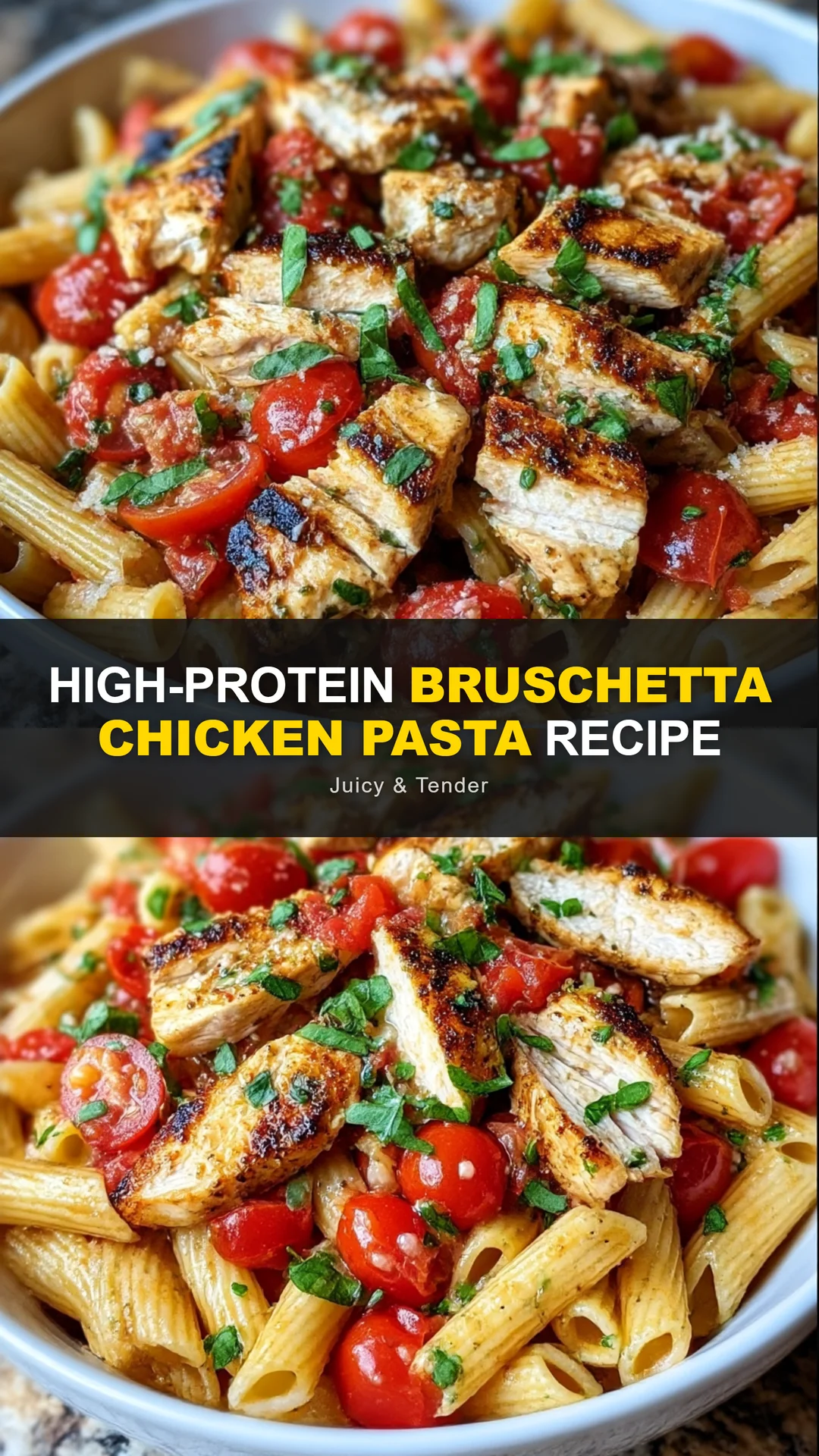
Add the cooked pasta and sliced chicken to the skillet with the tomato mixture. Toss everything together, adding a splash of the reserved pasta water (start with 1/4 cup) to create a light, silky sauce that coats each piece of pasta. The starch in the water helps bind the sauce to the pasta without needing heavy cream or extra oil. Continue tossing until the pasta is well coated and heated through, about 1-2 minutes. Remove from heat.
Finish the dish by sprinkling the freshly sliced basil and grated Parmesan cheese over the top. The basil should be added at the very end to preserve its bright, peppery flavor and vibrant green color—heat will quickly wilt and darken it. Toss gently one last time to distribute, then serve immediately. For an extra touch, garnish with additional basil leaves and a drizzle of balsamic glaze if available. This dish is best enjoyed fresh, as the pasta will continue to absorb the sauce and the tomatoes will release more liquid upon standing.

For best results
- For the juiciest chicken, use an instant-read thermometer to avoid overcooking. Chicken breasts are notoriously easy to dry out because they are lean and cook quickly. Aim for 165°F (74°C) at the thickest part, and let the meat rest for at least 5 minutes before slicing. Resting allows the muscle fibers to relax and reabsorb moisture, so every bite is tender and succulent. If you don't have a thermometer, cut into the thickest part; the juices should run clear and the meat should be opaque throughout.
- Choose cherry tomatoes that are firm and brightly colored for the best texture and sweetness. Out-of-season tomatoes can be bland; roasting them briefly in the skillet with balsamic vinegar helps concentrate their flavor. If you have time, you can also roast the tomatoes in the oven at 400°F (200°C) for 15 minutes before adding to the skillet for an even deeper caramelized taste. The balsamic vinegar adds acidity that balances the richness of the oil and cheese.
- Whole wheat pasta is a great source of fiber and protein, but it can be denser than white pasta. To ensure it cooks evenly and doesn't become mushy, stir it occasionally during boiling and test for doneness a minute or two before the package suggests. Al dente pasta should have a slight resistance when bitten. The reserved pasta water is key: it contains starches that help sauce cling to the pasta without being watery. Add it gradually until you reach your desired consistency.
- If you prefer a creamier sauce, stir in 2-3 tablespoons of reduced-fat cream cheese or Greek yogurt after removing the skillet from the heat. The residual warmth will melt it into a velvety sauce without curdling. For a dairy-free version, use a cashew cream or simply omit the cheese—the balsamic reduction provides plenty of flavor.
- To save time on busy weeknights, you can prep the ingredients ahead: chop the tomatoes, mince the garlic, and slice the basil up to 2 days in advance. Store them separately in airtight containers in the refrigerator. The chicken can be seasoned and refrigerated overnight. When you're ready to cook, the entire meal comes together in under 20 minutes. This recipe is perfect for meal prep: make a double batch and portion into containers for quick lunches throughout the week. Reheat gently in the microwave or on the stovetop with a splash of water to refresh the sauce.
Variations
- Make it gluten-free by using your favorite gluten-free pasta, such as brown rice or chickpea pasta. Chickpea pasta adds even more protein and fiber, boosting the macro profile. Cook it according to package directions, as gluten-free pastas often require less time and more frequent stirring to prevent sticking. The rest of the recipe remains unchanged.
- For a vegetarian version, replace the chicken with 1 1/2 cups of cooked chickpeas or cannellini beans. Add the beans along with the tomatoes and balsamic vinegar, and simmer until heated through. The beans provide plant-based protein and a creamy texture that pairs beautifully with the tangy bruschetta flavors. You can also add 1/2 cup of artichoke hearts for extra Mediterranean flair.
- Add a protein boost by including 8 ounces of cooked shrimp or Italian sausage. For shrimp, sauté them for 2-3 minutes per side in the skillet before removing and adding back at the end. For sausage, use pre-cooked chicken sausage sliced into rounds; brown them in the skillet before adding the garlic and tomatoes. This variation is especially satisfying for those following a high-protein diet.
- Turn this into a cold pasta salad for picnics or meal prep. After cooking the pasta and chicken, let them cool completely. Toss with the tomato mixture (use the balsamic vinegar as a dressing without cooking), fresh basil, and Parmesan. Chill for at least 30 minutes before serving. The flavors meld beautifully as it sits, making it an ideal make-ahead dish for summer gatherings.
Nutrition
- Calories485 kcal
- Total Fat15g
- Saturated Fat4g
- Cholesterol95mg
- Sodium420mg
- Total Carbohydrates45g
- Dietary Fiber7g
- Sugars12g
- Protein40g