
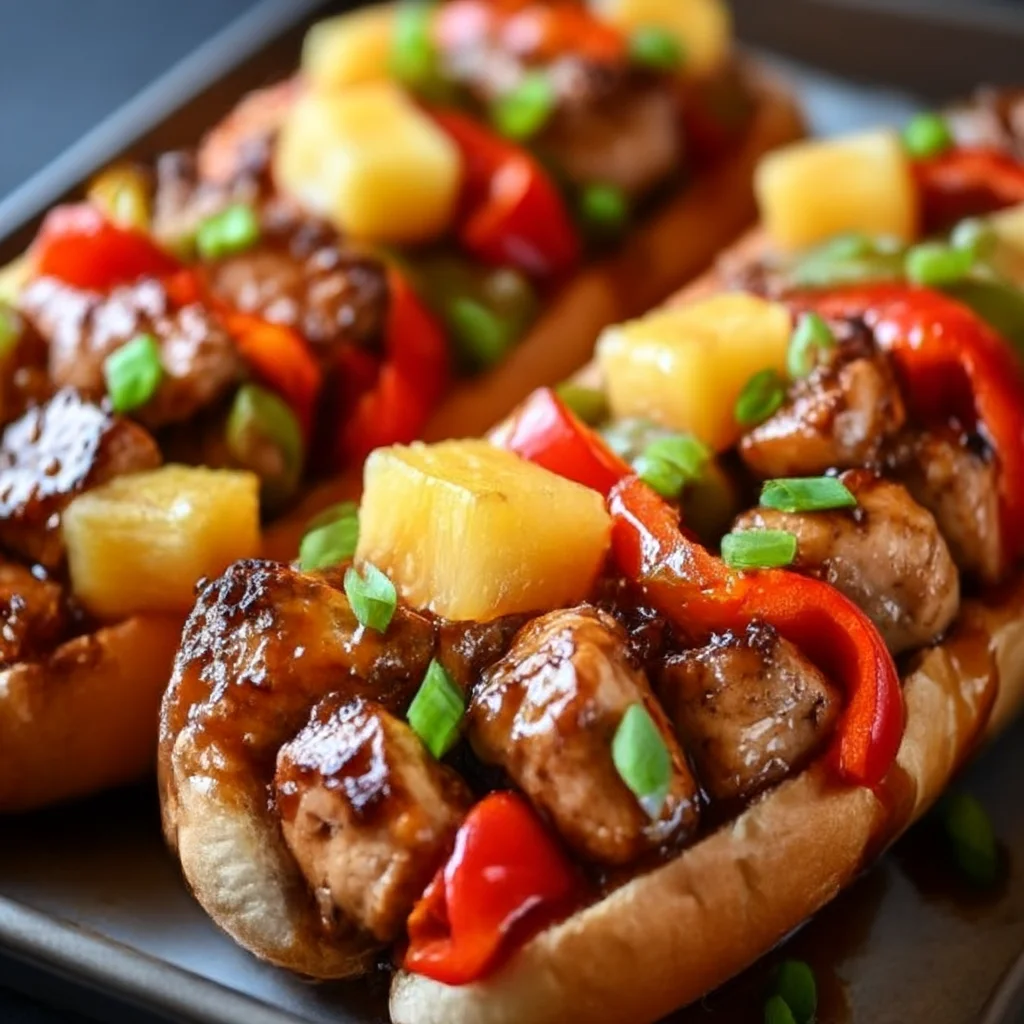
This marinated chuck roast Philly cheesesteak is a quick, high-protein dinner with tender shaved beef, caramelized onions, and provolone on a toasted roll.
Ingredients
Instructions
Place your chuck roast in the freezer for 20–30 minutes before slicing. While it chills, gather your ingredients: hoagie rolls, provolone, onions, and bell pepper. This partial freeze is the secret to paper-thin slices—the firm texture lets you cut ultra-thin pieces that cook in seconds. If the meat is too soft, it will tear; if rock solid, it’s hard to slice. Use a very sharp knife. Also, pre-measure all seasonings for the marinade. This mise en place keeps the cooking process seamless, and you won’t be scrambling while hot oil is in the pan. If you’re using a bell pepper, remove seeds and membranes, then slice into strips.
In a large bowl, whisk together 2 tablespoons olive oil, Worcestershire sauce, soy sauce, minced garlic, smoked paprika, salt, black pepper, onion powder, and optional red pepper flakes. The soy and Worcestershire add deep umami and a savory backbone that makes chuck roast taste like a premium ribeye. Don’t skip the smoked paprika—it gives a subtle charred aroma that mimics grilling. The marinade should be well combined; smell it—you want a balance of savory, sweet, and slightly smoky.
Remove the meat from the freezer and use a long, sharp knife to slice the chuck roast as thinly as possible against the grain. The grain runs long in a roast; look for the lines and slice perpendicular to them. Cutting against the grain shortens the muscle fibers, ensuring every bite is fork-tender instead of chewy. Aim for ribbons that are about 1/8-inch thick. If you have a deli slicer, great, but a knife is fine. Work slowly and keep your fingers tucked. If the meat starts to warm up and become soft, pop it back in the freezer for 10 minutes.
Add the sliced beef to the bowl with the marinade. Use your hands (fitted with gloves or clean) to massage the marinade into every sliver. The goal is complete coating. Let it sit at room temperature for 15–30 minutes—don’t leave it out much longer for food safety. This brief marination tenderizes the surface of the meat and infuses flavor. Chuck roast is a hard-working muscle with good marbling, but it’s not traditionally a steak. The acid and salt in the marinade help break down some of the tough proteins and help it sear beautifully.
Heat a large cast-iron or heavy skillet over medium-low heat. Add remaining 1 tablespoon olive oil and 2 tablespoons butter. Once the butter is melted and sizzling gently, add the sliced onions and peppers. Stir to coat, then let them cook without moving for 5 minutes. The moisture will evaporate, and the onions will start to brown. Continue cooking for 15–20 minutes, stirring occasionally. Patience is key: caramelization is low and slow. If the pan gets too hot, the onions scorch; if too low, they just sweat. You want deep golden brown, sweet, jammy onions. Season with a pinch of salt.
Once the vegetables are done, remove them to a plate. Turn the skillet to high heat and let it heat for 2 minutes—it should be smoking slightly. Working in batches (don’t overcrowd the pan), add the marinated beef slices in a single layer. Let them sear undisturbed for 60–90 seconds until edges brown and bits caramelize. Flip quickly and cook 30 seconds for medium-rare. Overcooking makes it dry. Use a spatula to gently loosen the meat. The high heat creates a beautiful crust while the interior stays juicy. Transfer each batch to a plate as you go.
When all beef is cooked, lower heat to medium-low. Return the beef to the skillet, then add the caramelized onions and peppers on top. Stir just to combine. Lay the provolone slices over the entire mixture. Cover with a lid for 1–2 minutes, until the cheese is melted, gooey, and slightly oozing. You can also use a torch to apply direct heat for a bubbly, browned cheese finish. The melted provolone binds everything together and gives that iconic Philly cheesesteak texture.
While the cheese melts, split your hoagie rolls and toast them on a buttered griddle or in the oven until golden and crispy on the cut sides. The toasted bun is not optional—it adds structural integrity and flavor. Pile the cheesy beef mixture onto the rolls, using tongs to distribute the filling evenly. Let the juices soak into the bread but not destroy it. Serve immediately while the cheese is stretchy and the beef is hot. Pair with pickles or zero-waste veggie chips. Store leftovers in an airtight container for up to 3 days, but note: cheesesteaks are best fresh.
For best results
- Partially freeze the roast for 20–30 minutes before slicing. This makes the meat firm enough to cut shave-thin without shredding. If you're in a rush, ask your butcher to shave it for you. Alternatively, you can slice the roast thinner after searing by cutting large chunks and then using a sharp knife to shave them. But for the classic Philly, thin slices are the way to go—the surface area soaks up the marinade and browns quickly.
- Don't skip the 15–30 minute marinate. It isn't about making the meat tender beyond the surface—it's about flavor penetration. Soy sauce and Worcestershire are both rich in glutamates, which give savory umami. If you can, marinate overnight in the fridge, but keep the salt level in mind. This is a quick dinner, so even a short soak works wonders.
- Use a heavy pan—cast iron is ideal—and get it screaming hot before adding the beef. Overcrowding causes the meat to steam, so cook in small batches. You want those little browned edges and crispy bits. Don't flip constantly; let the beef sear in the oil and juices, then turn once. This is what gives it that restaurant-quality crust.
- Caramelizing onions properly takes time because the onions contain lots of water. Start on medium-low to slowly evaporate moisture, then lower to medium for color. If the onions start sticking, add a splash of water or stock to deglaze. The addition of a pinch of baking soda (1/4 tsp per 2 onions) can speed browning, but use sparingly so it doesn't taste metallic.
- Provolone is traditional, but you can mix with American or white American for extra creaminess. The key is to melt it well with a lid or under the broiler for a minute. Don't overseason the final dish—the provolone, marinade, and butter on the buns already provide plenty of salt.
Variations
- Chicken Philly Cheesesteak: Swap the chuck roast for thinly sliced chicken breast or thigh. Marinate with the same seasonings, but reduce cooking time to avoid drying out. Use grilled onions and peppers, and top with provolone or mozzarella. This is a great high-protein alternative that's usually lower in fat.
- Pepper & Mushroom Supreme: Add sliced cremini or portobello mushrooms along with the onions and peppers. The earthy mushrooms absorb the beef flavors and make the filling even more substantial. You can also add a sprinkle of fresh thyme or smoked paprika during cooking.
- Spicy Cajun Cheesesteak: Add a teaspoon of Cajun seasoning to the marinade and swap the provolone for pepper jack. Include sliced jalapeños with the onions, and finish with a drizzle of hot sauce or ranch. This version adds a kick that's perfect for heat lovers.
Nutrition
- Calories680 kcal
- Total Fat38g
- Saturated Fat16g
- Cholesterol120mg
- Sodium1450mg
- Total Carbohydrates45g
- Dietary Fiber3g
- Sugars7g
- Protein42g