
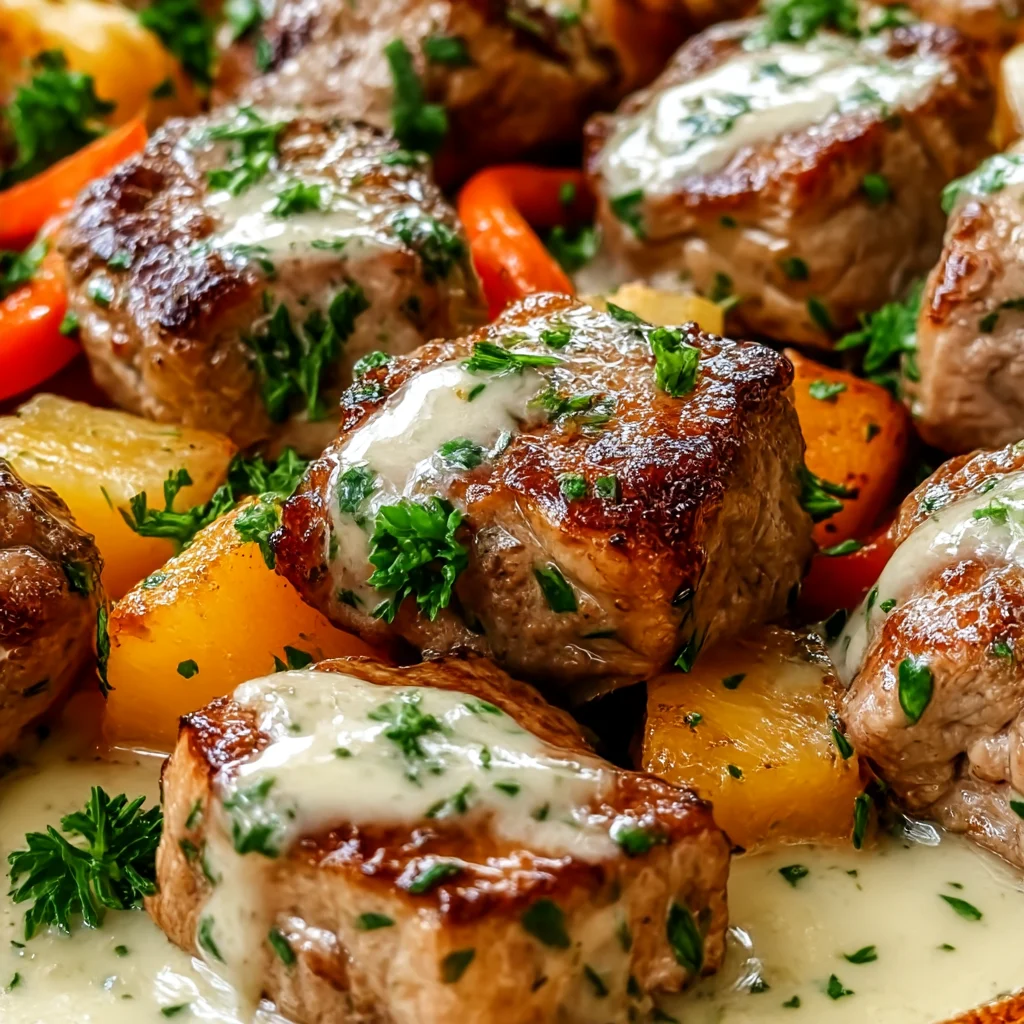
This 30-minute Hawaiian Chicken Sheet Pan is the ultimate easy weeknight dinner, loaded with juicy pineapple, bell peppers, and tender chicken thighs in a sweet-savory soy glaze.
Ingredients
Instructions
Preheat your oven to 425°F (220°C) and position a rack in the center. Start by making the savory-sweet marinade: in a medium bowl, whisk together the soy sauce, honey, rice vinegar, toasted sesame oil, minced garlic, and freshly grated ginger. The aroma should be pungent, spicy, and slightly sweet. Place the boneless, skinless chicken thighs in a large zip-top bag or shallow dish and pour about two-thirds of the marinade over them, reserving the rest for later basting. Using clean hands or tongs, massage the marinade into every piece of chicken so each thigh is fully coated. Let the chicken sit at room temperature for 10 to 15 minutes while you prep the vegetables, or refrigerate for up to 2 hours for a deeper flavor. This marinade does double duty: it acts as a tenderizer for the chicken and becomes a sticky glaze as it reduces in the oven.
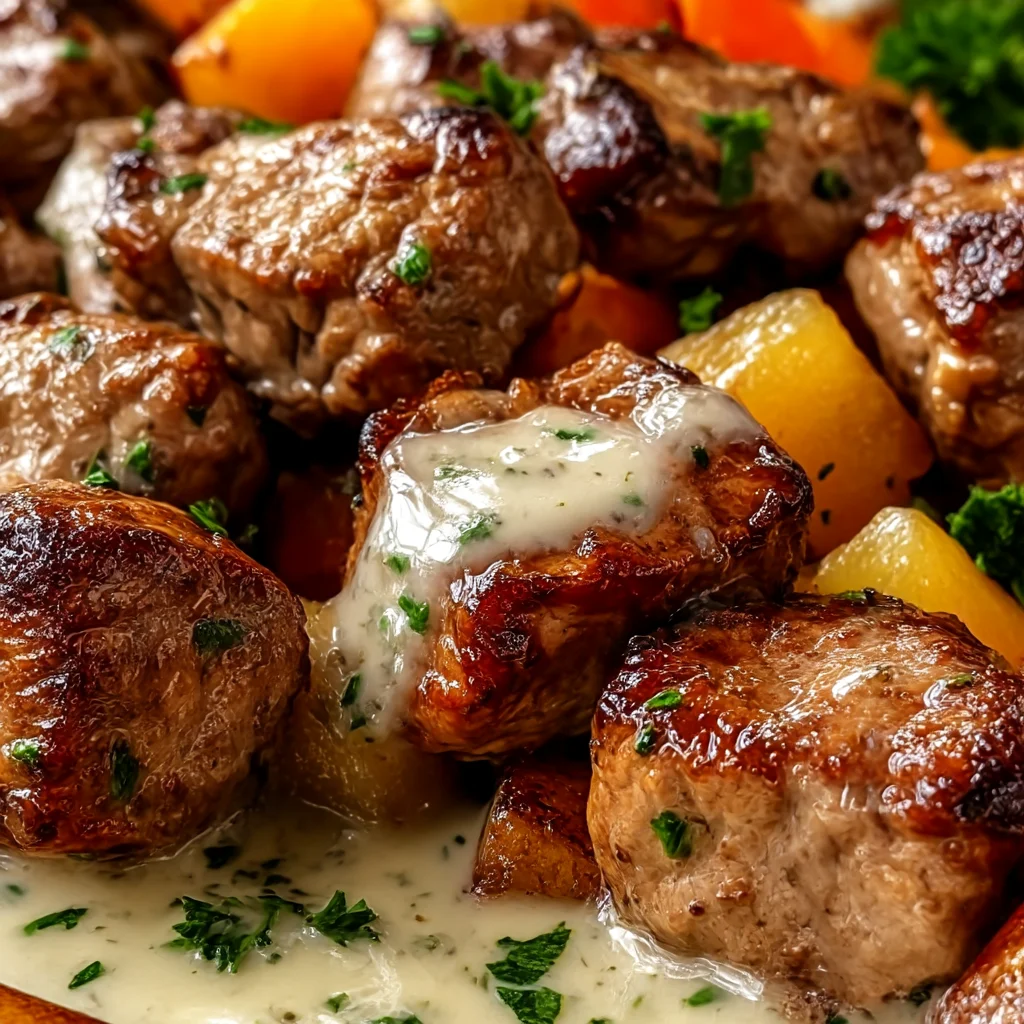
Wash and slice the bell peppers into 1-inch strips, removing the white pith and seeds. The peppers will roast at high heat, so keeping them slightly larger than bite-size prevents them from turning to mush. If using a fresh pineapple, trim off the skin, cut out the spiky eyes, and chop the flesh into 1-inch chunks; you will need about 3 cups. Fresh pineapple contains natural bromelain, which helps break down the chicken’s proteins and adds a bright tropical acidity. If you are using canned pineapple, drain the juice well and pat the chunks dry with paper towels. Excess moisture is the enemy of browning, and dry pineapple will caramelize beautifully, developing a deep golden crust and a concentrated sweet-sour flavor. Arrange the peppers and pineapple on a large rimmed sheet pan, spreading them out into an even layer so they overlap as little as possible.
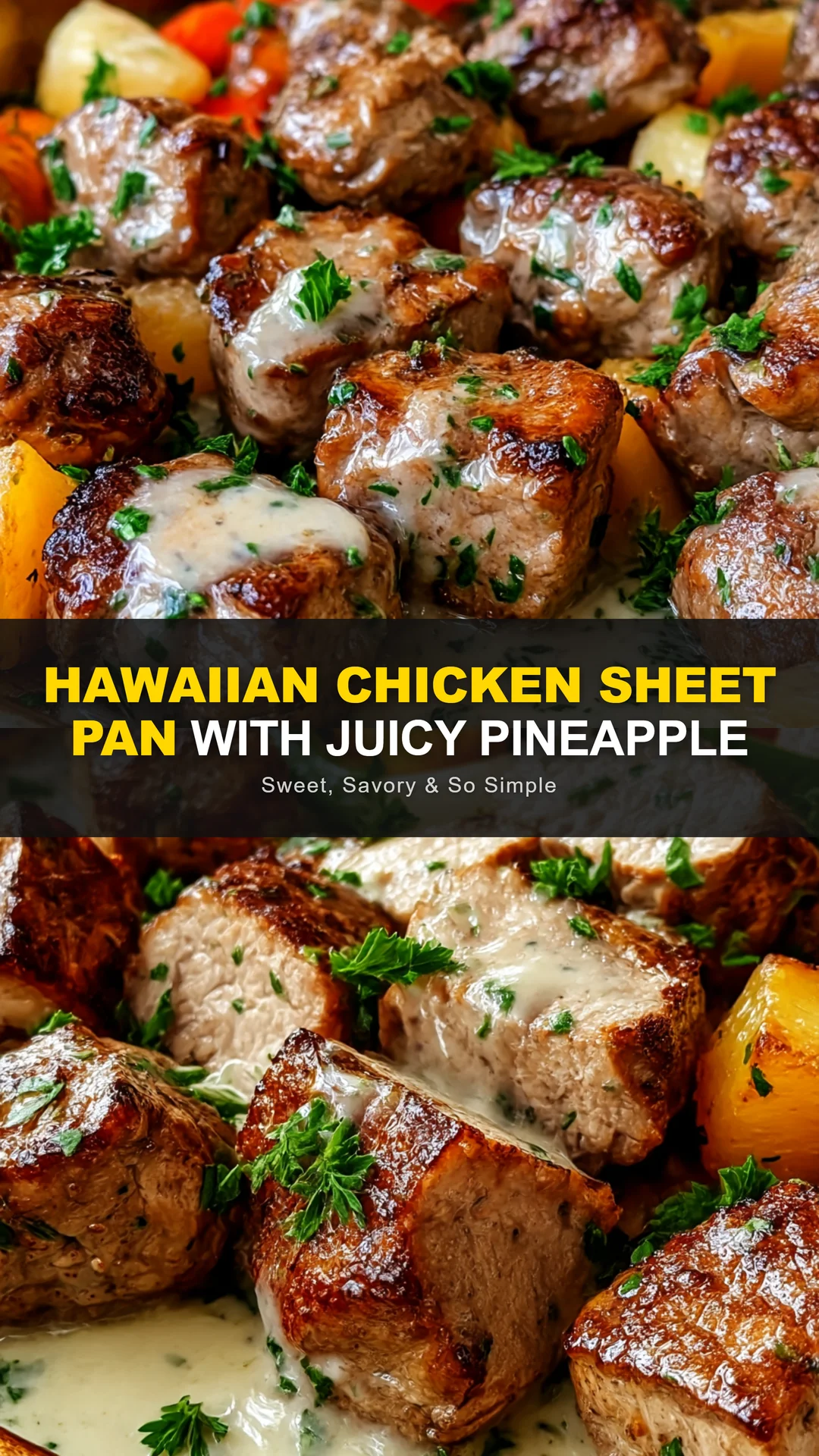
Remove the chicken thighs from the marinade, letting any excess drip off, and nestle them among the peppers and pineapple on the prepared sheet pan. Try to leave a little space between the chicken pieces so they roast rather than steam. Season everything with a small pinch of salt and cracked black pepper, but keep in mind that the soy sauce already carries plenty of salty flavor. You can also give the vegetables a light drizzle of olive oil or sesame oil to help them crisp at the edges. Slide the pan into the oven and roast for 15 minutes. At this point, the chicken should be just starting to brown around the edges and the pineapple should look slightly translucent with some caramelizing spots. The peppers should still have a bit of crunch, which is exactly what you want for a final texture at the table.
After the initial 15-minute roast, pull the sheet pan out carefully. The chicken should register about 140°F on an instant-read thermometer — not quite done but well on its way. Use a pastry brush or spoon to paint the reserved marinade over the chicken thighs and the pineapple chunks. This is the moment where the magic happens: as the marinade hits the hot pan, it will sizzle, bubble, and begin to caramelize into a glossy, sticky sheen. Return the pan to the oven and continue roasting for 8 to 10 minutes, until the chicken is golden brown and reaches an internal temperature of 165°F in the thickest part of the thigh. If you want those gorgeous charred bits — and you should — switch the oven to broil for the final 2 to 3 minutes, watching closely so the sugar in the honey and pineapple doesn’t burn. The glaze should look like molten amber, with dark caramelized edges on the peppers and pineapple.
Remove the sheet pan from the oven and let it rest for 5 minutes on a wire rack. Resting is not optional: it allows the juices in the chicken to redistribute throughout the meat, so every bite is moist and tender. If you slice into the chicken right away, the juices will run out onto the pan and leave the meat dry. During the rest, the glaze will also set slightly, turning into that perfect sticky bouncy texture. Sprinkle generously with sliced green onions and sesame seeds for a pop of color and a nutty, fragrant finish. The green onions add a fresh, sharp note that balances the sweetness of the pineapple and honey. Your kitchen will smell like a tropical island, and the sheet pan will be gleaming with a beautiful lacquer of soy-sesame caramel.
Serve the Hawaiian chicken sheet pan straight from the pan at the center of the table for an easy family-style dinner, or plate it with a scoop of fluffy jasmine rice or cauliflower rice. The chicken thighs should be fork-tender and slicked with a savory-sweet glaze, while the pineapple chunks are juicy and caramelized, almost like roasted candy. The peppers should offer a gentle snap, and the sauce in the bottom of the pan is liquid gold — spoon it over everything. Leftovers keep well in an airtight container in the refrigerator for up to 4 days, and they reheat beautifully in the microwave or in a hot skillet (see tips). This is one of those rare recipes that tastes just as good, if not better, the next day when the flavors have had a chance to meld.
For best results
- Pat the chicken thighs dry with paper towels before marinating. This simple step removes excess surface moisture, which helps the marinade cling to the meat and encourages better browning in the oven. If the chicken is too wet, it will steam before it roasts, and you will end up with gray, flabby skin rather than beautifully caramelized edges. It also prevents the soy sauce from becoming too diluted. Whenever you are cooking a protein on a hot sheet pan, remember that dry surfaces lead to golden crusts, and golden crusts lead to flavor.
- Reserve about one-third of the marinade before it ever touches the raw chicken, and save it exclusively for basting later. This is both a food safety win and a texture win. The reserved marinade has never contacted raw meat, so you can brush it onto the chicken during the last part of roasting without worrying about bacterial contamination. It also retains its full sweet-savory intensity because it hasn't been diluted by raw chicken juices. If you forget to reserve some and only have the used marinade left, you can boil it for at least 30 seconds to make it safe, but the flavor will be slightly less vibrant.
- Use a large, rimmed sheet pan and avoid overcrowding. If your pan is too small or you pile everything on top of each other, the ingredients will release steam and the whole dish will boil rather than roast. Ideally, every piece of chicken and every chunk of pineapple should touch the pan surface. That direct contact is what creates those dark, caramelized spots. If your pan is not big enough, spread the ingredients across two pans and swap their positions halfway through the roasting time. You will get a much better result and the texture will be worth the extra pan to wash.
- Cut your chicken, peppers, and pineapple into similar-sized pieces so they cook at the same rate. Chicken thighs can be unevenly thick, so trim off any excess fat and open them up like a book if they are very thick. Bell peppers should be sliced into 1-inch strips and pineapple into 1-inch chunks. Uniform cuts are the key to confident cooking. If some pieces are twice the size of others, by the time the largest pieces are done, the smaller ones will be overcooked and shriveled. A little knife discipline goes a long way in a sheet pan dinner.
- Invest in an instant-read thermometer and use it to know exactly when your chicken is done. The USDA recommends 165°F for chicken, but for dark meat like thighs, many chefs prefer to pull them at 175-180°F for the tenderness that comes from fully rendered fat. The extra few degrees make thighs even more succulent and fork-tender. Insert the thermometer into the thickest part of the thigh without touching bone. This takes the guesswork out of weeknight cooking and ensures you never undercook or dry out your meat.
- The broiler is your secret weapon for that glossy, restaurant-quality finish. After the chicken reaches 165°F, turn the oven to broil for just 2-3 minutes. Watch the pan like a hawk because the sugar in the pineapple and honey can go from perfectly caramelized to burnt in a matter of seconds. You want the edges of the pineapple to look like golden candy and the chicken to have a few dark char spots. The contrast between those crispy, sweet bits and the tender, juicy interior is what makes this sheet pan dinner feel so special.
- Fresh pineapple is wonderful, but canned pineapple is a fantastic shortcut that works just as well. If using canned, look for chunks packed in 100% pineapple juice rather than heavy syrup, and drain them thoroughly. Pat the pineapple dry with a clean kitchen towel before adding it to the pan. Canned pineapple is softer than fresh, so for the most intact pieces, consider adding it to the pan for the last 12 minutes of roasting rather than the beginning. This little trick keeps the fruit juicy and prevents it from turning into mush.
- For the easiest cleanup and even better caramelization, line your sheet pan with aluminum foil or a reusable silicone mat. The foil should be crimped around the edges to prevent any juices from leaking onto the pan. This also makes the leftover sauce easier to scrape up and spoon over the rice. A silicone mat is also a great option because it helps the glaze release and makes cleanup a breeze. Whatever you use, let the pan cool completely before washing to avoid warping.
Variations
- Spicy Hawaiian Chicken: Add 1 to 2 tablespoons of sriracha, a minced red Thai chile, or 1 teaspoon of crushed red pepper flakes to the marinade for a fiery twist. The heat balances the sweetness of the pineapple and honey beautifully. If you are cooking for kids, serve the sriracha on the side as a finishing sauce, or drizzle a little sweet chili sauce over the finished dish for a milder kick that still has plenty of personality.
- Low-Carb / Keto Version: Swap the honey for a sugar-free honey substitute or a few drops of liquid monk fruit sweetener, and reduce the pineapple to about 1 cup of crushed pineapple so you still get the tropical flavor without the carb load. Bell peppers are low in net carbs, so add an extra pepper to bulk up the pan. This keeps the dish high-fat, high-protein, and completely satisfying if you are following a keto or low-carb lifestyle. Serve it over cauliflower rice to soak up all the sauce.
- Chicken Breast Option: If you prefer white meat, use 2 pounds of boneless, skinless chicken breasts and pound them to an even 1-inch thickness before marinating. Roast for 12 to 15 minutes at 425°F, or until they reach 165°F, and watch them carefully because breasts dry out much faster than thighs. You can also slice the breasts into strips and make this into a quick sheet-pan stir-fry. Just keep a close eye on the internal temperature and use the rest of the reserved marinade as a finishing glaze.
- Vegan Tofu Version: Replace the chicken with 2 blocks of extra-firm tofu that have been pressed, sliced, and patted dry. Toss the tofu in the marinade and let it sit for 15 minutes, then roast on a parchment-lined sheet pan at 425°F for 25 to 30 minutes until golden and chewy. The tofu will absorb the sauce and get delightfully crisp at the edges, and the pineapple-bell pepper combination is so satisfying you won't miss the meat. Use tamari or coconut aminos instead of soy sauce to keep the recipe vegan and gluten-free.
- Coconut-Lime Twist: Stir 1/2 cup of canned coconut milk and the zest of 1 lime into the marinade, and replace the sesame oil with coconut oil for a more island-inspired flavor. At the end, sprinkle with toasted coconut flakes, fresh cilantro, and a squeeze of lime juice. This variation is especially good if you serve it over jasmine rice with a wedge of lime on the side. It tastes like a vacation in every single bite.
Nutrition
- Calories485 kcal
- Total Fat22g
- Saturated Fat6g
- Cholesterol180mg
- Sodium1420mg
- Total Carbohydrates38g
- Dietary Fiber4g
- Sugars28g
- Protein35g