
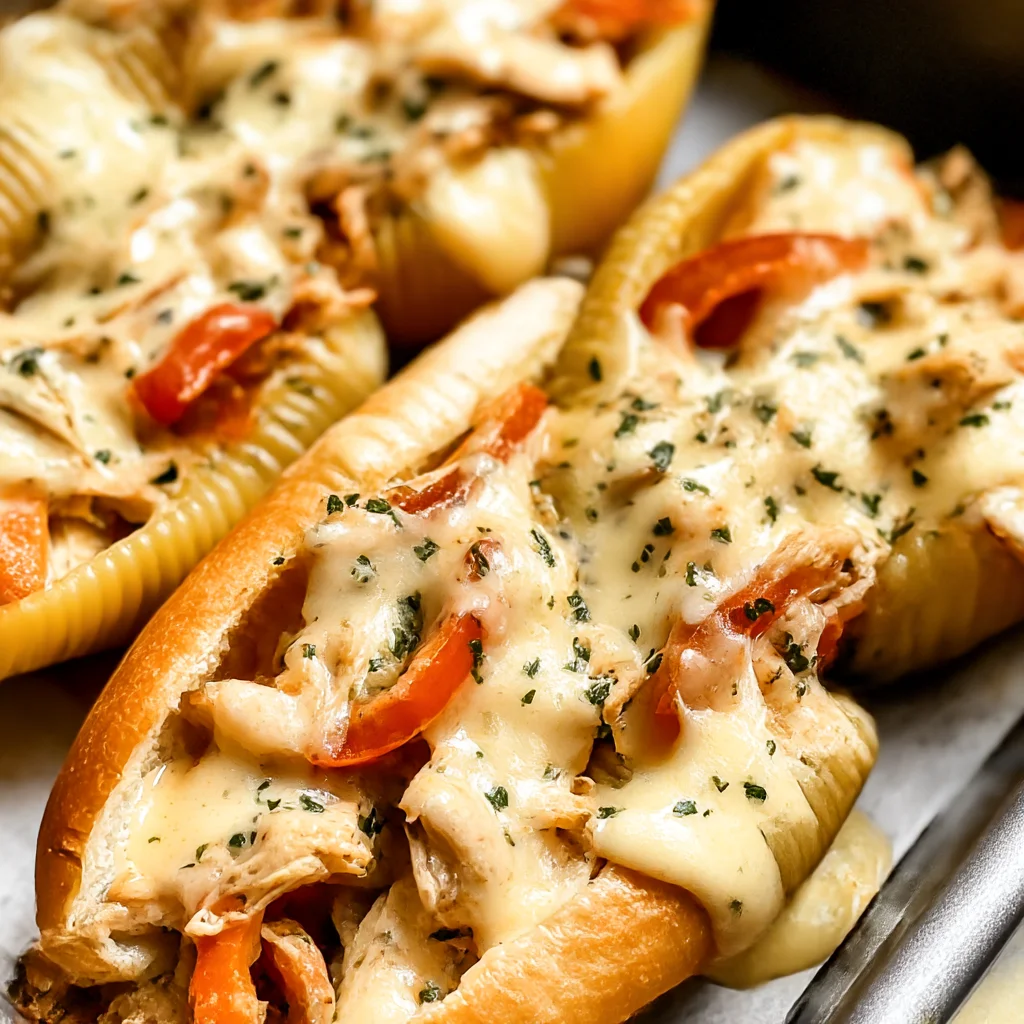
These creamy seafood stuffed shells are filled with lobster, crab, and shrimp in a rich cheese sauce. A perfect make-ahead casserole for special occasions and elegant weeknight dinners.
Ingredients
Instructions
Gather all your ingredients and preheat the oven to 375°F (190°C). This is the moment to organize your mise en place: chop the lobster into bite-size pieces, pick through the crab meat for any shell fragments, and make sure the shrimp are peeled and deveined. Having everything ready before you start cooking makes the process smooth and ensures the seafood is gently handled rather than overworked. If you’re using frozen seafood, thaw it completely in the refrigerator overnight and pat it very dry with paper towels—excess moisture can water down the ricotta filling and cheese sauce. Place a large pot of salted water on the stove to bring to a boil for the pasta while you assemble the filling.
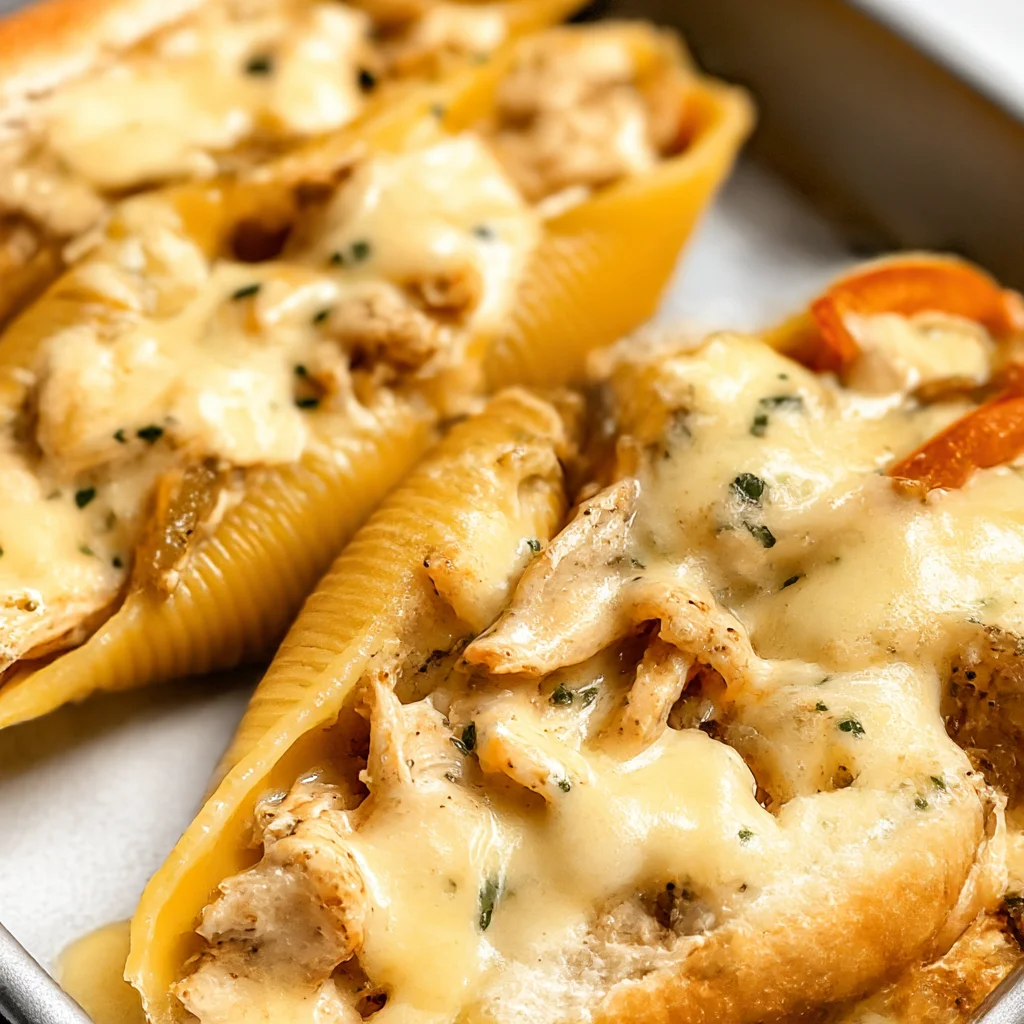
Cook the jumbo pasta shells in the boiling salted water according to the package instructions, but remove them 1 to 2 minutes before the recommended al dente time. For most brands, that’s around 9 minutes. The shells need to be slightly undercooked because they will continue to soften in the oven while absorbing all that creamy sauce. After draining, rinse the shells under cold running water to stop the cooking process. Toss them lightly with a little olive oil to prevent sticking, and lay them in a single layer on a baking sheet so they don’t clump together while you prepare the filling. Do not overfill the pot—cook the shells in batches if necessary, using a slotted spoon to transfer them so they don’t break.
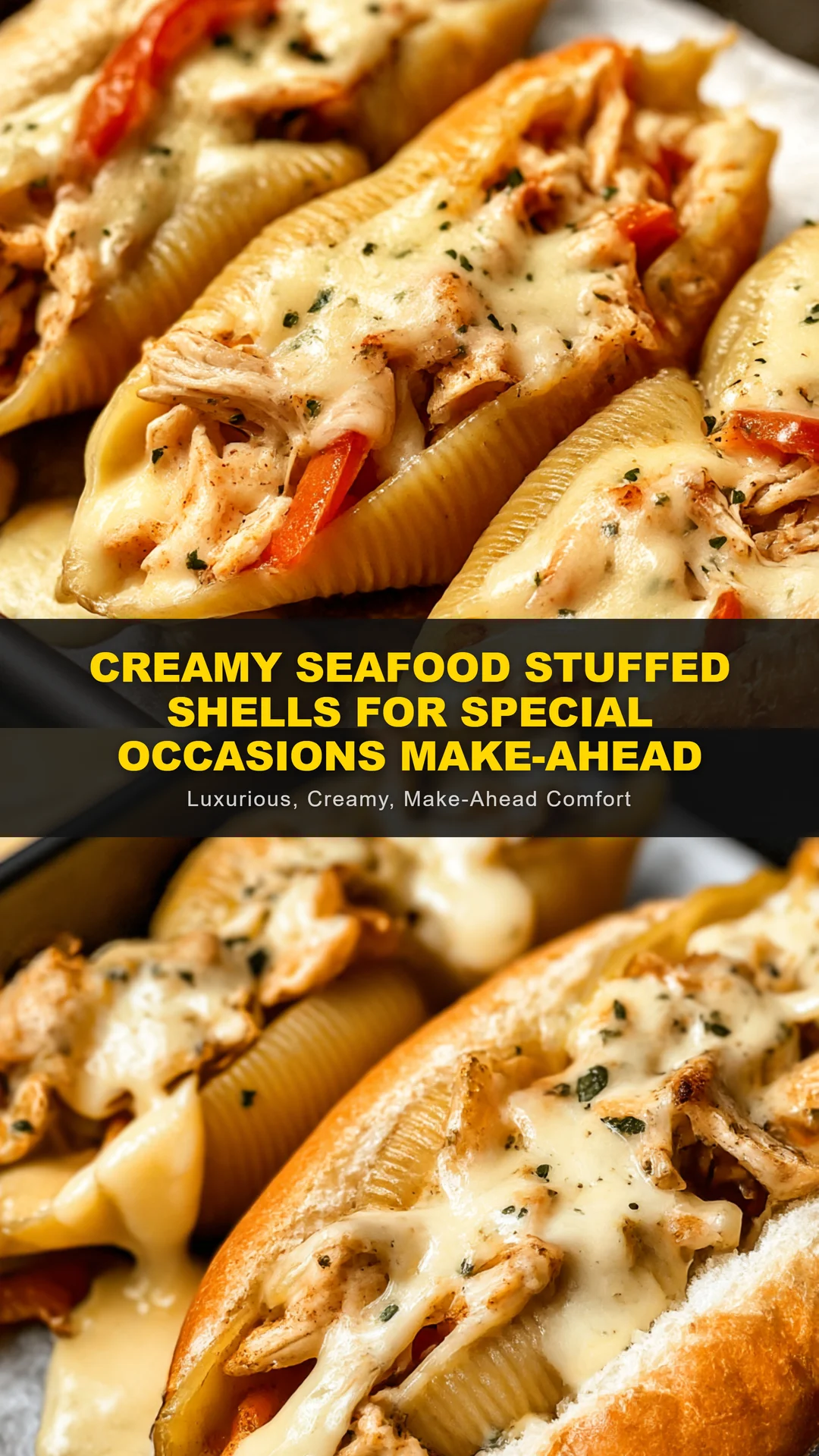
In a large mixing bowl, combine the ricotta cheese, half of the shredded mozzarella (about 1 cup), the grated Parmesan, beaten egg, minced garlic, fresh parsley, lemon zest, salt, and pepper. Stir until smooth and creamy. Now gently fold in the lobster, crab, and shrimp. Use a rubber spatula and slow, careful folds to keep the chunks of seafood intact—this gives the filling a luxurious texture with identifiable bites of lobster and crab in every shell. If you are preparing this dish ahead of time, store the filling in an airtight container in the refrigerator for up to 24 hours before stuffing the shells. Let the filling come to a slight room temperature before assembling so it’s easier to pipe or spoon.
Now make the cheese sauce. In a medium saucepan, melt the butter over medium heat. Whisk in the flour and cook for 1 to 2 minutes, stirring constantly, until the mixture turns a light golden color. This roux is the foundation of the sauce—it thickens the milk and cream and adds a subtle nutty flavor. Gradually pour in the whole milk and heavy cream while whisking continuously to prevent lumps. Bring the sauce to a gentle simmer and cook for about 5 to 7 minutes, or until it has thickened enough to coat the back of a spoon. Remove from heat and stir in the garlic powder, nutmeg, salt, and pepper. The nutmeg adds a warm, aromatic note that enhances the cream and pairs beautifully with seafood. If you prefer a thinner sauce, add a splash of milk. Set the sauce aside to cool slightly; it will continue to thicken as it stands.
Spread a thin layer of cheese sauce (about 1/2 cup) evenly over the bottom of a 9×13-inch baking dish. This not only prevents the shells from sticking but also adds an extra layer of creamy flavor to the underside of the casserole. If you’re using a ceramic or glass dish, no greasing is needed; for metal pans, a light coating of butter or cooking spray helps the sauce form a smooth base.
Preheat your oven to 375°F if you haven’t already, and begin stuffing the shells. Use a small spoon or a piping bag with a wide tip to fill each shell with about 2 tablespoons of the seafood-ricotta mixture. Piping is faster and cleaner, but a spoon works perfectly. Arrange the stuffed shells in the prepared dish, seam side up, in a single layer. Tuck them snugly together so they support each other and the sauce surrounds them evenly. Depending on the size of your shells, you may have a few extra; place them in any gaps or a smaller ramekin.
Pour the remaining cheese sauce over the stuffed shells, making sure each one is covered. Use a spatula to spread the sauce gently into all the nooks and crannies. Sprinkle the remaining 1 cup of shredded mozzarella over the top, along with a little extra grated Parmesan if you’re feeling indulgent. For a beautiful golden-brown crust, you can add a pinch of paprika or a few knobs of butter on top. At this point, the casserole can be covered with plastic wrap or foil and refrigerated for up to 24 hours, or even frozen for up to 2 months. If baking immediately, place the dish uncovered in the oven.
Bake the stuffed shells for 20 to 25 minutes, until the sauce is bubbling around the edges and the top is golden brown and lightly blistered. If you’re baking from a cold make-ahead state, you may need to add about 10 minutes and cover with foil for the first half of baking so the top doesn’t over-brown. Remove from the oven and let rest for at least 10 minutes before serving. This resting period is crucial—it allows the sauce to thicken and set slightly, so the portions hold together when scooped. Garnish with fresh chopped parsley and a sprinkle of lemon zest for a bright, colorful finish. Serve hot with garlic bread or a crisp green salad.
For best results
- Choose the best seafood: For the most impressive and flavorful results, use high-quality cooked lobster and lump crab meat. Lobster tail or knuckle meat works well, and jumbo lump crab provides those beautiful chunks that make each bite feel special. If you're on a budget, you can substitute frozen or imitation seafood, but opt for real crab if possible to get that sweet, delicate flavor. Make sure to pick over the crab meat carefully to remove any bits of shell that could ruin the texture.
- Make it ahead: This recipe is designed for make-ahead convenience. After assembling the casserole (steps 1 through 7), cover the dish with plastic wrap and then a layer of foil, and refrigerate for up to 24 hours. When you're ready to bake, remove the plastic wrap, replace the foil loosely, and bake as directed, adding about 10 minutes to the total time if the casserole is cold. This makes it perfect for holiday dinners, dinner parties, or busy weeknights when you want to prepare everything earlier in the day.
- Prevent soggy shells: The key to perfectly tender (not mushy) shells is undercooking them slightly. Follow the package instructions minus 1-2 minutes, and always rinse with cold water to stop cooking. Toss with olive oil and lay them flat on a baking sheet to cool completely before stuffing. If they are overcrowded or remain in the hot colander, they'll continue steaming and become too soft to work with easily.
- Use a piping bag for effortless filling: Filling 30 jumbo shells with a spoon can be time-consuming and messy. A large piping bag with a 1-inch star tip makes the process fast and creates a beautiful presentation with the mixture peeking out. If you don't have a piping bag, a sturdy zip-top bag with the corner snipped off works just as well. You can also use small cookie scoops to portion the filling evenly.
- Keep the sauce silky: To prevent the cheese sauce from curdling or becoming grainy, avoid boiling it after you've added the dairy. Use medium heat and whisk constantly while the flour cooks. Once you add the milk and cream, stir continuously until the sauce thickens, but don't let it come to a rolling boil. If the sauce seems too thick when you're ready to bake, whisk in a little extra milk. The sauce will coat the shells and produce a rich, creamy texture without breaking.
- Freeze like a pro: This casserole freezes exceptionally well. Assemble the dish completely, but don't bake it. Wrap the baking dish tightly in two layers of plastic wrap and then a sheet of heavy-duty aluminum foil. Freeze for up to 2 months. To bake from frozen, remove the plastic wrap, cover with foil, and bake at 375°F for about 50-60 minutes, removing the foil for the last 10 minutes to brown the cheese. You may want to let it sit at room temperature for 20-30 minutes before baking to shorten the time.
- Serve it with style: To make this dish feel even more special, serve it in individual ramekins instead of one large casserole. Fill 6-ounce ramekins with a few shells each, top with sauce and cheese, and bake for 18-20 minutes. This is an elegant way to plate the meal at a dinner party, and it also helps with portion control. Pair the casserole with a simple arugula salad tossed with lemon vinaigrette, and offer crusty bread for soaking up the creamy sauce.
Variations
- No-Lobster Seafood Shells: If lobster is too pricey or not available, substitute an equal amount of chopped cooked scallops, imitation crab (surimi), or extra shrimp. You can also use the classic combination of crab and shrimp only, adding a little more Old Bay seasoning to compensate. The sauce and ricotta filling will still deliver that decadent, creamy experience without the lobster, making this an ideal budget-friendly alternative.
- Cajun Seafood Shells: Add 1 to 2 teaspoons of Cajun seasoning to the ricotta mixture and a pinch of cayenne pepper to the cheese sauce for a spicy, Gulf Coast twist. Swap the parsley for a handful of chopped green onions, and consider mixing in some diced cooked andouille sausage for extra flavor and richness. The smokiness of the sausage pairs beautifully with the sweet seafood and creamy sauce.
- Spinach and Artichoke Seafood Shells: Fold a 10-ounce package of thawed, squeezed-dry frozen chopped spinach and a 14-ounce can of drained and chopped artichoke hearts into the ricotta mixture. The spinach adds color and a nutritional boost, while artichokes bring a subtle tang. The creamy sauce can be jazzed up with a little cream cheese for extra richness. This version is even more filling and works wonderfully as a full meal on its own.
- Three-Cheese Seafood Shells: For a cheese-lover's version, replace half of the mozzarella in the filling with shredded provolone or smoked gouda. Add a few tablespoons of crumbled blue cheese to the sauce for a sharp, savory note that contrasts the sweetness of the seafood. Top the casserole with a mixture of mozzarella and sharp white cheddar, and finish with a buttery panko breadcrumb topping for crunch.
Nutrition
- Calories485 kcal
- Total Fat28g
- Saturated Fat16g
- Cholesterol145mg
- Sodium790mg
- Total Carbohydrates27g
- Dietary Fiber1g
- Sugars4g
- Protein28g