
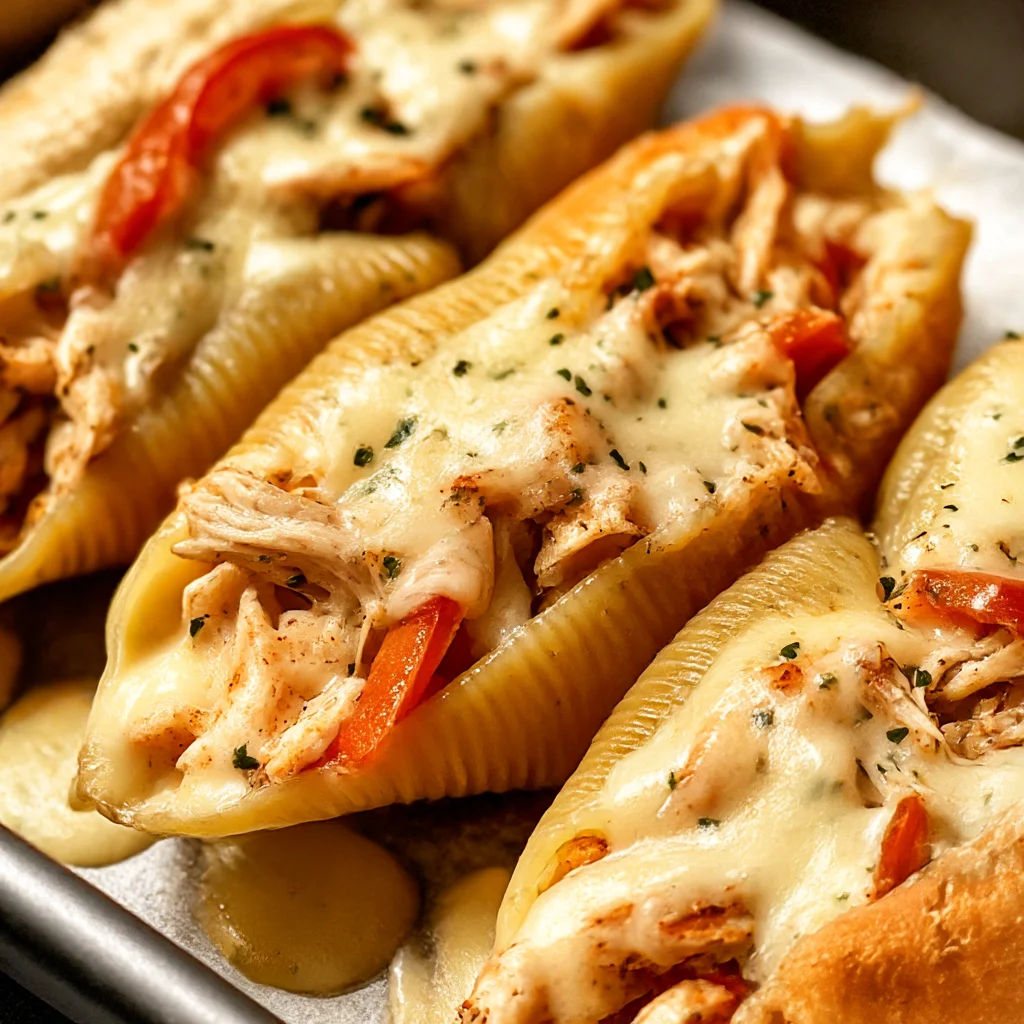
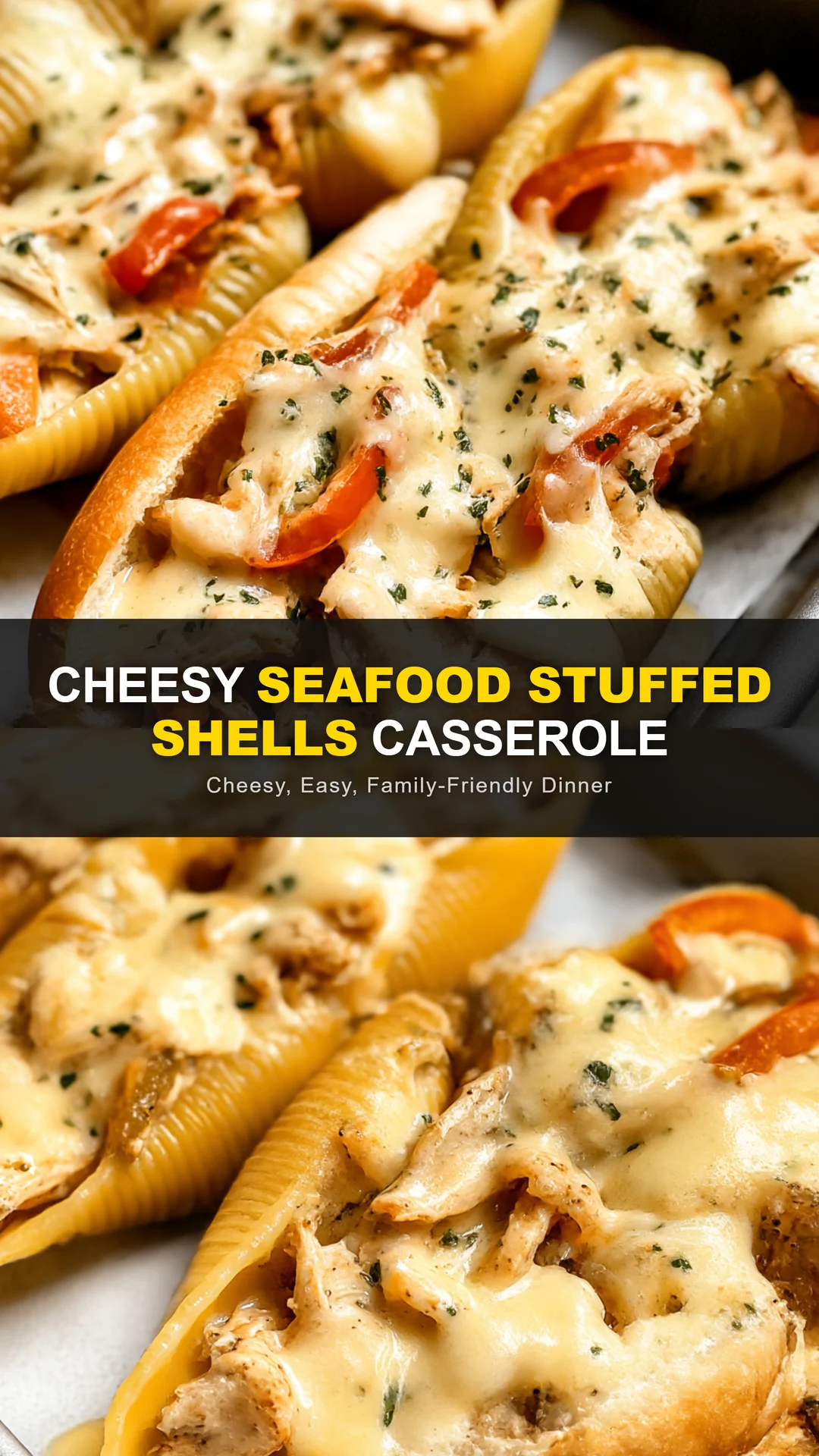
Cheesy seafood stuffed shells casserole is an easy weeknight dinner packed with lobster, crab, and shrimp in a creamy cheese sauce. Family-friendly and high protein.
Ingredients
Instructions
Preheat your oven to 375°F (190°C). Fill a large pot with water and add enough kosher salt so it tastes like the sea—about 1 tablespoon of salt for every 4 cups of water. Bring it to a rolling boil, then add the jumbo pasta shells. Cook according to the package directions, but stop 90 seconds before the suggested al dente time. The shells will continue to cook in the oven, and starting them slightly firm prevents them from turning into mushy, blown-apart pasta boats. Drain the shells, rinse them under cold running water to halt the carryover cooking, and then drizzle with olive oil. Toss gently so every shell is lightly coated; this keeps them from sticking to each other and makes them easier to fill. Lay them in a single layer on a baking sheet or large plate. While the pasta cools, set up your mise en place: mince the shallot and garlic, shred the cheeses, zest the lemon, chop the parsley, and pick through the crab meat to remove any bits of shell or cartilage.
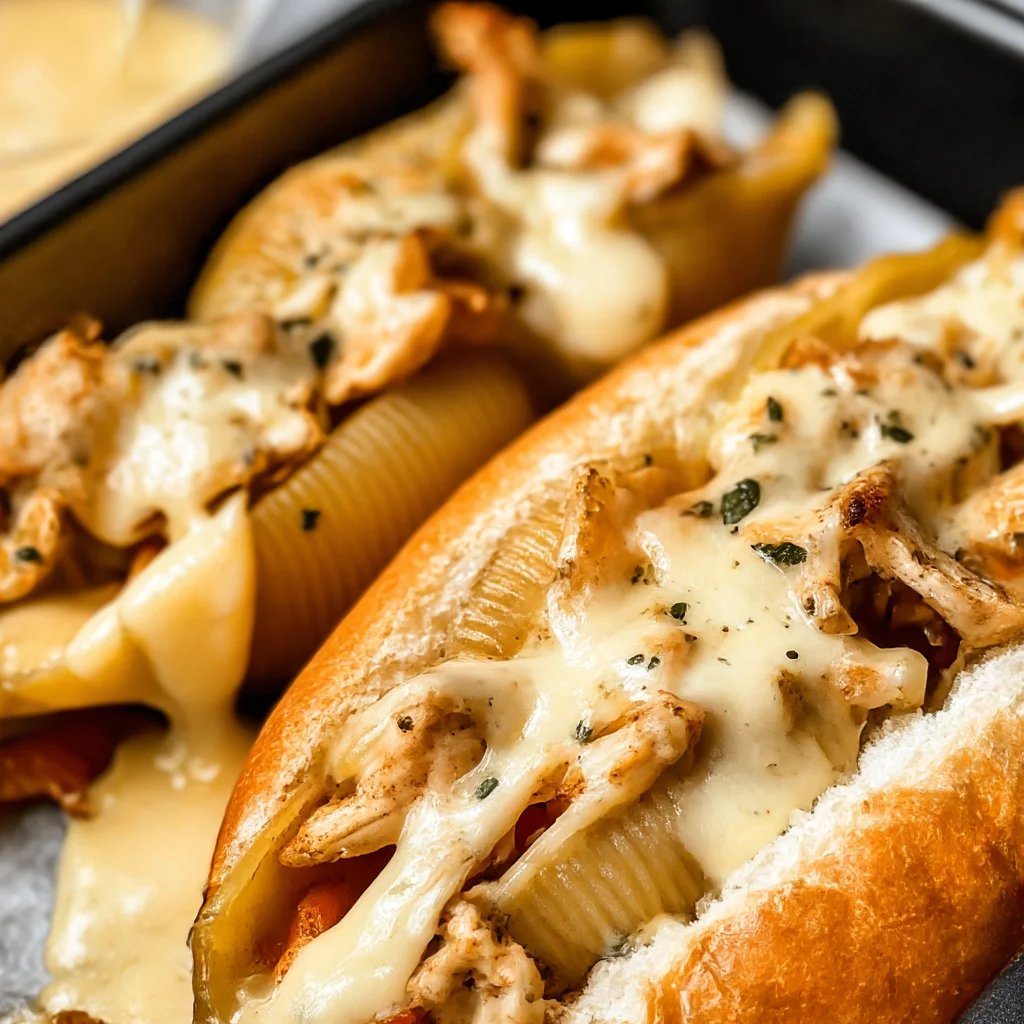
Now make the creamy cheese sauce. Melt the butter in a medium saucepan over medium heat. Add the minced shallot and cook, stirring, for 2 minutes until translucent. Add the garlic and cook for 30 seconds until fragrant—no longer, or it will taste bitter and sharp. Sprinkle in the flour and whisk constantly for 1 minute. This roux step is non-negotiable: it dissolves the flour into the fat so your sauce turns silky instead of lumpy and floury. Slowly pour in the chicken stock while whisking, followed by the milk and cream. Switch to a wooden spoon and stir at a steady pace, scraping the corners of the pan. Bring the sauce to a gentle simmer; let it bubble for 2 to 3 minutes until it thickens enough to coat the back of a spoon. Reduce heat to low, then stir in the cream cheese, 1 cup mozzarella, cheddar, and 1/2 cup Parmesan. Add paprika, Italian seasoning, cayenne, salt, and pepper. Keep stirring until all the cheese has melted into a velvety sauce. If it looks grainy for a second, relax and keep stirring—it will smooth out as the cream cheese fully softens. Taste it and adjust the seasoning; you want it boldly flavored because the pasta and seafood will absorb some of it.
Build the seafood filling. In a large bowl, combine the ricotta, egg, the remaining mozzarella (for filling), the remaining Parmesan (for filling), lemon zest, parsley, and a few cracks of black pepper. Fold everything together until the ricotta is loosened and the mixture is uniform. Now add the chopped shrimp, lump crab, and lobster. This is the moment to be extra gentle: fold the seafood in with a rubber spatula using broad, sweeping motions, just until everything is distributed. You don’t want to mash the crab into tiny shreds or turn the shrimp into mush. Large flakes of crab and chunks of lobster are what make every bite feel special. The filling should be thick, slightly sticky, and hold its shape when scooped. If it seems too loose, add another spoonful of ricotta; if it seems stiff, a little of the cheese sauce will loosen it up. Cover and set aside while you prep the baking dish.
Spoon about 1 cup of the cheese sauce into the bottom of a 9×13-inch baking dish and spread it into an even layer. This pool of sauce keeps the shells moist and prevents the bottoms from scorching. Use a small spoon or a piping bag to stuff the shells. A disposable pastry bag with the corner snipped off makes the job cleaner and faster, but a coffee spoon works just as well. Fill each shell with about 1 1/2 tablespoons of seafood filling, pushing it gently to the bottom of the shell without overstuffing. You want the opening filled to the edge, but if filling oozes out it can cause shells to crack as the pasta expands. Arrange the filled shells in the dish in a single layer, seam side up or down depending on your preference. Nestle them snugly side by side so the sauce surrounds them evenly.
Pour the remaining cheese sauce over the stuffed shells, making sure every shell is covered. Use a spatula to guide the sauce between and over the shells. Sprinkle the top with the reserved mozzarella and Parmesan. At this stage you can cover the dish tightly with foil and refrigerate for up to 24 hours if you’re making it ahead. When ready to bake, place the dish on a rimmed baking sheet to catch any bubbly drips. Bake covered with foil for 20 minutes at 375°F. Then remove the foil and bake for another 8–10 minutes, until the sauce is bubbling around the edges and the cheese on top is golden and slightly crusty in spots. Keep an eye on it during the last few minutes; if the top browns too quickly, you can tent it lightly with foil.
Pull the casserole out of the oven and let it rest on a wire rack for at least 10 minutes before serving. This rest is essential—it gives the cheese sauce time to tighten up into a spoonable coating instead of running all over the plate. The filling will also set just enough that the shells hold together when you lift them out. Garnish with extra chopped parsley and serve with lemon wedges on the side. The bright squeeze of lemon at the table cuts through the richness and highlights the sweet seafood. This final step makes the dish feel like a restaurant meal. Serve with a crisp green salad or garlic bread for a complete family dinner. Leftover shells keep beautifully in the fridge for up to four days, and they reheat well in the microwave or a low oven.
For best results
- The biggest stuffed-shell mistake is boiling the pasta to fully tender before baking. Because the casserole spends 25–30 minutes in a hot oven, the shells will continue absorbing moisture and softening. I recommend cooking the shells for 1–2 minutes less than the package directs and then refreshing them in cold water. The cold-water rinse stops carryover cooking and firms up the starch so the shells are pliable yet sturdy. After draining, toss with a little olive oil; this coats the surfaces and keeps them from sticking to the baking sheet or to each other while you prepare the rest of the casserole. If a shell tears during cooking, don't worry—you can patch it with a bit of sauce or press the filling into the opening; the cheese sauce will hide small imperfections.
- Treat the seafood with a light hand. Lump crab is delicate, and tossing it too forcefully will break apart those beautiful sweet flakes. Use a spatula and fold with broad strokes until just combined. If you’re using frozen seafood, make sure it is completely thawed and patted dry before adding it to the filling. Excess water will make the ricotta loose, causing the stuffing to ooze out and the bottom of the casserole to become watery. Also, consider buying shell-on shrimp and cooking them briefly yourself; the flavor is noticeably sweeter, and you can save the shells to make a quick seafood stock for the sauce.
- The cheese sauce is your opportunity to layer flavor. Start with a proper roux—cook the flour until it’s lightly golden, about 60 seconds, so you don’t taste raw flour in the final dish. When you add the cream cheese, give it time to melt fully before adding the other cheeses. Season generously but carefully; seafood and cheese both contain salt, so taste as you go. A pinch of cayenne or a dash of hot sauce won’t make the casserole spicy but will brighten the cream sauce and enhance the sweetness of the lobster and crab. If you want an extra indulgent top, stir 1/2 cup of panko breadcrumbs with a tablespoon of melted butter and sprinkle on top just before baking.
- Make-ahead magic: this casserole is a brilliant party dish because it can be assembled fully ahead. After you fill the shells and pour the sauce over the top, cover the dish tightly with plastic wrap and then with foil. Refrigerate for up to 24 hours. When you’re ready to bake, allow the dish to sit at room temperature for 20 minutes to take the chill off the glass or ceramic dish. Then bake covered at 375°F for 25 minutes and uncovered for 10 more. You may need to add 5 minutes if the casserole is still cold in the center. The finished casserole can also be frozen for up to 3 months—just thaw overnight in the fridge before baking.
- To get perfectly filled shells without breakage, use a piping bag. Fit a storage bag with a large open-star tip, or simply cut a ½-inch hole in the corner. Fill the bag with the seafood mixture, twist the top to create pressure, and pipe into the shells from one end to the other. This technique is faster than spooning and forces the filling into every nook without pushing the pasta apart. If you don’t have a piping bag, use a small coffee spoon and stuff gently in two batches—add a little filling, compact it with the back of the spoon, then fill the rest. Leaving a tiny bit of space at the top allows the filling to expand without cracking the shells.
- Reheating leftovers correctly makes a huge difference. Microwaving individual shells for about 90 seconds at medium power works, but the sauce may turn greasy if you blast it on high. For a better result, reheat in a 325°F oven: place leftover shells in an oven-safe dish, splash a spoonful of milk or cream over the top, cover with foil, and heat for 12–15 minutes. The added moisture revives the sauce and keeps the pasta tender. You can also freeze individual shells in a freezer-safe container and take out just what you need for a quick lunch. That way, one casserole becomes several easy weeknight dinners.
Variations
- Crab & Shrimp Stuffed Shells: If lobster is hard to find or you want to keep costs down, omit it and use 8 ounces of extra lump crab meat instead. The lump crab has a naturally sweet, briny flavor that pairs beautifully with the three-cheese filling. You can also add a handful of cooked, chopped scallops to the filling for a mixed-seafood version that feels extra coastal and luxurious.
- Lighter Creamy Seafood Shells: Swap the heavy cream for half-and-half or an extra cup of low-sodium chicken stock mixed with a tablespoon of cornstarch. Use part-skim ricotta, reduced-fat mozzarella, and reduced-fat cream cheese. You’ll still get a creamy, satisfying casserole with noticeably less saturated fat. To keep the protein high, consider adding a can of drained white beans or extra shrimp. The texture will be a bit looser, but it still bakes beautifully and is perfect for anyone counting macro grams.
- Cajun Seafood Stuffed Shells: Give this casserole a Southern twist by adding 1–2 teaspoons of Cajun seasoning to the cheese sauce and 1/2 teaspoon of smoked paprika. Fold a little diced Andouille sausage into the seafood filling for an extra smoky, spicy bite. Finish each serving with a sprinkle of sliced green onions and a few dashes of hot sauce. The heat from the spices plays wonderfully against the cool richness of the sauce and the sweet crab and shrimp.
- Spinach & Artichoke Seafood Shells: Fold 1 cup of thawed, squeezed-dry chopped frozen spinach and 1/2 cup of chopped canned artichoke hearts into the filling. The spinach adds color and earthy flavor, while the artichokes give a subtle tang. This variation is a smart way to sneak extra vegetables into a family meal. Just be sure to squeeze all the liquid out of the spinach; otherwise, it can make the filling watery and prevent the shells from holding together.
- Chicken Alfredo Stuffed Shells (Non-Seafood Option): If you’re feeding picky eaters or someone with a shellfish allergy, swap the seafood for 2 cups of shredded rotisserie chicken. Use the same cheese sauce and add 1/2 cup of sautéed mushrooms or broccoli florets. The chicken version bakes almost exactly like the seafood version and is just as family-friendly. This is a great pantry-staple fallback when you don’t have lobster, crab, or shrimp on hand but still want a warm, comforting casserole.
Nutrition
- Calories420 kcal
- Total Fat22g
- Saturated Fat12g
- Cholesterol115mg
- Sodium820mg
- Total Carbohydrates28g
- Dietary Fiber2g
- Sugars4g
- Protein29g