
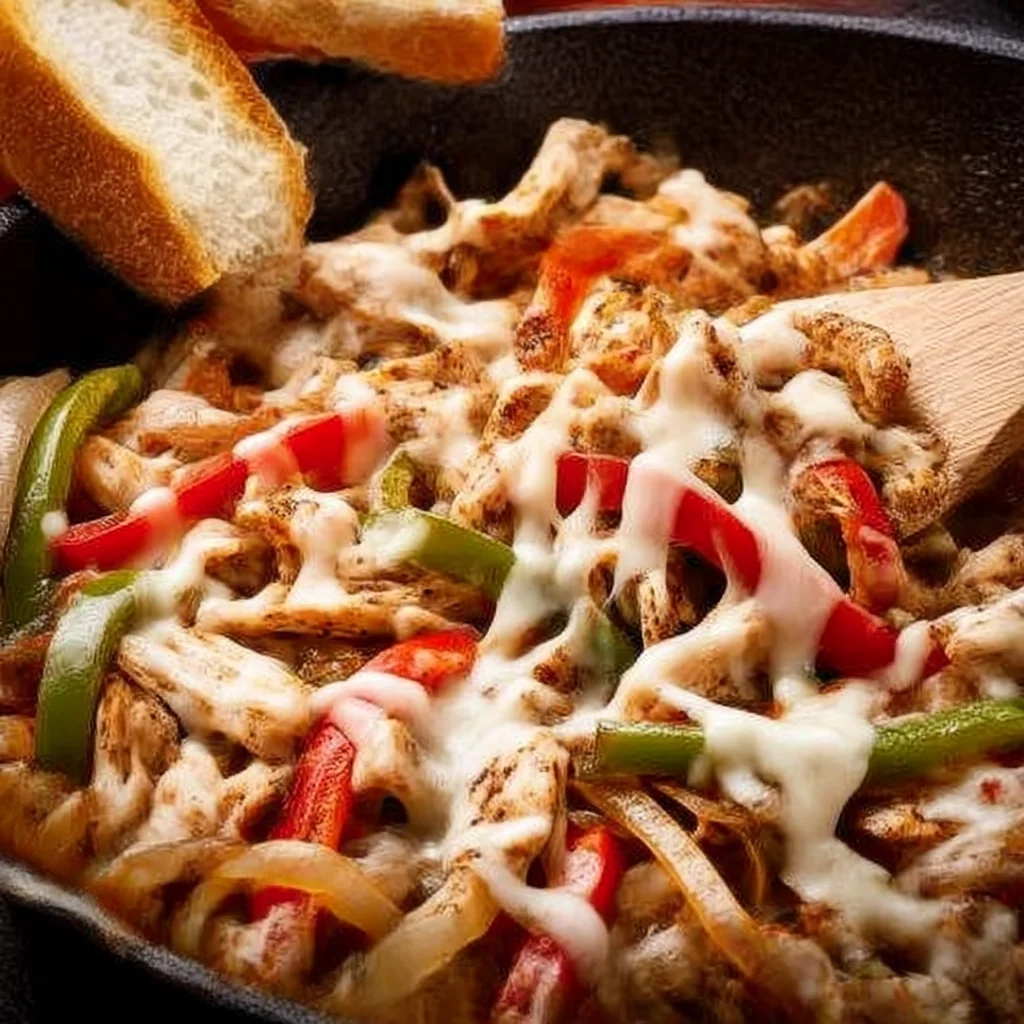
This Chicken Cheesesteak Skillet is a quick 30-minute one-pan dinner packed with tender chicken, melty provolone, peppers, and onions. An easy weeknight family meal!
Ingredients
Instructions
Before you turn on the heat, take a few minutes to prep everything. Slice the chicken breasts into thin, even strips against the grain; this helps them cook quickly and stay tender. Cut the bell peppers and onion into similar thin strips so they cook at the same rate, and mince the garlic. Get the provolone slices out of the fridge so they can come to room temperature—cold cheese melts unevenly and can make the skillet clumpy. Set the hoagie rolls on a sheet pan, spread with softened butter, and set aside. This is the key to a successful 30-minute skillet dinner: once the cooking starts, it moves fast, and having your ingredients organized means you can focus on nailing the sear and the melty cheese finish.
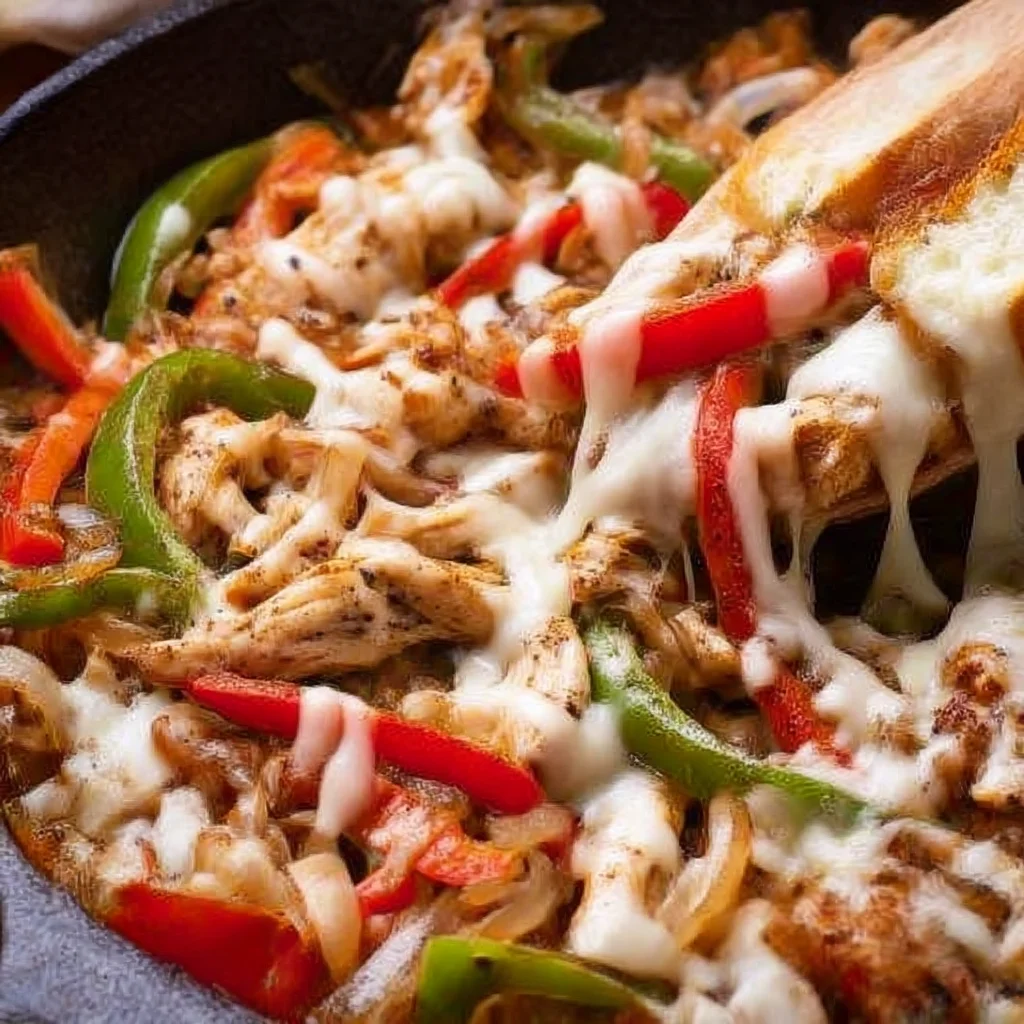
Place a large 12-inch cast-iron skillet or heavy-bottomed stainless steel pan over medium-high heat. You want it hot enough that a drop of water sizzles instantly. Add 1 tablespoon of the olive oil and swirl to coat the surface. Carefully lay the sliced chicken in a single, even layer—avoid overcrowding the pan. If the chicken overlaps, it will steam instead of sear, and you won’t get those golden, savory nuggets that make cheesesteaks so satisfying. Let the chicken cook undisturbed for 2 to 3 minutes until the bottom is browned and caramelized. Then use a spatula to flip and continue cooking for another 2 minutes. You want the chicken almost cooked through but still slightly soft in the center because it will finish cooking later with the peppers and onions. Season with a pinch of salt and pepper. Transfer the chicken to a clean plate and set aside; it’s okay if it’s not fully done.
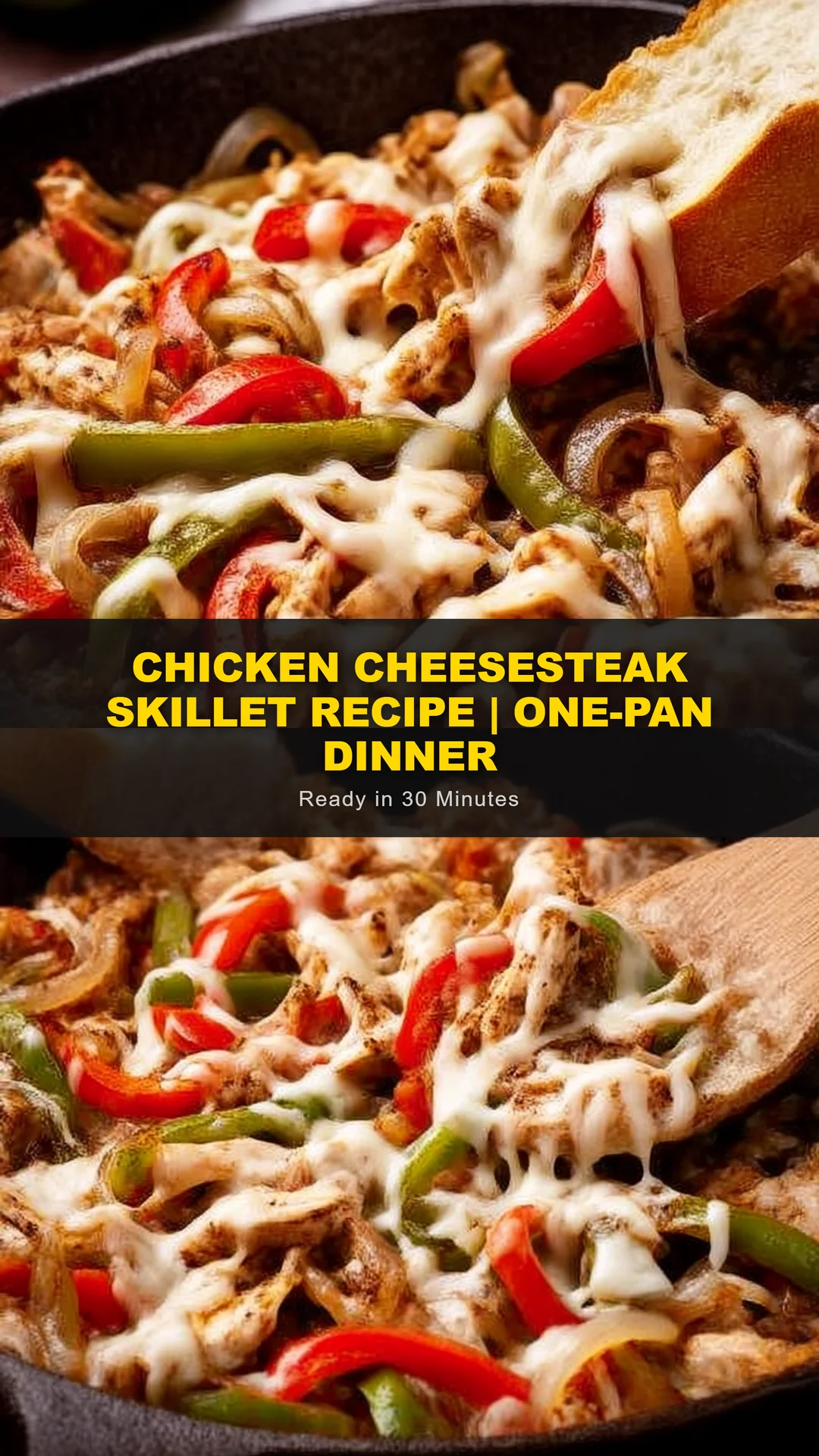
In the same skillet, reduce the heat to medium and add the remaining 1 tablespoon of olive oil. The skillet will have browned bits from the chicken—don’t scrub them away; they are packed with flavor. Add the sliced onions and peppers, stirring to coat them in the oil and the browned drippings. Let them cook, stirring occasionally, for about 5 to 7 minutes, until the onions turn translucent and the peppers soften but still have a little crunch. The goal is a tender-crisp texture that holds up beneath the cheese. Scrape the bottom of the skillet as you stir to dissolve the fond (those browned bits) into the vegetables. Add the minced garlic, smoked paprika, Italian seasoning, and Worcestershire sauce, then cook for another 30 seconds until the garlic is fragrant. The smell at this point is incredible—sweet peppers, savory spices, and a whisper of umami from the Worcestershire.
Return the seared chicken to the skillet along with any juices that collected on the plate. Give everything a good toss to combine the chicken with the peppers and onions. Spread the mixture into an even layer across the bottom of the skillet. Let it cook for 1 to 2 minutes, just long enough for the chicken to finish cooking and for the flavors to meld. Taste the filling and adjust the salt and pepper as needed. Remember that the provolone cheese will add saltiness, so don’t overdo it now. At this point, you can also turn off the heat if you’re concerned about overcooking; the residual heat of the skillet is enough to warm everything through and melt the cheese later.
Now comes the cheesy, indulgent finish. Arrange the provolone slices over the chicken and vegetable mixture in an overlapping layer. You want complete coverage but not a mountainous pile—eight ounces is just right for four servings. Turn the heat to low, cover the skillet with a lid or a sheet of aluminum foil, and let it sit for 2 to 3 minutes. The gentle heat and trapped steam will melt the cheese into a creamy, stretchy blanket that drapes over the filling. When you lift the lid, you should see the cheese fully melted and lightly bubbling at the edges. If you prefer a deeply golden, almost blistered top, transfer the skillet to a preheated broiler for 1 to 2 minutes—keep a close eye on it because cheese can burn quickly.
While the cheese is melting, toast the split hoagie rolls. Place them open-faced under a broiler or in a toaster oven for 1 to 2 minutes until the cut sides are golden brown and crisp. Toasting creates a barrier that helps the bread hold up to the juicy filling without becoming soggy. You can also warm them in the same skillet after removing the filling? Actually the classic way to serve this is either as a skillet dish scooped onto toasted bread or as sandwiches. For the classic cheesesteak experience, pile the hot chicken-cheese mixture onto the bottom half of each toasted roll, close the top, and press gently. The cheese will glue everything together in every delicious bite.
To serve, pile the cheesy chicken mixture generously onto the toasted rolls for a handheld sandwich, or serve it right from the skillet with toasted bread on the side for a low-lift, one-pan dinner. Spoon the extra juices and bits of melted cheese over the top for maximum flavor. Garnish with fresh parsley if desired. Leftovers can be stored in an airtight container in the refrigerator for up to 3 days. To reheat, place the filling in a skillet over medium-low heat with a splash of water, cover, and cook until heated through, approximately 5 minutes. You can also microwave individual portions, though the vegetables soften further. The rolls are best toasted fresh on the day you make them. This Chicken Cheesesteak Skillet is made for busy weeknights, and it’s about to become your go-to 30-minute dinner.
For best results
- Use a hot skillet for a proper sear. Pat the chicken dry with paper towels before slicing and seasoning. The drier the surface, the deeper the browning. Don't crowd the pan; sear in batches if necessary. The Maillard reaction is what creates the deep, savory flavor that makes this taste like it simmered all day.
- Slice chicken thinly against the grain. Partially freezing the chicken breast for 15 to 20 minutes makes it easier to cut into ultra-thin, uniform strips. This is a chef trick for getting perfect slices without shredding the meat.
- Choose the right melting cheese. Provolone is classic Philly, but deli-sliced American cheese gives an unbearably creamy melt. A mix of provolone and mozzarella is great too. Avoid pre-shredded bags; they often have anti-caking starches that prevent smooth melting. If you buy a block, slice it about 1/8-inch thick.
- Don't rush the vegetables. Cooking peppers and onions at medium heat for 5 to 7 minutes softens them and brings out their sweetness. The subtle caramelization adds depth. If you crank the heat too high, they'll char on the outside and stay crunchy inside.
- Toast the bread or serve it open-faced. The skillet filling is juicy, and the bread needs a crunchy toast barrier to keep from getting watery. A 2-minute broil or toast in a dry skillet works perfectly. If you're keto, skip the bread and serve over a bed of roasted vegetables or a crisp lettuce wrap.
- Let the cheese melt gently. Avoid high heat. Use low heat and a cover to create a steam trap. If you want a browned top, use the boiler for a minute or two at the very end; this gives a golden, bubbly look without drying out the chicken.
- Make it a meal. Serve your chicken cheesesteak skillet with a simple green salad, roasted potatoes, or a bowl of tomato soup. You can also spoon the filling into tortillas for an easy wrap or over cooked pasta for a fun mash-up.
Variations
- Low-Carb / Keto Chicken Cheesesteak: Use the same filling but skip the rolls and serve over sautéed zucchini noodles, cauliflower rice, or a large butter lettuce cup. The filling has enough fat and cheese to feel satisfying.
- Spicy Buffalo Chicken Cheesesteak: Toss the cooked chicken with hot sauce (Frank's or buffalo) before adding back to the skillet. Add crumbled blue cheese or ranch dressing on top before serving.
- Pepperoni / Pizza Style Cheesesteak: Swap the provolone for mozzarella and sprinkle with Italian sausage crumbles and pepperoni before melting. Serve on a toasted ciabatta loaf with pizza sauce on the side.
- Mushroom and Swiss Chicken Cheesesteak: Sauté an 8 oz package of sliced mushrooms with the peppers and onions. Use Swiss cheese instead of provolone. The mushrooms add an earthy flavor that pairs beautifully with the chicken.
Nutrition
- Calories580 kcal
- Total Fat25g
- Saturated Fat11g
- Cholesterol120mg
- Sodium980mg
- Total Carbohydrates38g
- Dietary Fiber3g
- Sugars7g
- Protein46g