
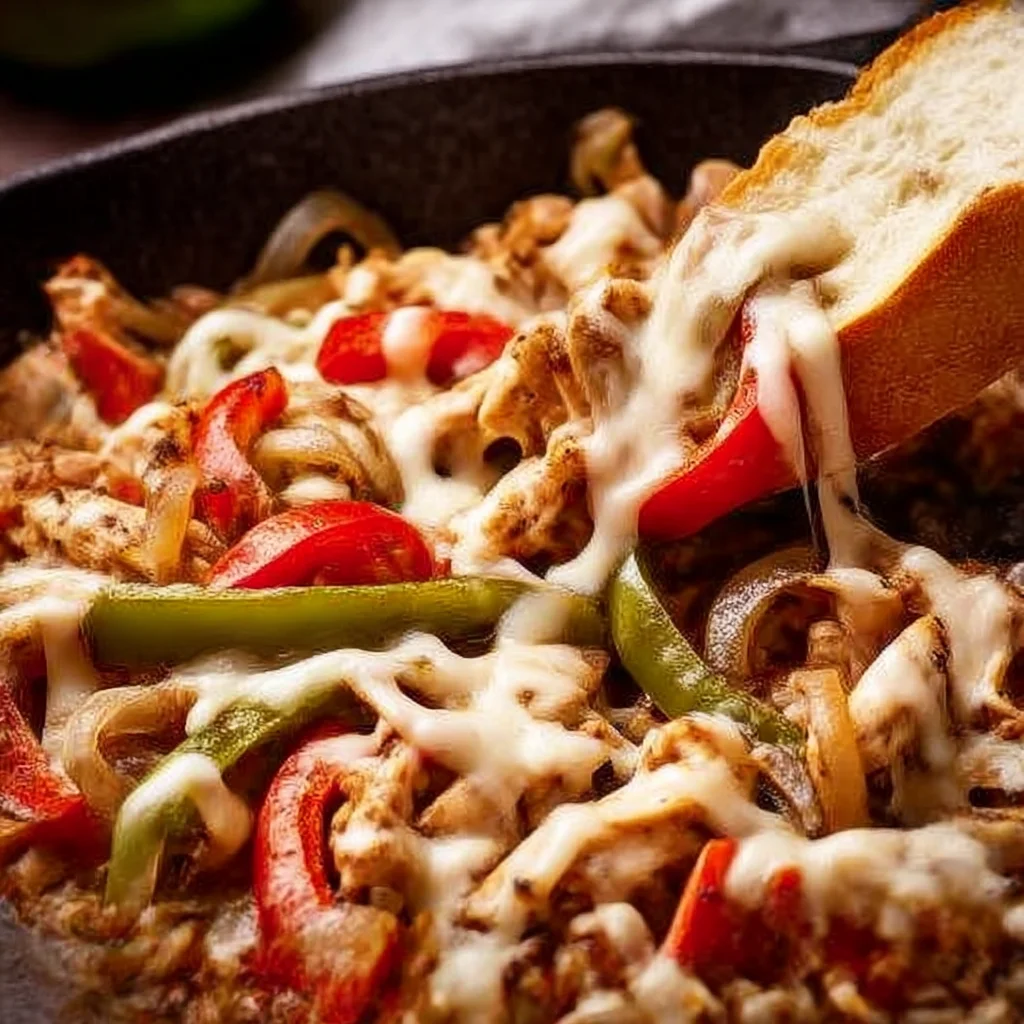
Try this 30-Minute Chicken Cheesesteak Skillet for an easy weeknight dinner with tender chicken, sautéed peppers, onions, and gooey provolone in one pan.
Ingredients
Instructions
Before turning on the heat, gather all ingredients and complete your prep — this is the secret to a true 30-minute meal. Start by patting the chicken dry with paper towels and slicing it thinly against the grain into ¼-inch strips. Use a sharp chef’s knife and a steady hand to keep the slices uniform so they cook evenly. Next, cut the bell peppers into thin 2-inch strips and thinly slice the onion from root to tip. Mince the garlic and set it aside separately from the vegetables because it cooks faster and will scorch if added with the other aromatics. Set the provolone slices out of the fridge so they come to room temperature and melt more quickly and smoothly. Season the chicken with half of the salt, half of the pepper, the smoked paprika, and the oregano. Toss everything on a cutting board or in a bowl until every strip is coated. Place a 12-inch cast-iron skillet over medium-high heat and let it warm for 2 to 3 minutes. A properly preheated pan gives the chicken a beautiful sear and creates the browned bits — called fond — that later build the dish’s savory flavor. While you work, keep an eye on the pan: you want the oil to be shimmering and almost smoking but not smoking. Now you are ready to cook.
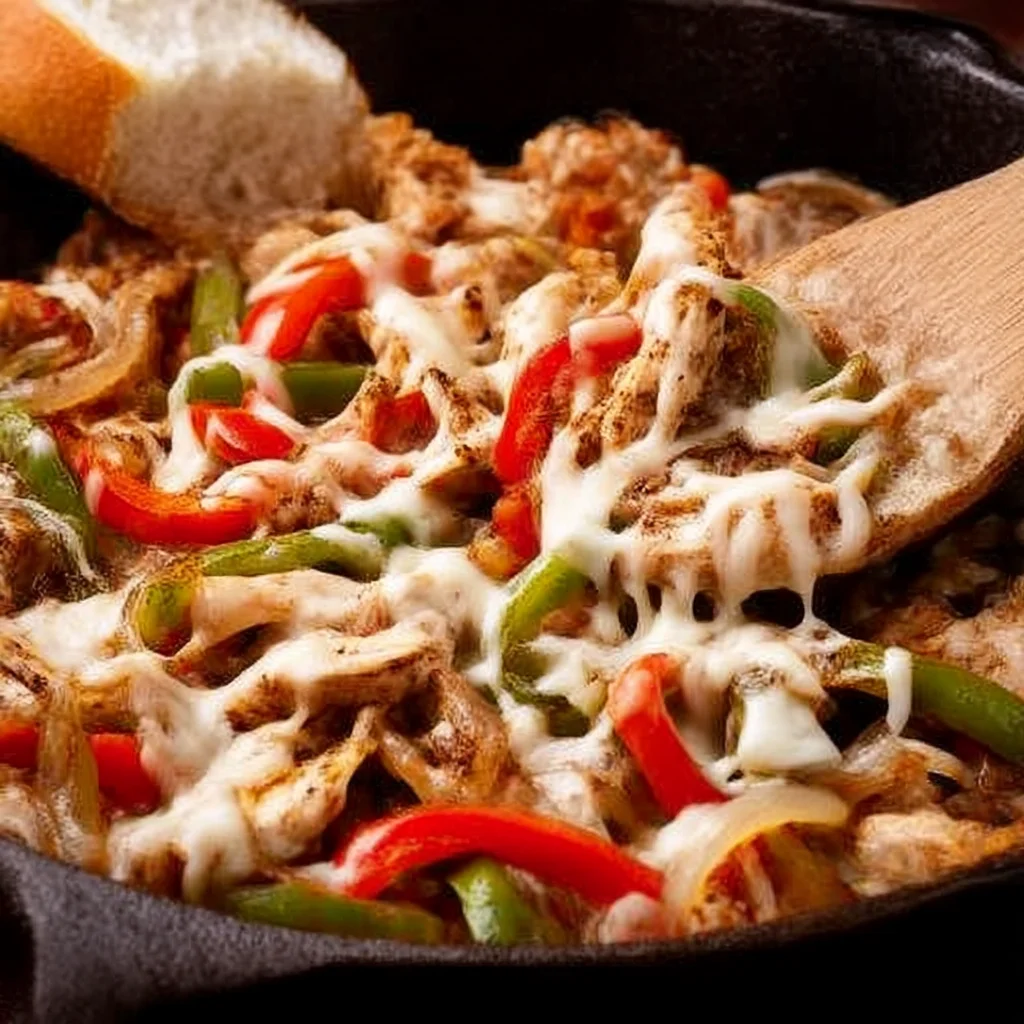
Add the olive oil to the hot skillet and swirl to coat the entire bottom. Carefully add the seasoned chicken strips in a single layer — do not overcrowd the pan. If your skillet is not large enough, sear in two batches. Overcrowding lowers the pan temperature and causes the chicken to release liquid and steam, which means pale, rubbery meat instead of golden, juicy bites. Let the chicken cook undisturbed for 2 minutes without stirring. This allows the contact side to develop a deeply caramelized crust. After 2 minutes, stir and continue cooking for 2–3 more minutes, just until the chicken is golden and cooked through (165°F internal temperature). Use a slotted spoon to transfer the chicken to a plate. Don’t worry if the chicken isn’t completely brown on every side — it will finish cooking later. Leave any browned bits in the skillet; they are pure flavor. Set the chicken aside.
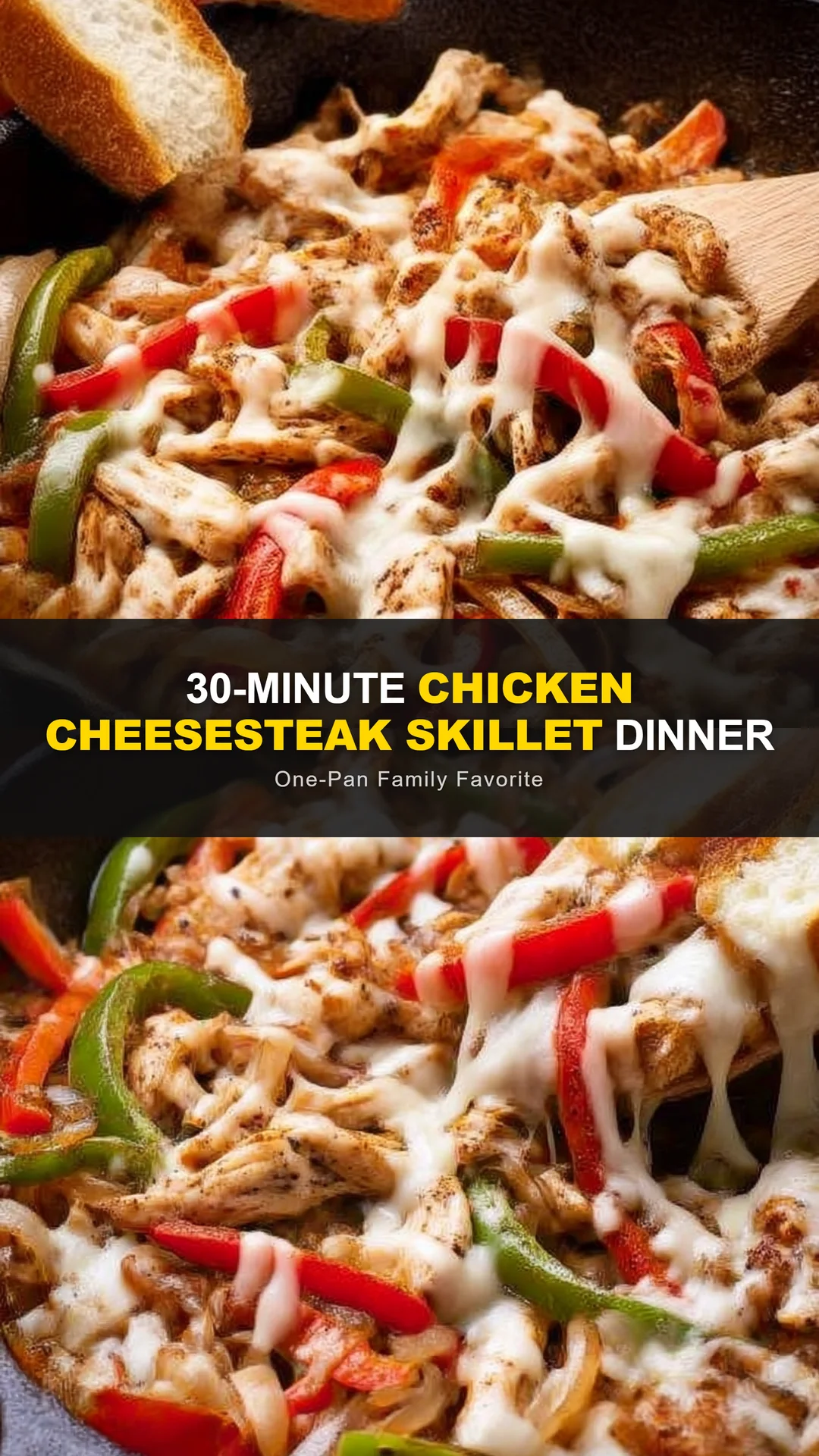
Turn the heat down to medium and add the butter to the same skillet. As it melts, scrape the bottom of the pan with a wooden spoon to release those browned bits. This is your first deglazing step, and it mixes the fond into the butter to create a rich base for the vegetables. Add the sliced onions and peppers with a pinch of salt. Toss to coat them in the foaming butter, then spread them out into an even layer. Let them cook, stirring occasionally, for 5 to 6 minutes. You want the onions to soften and turn translucent, and the peppers to become tender but still have a little crunch. If you prefer softer, caramelized onions, cook for 8 minutes longer over medium-low heat. The smell will become sweet and savory rather than sharp. Add the minced garlic in the last minute of cooking. Garlic needs only 30 to 45 seconds to release its aroma; any longer and it burns and turns bitter. Stir constantly until fragrant — about 30 seconds. If the pan looks dry at any point, add a splash of chicken broth. The steam will loosen food from the bottom and keep the vegetables from charring.
Return the cooked chicken to the skillet along with any juices that collected on the plate. Pour the chicken broth into the pan and stir everything together. Use the liquid to scrape the bottom of the pan one more time, ensuring every browned flavor bit is incorporated. Let the mixture simmer for 1 to 2 minutes so the chicken warms through and absorbs some of the liquid. The broth not only adds moisture but also thins the pan juices so the cheese melts better. Season with the remaining salt and pepper. Toss in any extra herbs if desired. The filling should look glossy and smell deeply savory. Spread it evenly across the skillet.
Arrange the provolone slices over the top of the hot chicken and vegetable mixture, overlapping them as needed so they cover most of the surface. Reduce the heat to low and cover the skillet with a lid or aluminum foil. Let the cheese melt for 2 to 3 minutes. Keep the heat low so the cheese melts without bubbling over or browning too quickly. When the cheese is fully melted, gooey, and just beginning to bubble at the edges, remove the skillet from the heat. If you prefer browned cheese, place the skillet under the broiler for 1 to 2 minutes after melting, watching closely to avoid burning. For a traditional cheesesteak feel, you can also add a pinch of dried oregano or red pepper flakes here. The cheese should drape over the chicken and peppers in ribbons, creating that irresistible pull-apart effect in every bite.
Let the skillet rest for 3 minutes before serving. This brief rest allows the cheese to set slightly and keeps it from sliding off when served. Spoon the chicken cheesesteak mixture onto soft hoagie rolls, or serve it directly from the skillet over rice, pasta, or a bed of greens for a low-carb option. If using rolls, toast them lightly with butter on a separate pan for extra crunch. Garnish with fresh parsley if you like. Store leftovers in an airtight container in the refrigerator for up to 4 days. Reheat gently on the stovetop or in the microwave; add a splash of broth to restore moisture. This one-pan meal is perfect for busy weeknights because everything comes together in 30 minutes with minimal cleanup.
For best results
- Use a heavy-bottomed skillet or cast-iron pan. Cast iron retains heat exceptionally well, which means you can achieve a hard sear on the chicken without dropping the pan's temperature when you add the meat. It also goes from stovetop to broiler if you want browned bubbly cheese. If you only have nonstick, use slightly lower heat and be careful not to scratch the surface. Whichever pan you choose, preheat it for a full 2 to 3 minutes before adding oil.
- Pat the chicken strips dry before seasoning. Surface moisture is the enemy of browning. When chicken hits a hot pan, the water evaporates and creates steam, which steams the meat instead of searing it. Dry chicken and a hot pan give you that signature golden crust and juicy interior. Also, slice the chicken against the grain — the fibers are shorter, making each bite more tender instead of chewy.
- Treat the vegetables with patience. Onions and peppers need enough space and heat to soften and caramelize rather than just warm through. Stir them occasionally but not constantly, allowing caramelization to happen. If they're packed too tightly, they'll steam and become pale. A pinch of salt helps draw out moisture and encourages browning. Cook them until they are soft and slightly sweet, not crunchy and raw.
- Select a good melting cheese. Provolone is classic for cheesesteaks because it melts into a smooth, stretchy layer and has a mild, buttery flavor. You can use mozzarella, Monterey Jack, or mild cheddar. For an authentic Philly-style hit, follow with Cheese Whiz — it gives that unmistakable drippy texture. Grate or slice from a block; pre-shredded cheese contains anti-caking agents that can prevent smooth melting.
- Make it a meal prep win. The entire filling can be cooked ahead, cooled, and refrigerated for up to 4 days. When you're ready to eat, reheat gently on the stovetop with a splash of chicken broth to bring back the moisture. You can also slice the chicken and vegetables up to 24 hours in advance and store them separately in zip-top bags. Then dinner takes just 15 minutes from start to finish.
- Don't skip the rest time. When the skillet comes off the heat, the cheese is molten and the juices are still running. Give it a few minutes rest to allow the cheese to set slightly. This prevents the cheese from sliding off when you scoop it onto a roll. It also lets the chicken reabsorb some liquid, keeping it moist and delicious.
Variations
- Low-Carb / Keto Version: This skillet is naturally low in carbs if you skip the bread. Serve the chicken cheesesteak mixture over cauliflower rice, in crisp lettuce cups, or alongside roasted green beans. You can also reduce the onions and peppers a bit and add sautéed mushrooms instead. Keep the provolone or swap in mozzarella for extra creaminess. With the chicken and cheese, the protein stays high while the carbs stay minimal.
- Classic Philly-Style Chicken Cheesesteak: Add a handful of sliced cremini mushrooms to the skillet with the peppers and onions, and serve the filling on a crusty hoagie roll. For a truly classic texture, finish with melted provolone and a little Cheese Whiz sauce drizzle. Add hot or sweet pickled peppers on the side. If you prefer steak, swap the chicken for thinly sliced ribeye or sirloin — just sear it quickly the same way and use beef broth instead of chicken broth.
- Spicy Southwestern Twist: Season the chicken with 1 teaspoon chili powder, 1 teaspoon cumin, and ½ teaspoon smoked paprika instead of the oregano. Add a minced jalapeño with the garlic and swap the provolone for pepper jack cheese. Serve with sliced avocado and a dollop of sour cream or Greek yogurt. This variation adds a smoky, spicy kick that pairs beautifully with the charred peppers.
- Vegetarian or Vegan Version: For a plant-based meal, use 1 pound of sliced firm tofu, tempeh, or your favorite plant-based chicken strips. Sauté the tofu in a little oil until golden brown, then set it aside and follow the rest of the recipe. Use vegan butter and vegetable broth, and replace the provolone with a dairy-free melting cheese. Add a tablespoon of nutritional yeast to the filling for an extra savory, cheesy flavor. Serve on crusty bread or over grains for a filling dinner.
- Budget-Friendly Ground Chicken Version: Instead of chicken breasts, use 1 pound of ground chicken or turkey. Cook the ground meat in the skillet, breaking it up with a spoon until no pink remains, then remove it and proceed with the vegetables. This version is cheaper and even faster because you don't have to slice chicken. Use American cheese or a budget-friendly cheddar to lower the cost while keeping the melty goodness.
Nutrition
- Calories480 kcal
- Total Fat24g
- Saturated Fat12g
- Cholesterol120mg
- Sodium890mg
- Total Carbohydrates12g
- Dietary Fiber3g
- Sugars5g
- Protein52g