
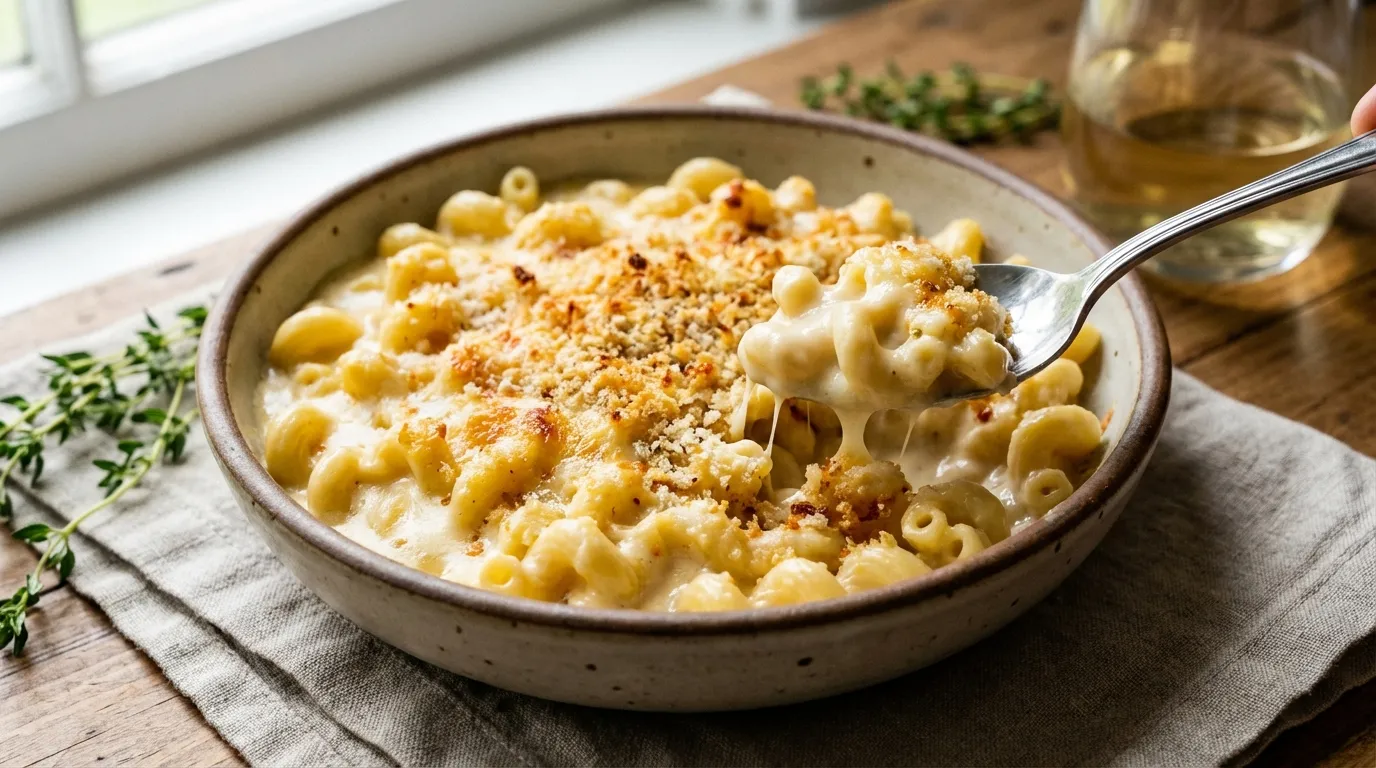
To increase your children’s daily protein intake without resistance, employ culinary “texture-hiding” techniques that mask nutritional density within safe, familiar comfort foods. By using high-speed homogenization and micro-grating, you can integrate up to 25g of high-quality protein per serving into meals like macaroni and cheese or meatballs without altering their visual or sensory profile.
The “Texture Trap”: Why Kids Reject Healthy Food
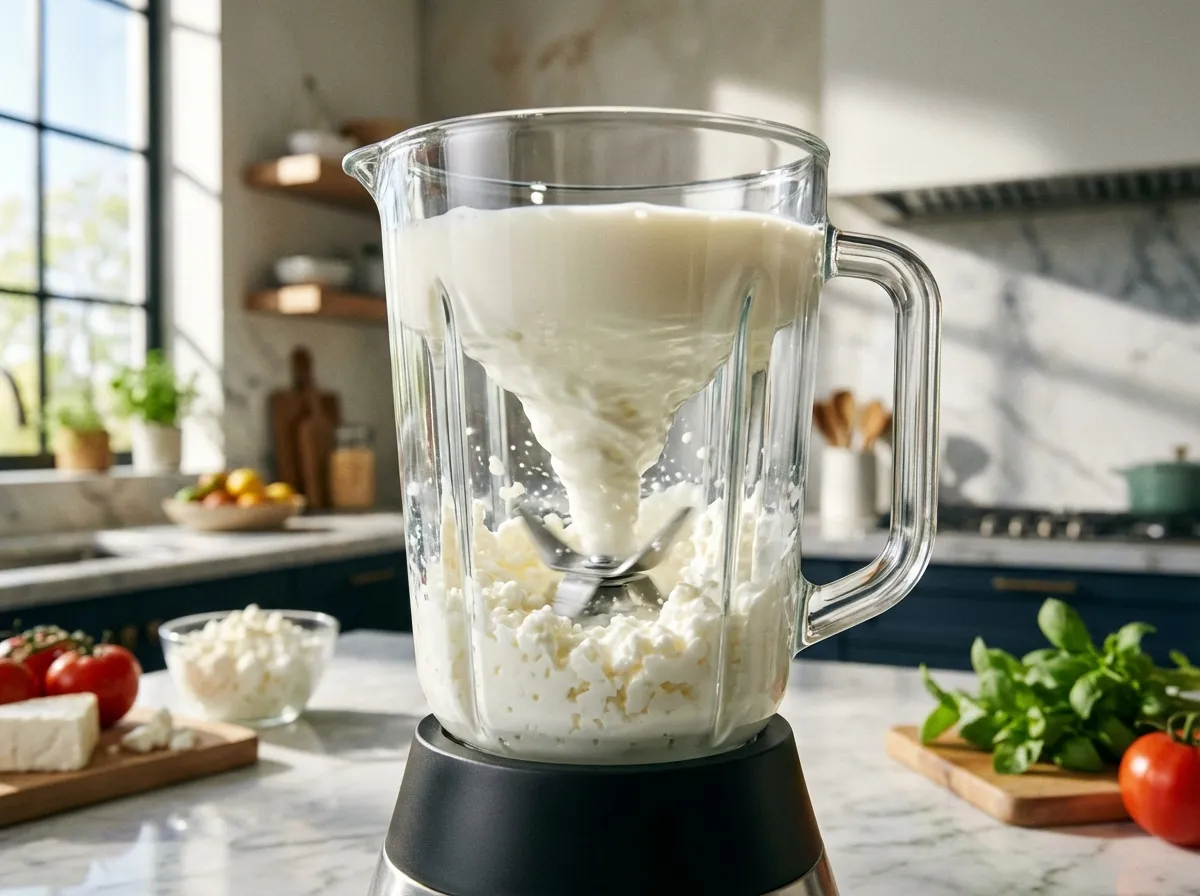
Homogenization is the key: using a high-speed blender to turn lumpy ingredients into invisible silken sauces.
Picky eating is a psychological rejection of unfamiliar textures rather than a response to complex flavor profiles. Children rely on mental models of “safe” foods; the chef’s solution is structural homogenization, which uses blending and high-heat emulsification to integrate nutrient-dense ingredients into the visual and textural continuity of trusted, familiar meals.
The Beige Food Arbitrage
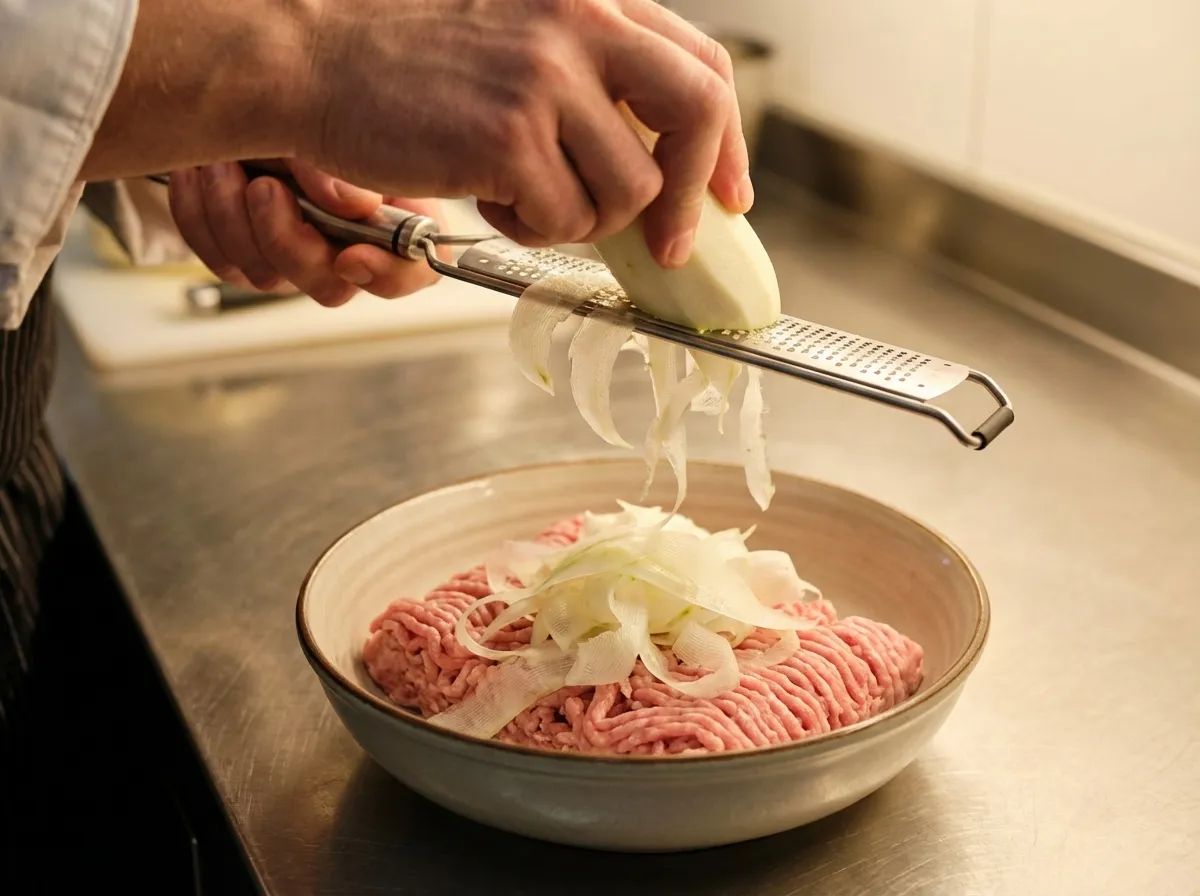
Crucial Step: Peel the zucchini 100% to ensure the healthy additions stay invisible to picky eaters.
Beige Food Arbitrage is a culinary method of loading nutritional density into “safe” beige foods—such as pasta or ground meat—without detection by the child’s eyes or palate.
| “Safe” Beige Food | Hidden Protein Addition | Chef Structural Hack | Protein Boost Per Serving |
|---|---|---|---|
| Mac & Cheese | Low-fat cottage cheese | High-speed homogenization into cheddar sauce | +12g casein protein |
| Sloppy Joes | Canned white beans | Pureed into tomato base before simmering | +8g plant protein |
| Turkey Meatballs | Peeled, microplaned zucchini | Grated into raw meat matrix | Moisture boost; texture vanishes |
| Pancake Batter | Liquid egg whites | Whipped into wet ingredient mix | +10g albumin protein |
The Trojan Horse: Why Cottage Cheese Belongs in Mac and Cheese

The ‘Trojan Horse’ method: adding 30g of casein protein without changing the visual look of the cheese sauce.
Cottage cheese becomes an invisible, protein-rich base for cheese sauces when processed in a high-torque blender for 60 seconds at 15,000+ RPM. This process converts lumpy curds into a silken, neutral liquid that emulsifies into hot cheddar sauce, providing 30g of slow-digesting casein protein per serving without any detectable dairy sourness or textural lumps.
Why Blender Speed Is Not Optional Here
A standard 300–500 watt blender lacks the torque to break down cottage cheese curds into a microscopic silk. Operating at speeds below 15,000 RPM leaves curd remnants that are detectable on the tongue, which triggers immediate rejection by picky eaters. High-torque blending is mandatory to ensure the protein integrates into the sauce matrix.
The “Half-and-Half” Grated Meat Technique
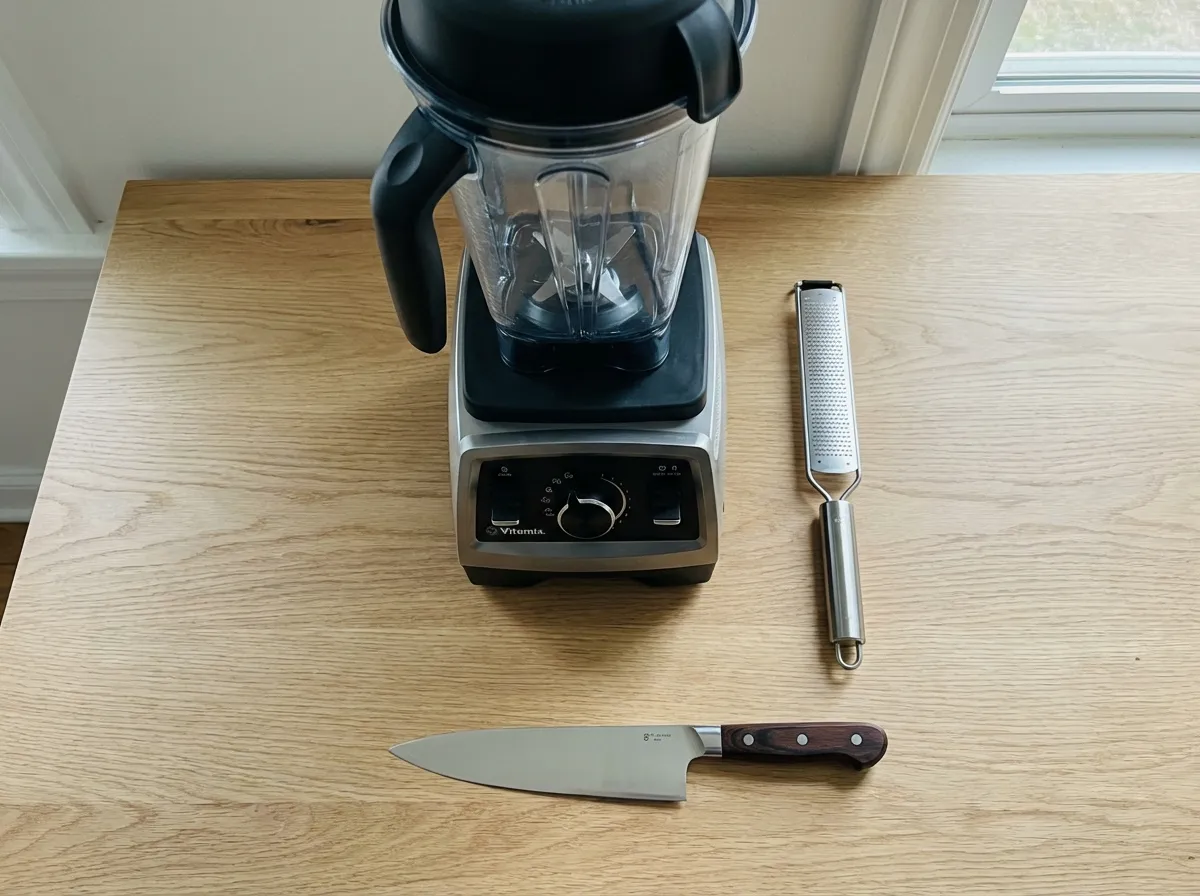
The essential toolkit for 30-minute protein-packed success: speed, precision, and homogenization.
The half-and-half technique involves extending lean ground turkey with microplaned zucchini to increase moisture and nutrient density without altering the meat’s appearance. You must peel 100% of the dark green skin off the zucchini before grating; the white flesh becomes translucent and invisible when mixed into raw ground meat, while the skin’s chlorophyll would create detectable green streaks.
The Stealth Kitchen Toolkit
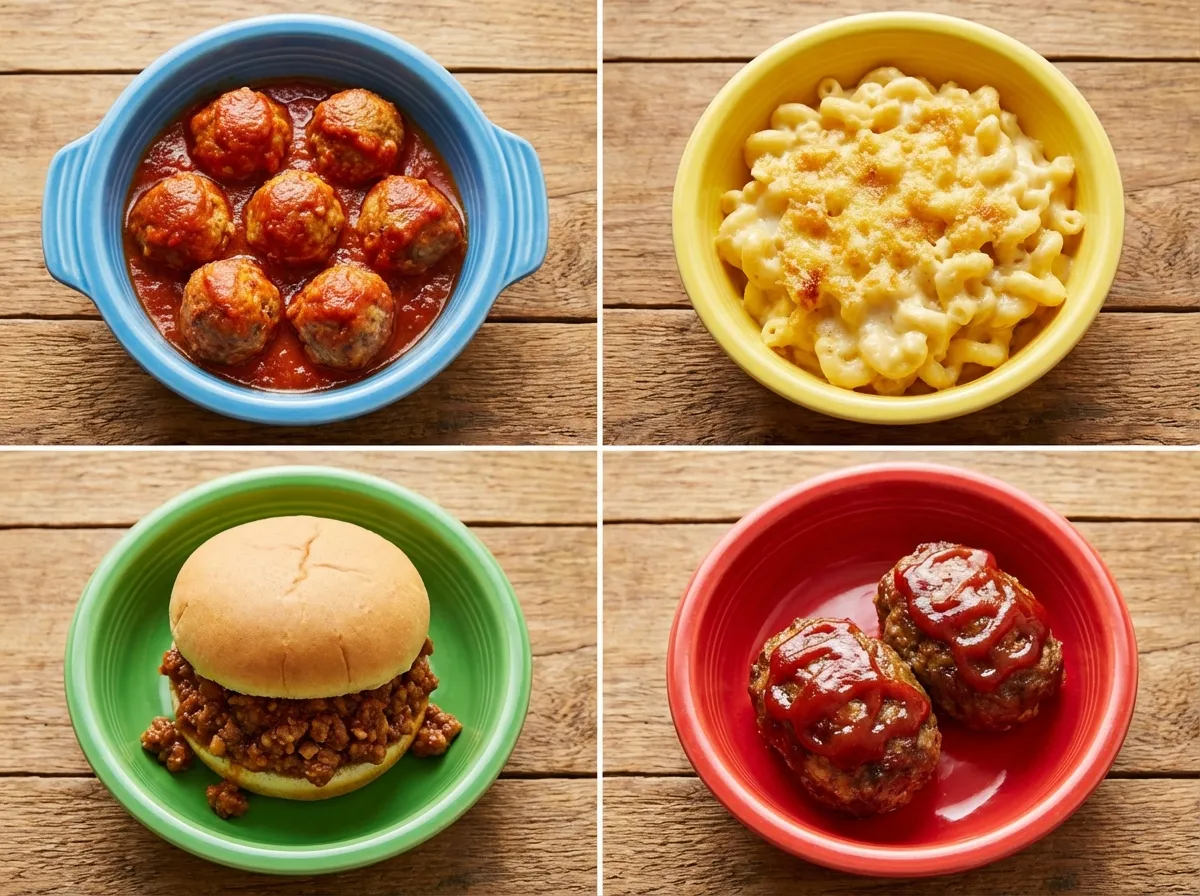
These five dinners look like standard comfort food but contain hidden, chef-level protein boosts.
Success in texture-hiding relies on specific hardware to maintain structural homogenization. Without these tools, inconsistent processing risks exposing hidden ingredients.
| Hardware | Texture-Hiding Function | Risk If Skipped |
|---|---|---|
| High-speed blender | Liquefies curds and bean skins | Lumps remain; meal rejected |
| Microplane zester | Obliterates vegetable fibers | Visible strings in meatballs |
| 8-inch chef’s knife | Reduces prep time | Prep exceeds 30-minute window |
Quick Answer: A sharp 8-inch high-carbon steel chef’s knife is the most critical tool for maintaining a 30-minute dinner window. A dull knife increases prep time by 10–15 minutes due to multiple passes required for dicing; a honed edge allows for single-pass cutting, effectively doubling your prep efficiency.
5 Kid-Approved Protein Dinners Ready in 30 Minutes
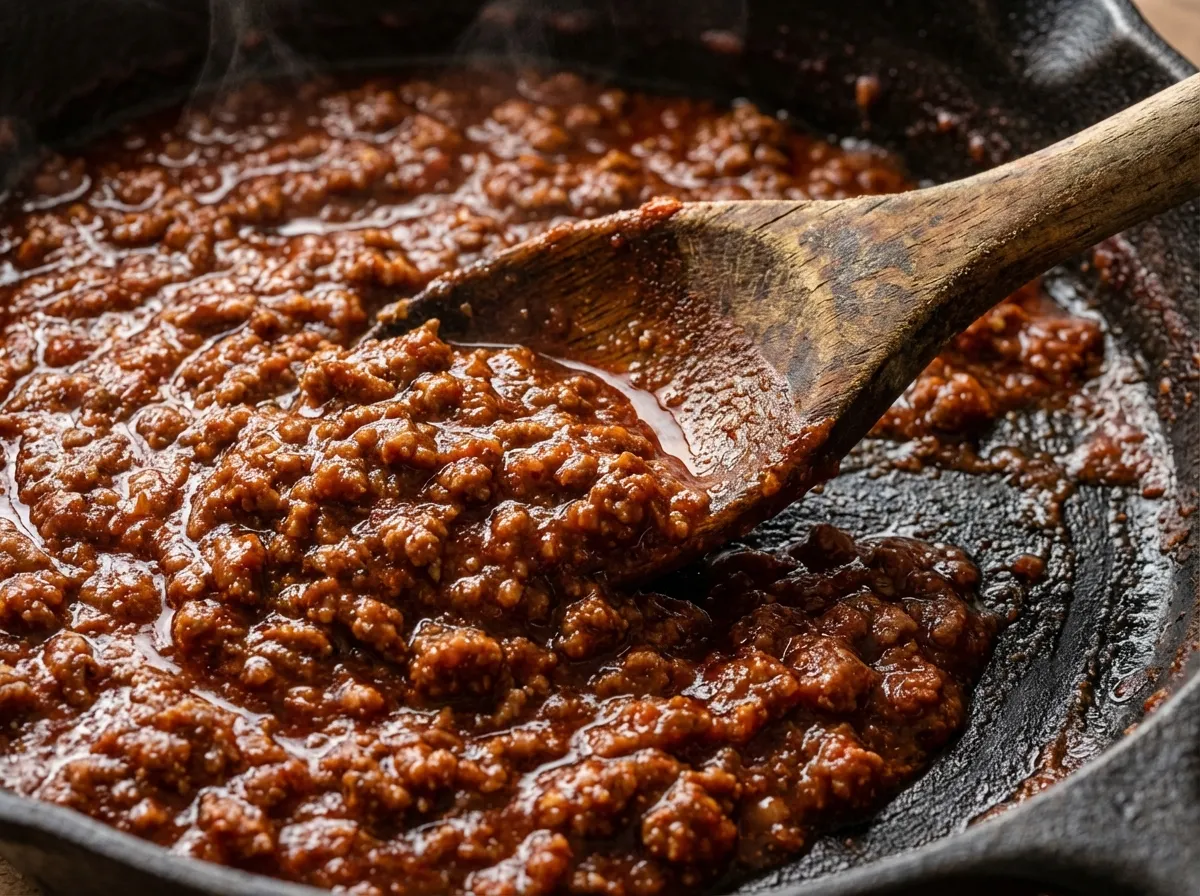
Pureed white beans add fiber and protein while becoming completely invisible in dark, savory sauces.
Quick Answer: Start with the Hidden-Veggie Turkey Meatballs or Protein-Heavy Mac & Cheese. These recipes offer the highest success rate for picky eaters because they leverage the most effective structural homogenization techniques with minimal prep time.
| Recipe | Technique Used | Hidden Protein | Cook Time |
|---|---|---|---|
| Hidden-Veggie Turkey Meatballs | Microplaned zucchini in raw meat | +14g per serving | 28 min |
| Protein-Heavy Mac & Cheese | Blended cottage cheese in sauce | +12g casein | 20 min |
| Hidden-Lentil Sloppy Joes | Pureed white beans in tomato base | +8g plant protein | 25 min |
| Chef’s Chicken & Broccoli | Broccoli stem puree in sauce | +6g plant compounds | 25 min |
| Mini Protein Meatloaves | Half beef, half cottage cheese | +10g casein | 30 min |
Frequently Asked Questions

The goal: high-protein nutrition without the dinner-table battle.
Question: Can my kids taste the pureed beans in the sloppy joes?
Answer: No. Canned white beans have a neutral, starch-based flavor profile that disappears when pureed and incorporated into a seasoned tomato sauce. They provide body and fiber to the dish, improving the sauce’s texture while remaining chemically and sensorially undetectable to the child.
Question: How do you hide the green color of zucchini in meatballs?
Answer: You must use a vegetable peeler to remove 100% of the dark green skin before grating. The internal white flesh microplanes into a translucent mush that is invisible within the meat matrix. If you see green on your microplane, the zucchini is not prepared correctly for hiding.
Question: Does using these techniques significantly increase prep time?
Answer: No. Pureeing beans takes 30 seconds and microplaning zucchini takes 90 seconds per cup. These steps add less than 2 minutes of total labor to your prep, ensuring that your 30-minute cooking window remains intact while significantly increasing the nutritional density of the final meal.
Question: Does high-speed blending destroy the protein in cottage cheese?
Answer: No. High-speed blending is a mechanical process that alters the physical curd structure, not the chemical structure. The casein protein remains fully bioavailable, and the child receives 100% of the nutritional benefits. You are changing the texture to improve compliance, not degrading the molecular protein quality.
What to Read Next
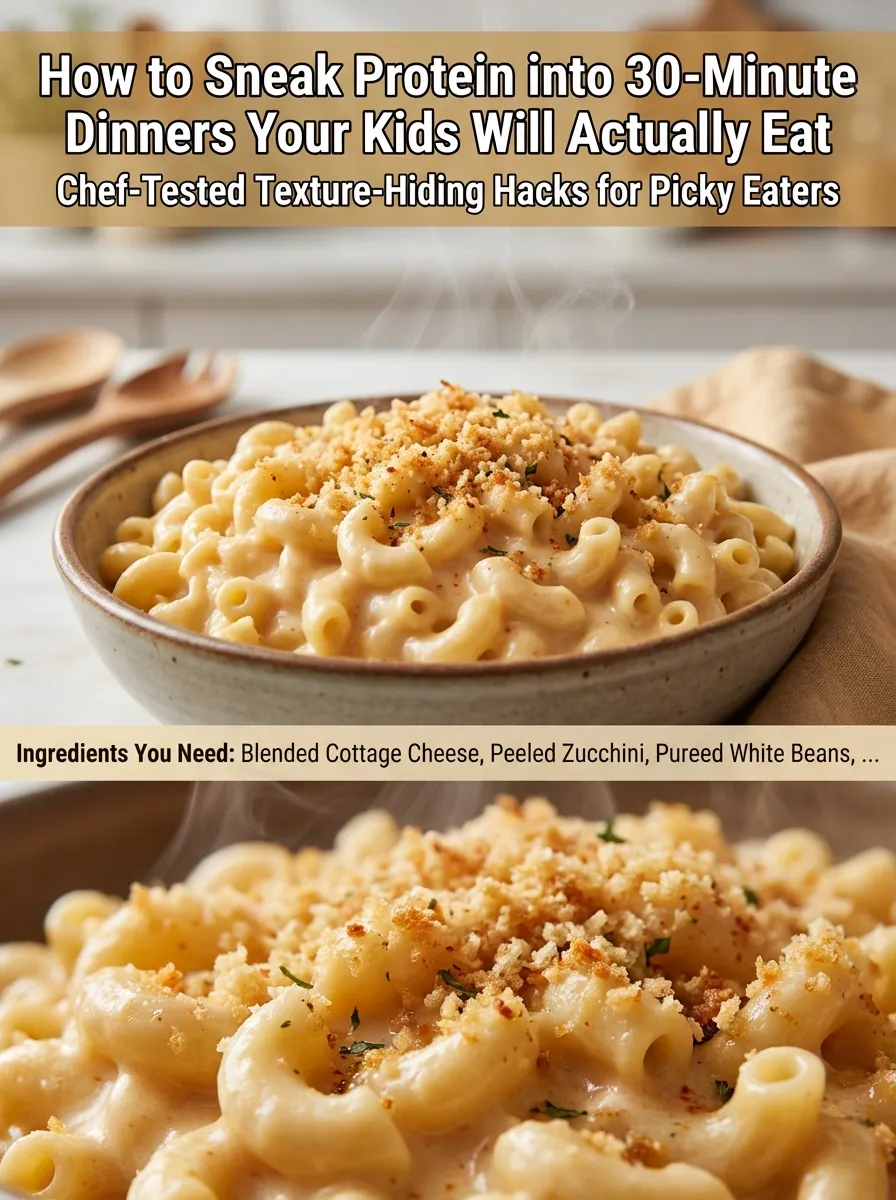
Save this guide to transform your weeknight dinners into high-protein powerhouses!
If this approach works for your household, try our recipe for silken cottage cheese sauce to transform your next meal. To discover more ways to integrate nutrition into ground proteins, see our instructional guide on hidden-lentil recipes.