
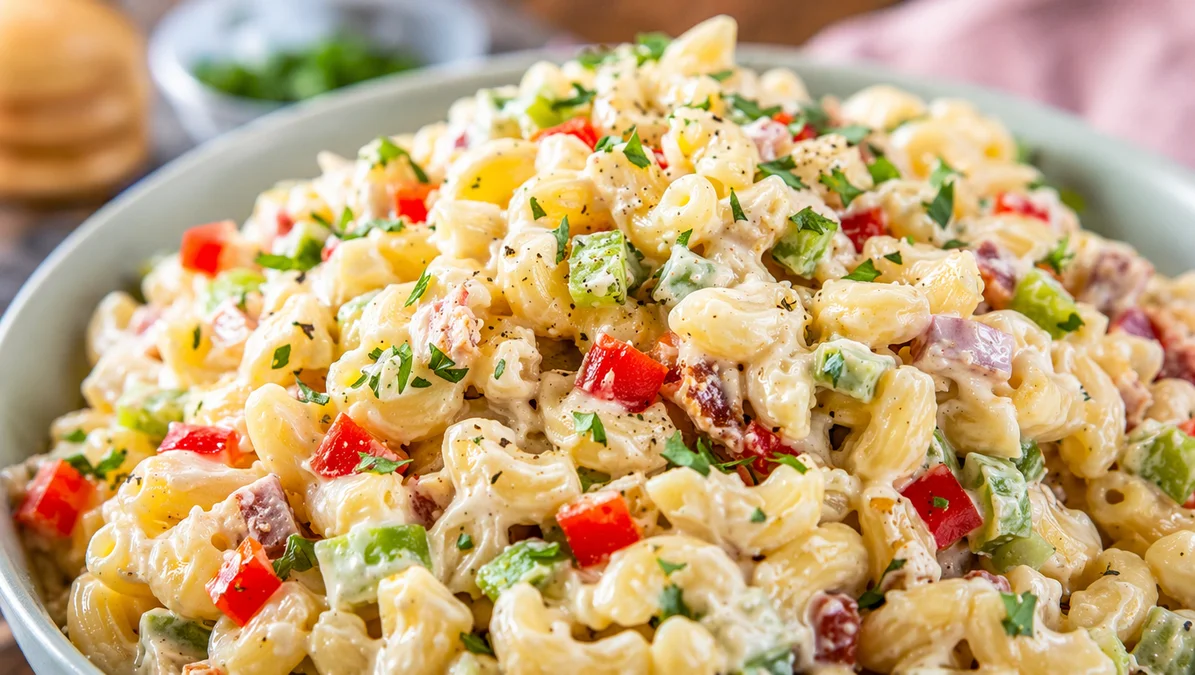
This creamy pasta side dish is the ultimate quick dinner idea for busy weeknights. Ready in 30 minutes, it's high-protein, budget-friendly, and delicious.
Ingredients
Instructions
Bring a large pot of salted water to a rolling boil. Add the elbow macaroni and cook according to package directions until al dente, typically 7-9 minutes. Stir occasionally to prevent sticking. Al dente pasta retains a slight firmness at the center, which is ideal because it will continue to cook slightly when combined with the hot sauce later. Overcooking leads to mushy pasta that can’t hold the creamy sauce. Once done, reserve about 1 cup of pasta water, then drain the pasta in a colander. Do not rinse; the residual starch on the pasta helps the sauce cling better. Set aside.
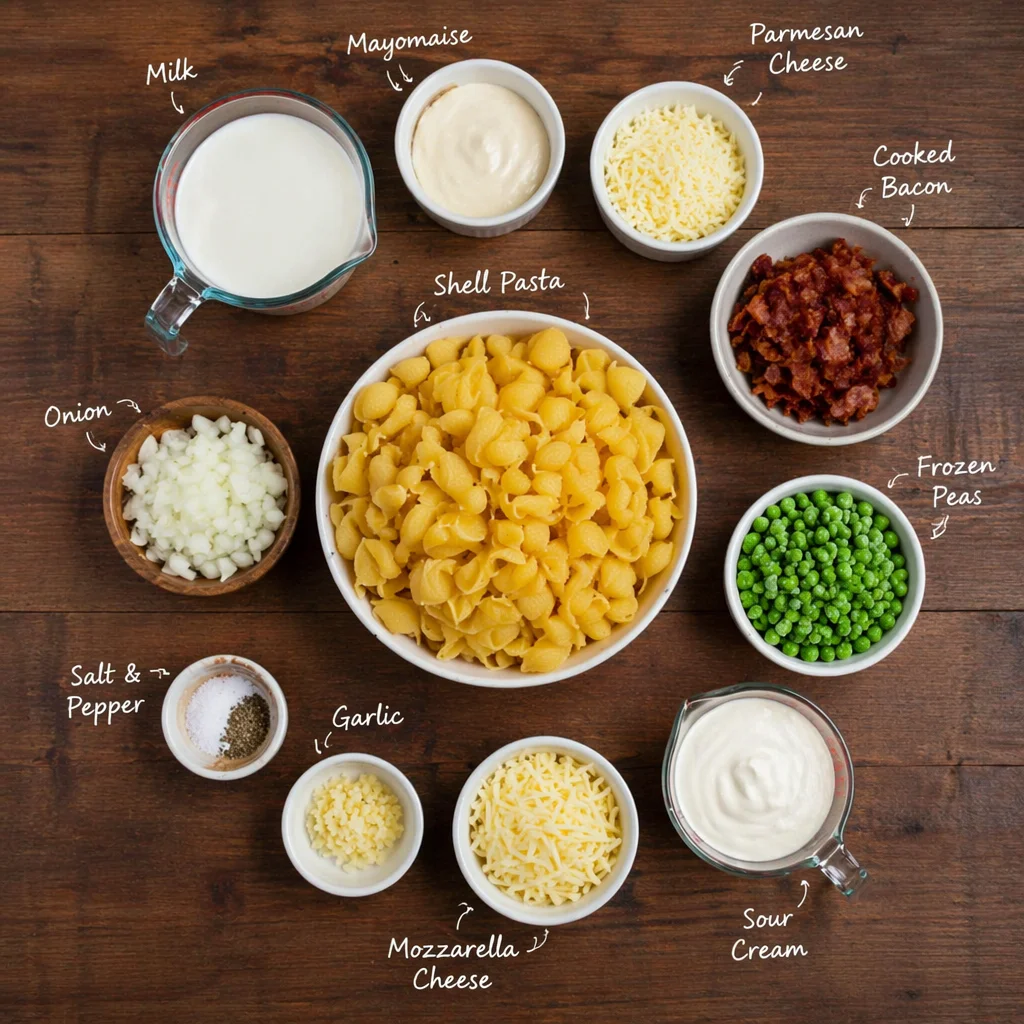
While the pasta cooks, start the sauce. In a large skillet or Dutch oven, melt the butter over medium heat. Add the minced garlic and sauté for 30 seconds until fragrant, stirring constantly to avoid burning. Burnt garlic can become bitter, so keep a close eye. Sprinkle the flour over the butter-garlic mixture and whisk continuously for 1-2 minutes until the flour is fully incorporated and the mixture turns a light golden color. This roux will thicken the sauce and give it a smooth, rich texture.
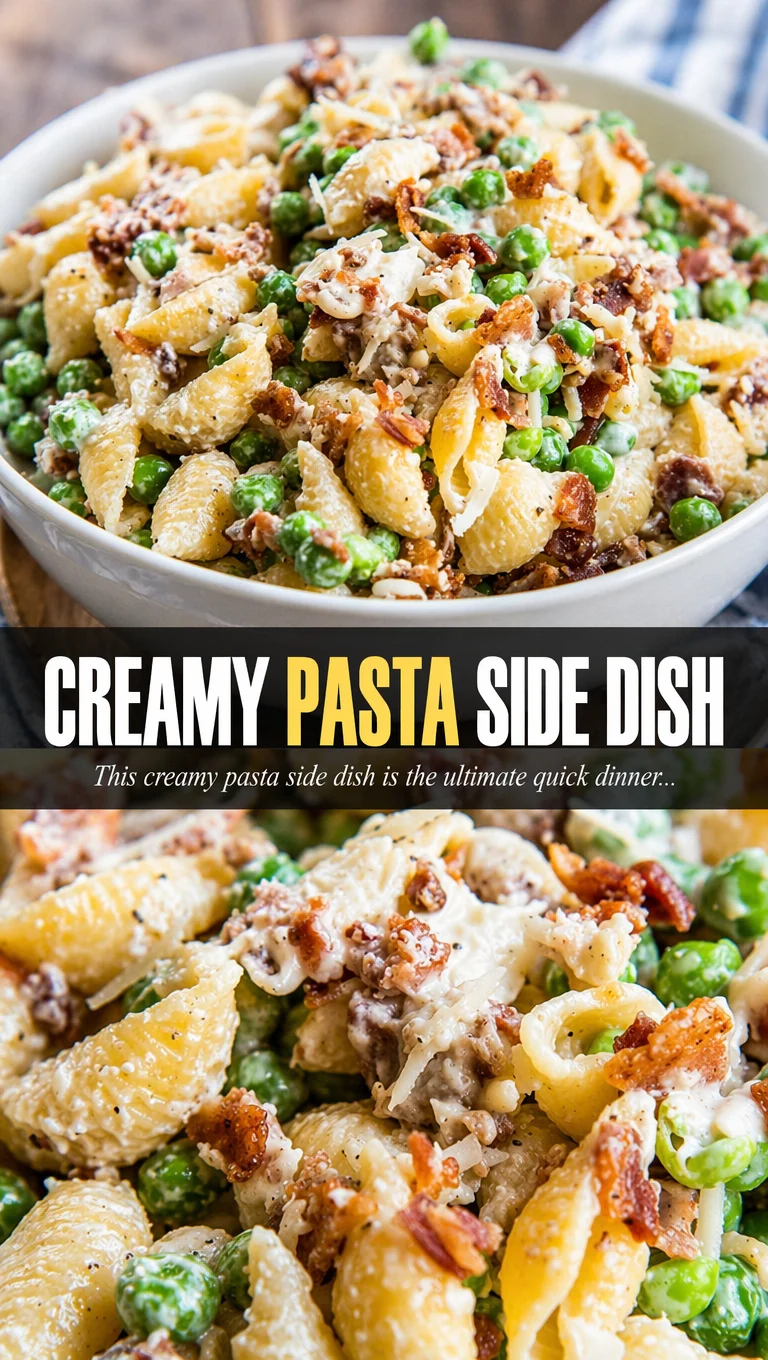
Gradually pour in the milk and heavy cream while whisking vigorously to prevent lumps. Continue whisking until the mixture is smooth and begins to thicken, about 3-4 minutes. The sauce should coat the back of a spoon when ready. If it’s too thick, you can thin it with a splash of reserved pasta water later. Lower the heat to medium-low and stir in the Dijon mustard, salt, pepper, and paprika if using. The mustard adds a subtle tang that balances the richness of the cream.
Add the grated Parmesan and shredded mozzarella to the sauce, stirring gently until fully melted and smooth. The cheese should incorporate seamlessly, creating a luscious, velvety sauce. Avoid high heat at this stage to prevent the cheese from becoming grainy or separating. If the sauce seems too thick, stir in a tablespoon or two of reserved pasta water to achieve your desired consistency. Taste and adjust seasoning if needed.
Add the drained pasta to the skillet with the cheese sauce, along with the diced bell peppers. Toss everything together using tongs or a spatula until every piece of pasta is evenly coated. The bell peppers add a refreshing crunch and a pop of color that contrasts beautifully with the creamy sauce. If the mixture seems dry, add more reserved pasta water a little at a time until it’s perfectly creamy.
Remove from heat and stir in the fresh parsley. The parsley adds a fresh, herbaceous note that lifts the dish. Serve immediately as a side dish alongside grilled chicken, burgers, or your favorite protein. For best texture, enjoy while warm and creamy. If reheating leftovers, add a splash of milk to restore creaminess.
For best results
- Choosing the right pasta shape is crucial for this creamy pasta side dish. Short, sturdy shapes like elbow macaroni, fusilli, or penne are ideal because they have nooks and crannies that trap the creamy sauce, ensuring every bite is flavorful. Long, thin pasta like spaghetti or linguine can work but won't hold the sauce as well, leading to a less cohesive dish. If you're feeling adventurous, try cavatappi or shells—they're fun and functional.
- To achieve the silkiest sauce, always use freshly grated Parmesan cheese from a block rather than pre-shredded varieties. Pre-shredded cheese often contains anti-caking agents like cellulose or potato starch, which can prevent smooth melting and result in a gritty texture. Grating your own cheese takes an extra minute but guarantees a velvety, lump-free sauce that clings beautifully to the pasta.
- Reserving pasta water before draining is a game-changer. The starchy water not only helps adjust the consistency of the sauce but also adds a subtle saltiness and helps emulsify the sauce, making it creamier. Start with a quarter cup and add more as needed. If you forget to reserve water, you can use a mixture of hot water and a pinch of salt as a substitute, though it won't have the same starch content.
- For a richer flavor profile, let the sauce simmer gently for an extra minute after adding the cheese. This allows the flavors to meld and the sauce to thicken slightly. However, be careful not to overheat or boil the sauce, as high heat can cause the dairy to curdle. Keep the heat at medium-low and stir frequently. If you notice any separation, remove from heat immediately and whisk vigorously to bring it back together.
- This creamy pasta side dish is incredibly versatile and can be prepped ahead for busy weeknights. Cook the pasta and prepare the sauce separately, then combine just before serving. Store the sauce in an airtight container in the refrigerator for up to 3 days. When reheating, warm the sauce gently on the stovetop with a splash of milk, then toss with freshly cooked pasta. This method prevents the pasta from absorbing too much sauce and becoming mushy.
- If you want to add protein directly into the dish, consider stirring in shredded rotisserie chicken, crumbled cooked bacon, or sautéed shrimp at the end. This transforms the side dish into a complete one-pot meal. Adjust the seasoning accordingly, as meats often add saltiness. For a vegetarian boost, toss in a cup of steamed broccoli or peas for color and nutrients.
Variations
- For a lighter version, swap the heavy cream for half-and-half or whole milk, and reduce the butter to 1 tablespoon. The sauce will be less rich but still creamy. You can also use Greek yogurt in place of some of the cream for a tangy, high-protein twist. Stir in the yogurt off the heat to prevent curdling. This variation cuts calories while maintaining a luscious texture.
- Make it gluten-free by using gluten-free pasta (such as rice or corn-based) and substituting the all-purpose flour with a gluten-free all-purpose blend or cornstarch. For the roux, use 1 tablespoon of cornstarch mixed with 2 tablespoons of cold water to create a slurry, then whisk it into the milk mixture. The sauce will thicken just as well without gluten. Be sure to check that your Dijon mustard is gluten-free as well.
- Add a spicy kick by incorporating 1/2 teaspoon of red pepper flakes or a diced jalapeño along with the garlic. You can also stir in 1 tablespoon of sriracha or chipotle paste for a smoky heat. The creaminess balances the spice beautifully, making it a crowd-pleaser for those who love a little heat. Serve with a side of cooling cucumber salad to complement the flavors.
- For a cheesy herb variation, add 1/4 cup of chopped fresh basil or dill along with the parsley. You can also mix in 1/2 cup of grated Gruyère or Gouda for a more complex flavor profile. The nuttiness of Gruyère pairs wonderfully with the cream and Dijon mustard. This version feels extra indulgent and is perfect for special occasions or holiday dinners.
- Turn this into a complete meal by adding protein and vegetables. Sauté 8 ounces of sliced mushrooms and 1 cup of chopped spinach after cooking the garlic, then proceed with the sauce. Stir in 2 cups of shredded rotisserie chicken and 1/2 cup of sun-dried tomatoes for a Mediterranean twist. This hearty version is satisfying enough to stand alone as a main course.
Nutrition
- Calories385 kcal
- Total Fat22g
- Saturated Fat13g
- Cholesterol70mg
- Sodium520mg
- Total Carbohydrates38g
- Dietary Fiber2g
- Sugars5g
- Protein12g