
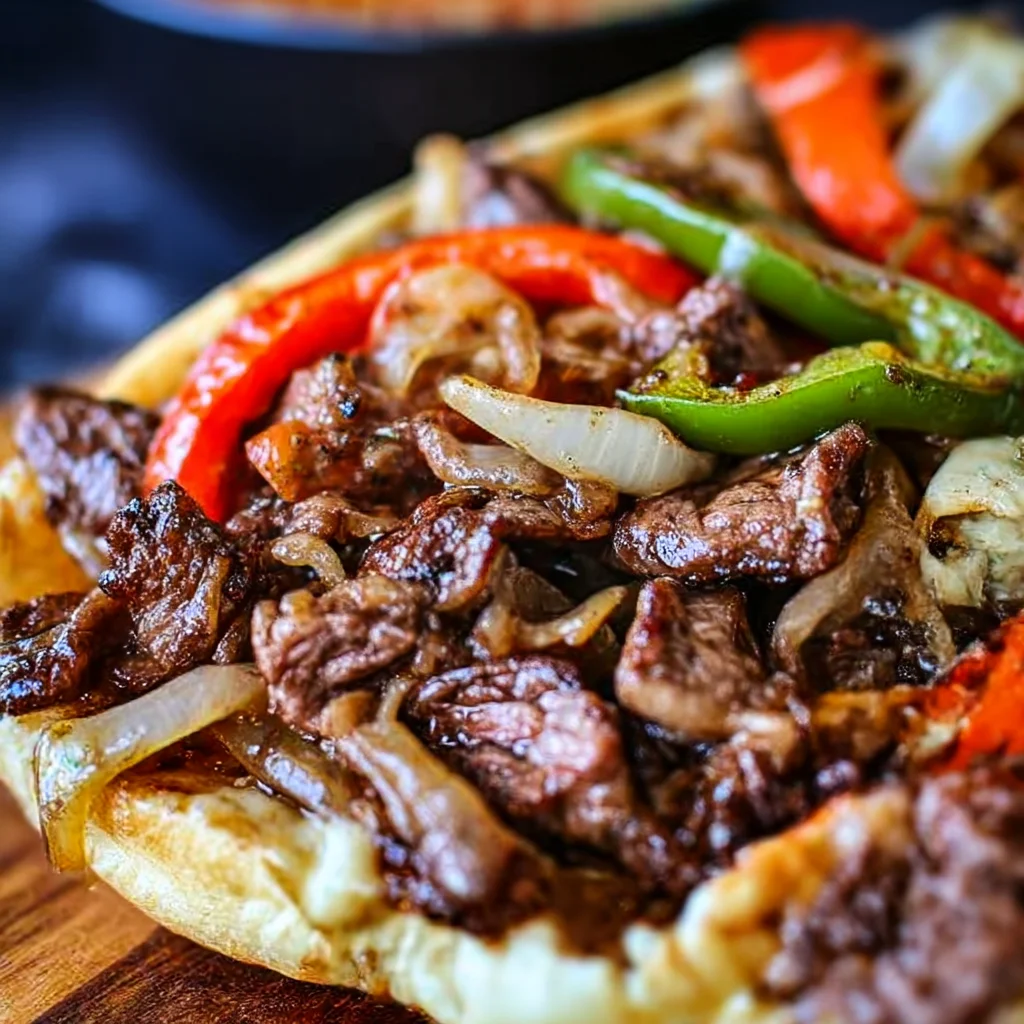
These Hibachi Steak Bowls with savory sauce are easy 30-minute high-protein dinners. Tender steak, vibrant veggies, and rice make a healthy weeknight meal.
Ingredients
Instructions
Before you start, organize all your ingredients—mise en place is the real secret to a successful 30-minute dinner. Slice 1 1/2 pounds of flank steak against the grain into thin strips (about 1/4-inch thick); cutting against the grain shortens the muscle fibers and ensures tender bites. In a medium bowl, whisk together 2 tablespoons soy sauce, 1 tablespoon sesame oil, 1 tablespoon minced garlic (save the remaining garlic for the sauce), 1 teaspoon grated fresh ginger, and 1/2 teaspoon black pepper. Add the sliced steak to the marinade, toss well to coat every piece, and let it sit at room temperature while you prep the vegetables. This quick marinade seasons the meat and helps create a beautiful crust during the sear. Next, slice the zucchini into half-moons, peel and julienne the carrots, cut the broccoli into small bite-sized florets, and thinly slice the yellow onion; keep them separate or grouped together on a large plate because they have different cooking times. In a small bowl, combine the savory sauce ingredients: 1/4 cup low-sodium soy sauce, 2 tablespoons mirin, 1 tablespoon rice vinegar, 1 tablespoon honey, and 2 teaspoons sesame oil; stir in the remaining garlic and ginger. Finally, make a slurry by whisking 1 teaspoon cornstarch with 3 tablespoons water—this will thicken the sauce at the end and give it the glossy, hibachi-style finish. Set everything within arm’s reach of the stove.
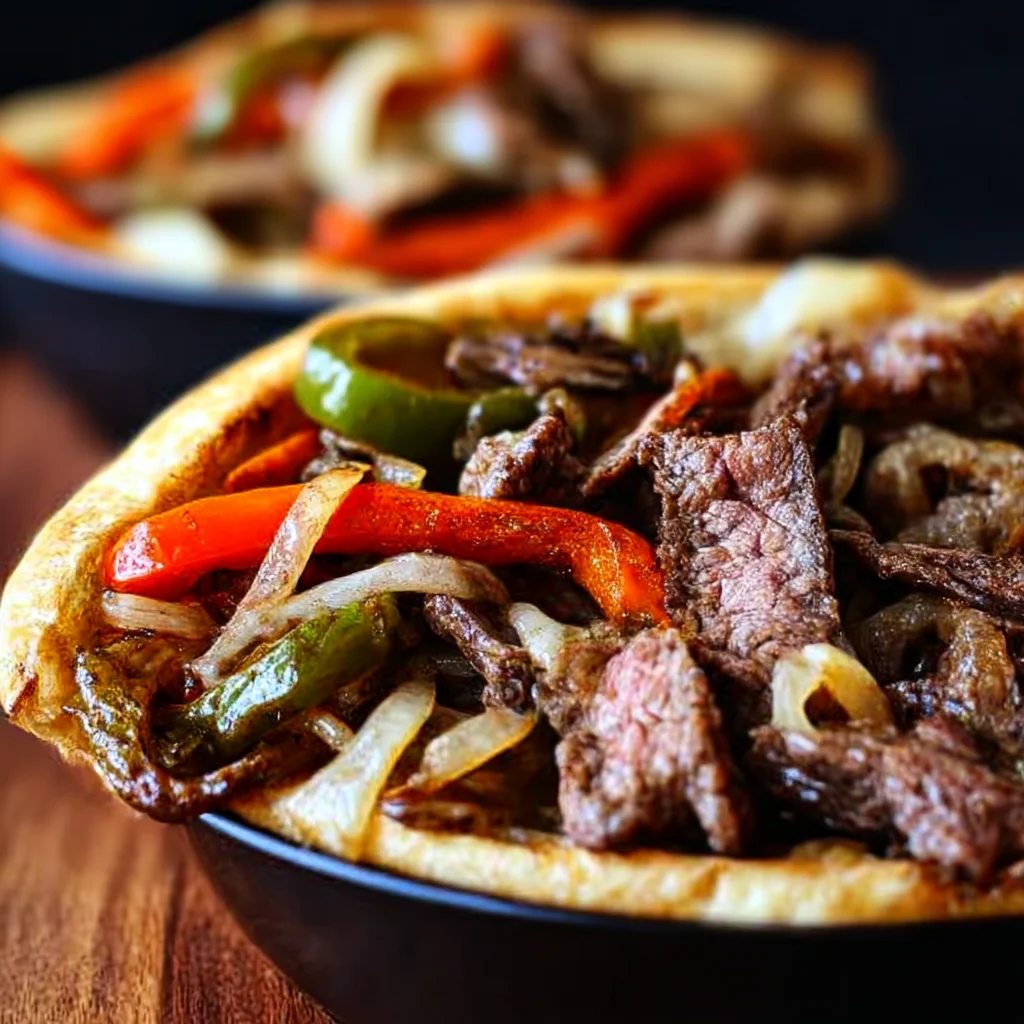
Rinse 1 cup jasmine rice and 1/2 cup quinoa together in a fine-mesh sieve under cold running water until the water runs clear; this removes excess starch and prevents clumping. Transfer the grains to a medium saucepan and add 2 1/4 cups water or chicken broth plus 1/2 teaspoon salt. Bring to a full boil over high heat, then reduce the heat to low, cover tightly, and simmer for 15 minutes. After 15 minutes, turn off the heat but leave the pot covered for another 10 minutes; the residual steam finishes the cooking and makes every grain light and fluffy. Do not lift the lid during the rest or you’ll lose precious steam. When ready to serve, fluff the rice with a fork to separate the grains. If you’re using a rice cooker, simply set it and forget it while you cook the steak and vegetables.
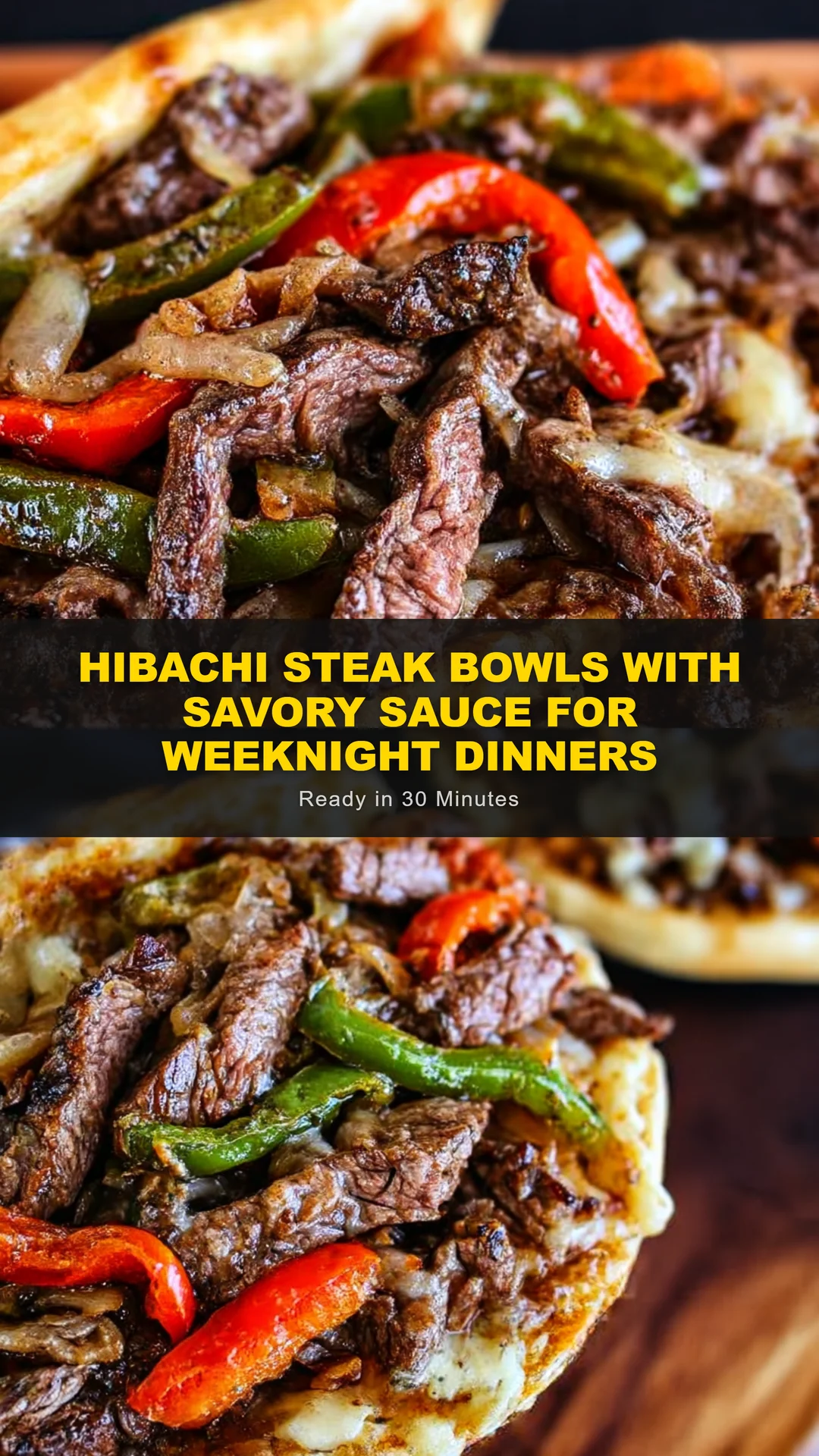
Heat a large cast-iron skillet or flat-top griddle over high heat until it’s just smoking—this takes about 3 minutes. Add 1 tablespoon of neutral oil and swirl to coat. Working in batches if needed, lift the steak strips from the marinade, letting any excess drip off, and place them in a single layer in the hot pan. Important: do not overcrowd the pan; if you add too much meat at once, it will steam rather than sear, and you’ll lose that charred hibachi flavor. Sear without moving for 60 to 90 seconds per side, until the bottom develops a deep golden-brown crust and the edges look charred. The steak should be medium-rare when an instant-read thermometer registers 130°F (54°C); if you prefer well-done, cook a little longer. Transfer the steak to a clean plate and let it rest while you cook the vegetables. Resting allows the juices to redistribute so the meat stays moist.
The same skillet is full of caramelized bits—flavor gold! Keep the heat on high and add the remaining 1 tablespoon of neutral oil if the pan looks dry. Add the sliced onion and julienned carrots first because they take longer to soften; stir-fry for 2 minutes, tossing constantly. Add the zucchini half-moons and broccoli florets, then season with a pinch of salt and pepper. Continue stir-frying for 3 to 4 minutes, until the vegetables are crisp-tender with a few charred spots but still bright in color. You want them crunchy, not soggy, so keep them moving and resist the urge to add water. If you notice them sticking, a tiny splash of water or sake can help deglaze without making them steamy.
Turn the heat down to medium and pour the prepared savory sauce mixture into the skillet with the vegetables. Use a wooden spoon to scrape up the browned bits from the bottom—this deglazing step adds deep umami to the sauce. Let the sauce bubble for 1 minute to slightly reduce, then give the cornstarch slurry a quick stir and pour it into the pan. Stir constantly as the sauce thickens, about 20 to 30 seconds, until glossy and thick enough to coat the back of a spoon. Return the rested steak and any accumulated juices to the skillet, along with the vegetables, and toss everything together for 30 seconds so every piece is coated in the shiny sauce. The cornstarch slurry needs to be stirred into the hot sauce immediately to avoid lumps.
Fluff the cooked rice and quinoa blend with a fork, then divide it equally among four bowls. Spoon the hibachi steak and vegetable mixture over the top, making sure each bowl gets a good portion of the savory sauce. Sprinkle with toasted sesame seeds and sliced green onions for a burst of color and nutty aroma. If you like extra heat, drizzle with sriracha mayo or a pinch of crushed red pepper. Serve immediately while everything is hot.
These hibachi steak bowls are best enjoyed right away, but they also make excellent leftovers. To serve, place bowls on the table with extra sauce on the side. If storing, let the components cool completely before transferring to airtight containers; keep the rice, steak, and veggies in one container or separate them depending on your preference. Refrigerate for up to 3 days. Reheat gently in a microwave or a skillet with a splash of water to restore moisture. You can also freeze the steak and vegetables for up to 2 months, but the rice may become mushy upon thawing—cook fresh rice or quinoa when you’re ready to eat.
For best results
- Choose the right steak. Flank steak, sirloin, or strip steak are ideal because they're relatively tender when sliced thin and cook quickly over high heat. Avoid chuck or brisket, which have lots of connective tissue and need long braising. For extra tenderness, you can also use ribeye, which has more marbling and stays juicy even when cooked to medium; just expect a slightly higher calorie count. Always slice against the grain—look for the lines in the meat and cut perpendicular to those lines.
- Get your pan screaming hot. The signature hibachi char comes from intense heat. Use a cast-iron skillet or a heavy stainless steel pan and preheat it until a drop of water dances and evaporates almost instantly. Add the oil just before the steak to prevent it from burning. Cook in small batches so the pan temperature doesn't drop. If you crowd the pan, the meat releases moisture and boils instead of searing.
- Prep everything before you start cooking. Because this recipe comes together in 30 minutes, there's no time to chop while the steak is searing. Set out all your ingredients, mix the sauce, make the cornstarch slurry, and slice your vegetables before the pan heats. This 'mise en place' technique is what professional hibachi chefs use to keep their stations organized and cranking out orders.
- Don't skip the cornstarch slurry. The slurry gives the savory sauce its glossy, clingy texture that coats every bite of steak and rice. Mix 1 teaspoon cornstarch with 3 tablespoons cold water until smooth, then add it at the end of cooking. If you add the cornstarch directly to the hot sauce, it will clump. You can substitute arrowroot powder or tapioca starch in a pinch.
- Make it a complete meal with a steamed side. Hibachi restaurants serve a pile of bean sprouts and a buttery side of noodles. For a healthier bowl, add sautéed mushrooms, snap peas, or baby spinach to the vegetable mix. These veggies cook in minutes and boost the fiber and nutrient content without adding time.
- Use a meat thermometer for perfect doneness. Rather than guessing, insert an instant-read thermometer into the thickest piece of steak. Medium-rare is 130-135°F, medium 140-145°F, and well-done 160°F. Because the steak slices are thin, you can also test by feel—medium-rare should give slightly when pressed like the fleshy part of your palm under your thumb.
Variations
- Chicken Hibachi Bowls: Swap the steak for 1 1/2 pounds of boneless, skinless chicken thighs, sliced thin. Marinate for at least 15 minutes, then sear over high heat for 4-5 minutes per side until cooked through to 165°F. Chicken thighs stay juicier than breasts, but if you prefer breast, consider a 30-minute buttermilk soak to keep it tender.
- Low-Carb Cauliflower Rice Bowl: For a keto-friendly version, replace the jasmine rice/quinoa blend with 4 cups of riced cauliflower. Sauté the cauliflower rice in 1 tablespoon of sesame oil over medium-high heat for 4-5 minutes, until tender and lightly crisped. You can also add 1 beaten egg to the cauliflower rice for extra protein and authenticity.
- Spicy Sriracha Glaze: Turn up the heat by adding 1-2 tablespoons Sriracha to the savory sauce along with 1 teaspoon of gochujang (Korean chili paste). Finish each bowl with a drizzle of spicy mayo made by mixing 2 tablespoons mayonnaise, 1 teaspoon Sriracha, and a splash of lime juice. This gives it a creamy, tangy kick reminiscent of the famous yum yum sauce.
- Tofu Hibachi Bowl: Make it vegetarian by using 1 block (14 oz) extra-firm tofu. Press the tofu for 15 minutes, then cut into 1-inch cubes and toss in 2 tablespoons cornstarch. Pan-fry in 2 tablespoons oil until golden on all sides, then toss with the savory sauce. The crispy tofu soaks up the glaze beautifully and provides 12 grams of protein per serving.
- Swap the grain: If you don't have quinoa, use brown rice, basmati rice, or even soba noodles. Adjust liquid and cooking time accordingly: brown rice needs about 45 minutes, so you may want to cook it ahead of time or use microwave rice packets. Or try farro or barley for a chewy whole-grain texture.
Nutrition
- Calories620 kcal
- Total Fat28g
- Saturated Fat8g
- Cholesterol80mg
- Sodium980mg
- Total Carbohydrates55g
- Dietary Fiber5g
- Sugars10g
- Protein42g