
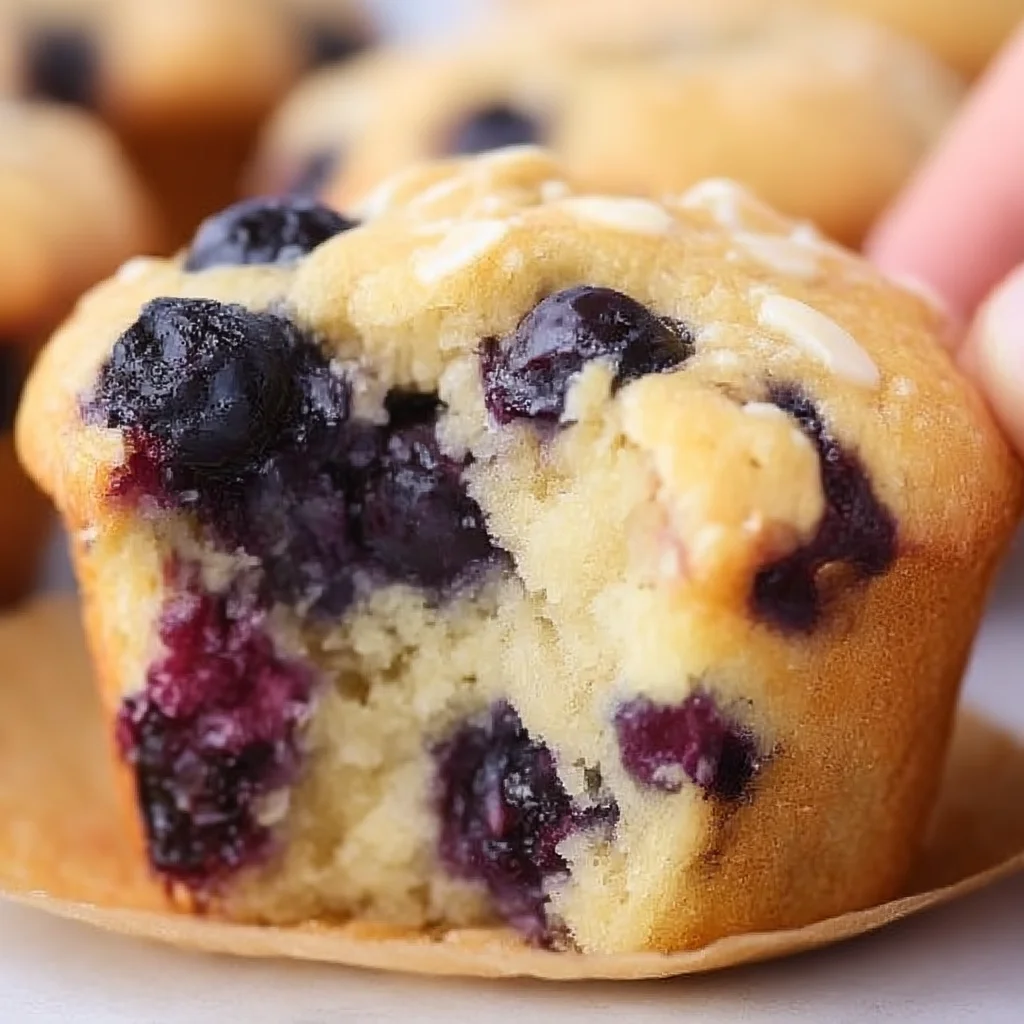
Looking for a high-protein snack? These tender blueberry cottage cheese muffins bake in 30 minutes and taste incredible. Perfect for meal prep, kids, and busy mornings.
Ingredients
Instructions
Before you reach for a whisk, take a moment to measure and prep all your ingredients. In a small bowl, lightly beat the eggs so they are uniform. If your cottage cheese looks watery, give it a quick drain in a fine-mesh sieve while you gather everything else. Bring the eggs, cottage cheese, and milk to room temperature; using cold dairy in muffins can leave the batter curdled and the final crumb uneven. Have your flour, baking powder, baking soda, and salt measured in a separate dry bowl and the blueberries rinsed and dried (if using fresh) or still frozen. This mise en place approach makes the entire mixing process go much faster and prevents overmixing later.
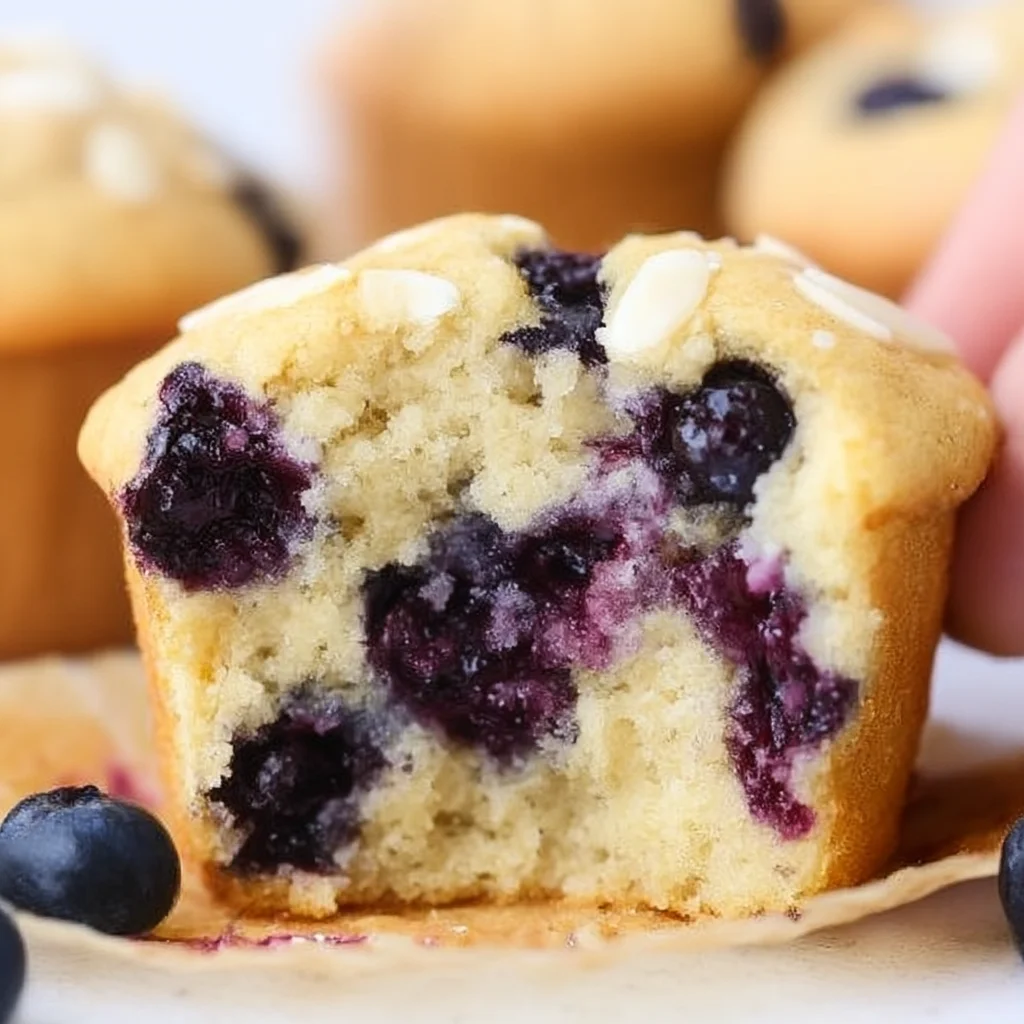
Preheat your oven to 375°F (190°C) and position a rack in the center. Line a standard 12-cup muffin tin with paper liners, and lightly spray the liners with nonstick cooking spray – this is especially important if you’re going for that perfect muffin-top crown. If you prefer not to use liners, grease the cups thoroughly with butter or oil. An oven thermometer is your best friend here: even a 25°F swing can affect the rise and browning, so make sure the oven is truly at temperature before you slide the pan in.

In a large mixing bowl, whisk together the flour, baking powder, baking soda, and salt until evenly combined. Whisking the dry ingredients not only mixes them, but also aerates the flour, which helps create a lighter texture in the final muffins. Set this bowl aside. If you’re using frozen blueberries, toss a tablespoon of the flour mixture through the berries in a separate small bowl – this coats the berries and prevents them from sinking to the bottom of your muffins while baking.
Now for the star ingredient: the cottage cheese. The biggest mistake people make with cottage cheese in baking is leaving it chunky, which results in pockets of cheesy curd that might not be welcome. To get that creamy, velvety texture and distribute the protein evenly, transfer the cottage cheese, room-temperature eggs, maple syrup or sweetener, milk, and vanilla extract to a blender or food processor. Blend on high for 30 to 60 seconds until the mixture is completely smooth and looks like a thin yogurt. You cannot over-blend this mixture; the goal is zero curds remaining. If you don’t have a blender, press the cottage cheese through a fine-mesh sieve with a spatula, then whisk with the other wet ingredients. This step is worth the extra minute – it’s the secret to a luxurious tender crumb.
Pour the blended wet mixture into the dry flour mixture. Switch to a flexible rubber spatula and fold the ingredients together using gentle, sweeping strokes from the bottom of the bowl to the top. You want to mix just until the last streak of flour disappears; the batter should be thick, shiny, and slightly lumpy. Do not be tempted to keep stirring – overmixing develops gluten, which makes muffins rubbery and tough. A few small dry patches are acceptable; they will hydrate as the batter rests. Let the batter sit for 5 minutes after mixing; this allows the starch in the flour to absorb moisture and gives you a more uniform, tender bake.
Now fold in the blueberries. If using fresh berries, gently press them into the batter with the spatula. If using frozen, use them straight from the freezer and don’t over-stir – frozen berries can bleed and turn the batter purple. A few gentle folds are enough. The batter will still be quite thick, but that’s exactly what you want for a muffin that rises tall instead of spreading flat.
Scoop the batter into your prepared muffin tin. For perfectly round, bakery-style muffins, use a large cookie scoop (about 3 tablespoons) or a 1/4-cup measuring cup. Fill each liner about three-quarters full. For extra height, you can fill some cups all the way to the top – those will spread into beautiful, domed tops, though they may touch their neighbors. If you prefer a more uniform batch, keep a consistent fill. The 3/4 mark is the sweet spot between a flat top and a mushroom cloud.
Bake for 15 to 18 minutes, rotating the pan 180 degrees halfway through to ensure even browning. The muffins are done when the tops are deep golden brown and a toothpick inserted into the center of one comes out with just a few moist crumbs, or completely clean. Another test: press the top of a muffin gently with your fingertip – it should spring back immediately. If it leaves an indentation, give them another 2 minutes. The internal temperature should be around 200°F (93°C) for fully cooked muffins.
Cool the muffins in the pan for exactly 5 minutes. This allows them to set and release steam without becoming soggy. After 5 minutes, transfer the muffins to a wire rack to cool completely. If you leave them in the tin too long, the steam trapped underneath can make the bottoms damp. At this point, your kitchen will smell incredible – the sweet, tangy aroma of blueberries and golden pastry. Serve warm or at room temperature. These muffins are fantastic on their own, but even better split open with a little butter or honey. For storage, place them in an airtight container with a paper towel in the bottom to absorb excess moisture; they’ll keep at room temperature for up to 3 days. You can also freeze them in a zipper bag for up to 3 months – just reheat in the microwave for 15-20 seconds.
For best results
- Choose the right cottage cheese. For the creamiest, most tender muffins, use full-fat cottage cheese (4% milkfat) or at least 2%. Fat-free cottage cheese has a thinner, more watery consistency and can make muffins tough and gummy. If you only have low-fat, reduce your liquid by 2 tablespoons or add an extra 2 tablespoons of flour. Also, always check the ingredient list – you want cottage cheese with simple ingredients like milk, cream, salt, and live cultures, not thickeners that can affect texture.
- Room temperature really matters. In baking, the temperature of your ingredients can make or break the crumb. Cold eggs and dairy shock the leavening agents (baking powder and baking soda), causing them to lose their oomph and leaving you with flat, dense muffins. Take your eggs, cottage cheese, and milk out of the fridge at least 20 minutes before you start. If you’re in a hurry, place the eggs in a bowl of warm water for 5 minutes and microwave the measured cottage cheese for 10 seconds on low – just be careful not to scramble it.
- The blender trick is non-negotiable. While whisking cottage cheese by hand can work, you’ll almost always end up with visible curds in the finished muffins. Those curds are not inherently bad, but for a cohesive crumb, pureeing the cottage cheese with the wet ingredients is the way to go. A high-speed blender gives you a perfectly smooth, milkshake-like texture that incorporates seamlessly. If you don’t have a blender, pass it through a sieve and then whisk vigorously. This one extra step is the difference between a mediocre muffin and a professional-textured one.
- Don’t overmix. I cannot emphasize this enough. When you combine the wet and dry ingredients, gluten flour proteins start to form. The more you mix, the stronger the gluten network becomes – and that makes muffins chewy, dense, and tough. The goal is to mix until the ingredients just become one cohesive mass, about 10 to 12 strokes with a spatula. Lumps are actually a good sign; lumps of flour will bake out, and the batter’s moisture will even things out. Overmix even once, and you’ll see a dramatic difference in texture.
- Use fresh or frozen blueberries correctly. Fresh blueberries do not need to be washed until right before you use them – if you wash them too early, the moisture can make the batter streaky and the berries bleed. If using frozen, do not thaw them first; add them straight to the batter. Thawed blueberries release a lot of liquid, which colors your muffins a concerning gray-purple and makes the batter overly wet. Tossing the berries in a little flour (from the dry mix) creates a protective coating that keeps them suspended evenly throughout the muffin.
- Store them like a pro. The trick to maintaining that just-baked texture for several days is to place a clean, dry paper towel at the bottom of whatever airtight container you use. The paper towel absorbs moisture from the muffins, preventing soggy bottoms and mold. You can also store them in the fridge for up to a week, but let them come to room temperature or reheat for 15 seconds before eating. For long-term storage, freeze muffins on a baking sheet until solid, then transfer to a zip-top bag – this prevents them from sticking together and lets you grab just one at a time.
Variations
- Lemon-Blueberry Twist: Add one tablespoon of fresh lemon zest to the dry ingredients and swap half of the milk for lemon juice. You can also stir a tablespoon of poppy seeds for a poppy seed muffin. The acid from the lemon will enhance the tartness of the cottage cheese and brighten the blueberries. For extra glaze, mix 1/2 cup powdered sugar with 1-2 tablespoons of lemon juice and drizzle over cooled muffins.
- Gluten-Free Version: Replace the all-purpose flour with a high-quality 1-to-1 gluten-free flour blend that contains xanthan gum (like King Arthur Measure for Measure). Gluten-free flours absorb liquids differently, so start with 1/2 cup less sugar? Actually keep. You may need to add an extra 1-2 tablespoons of milk if the batter seems dry. The cottage cheese and eggs provide plenty of structure, so these muffins are surprisingly tender even without gluten.
- Protein Powder Boost: For an even higher protein count, add a scoop (about 30g) of vanilla or unflavored protein powder to the dry mix, and reduce the flour by 2 tablespoons. Since protein powders are hydrophilic (they absorb water), you’ll also want to add an extra 1/4 cup of milk or use a couple of tablespoons of Greek yogurt. Be cautious with stevia-sweetened protein powders, as they can add an aftertaste; opt for a mild vanilla or whey isolate.
- Berry Mix-Up: Not a blueberry lover? Swap in the same amount of raspberries, chopped strawberries, blackberries, or even a mix. Tart cherries are also incredible with the tang of cottage cheese. If you’re using a very watery fruit like peaches or strawberries, chop them into small pieces and toss them with an extra tablespoon of flour to soak up some of the juice.
Nutrition
- Calories210 kcal
- Total Fat6g
- Saturated Fat2g
- Cholesterol40mg
- Sodium280mg
- Total Carbohydrates32g
- Dietary Fiber2g
- Sugars15g
- Protein9g