
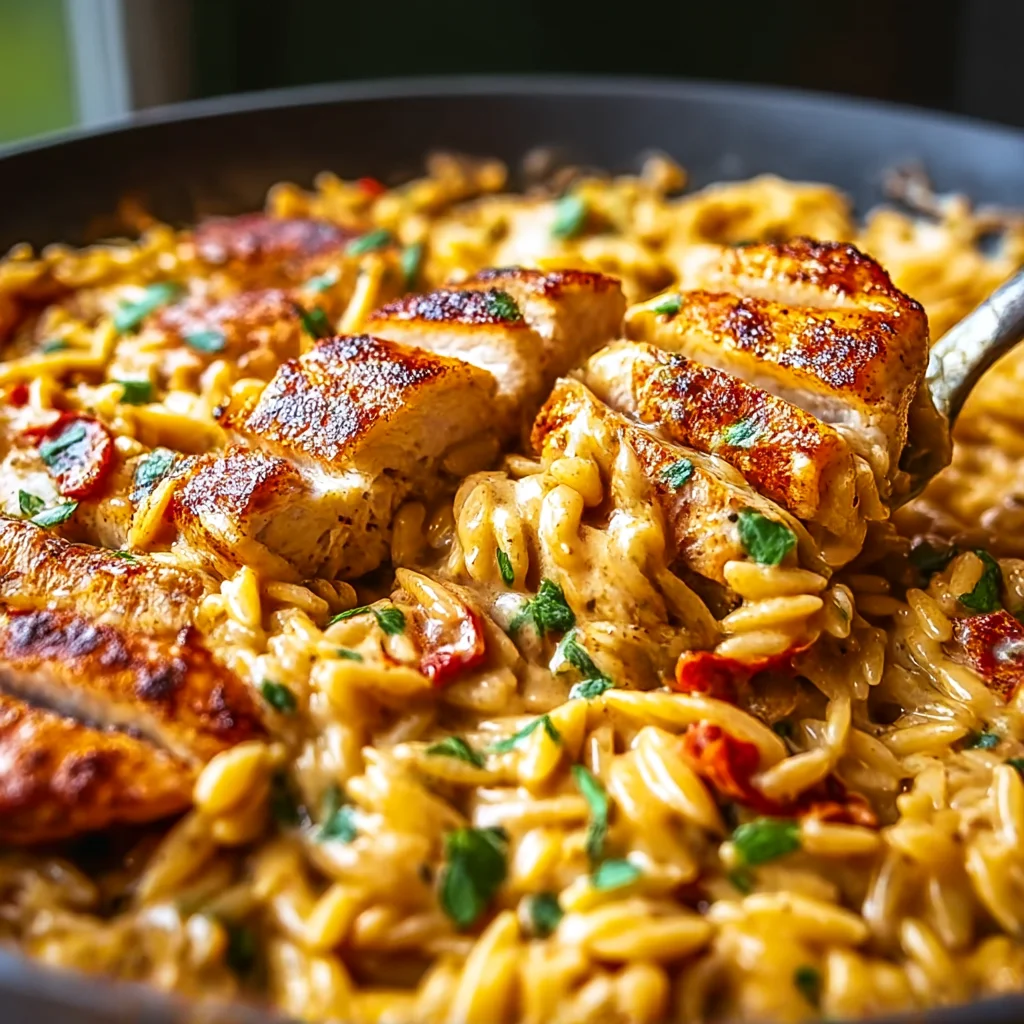
Make creamy Cajun chicken Alfredo orzo in one pot in just 7 minutes! This easy dinner recipe is packed with flavor and perfect for busy weeknights.
Ingredients
Instructions
Start by prepping all your ingredients. Dice the chicken breasts into uniform bite-sized pieces, about 1-inch cubes, so they cook evenly and quickly. Mince the garlic and grate the Parmesan cheese (freshly grated melts smoother than pre-shredded). Measure out the orzo, broth, and cream. This mise en place ensures that once you start cooking, you can work fast—essential for this lightning-fast 7-minute recipe. Pat the chicken dry with paper towels; this removes excess moisture, allowing for a better sear that locks in juices and develops a rich, golden crust.
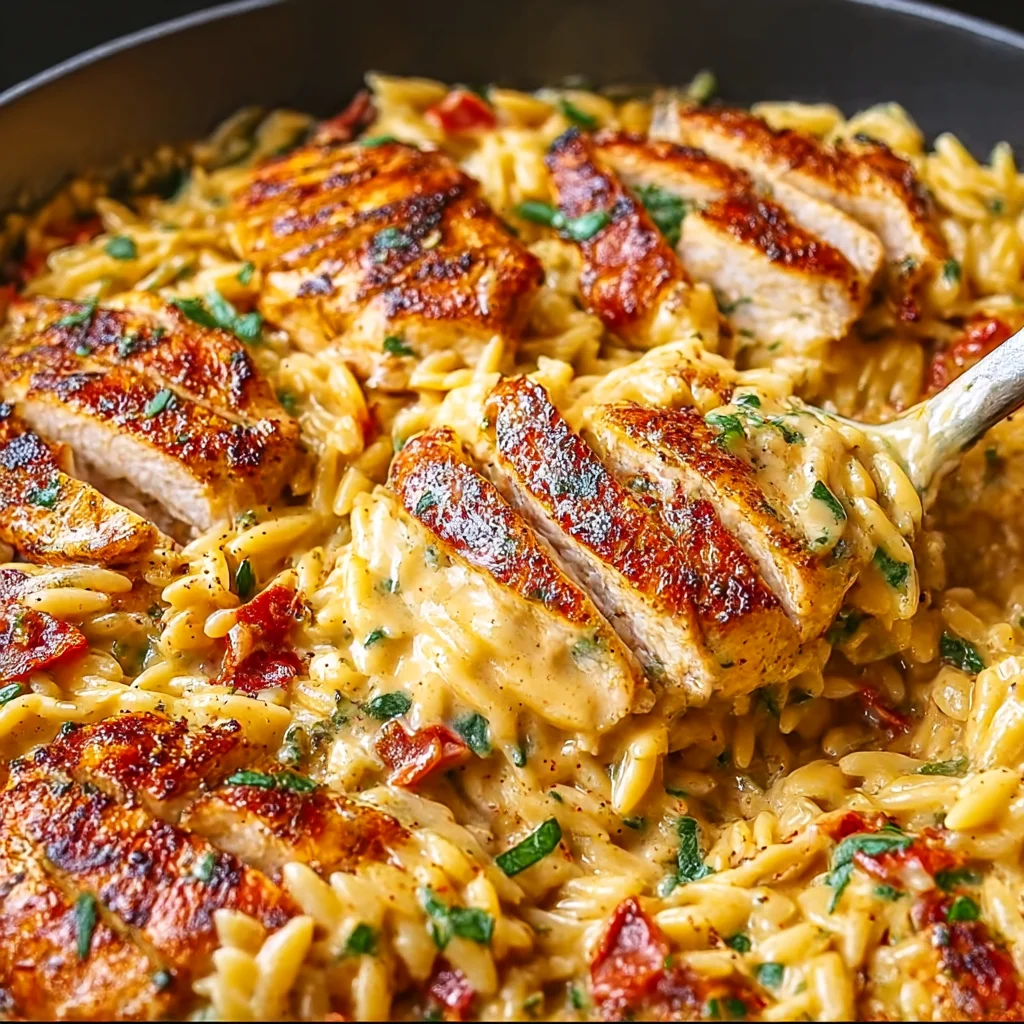
Heat a large, deep skillet or Dutch oven over medium-high heat. Add the olive oil and swirl to coat the bottom. Once the oil shimmers (but not smoking), carefully add the chicken pieces in a single layer. Do not overcrowd the pan; if needed, cook in batches. Let the chicken sear undisturbed for about 2 minutes until golden brown on one side. The Cajun seasoning will create a beautiful mahogany crust that’s packed with smoky, spicy flavor. Flip the pieces and cook for another 1–2 minutes until almost cooked through (a slight pink center is fine; it will finish cooking later). The sizzling sound should be vigorous—if it’s too quiet, the pan isn’t hot enough. Remove the chicken to a plate and set aside.

Reduce the heat to medium. In the same pan, add the minced garlic and sauté for about 30 seconds, stirring constantly, until fragrant. Be careful not to burn the garlic—it should soften and release its aroma without turning bitter. The residual oil and browned bits from the chicken (fond) will add incredible depth to the sauce. Immediately add the orzo and stir to coat the grains with oil. Toast the orzo for about 1 minute, stirring frequently, until it starts to turn lightly golden and smells nutty. This step is crucial because toasting the pasta enhances its flavor and helps it hold its shape better during simmering.
Pour in the chicken broth and heavy cream, and bring the mixture to a gentle simmer. The liquid should bubble softly, not violently. Use a wooden spoon to scrape up any browned bits from the bottom of the pan—this deglazing incorporates all that savory goodness into the sauce. Return the seared chicken to the pan along with any accumulated juices. Stir everything together, then reduce the heat to low, cover, and let it cook for exactly 7 minutes. The orzo will absorb the liquid and become tender while the chicken finishes cooking. Halfway through, give it a quick stir to prevent sticking. The sauce will thicken beautifully as the orzo releases its starch.
After 7 minutes, remove the lid and check the orzo: it should be al dente, with a slight bite. The sauce should be creamy and clinging to the pasta. If it seems too thin, simmer uncovered for another minute; if too thick, add a splash of broth. Turn off the heat and stir in the freshly grated Parmesan cheese until fully melted and incorporated. The residual heat will create a silky, luscious sauce. Season with salt and pepper to taste—remember the Cajun seasoning and Parmesan are already salty, so go easy. Garnish with chopped fresh parsley for a pop of color and freshness, and serve immediately. The final texture should be luxuriously creamy, with each orzo grain coated in a velvety sauce.
For best results
- Choosing the right Cajun seasoning can make or break this dish. Opt for a brand with a good balance of paprika, garlic powder, onion powder, cayenne, and herbs like thyme and oregano. Avoid blends with too much salt, because you can always adjust salt later. If you prefer a milder heat, use a ‘mild’ Cajun seasoning or reduce the amount. For true Louisiana-style flavor, consider making your own blend with smoked paprika, which adds a deep, smoky complexity that store-bought often lacks. Store-bought blends vary widely in heat and salt, so start with 1 tablespoon and taste before adding more.
- For the best texture, use orzo that is not too old; fresh orzo (from a reputable brand) cooks evenly and holds up better. Whole-wheat or gluten-free orzo can be substituted, but note that cooking times may differ. Whole-wheat orzo tends to be nuttier and more toothsome, while gluten-free versions (often rice-based) become mushy if overcooked. If using gluten-free, reduce the simmer by 1–2 minutes and check frequently. Also, toasting the orzo is non-negotiable: it prevents the pasta from becoming gummy and adds a layer of flavor that makes the dish taste like you’ve been cooking all day.
- Heavy cream is essential for the signature Alfredo richness, but you can lighten it by using half-and-half or a mixture of milk and a tablespoon of flour. However, the sauce will be less thick, so you may need to simmer a little longer to reduce. For a dairy-free version, full-fat coconut cream (the solid part from a can of refrigerated coconut milk) works surprisingly well—just be aware it will impart a slight coconut flavor. Avoid using low-fat milk alone, as it will likely curdle from the heat and acidity.
- If you want a stellar sear on the chicken, make sure the pan is hot enough and the chicken is dry. Patting the chicken with paper towels is a small step that yields big results. Also, don’t move the chicken for the first 2 minutes; let it form a crust. If you try to flip too soon, it will stick. The seasoned crust not only adds flavor but also creates those delicious browned bits that form the backbone of your sauce. For extra flavor, you can use a cast-iron skillet—it holds heat beautifully and promotes even browning.
- This recipe is incredibly forgiving when it comes to timing. If you get distracted and let it simmer 8 minutes instead of 7, the orzo might be softer but still delicious. If the sauce is too thick, add a splash of chicken broth or milk. If it’s too thin, let it bubble uncovered for a couple of minutes. The starch from the orzo naturally thickens the sauce, so patience is key. Also, resist the urge to stir too much once the orzo is cooking; it can break the grains and turn the sauce into a paste.
- Leftovers can be stored in an airtight container in the refrigerator for up to 3 days. The orzo will continue to absorb liquid, so the dish may become quite thick upon reheating. To revive it, add a tablespoon of chicken broth or water per serving and reheat gently in a skillet or microwave, stirring occasionally. Avoid high heat, which can cause the cream to separate. The flavors often meld overnight, making leftovers even tastier. For meal prep, consider undercooking the orzo by a minute so it’s al dente after reheating.
Variations
- Protein Swaps: Not a fan of chicken? This recipe works beautifully with other proteins. Try small shrimp (add during the last 3 minutes of simmering, as shrimp cook quickly) or smoked sausage (slice and brown along with the chicken). For a vegetarian version, use a can of drained chickpeas or cubed tofu (firm, pressed, and dusted with Cajun seasoning) and replace chicken broth with vegetable broth. The chickpeas will add a creamy texture and an extra dose of fiber. If using tofu, pan-fry it until crispy before adding to the sauce to mimic the chicken’s texture.
- Vegetable Boost: Sneak in some veggies for extra nutrition and color. Diced bell peppers (red, yellow, or green) and sliced okra are classic Cajun additions. Sauté them along with the garlic before adding the orzo. You can also stir in a handful of baby spinach or kale during the last minute of cooking; just let it wilt into the sauce. For more bite, add a cup of frozen peas or corn (no need to thaw) when you add the broth. The vegetables will not only add nutrients but also make the dish more colorful and satisfying.
- Spice Level Adjustments: If you want a milder dish, reduce the Cajun seasoning to 2 teaspoons and add a teaspoon of smoked paprika for color without heat. For spice lovers, add a pinch of cayenne pepper or a few dashes of hot sauce along with the broth. You can also finish with a drizzle of sriracha or chili oil. Remember that the heat can intensify overnight, so if you’re making this for meal prep, go easy on the spice. Another option is to serve with a side of pickled jalapeños for those who want an extra kick.
- Cheese Variations: Parmesan is classic, but you can mix it up. Use Pecorino Romano for a sharper, saltier flavor, or add a handful of shredded mozzarella or provolone for extra creaminess and stringy texture. For a smoky twist, try smoked Gouda. Just remember that different cheeses have different melting points and salt content—adjust seasoning accordingly. If using a mix, add the Parmesan first for its umami and then the other cheese at the very end to melt gently without becoming greasy.
- Pasta Alternatives: Orzo is the star, but you can substitute with other small pasta shapes like ditalini, elbow macaroni, or even couscous (though couscous will absorb liquid much faster, so reduce the broth and keep an eye on it). For a lower-carb option, use cauliflower rice or zucchini noodles, but note that the cooking time and liquid ratios will change drastically. With cauliflower rice, add it after the sauce is done and let it warm through for 2 minutes; it will release water, so you may need to thicken the sauce slightly with a cornstarch slurry.
Nutrition
- Calories479 kcal
- Total Fat28g
- Saturated Fat15g
- Cholesterol115mg
- Sodium680mg
- Total Carbohydrates32g
- Dietary Fiber2g
- Sugars3g
- Protein32g