<

10-Min Keto Taco Casserole Low-Carb Dinner

10-Min Keto Taco Casserole Low-Carb Dinner
Keto • Low Carb • Casserole

⏱️ Prep: PT10M
🔥 Cook: PT0M
🍞 Baking: PT15M
⏳ Total: PT25M
🍽️ Yield: 6 servings
⚡ Calories: 420 kcal
(284)
KetoLow CarbCasseroleGround BeefCheesyQuick DinnerGluten FreeHigh Protein

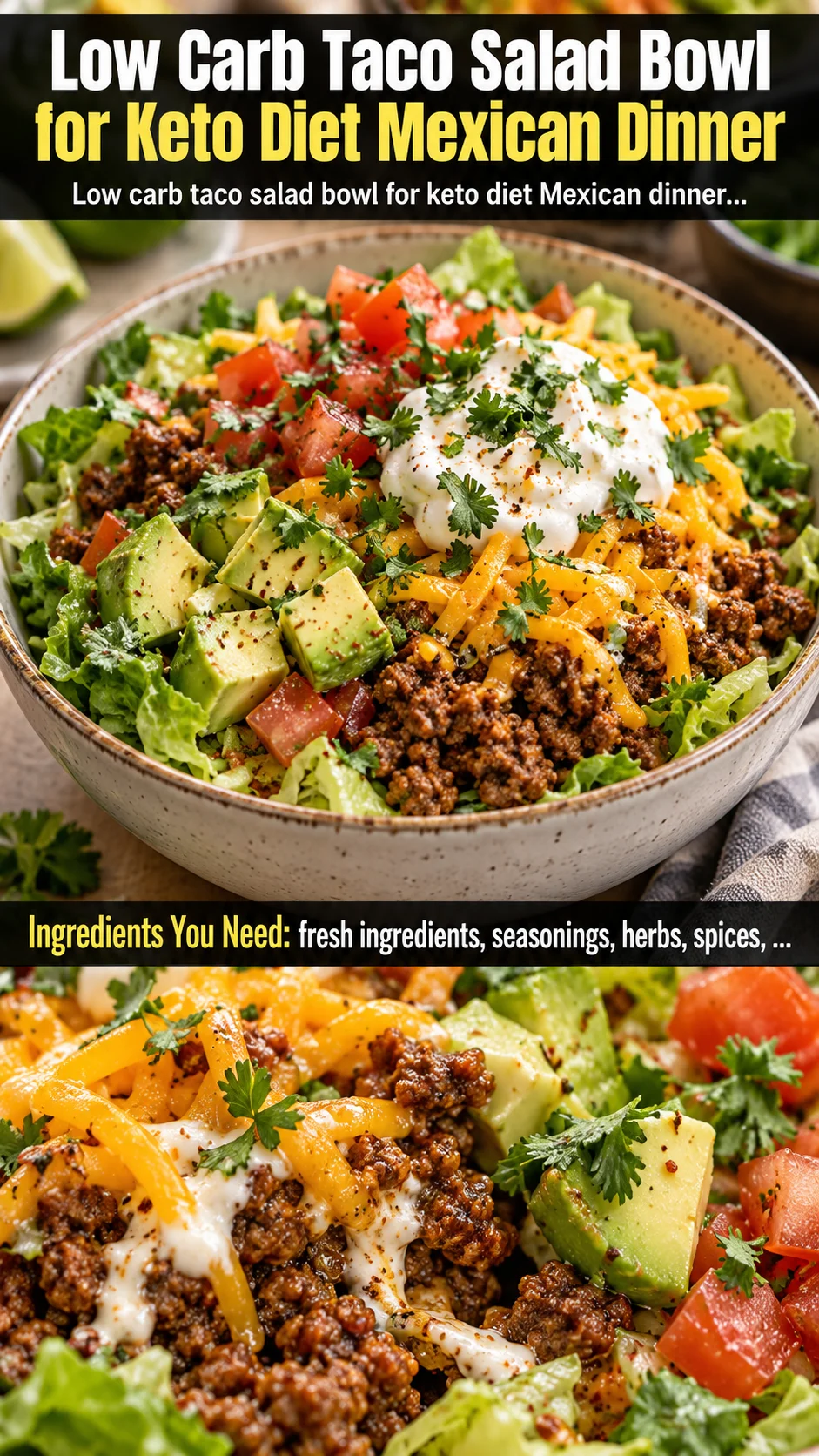
This cheesy keto taco casserole is ready in just 25 minutes with only 3.9g net carbs per serving. A quick, low-carb dinner perfect for busy weeknights. Loaded with seasoned ground…

Ingredients

Toggle: Metric / US

Instructions

Step 1

Preheat your oven to 375°F (190°C). Grease a 9×13-inch casserole dish or an 8×8-inch square dish for a thicker casserole. Using butter or non-stick spray ensures the casserole won’t stick, making serving and cleanup a breeze. While the oven heats, gather all ingredients. This 10-minute prep window is perfect for cooking the beef and mixing the creamy base.

Step 1 image
Step 2

In a large skillet over medium-high heat, brown the ground beef. Use a wooden spoon or spatula to break the meat into crumbles as it cooks. Cook until no longer pink, about 5-7 minutes. Drain any excess fat if you used a fatty grind (80/20 is ideal for flavor, but if you use 93/7, you may not need to drain). The sizzling sound and rich beefy aroma signal it’s ready. Do not overcook or the beef will become dry.

Step 2 image
Step 3

Reduce heat to low. Sprinkle the taco seasoning over the beef and add 1/2 cup water. Stir well to combine. Let it simmer for 2-3 minutes until the sauce thickens slightly. This allows the spices to bloom and infuse into the meat. You’ll notice the mixture becoming cohesive and deeply fragrant. If you prefer a spicier kick, add a pinch of cayenne or use hot taco seasoning.

Step 3 image
Step 4

While the beef simmers, prepare the creamy cheese layer. In a medium bowl, combine the softened cream cheese, sour cream, and eggs. Whisk until smooth and lump-free. The softened cream cheese is crucial; if it’s too cold, it will create lumps. Use room-temperature ingredients for a silky texture. Fold in half of the shredded cheese and the optional diced green chiles. This mixture will bind the casserole and keep it low-carb.

Step 5

Spread the seasoned beef evenly in the prepared casserole dish. Pour the creamy cheese mixture over the beef and gently spread it to cover. Top with the remaining shredded cheese. The cheese should blanket the entire surface to create a golden, bubbly crust. Bake uncovered for 12-15 minutes, or until the edges are bubbly and the center is set. A knife inserted in the center should come out clean. If you like a darker top, broil for 1-2 minutes at the end, watching carefully to avoid burning.

Step 6

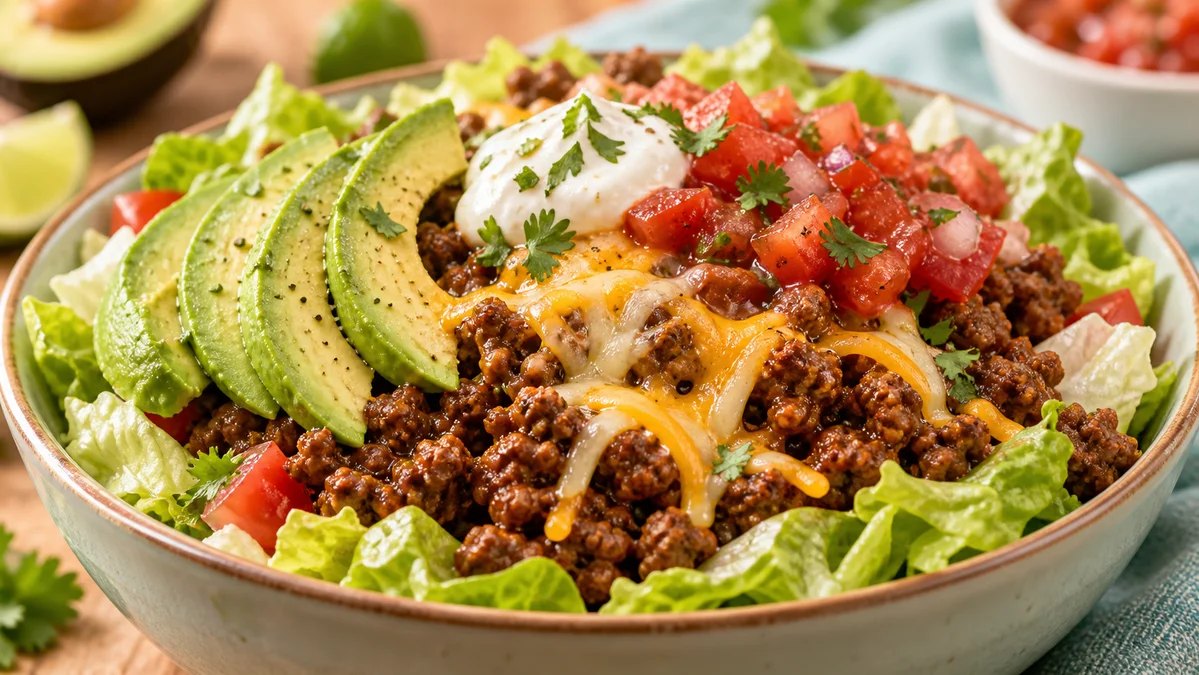
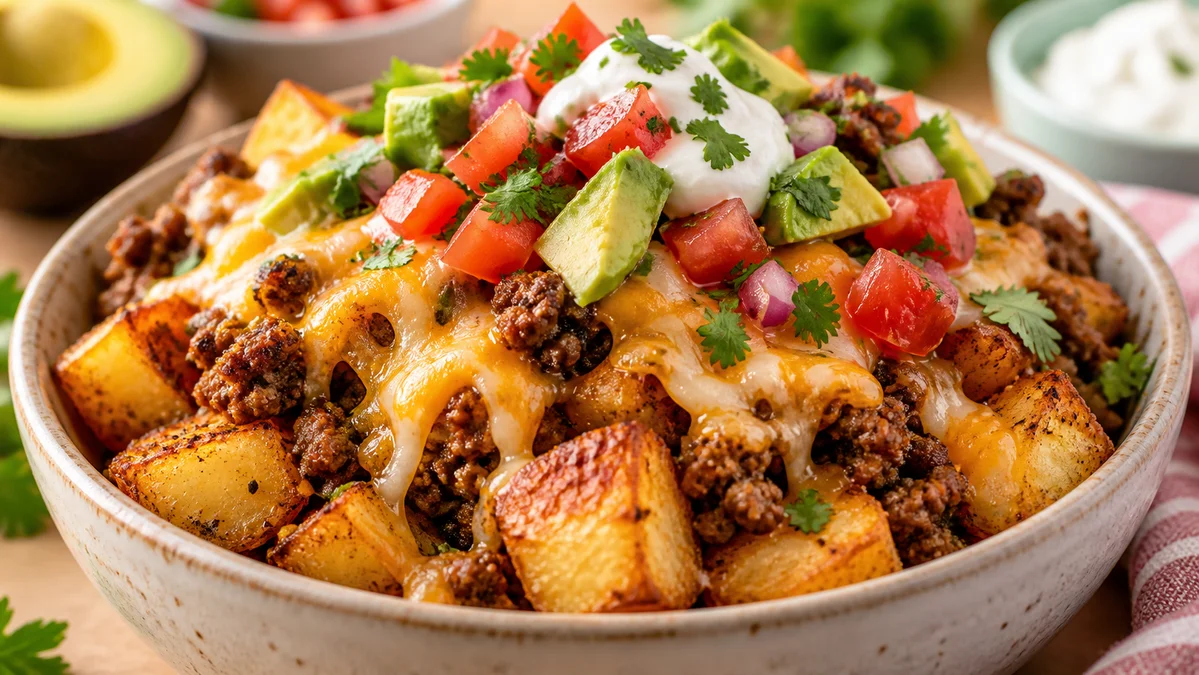
Let the casserole rest for 5 minutes after removing from the oven. This allows the custard to set, making slices neat. Garnish with shredded lettuce, diced tomatoes, sliced avocado, a dollop of sour cream, and your favorite salsa. For a keto-friendly topping, use fresh guacamole or avocado creams. Serve warm and enjoy the melty, cheesy layers with a crunchy fresh topping. Leftovers can be stored in the fridge for up to 4 days.

Step 6 image

For best results

  • To keep net carbs as low as 3.9g per serving, use a taco seasoning mix that does not contain added sugar or fillers. You can make your own with chili powder, cumin, garlic powder, onion powder, paprika, oregano, salt, and pepper. This gives you full control over the carb count and flavor profile. Store the homemade blend in an airtight jar for future use.
  • For the creamiest texture, ensure the cream cheese is fully softened to room temperature. If you're short on time, microwave it in 10-second bursts, but be careful not to melt it. Cold cream cheese will result in a lumpy batter. Similarly, let the eggs come to room temperature by submerging them in warm water for 5 minutes.
  • Choose a good melting cheese like Monterey Jack, cheddar, or a Mexican blend. Pre-shredded cheese often contains anti-caking agents that can prevent smooth melting. For best results, shred your own block cheese. The extra effort pays off in a gooey, stretchy casserole that doesn't turn grainy.
  • If you prefer a firmer casserole that holds its shape better, add an extra egg to the creamy base. The eggs act as a binder. For a fluffier texture, separate the eggs and whip the whites to soft peaks before folding in. This creates a soufflé-like lift, though it's more advanced.
  • For meal prep, assemble the casserole completely but do not bake. Cover and refrigerate for up to 24 hours. When ready to eat, add 5-10 minutes to the baking time since the dish starts cold. You can also freeze the unbaked casserole for up to 3 months. Thaw overnight in the fridge before baking. The topping should be added fresh after reheating to maintain crunch.
  • To avoid a watery casserole, drain the beef well after browning and do not add extra water beyond the taco seasoning instructions. If you include toppings like diced tomatoes, pat them dry with paper towels to remove excess moisture. This prevents the casserole from becoming soggy and diluting the flavors.

Variations

  • Chicken Taco Casserole: Substitute ground beef with shredded cooked chicken (rotisserie works great). Use the same seasoning and cheese mixture. The chicken will be lighter in fat, so consider adding a tablespoon of butter to the cream cheese mixture for richness. Bake as directed. This variation has similar net carbs but different macros.
  • Vegetarian Keto Casserole: Replace meat with 1 lb of crumbled firm tofu or tempeh, browned in oil with taco seasoning. Or use a mix of sautéed mushrooms and cauliflower rice. The creamy base remains the same. Add a can of black soybeans (low-carb) if desired. This version drops the protein a bit but is still satisfying.
  • Spicy Chorizo Casserole: Swap ground beef for Mexican chorizo (uncased and crumbled). Chorizo is fatty and flavorful; reduce added salt in the seasoning. The casserole will have a vibrant red hue and a kick. For extra heat, top with sliced jalapeños before baking. Adjust baking time slightly if chorizo releases more oil – drain excess before layering.
  • Dairy-Free / Paleo Adaptation: Use coconut cream instead of cream cheese and sour cream, and choose a dairy-free shredded cheese (or omit the cheese layer and top with nutritional yeast and avocado). For binding, use 3 eggs instead of 2. The casserole will be less cheesy but still delicious and keto-friendly with similar net carbs.

Nutrition

  • Calories420 kcal
  • Total Fat32g
  • Saturated Fat16g
  • Cholesterol165mg
  • Sodium890mg
  • Total Carbohydrates8g
  • Dietary Fiber2.1g
  • Sugars3g
  • Protein28g

Common Questions

Can I make this keto taco casserole ahead of time?
Yes! Assemble the casserole up to the point of baking, then cover and refrigerate for up to 24 hours. When ready, bake as directed, adding an extra 5-10 minutes since it starts cold. You can also freeze the unbaked casserole for up to 3 months. Thaw overnight in the refrigerator before baking. Toppings should always be added fresh after baking to maintain their texture.
How do I store leftovers and how long do they last?
Store any leftover casserole in an airtight container in the refrigerator for up to 4 days. Reheat individual portions in the microwave (1-2 minutes) or in the oven at 350°F (175°C) for about 10 minutes until warmed through. The casserole may become a bit softer upon reheating, but the flavor remains excellent. Avoid freezing leftovers after baking, as the texture may suffer.
Is this casserole truly keto-friendly with only 3.9g net carbs?
Yes, each serving contains approximately 3.9g net carbs, calculated by subtracting fiber and sugar alcohols from total carbs. The main carb sources come from the cream cheese, sour cream, and taco seasoning. Using a homemade seasoning without added sugars keeps the carbs minimal. Vegetables used for topping, like lettuce and avocado, are low in net carbs. Always check labels for hidden carbs.
Can I use ground turkey instead of ground beef?
Absolutely. Ground turkey (93/7 or 85/15) works well and will lower the calorie and saturated fat content. Since turkey is leaner, you may need to add a tablespoon of olive oil or butter to the beef mixture to prevent dryness. Also, ensure you don’t overcook it. The rest of the ingredients remain the same. The net carbs per serving will stay around 3.9g, but protein and fat content will adjust.
Why did my casserole turn out watery?
A watery casserole is usually due to excess moisture from the beef (not draining enough) or from toppings like tomatoes added while baking. Always drain the beef thoroughly after browning, and if using toppings like salsa or tomatoes, add them after baking. Also, if you used pre-shredded cheese, it may contain starches that release water. Shred your own cheese for best results.
Can I add vegetables like bell peppers or onions?
Yes, you can sauté diced bell peppers and onions with the ground beef in step 2. This adds flavor and nutrients. However, be aware that onions and bell peppers contain carbs; for strict keto, measure portions. For example, 1/4 cup of diced onion adds about 3g net carbs, so adjust your serving size accordingly. You can also use low-carb vegetables like zucchini or spinach.
What can I use instead of cream cheese?
For a dairy-free option, use full-fat coconut cream (the solid part from a can of coconut milk). For a lighter option, use Greek yogurt (plain, full-fat) but note it adds a tangy flavor and reduces fat macros. You can also use blended cottage cheese or mascarpone. Each substitute will alter the texture and macros slightly, so adjust your expectations.

Notes

This cheesy keto taco casserole was born on a hectic Tuesday night when I craved tacos but didn’t want the carbs from shells or tortillas. The solution? Turn everything into a casserole! I love how this recipe respects the essence of taco night—zesty, savory, and loaded with toppings—while keeping the blood sugar steady. The creamy layer of cream cheese, sour cream, and eggs mimics the richness of a Mexican crema without the sugar. It’s a foolproof weeknight hack that has saved my family’s dinner routine more times than I can count.Growing up, my abuela made a version of ‘cazuela de picadillo’ that always felt like a warm hug. I’ve reinvented that memory with keto-friendly ingredients, keeping the soul of the dish alive. This casserole travels well for potlucks and is a hit even among non-keto eaters. Serve it with a side of cauliflower rice or a crisp salad to round out the meal.One final note: don’t skip the resting step after baking. It allows the custard to set so you get clean, beautiful slices. If you’re in a rush, you can eat it sooner, but it will be more like a messy taco bowl—still delicious, just less photogenic. I encourage you to experiment with the toppings; sometimes I add pickled red onions or a drizzle of chipotle mayo. The casserole is your canvas.Happy cooking, and remember: good food doesn’t have to be complicated or high-carb. Sometimes the simplest creations become family favorites. For more quick keto dinners, check out my 30-Minute High-Protein Dinners board on Pinterest. Enjoy!

Keto Taco Casserole with 10-Minute Prep

Keto Taco Casserole with 10-Minute Prep
Keto Casserole • Low Carb Dinner • Quick Weeknight Meal

⏱️ Prep: PT10M
🔥 Cook: PT15M
⏳ Total: PT25M
🍽️ Yield: 6 servings
⚡ Calories: 380 kcal
(284)
keto casserolelow carb taco casseroleeasy keto dinnercheesy casseroleground beef casserole

This easy keto taco casserole comes together with a quick 10-minute prep and just 15 minutes in the oven. Packed with taco flavor and only 3.9g net carbs per serving,…

Ingredients

Toggle: Metric / US

Instructions

Step 1

Preheat your oven to 375°F (190°C). While the oven heats, gather your ingredients. Use a large skillet (preferably non-stick or cast-iron for even browning). Place the skillet over medium-high heat and add the ground beef. Break it up with a wooden spoon, stirring occasionally until it’s fully browned—about 5-7 minutes. The beef should release its fat; if it’s very lean, add a teaspoon of oil. Drain any excess fat (leave about a tablespoon for flavor). This step is crucial for preventing a greasy casserole and ensuring the meat browns properly, developing deep umami notes.

Step 1 image
Step 2

Reduce heat to medium. Sprinkle the taco seasoning evenly over the cooked beef. Add the water and stir well, scraping up any browned bits from the bottom of the pan—those bits are packed with flavor. Let the mixture simmer for 2-3 minutes, stirring occasionally, until the liquid reduces slightly and the seasoning coats the meat. The sauce should be thick but not dry. If it looks too dry, add a splash more water. Taste and adjust seasoning if needed (some packets are saltier than others). This step infuses the beef with classic taco spices without any carbs from beans or corn.

Step 2 image
Step 3

Remove the skillet from heat. Stir in the sour cream and salsa until fully combined. The sour cream adds richness and helps bind the casserole while keeping it moist. The salsa contributes acidity and brightness. The mixture should be creamy and slightly thick. If you like extra heat, add a few dashes of hot sauce or chopped jalapeños now. Transfer the beef mixture to a greased 9×9-inch baking dish (or similar size). Spread it evenly with a spatula.

Step 4

Sprinkle the shredded cheese over the top in an even layer. For the best melt, use freshly shredded cheese as pre-shredded contains anti-caking agents that prevent smooth melting. If using crushed pork rinds for a crunchy topping, scatter them over the cheese. The pork rinds add a keto-friendly crunch reminiscent of tortilla chips. Bake uncovered for 12-15 minutes, or until the cheese is bubbly and golden brown on the edges. The casserole should be hot all the way through. Let it rest for 2-3 minutes before serving—this allows the layers to set.

Step 5

Garnish with fresh cilantro and optional toppings like sliced avocado, black olives, or extra jalapeños. Serve directly from the baking dish or scoop onto plates. For a complete meal, pair with a side of cauliflower rice or a simple green salad. Store leftovers in an airtight container in the refrigerator for up to 4 days. To reheat, microwave individual portions or warm in a 350°F oven until heated through.

For best results

  • Choose high-quality ground beef with at least 20% fat. The fat ensures the meat stays juicy during baking and carries the taco flavors. If you use lean ground beef (93/7), add a tablespoon of olive oil to prevent dryness. For an even richer flavor, substitute half the ground beef with ground pork or chorizo—just adjust seasoning to account for chorizo's spice.
  • Make your own taco seasoning to control salt and carbs. Combine 1 tablespoon chili powder, 1 teaspoon cumin, 1/2 teaspoon paprika, 1/2 teaspoon garlic powder, 1/2 teaspoon onion powder, 1/4 teaspoon oregano, and a pinch of cayenne. This blend has zero added sugar or fillers, keeping the net carbs minimal. Store extra in a jar for future meals.
  • For the best texture, avoid overbaking. The casserole is done when the cheese is fully melted and the edges are just starting to brown. Overbaking can dry out the beef and make the sour cream curdle. If you prefer a firmer set, bake for the full 15 minutes; for a softer, creamier casserole, pull it out at 12 minutes.
  • Customize the cheese blend. While cheddar is classic, try a mix of Monterey Jack for creaminess and pepper jack for heat. Smoked gouda adds a smoky depth that complements taco flavors. For a gooey, stretchy texture, include some mozzarella. Always shred your own cheese from a block—it melts evenly and doesn't contain cellulose.
  • Boost the vegetable content without adding carbs. Fold in 1/2 cup of finely chopped cauliflower rice (raw) into the beef mixture before baking. The cauliflower absorbs the taco flavors and adds moisture. You can also add sautéed bell peppers and onions, but account for the extra carbs (about 3g net per 1/4 cup).
  • To make this casserole dairy-free, use a dairy-free shredded cheese (look for brands that melt well) and replace sour cream with full-fat coconut cream or a dairy-free yogurt. The texture will be slightly different but still delicious. For a nutty flavor, top with crushed pecans instead of pork rinds.
  • If you're meal-prepping, assemble the casserole completely but don't bake it. Cover and refrigerate for up to 2 days. When ready to eat, bake straight from the fridge—add 5-7 minutes to the baking time. You can also freeze the unbaked casserole for up to 3 months; thaw overnight in the fridge before baking.

Variations

  • **Chicken Taco Casserole**: Swap the ground beef with shredded cooked chicken breast or thighs. Use about 2 cups of shredded chicken. Mix with the seasoning and water, then proceed as directed. Chicken is leaner, so you may want to add a tablespoon of cream cheese for richness. The texture will be lighter but equally satisfying.
  • **Spicy Chipotle Version**: Add 2 tablespoons of chopped chipotle peppers in adobo sauce to the beef mixture along with the water. This adds smoky heat and depth. For extra kick, use pepper jack cheese and top with fresh jalapeños. The adobo sauce contains some sugar, so net carbs increase slightly (about 1g per serving).
  • **Vegetarian Keto Casserole**: Replace meat with 1 lb of crumbled firm tofu or textured vegetable protein (TVP). For tofu, press and crumble, then sauté until golden. For TVP, rehydrate in hot water, then sauté with seasoning. Add 1 tablespoon of olive oil for fat. The result is a high-protein, low-carb vegetarian version that mimics taco meat texture.
  • **Breakfast Casserole**: Omit the salsa and water, and increase the sour cream to 1 cup. After cooking the seasoned beef, spread in the dish, top with cheese, and create 6 wells with a spoon. Crack an egg into each well. Bake until the whites are set but yolks are still runny (about 12-15 minutes). Garnish with avocado and salsa. This version has more protein and healthy fats for a hearty breakfast.
  • **Italian Taco Fusion**: Replace taco seasoning with 1 tablespoon Italian seasoning and 1 teaspoon garlic powder. Use mozzarella and Parmesan cheese, and stir in 1/2 cup marinara sauce (low-carb) with the sour cream. Top with fresh basil. This gives a pizza-like flavor while keeping the keto macros. Serve with a side of zucchini noodles.
  • **Stuffed Pepper Casserole**: Add 1 cup of diced bell peppers (any color) and 1/2 cup diced onion to the beef after browning. Cook until softened, then proceed. The extra veggies add 2-3g net carbs per serving but boost fiber. Use a blend of cheddar and Colby Jack cheese. This variation is like deconstructed stuffed peppers with a taco twist.

Nutrition

  • Calories380 kcal
  • Total Fat30g
  • Saturated Fat14g
  • Cholesterol100mg
  • Sodium800mg
  • Total Carbohydrates5g
  • Dietary Fiber1.1g
  • Sugars2g
  • Protein30g

Common Questions

Can I use ground turkey instead of beef?
Yes, ground turkey works well, especially dark meat. Since turkey is leaner, add 1 tablespoon of olive oil to the pan when browning to prevent dryness. The cooking time remains the same. For best flavor, use a blend of ground turkey and pork.
How do I store leftovers and how long do they last?
Store leftover casserole in an airtight container in the refrigerator for up to 4 days. To reheat, microwave on high for 1-2 minutes or bake at 350°F for 10 minutes until heated through. The casserole can also be frozen for up to 3 months. Thaw overnight in the fridge before reheating.
Is this casserole truly keto-friendly?
Absolutely, with only 3.9g net carbs per serving. The main carbs come from the salsa and taco seasoning (if using store-bought). Always check labels for added sugars. Using homemade seasoning and a low-carb salsa keeps the carb count minimal. The rest of the ingredients (meat, cheese, sour cream) are very low in carbs.
Can I make this casserole in advance for a party?
Yes, you can assemble the casserole up to 2 days ahead. Keep it covered in the refrigerator. When ready to bake, add an extra 5-7 minutes to the oven time since it starts cold. This makes it perfect for entertaining or busy weeknights when you want a zero-effort dinner.
What can I use instead of pork rinds for crunch?
If you don’t have pork rinds, substitute with crushed almonds, pecans, or a low-carb cracker (like cheese crisps). For a nut-free option, use crushed hemp seeds or simply skip the topping—the casserole is still delicious without it. The crunch is optional but adds texture.
How can I reduce the fat content?
Use lean ground beef (93/7) and drain fat thoroughly. Replace full-fat sour cream with Greek yogurt (not all are keto-friendly; check carbs). Use part-skim mozzarella instead of cheddar. However, note that fat is essential for keto to maintain energy; reducing too much may affect satiety.
Can I add beans or corn to this casserole?
Classic taco casseroles often include beans and corn, but they are not keto-friendly due to high carbs. Black beans have about 20g net carbs per 1/2 cup, and corn has around 15g. If you’re not strictly keto, you can add them, but anticipate significantly more carbs. For a keto version, skip them.
What's the best way to reheat without drying out?
The best method is to reheat in the oven at 350°F covered with foil for about 10 minutes. If using a microwave, place a damp paper towel over the plate to add moisture. Alternatively, reheat in a skillet on the stovetop over medium heat with a splash of water, covered, until hot.

Notes

This Keto Taco Casserole was born out of my love for taco nights but my desire to stay low-carb. I remember the first time I made it—it was a busy Tuesday, and I needed something fast and satisfying. The combination of seasoned ground beef, creamy sour cream, and melty cheese felt like pure comfort, but without the carbs from tortillas or rice. I’ve perfected it over dozens of batches, tweaking the seasoning and baking time to get that perfect bubbly, golden top. What I love most is how versatile it is: you can swap proteins, add veggies, or spice it up depending on your mood. It’s become a staple in my meal prep rotation, and I always recommend it to friends who think keto means missing out on flavor. Serve it with a dollop of extra sour cream and a sprinkle of cilantro for a restaurant-worthy dish at home. Whether you’re feeding a family or just yourself, this casserole proves that low-carb eating can be indulgent and effortless. I hope it becomes a favorite in your kitchen too!

Slow Cooker Taco Pasta Cheesy Ground Beef

Slow Cooker Taco Pasta Cheesy Ground Beef
Slow Cooker Dinner • Taco Pasta • Easy Weeknight Meals

⏱️ Prep: PT10M
🔥 Cook: PT4H
⏳ Total: PT4H10M
🍽️ Yield: 6 servings
⚡ Calories: 580 kcal
(284)
slow cookertaco pastaground beefcheddareasy dinnerbudget meal5 ingredients

This easy crockpot taco pasta combines seasoned ground beef, tender shell pasta, and melted cheddar cheese for a quick weeknight dinner. Only 5 ingredients! Perfect for busy families.

Ingredients

Toggle: Metric / US

Instructions

Step 1

Start by browning the ground beef. In a large skillet over medium-high heat, add the ground beef and cook, breaking it apart with a wooden spoon, until fully browned — about 6 to 8 minutes. If using optional onion and garlic, add them in the last 2 minutes to soften. Drain any excess fat to avoid a greasy final dish. The browning step is crucial for developing deep, savory flavors through the Maillard reaction. You’ll want the beef to be finely crumbled, with no pink remaining, and a rich brown color.

Step 1 image
Step 2

Transfer the browned beef to the slow cooker. Sprinkle the taco seasoning evenly over the meat and stir to coat. Taco seasoning typically contains chili powder, cumin, garlic powder, onion powder, paprika, and a touch of cayenne — it gives the dish its signature Tex-Mex flavor. Make sure every bit of beef is seasoned. Then pour in the beef broth and the entire can of undrained diced tomatoes with green chilies. Stir everything together until well combined. The liquid will help cook the pasta and create a saucy consistency.

Step 2 image
Step 3

Cover the slow cooker and cook on HIGH for 2 hours or LOW for 4 hours. During this time, the flavors meld and the beef becomes even more tender. About 30 minutes before you’re ready to serve, stir in the uncooked shell pasta. It’s important to add the pasta later in the cooking process so it doesn’t turn mushy. Make sure the pasta is fully submerged in the liquid. Replace the lid and continue cooking on HIGH for 25-30 minutes, or until the pasta is al dente — tender but still with a slight bite.

Step 4

Once the pasta is cooked, turn off the slow cooker (or switch to WARM). Sprinkle the shredded cheddar cheese evenly over the surface. Do not stir immediately; let the cheese sit for about 2 minutes to begin melting from the residual heat. Then gently fold the cheese into the pasta until melted and creamy. The sharp cheddar adds a richness that balances the spicy taco seasoning. If you like it extra cheesy, add an additional ½ cup. Taste and adjust salt and pepper if needed — the taco seasoning and canned tomatoes already contribute salt.

Step 5

Serve immediately while hot and cheesy. Scoop into bowls and garnish with fresh cilantro, a dollop of sour cream, or sliced jalapeños if desired. This dish pairs wonderfully with a side salad or tortilla chips. The leftovers (if any) can be stored in an airtight container in the refrigerator for up to 4 days. Reheat gently in the microwave or on the stovetop with a splash of milk to restore creaminess.

For best results

  • For best results, use lean ground beef (85/15 or 90/10) to avoid excessive grease. If you have a fattier blend, brown and drain thoroughly. You can also substitute ground turkey or chicken for a lighter option — just add a tablespoon of oil to prevent dryness.
  • Don't skip the browning step. While slow cookers are forgiving, browning the meat first adds layers of flavor that can't be achieved by just throwing raw meat in. It creates fond (browned bits) that enhance the overall taste.
  • Add the pasta at the right time. Different pasta shapes and brands absorb liquid differently. Check at 25 minutes — the pasta should be al dente. If it's still hard, cook 5 more minutes. Avoid overcooking as it will continue softening in the hot sauce.
  • Use a good quality taco seasoning. Store-bought packets are convenient, but check sodium content. For a homemade blend, mix 1 tbsp chili powder, 1 tsp cumin, 1 tsp garlic powder, 1 tsp onion powder, ½ tsp paprika, ½ tsp oregano, and a pinch of cayenne. This gives you control over spiciness and sodium.
  • For a creamy texture, stir in 4 oz of cream cheese along with the cheddar. The cream cheese adds richness and helps bind the sauce. Cut it into cubes so it melts evenly. You can also use a splash of heavy cream or half-and-half.
  • To stretch the meal further, serve over rice or with crusty bread. The pasta to sauce ratio is generous, but adding a starch makes it even more filling. Leftovers thicken as they cool; thin with a little broth when reheating.

Variations

  • Make it vegetarian: Swap the ground beef for 1 can (15 oz) of black beans (drained and rinsed) or 1.5 cups of cooked lentils. Add the beans in step 2 without browning. Increase the broth to 2 cups as beans absorb more liquid. Use a vegetarian taco seasoning and top with pepper Jack cheese for extra flavor.
  • Spice it up: For a smoky kick, use chipotle taco seasoning or add 1-2 chipotle peppers in adobo sauce (minced) along with the tomatoes. Stir in a tablespoon of chopped pickled jalapeños before serving. You can also use hot Rotel for extra heat.
  • Protein swap: Ground chicken, turkey, or pork all work well. For a chorizo twist, substitute 1 lb of Mexican-style chorizo (remove casing) and brown it. Chorizo is already seasoned, so reduce taco seasoning to half a packet. The red oil from chorizo will add vibrant color and spice.
  • Gluten-free adaptation: Use gluten-free pasta shells or elbows. Since gluten-free pasta can be more delicate, cook it separately according to package directions and stir in at the end. Alternatively, use cooked rice or quinoa instead of pasta — stir in 2 cups of cooked rice after the cheese melts.
  • Cheese variety: Mix cheeses for complexity. Try 1 cup sharp cheddar, ½ cup Monterey Jack, and ½ cup crumbled queso fresco. Queso fresco adds a salty bite and creamy texture. For a smoky flavor, use smoked Gouda in place of half the cheddar.

Nutrition

  • Calories580 kcal
  • Total Fat28g
  • Saturated Fat14g
  • Cholesterol105mg
  • Sodium1180mg
  • Total Carbohydrates38g
  • Dietary Fiber4g
  • Sugars6g
  • Protein36g

Common Questions

Can I use a different pasta shape?
Absolutely! Any small pasta like elbows, rotini, orecchiette, or even broken spaghetti will work. Adjust cooking time based on the size. Smaller shapes cook faster, so check at 15 minutes. Avoid large pasta like lasagna sheets as they won’t cook evenly in the slow cooker environment.
How do I prevent the pasta from getting mushy?
The key is adding the pasta late in the cooking process. Cook the sauce base first for the majority of the time, then add the uncooked pasta in the last 20–30 minutes. Use high heat after adding pasta to bring it to a boil quickly. Also, avoid opening the lid frequently as it releases steam and slows cooking.
Can I prepare this ahead of time and freeze?
Yes! This dish freezes well. Assemble and cook fully, then let cool completely. Portion into freezer-safe containers, leaving some headspace. Freeze for up to 3 months. To reheat, thaw overnight in the fridge then reheat in a saucepan with a splash of broth or water, stirring frequently. The texture of the pasta may soften slightly after freezing.
Is it okay to use water instead of broth?
Broth adds flavor depth that water can’t match. If you only have water, boost the taste by adding an extra teaspoon of taco seasoning or a beef bouillon cube. You can also use chicken broth or vegetable broth in a pinch. The liquid is used to cook the pasta and create the sauce, so flavor matters.
How can I make this lower sodium?
Opt for low-sodium beef broth, reduced-sodium taco seasoning, and no-salt-added diced tomatoes. You can make your own taco seasoning with spices to control salt. Also, use fresh garlic and onion instead of powders. Taste before adding salt — the cheese also contributes sodium. Serve with fresh salsa to enhance flavor without extra salt.
What if my slow cooker runs hot and the pasta overcooks?
All slow cookers vary. If yours runs hot, add the pasta after 2 hours on LOW (or 1 hour on HIGH) instead of 30 minutes before serving. Check at 15 minutes. If pasta is already al dente, switch to WARM immediately. You can also partially cook the pasta on the stove for 4 minutes less than package directions, then add it during the last 10 minutes.
Can I double this recipe?
Yes, as long as your slow cooker is at least 6 quarts. Double all ingredients. Keep cooking times the same, but the pasta may need an extra 5 minutes since there is more mass. Stir halfway through adding pasta to ensure even cooking. Ensure there is enough liquid — the pasta should be submerged. If needed, add an extra ½ cup broth.

Notes

This slow cooker taco pasta recipe was born from a busy weeknight need: a meal that practically cooks itself, uses pantry staples, and pleases everyone at the table. I remember the first time I made it — I was skeptical that such simple ingredients could yield something so satisfying. But the combination of seasoned beef, tender pasta, and melted cheddar is pure comfort. It’s the kind of dish that makes you feel like a kitchen hero with minimal effort.I love that this recipe is endlessly adaptable. When I’m short on time, I skip the optional onion and garlic and it’s still delicious. The slow cooker does the heavy lifting, and the final addition of cheese creates a creamy sauce that coats every shell. The leftovers are even better the next day, as the flavors meld overnight.Serving suggestions: Pair with a crisp green salad dressed with lime vinaigrette, or scoop it up with tortilla chips. For a loaded experience, top with avocado, sour cream, diced tomatoes, and a squeeze of lime. It’s also great stuffed into burritos or tacos.As a budget-conscious cook, I appreciate that this meal costs under $10 and feeds a crowd. Use store-brand ingredients and buy cheese in blocks to shred yourself — it melts better. This is one of those recipes that proves you don’t need fancy ingredients to eat well.I hope this becomes a staple in your dinner rotation. Remember, cooking is about joy and nourishment, so adapt it to your taste. Happy slow cooking!

Crockpot Taco Pasta with Cheesy Shells

Crockpot Taco Pasta with Cheesy Shells
Easy Dinner Recipes • 30-Minute Dinners • High-Protein Pasta

⏱️ Prep: PT10M
🔥 Cook: PT20M
⏳ Total: PT30M
🍽️ Yield: 6 servings
⚡ Calories: 485 kcal
(284)
crockpot taco pastacheesy taco shellsslow cooker dinnerground beef recipehigh protein pasta30 minute dinnereasy weeknight mealfamily friendly dinner

This easy crockpot taco pasta recipe combines cheesy shells with seasoned ground beef for a quick family dinner. A simple slow cooker casserole that delivers high protein with minimal prep.…

Ingredients

Toggle: Metric / US

Instructions

Step 1

Start by browning the ground beef to build deep flavor. Heat a large skillet over medium-high heat and add the ground beef. Break it apart with a wooden spoon and cook until no longer pink, about 5-7 minutes. The beef should be finely crumbled with some browned bits sticking to the pan—those bits are pure umami. Drain off excess fat if desired (lean beef may not need it). Add the diced onion and minced garlic, stirring for another 2 minutes until the onion softens and becomes translucent. Sprinkle the taco seasoning over the meat and stir to coat evenly. Cook for 1 minute to bloom the spices, then deglaze the pan with a splash of beef broth to lift the fond. This step ensures every bit of flavor is incorporated into your dish.

Step 1 image
Step 2

Transfer the seasoned beef mixture to a 6-quart slow cooker. Add the undrained diced tomatoes with green chilies, tomato sauce, and remaining beef broth. Stir to combine. These liquids provide the saucy base that will cook the pasta and create a rich, slightly spicy taco flavor. The acidity from the tomatoes balances the richness of the cheese and cream to come.

Step 2 image
Step 3

Add the uncooked shell pasta directly into the liquid. Do not stir too vigorously—just gently push the shells under the surface so they are mostly submerged. The pasta will absorb the broth as it cooks, becoming tender and flavorful. If you prefer al dente pasta, slightly undercook it in the slow cooker by checking at the minimum time. Cover the slow cooker with the lid and cook on HIGH for about 20 minutes, or until the pasta is tender but still holds its shape. Check at 15 minutes if your slow cooker runs hot; you want the shells to be just al dente because they will continue to soften slightly once the cheese is added.

Step 4

Once the pasta is cooked, reduce the slow cooker to LOW (or turn off if using keep-warm). Pour in the heavy cream and stir gently until the mixture turns a lovely creamy pink. The cream adds richness and mellows the spice. Then, gradually add the shredded Mexican blend cheese, a handful at a time, stirring continuously to melt smoothly. This prevents clumping and ensures a velvety sauce. The cheese will stretch and become gooey as it melts, coating every shell. Sprinkle the Monterey Jack on top for an extra layer of melted cheese crust. Cover for 2-3 minutes until the topping is melted and bubbly. Do not overstir once the cheese is in—just fold it in gently to keep the sauce cohesive.

Step 5

Serve the crockpot taco pasta immediately while hot and cheesy. Spoon into bowls and garnish with fresh cilantro, sliced jalapeños, a dollop of sour cream, or even a squeeze of lime for brightness. This dish is a complete meal on its own, but pairs wonderfully with a simple green salad or some warm tortilla chips. Leftovers can be stored in the refrigerator for up to 4 days—reheat gently with a splash of milk to restore creaminess.

For best results

  • For the best texture, use medium shell pasta (conchiglie) because their curved shape holds the sauce beautifully. Avoid tiny pasta like orzo as it may become mushy. Also, do not overcook the pasta in the slow cooker—cook on HIGH and check at the 15-minute mark. The residual heat will finish cooking it. If you prefer a thicker sauce, let the pasta sit covered for 5 minutes after cooking before adding the cream and cheese.
  • Choosing the right ground beef is key: 85/15 lean-to-fat ratio provides enough fat for flavor without making the dish greasy. If using very lean beef (like 93/7), add a tablespoon of olive oil when browning to compensate for moisture. For a lighter version, you can swap ground turkey or chicken—just ensure you season generously and add a bit of oil to prevent dryness.
  • Taco seasoning can be homemade to control sodium and spice: combine 2 teaspoons chili powder, 1 teaspoon cumin, 1 teaspoon paprika, 1/2 teaspoon garlic powder, 1/2 teaspoon onion powder, 1/2 teaspoon oregano, 1/4 teaspoon cayenne (optional), and salt/pepper. This equals one packet. Use this blend for a fresher, customizable flavor profile.
  • To prevent a curdled sauce when adding cream, make sure the cream is at room temperature before stirring it in. Cold cream can seize and separate when hitting the hot liquid. Also, add the cheese gradually off the heat or on the lowest setting—high heat can break the emulsion and cause a grainy texture. Always use freshly shredded cheese; pre-shredded bags contain anti-caking agents that inhibit smooth melting.
  • This recipe is extremely freezer-friendly. Assemble everything up to step 3 (before adding cream and cheese) in a freezer-safe container. Freeze for up to 3 months. When ready to cook, thaw overnight in the fridge, then reheat in a pot or slow cooker on LOW, adding the cream and cheese at the end. The texture will be just as good as fresh.
  • If you don't have a slow cooker, you can make this in a large Dutch oven on the stovetop. After browning the beef, add the liquids and pasta, bring to a simmer, cover and cook on low for about 15 minutes, stirring occasionally until pasta is tender. Then proceed with cream and cheese. The one-pot stovetop version is just as quick and convenient.

Variations

  • For a healthier twist, use whole wheat or chickpea shell pasta to boost fiber and protein. Replace heavy cream with Greek yogurt (full fat) stirred in at the end—but be careful not to boil or it may curdle. You can also add a cup of spinach or kale in the last 5 minutes of cooking for extra greens without altering the flavor.
  • Make it spicy: Use hot Rotel (diced tomatoes with habanero), add a diced jalapeño with the onion, and stir in a teaspoon of chipotle powder or adobo sauce. For extra heat, top with sliced serranos and a drizzle of hot honey. This version is perfect for those who love bold, fiery flavors.
  • Transform it into a vegetarian meal by substituting the ground beef with 1 lb of sautéed mushrooms (cremini or portobello, finely chopped) or 2 cans of black beans (rinsed and drained). Add an extra tablespoon of taco seasoning and a pinch of smoked paprika to mimic the savory depth of meat. The cooking time remains the same.
  • Switch the protein to ground chicken or turkey for a leaner option. Since these meats are drier, add an extra 1/4 cup of beef broth and cook the pasta on HIGH to ensure it doesn't dry out. Alternatively, use cooked and shredded rotisserie chicken—add it after the pasta is cooked, then stir in cream and cheese to warm through.
  • For a gluten-free version, use gluten-free shell pasta (like brown rice or corn-based). Ensure your taco seasoning is certified gluten-free. The cooking time may vary slightly; check package instructions for al dente timing. Also, use a gluten-free flour or cornstarch slurry if you need to thicken the sauce.

Nutrition

  • Calories485 kcal
  • Total Fat26g
  • Saturated Fat14g
  • Cholesterol95mg
  • Sodium890mg
  • Total Carbohydrates38g
  • Dietary Fiber4g
  • Sugars7g
  • Protein28g

Common Questions

Can I use a different pasta shape?
Absolutely! While medium shells are ideal for trapping sauce, you can use any short pasta like rotini, penne, or cavatappi. Adjust cooking time according to the pasta shape—smaller shapes cook faster. Avoid very long noodles like spaghetti as they are harder to mix and serve in a slow cooker.
How do I store leftovers and reheat them?
Store leftovers in an airtight container in the refrigerator for up to 4 days. The pasta will absorb some liquid overnight, so when reheating, add a splash of milk or broth and stir over medium-low heat until hot. You can also microwave in 30-second intervals, stirring in between. For best results, reheat in a skillet with a lid to steam and prevent drying.
Can I make this in an Instant Pot?
Yes! Use the sauté function to brown the beef, then add liquids and pasta (reduce broth to 1/2 cup as pressure cooks differently). Pressure cook on HIGH for 4 minutes, then quick release. Stir in cream and cheese until melted. Note: the texture will be slightly softer than slow-cooker version, but still delicious. Thicken with a cornstarch slurry if needed.
Is this recipe spicy? How can I adjust heat?
The spice level is mild to medium, coming from the diced tomatoes with green chilies and taco seasoning. For less heat, use plain diced tomatoes instead of Rotel, and choose a mild taco seasoning. For more heat, add extra chilies, cayenne, or hot sauce. You can also serve with cooling toppings like sour cream and avocado to balance the spice.
Can I use pre-cooked ground beef from the freezer?
Definitely! Thaw the cooked beef and add it directly to the slow cooker with the liquids and pasta. Skip the browning step, but you may want to add a tablespoon of olive oil and some extra seasoning to compensate for lost flavor. The cooking time for the pasta remains the same.
Why is my sauce grainy or separated?
Grainy sauce usually occurs from high heat when adding cheese or from using pre-shredded cheese with anti-caking agents. Always melt cheese off the heat or on LOW, and shred your own from a block. If the cream curdles, it may be because it was added too cold or the heat was too high. To fix, whisk in a tablespoon of cold butter or a splash of cream to re-emulsify.
How can I make this dairy-free?
Use full-fat coconut milk instead of heavy cream (the flavor is mild and complements the spices). For cheese, use a vegan shredded cheddar or skip the cheese entirely—the dish will still be creamy from the coconut milk. Add a nutritional yeast for cheesy flavor without dairy. You may also need to thicken with a cornstarch slurry.

Notes

This Crockpot Taco Pasta is a recipe born from my love of Tex-Mex weeknight comfort food. I remember the first time I made it—I was rushing between work and soccer practice, and I needed something that would come together without babysitting the stove. The slow cooker was my savior. Over the years, I’ve tweaked the ratio of liquid to pasta to achieve that perfect creamy, cheesy texture without turning into a gluey mess. The key is to cook the pasta just until al dente in the broth, then let the cheese and cream do the rest. This dish has become a staple in my household, requested at least once a week. It’s the ultimate crowd-pleaser: even picky eaters love the taco flavors and the fun shell shape. I often double the recipe for game day parties or potlucks. When serving, I like to set up a taco bar with extras: chopped avocado, pickled onions, hot sauce, and extra cheese. The leftovers are even better the next day as the flavors meld. If you’re looking for a versatile, family-friendly meal that checks all the boxes—quick, high-protein, and delicious—this crockpot taco pasta delivers every time. Enjoy!

One-Pan Honey BBQ Chicken Rice Quick Dinner

One-Pan Honey BBQ Chicken Rice Quick Dinner
Quick Dinner Ideas • Easy Weeknight Meals • 30-Minute Meals

⏱️ Prep: PT10M
🔥 Cook: PT20M
⏳ Total: PT30M
🍽️ Yield: 4 servings
⚡ Calories: 385 kcal
(156)
one-pan mealquick dinnerhoney BBQ chickenchicken and riceweeknight dinnereasy recipes30-minute meal

This one-pan honey BBQ chicken rice skillet is the ultimate quick dinner idea. Juicy chicken and fluffy rice cook together in a sweet-tangy sauce for an easy weeknight meal in…

Ingredients

Toggle: Metric / US

Instructions

Step 1

Start by prepping all your ingredients. Rinse the rice under cold water until the water runs clear—this removes excess starch and prevents the rice from becoming gummy. Dice the onion and mince the garlic. Cut the chicken into uniform bite-sized pieces so they cook evenly. Pat the chicken dry with paper towels to help achieve a golden sear. This mise en place approach ensures a smooth cooking flow, especially on a busy weeknight.

Step 1 image
Step 2

Heat 1 tablespoon of olive oil in a large deep skillet or Dutch oven over medium-high heat. Once the oil shimmers, add the chicken pieces in a single layer (work in batches if necessary to avoid overcrowding). Let the chicken cook undisturbed for 3-4 minutes until the bottom is deeply golden and caramelized. Flip the pieces and cook another 2-3 minutes. The edges should have nice charred bits—this builds flavor. Remove the chicken to a plate; it doesn’t need to be fully cooked through yet as it will finish in the rice.

Step 2 image
Step 3

Reduce heat to medium. Add the remaining 1 tablespoon olive oil to the same pan. Sauté the diced onion for 2 minutes until translucent, scraping up any browned bits from the chicken. Add the minced garlic and smoked paprika; cook for 30 seconds until fragrant. The aroma of garlic and smoked paprika coming together is absolutely intoxicating.

Step 4

Add the rinsed rice to the pan and stir to coat with the oil and aromatics. Toast the rice for 1 minute, stirring constantly—this step enhances the nutty flavor and keeps the grains separate. Pour in the chicken broth, honey, and BBQ sauce. Stir everything together, making sure the honey and BBQ are fully dissolved in the broth. Bring to a vigorous simmer.

Step 5

Nestle the browned chicken pieces back into the pan, pushing them into the rice mixture. Any juices from the chicken plate should also be added—they add flavor. Cover the pan with a tight-fitting lid, reduce the heat to low, and let it simmer gently for 15 minutes. Do NOT lift the lid during this time; the steam is essential for cooking the rice perfectly. After 15 minutes, remove the pan from heat and let it rest, covered, for 5 minutes. This resting period allows the rice to absorb any remaining liquid and fluff up.

Step 6

Uncover and fluff the rice with a fork. Taste and adjust seasoning if needed. If you’d like extra glaze, drizzle a little more BBQ sauce and honey on top. Garnish with chopped fresh parsley or green onions for a pop of color and freshness. Serve straight from the skillet for a rustic, family-style presentation. The rice should be tender, the chicken juicy, and every bite coated in sweet-tangy goodness.

For best results

  • Use the right rice: Long-grain white rice (like basmati or jasmine) yields separate, fluffy grains. Avoid short-grain or sticky rice, which can become mushy. Rinsing is critical—skip it and you'll end up with a gummy texture. For a healthier twist, you can substitute brown rice, but you'll need to increase the broth and cooking time by about 15 minutes (see FAQ).
  • Get a good sear: Don't rush the browning step. A deep golden crust on the chicken adds layers of flavor thanks to the Maillard reaction. Make sure the pan is hot and don't overcrowd. If using chicken breasts, they cook faster, so adjust the initial sear time slightly. The charred bits that stick to the pan after searing? That's flavor gold—they'll deglaze when you add the onions.
  • Balance the sweetness: Honey and BBQ sauce together can be very sweet. To counter, use a smoky or tangy BBQ sauce (like Kansas City-style or a vinegar-based one). You can also add a splash of apple cider vinegar or lemon juice at the end to brighten the dish. Taste before serving and adjust with a pinch of salt if it feels too sweet.
  • Keep an eye on the liquid ratio: The rice-to-liquid ratio is key. For 1 cup of long-grain white rice, you need about 1 1/2 cups of liquid plus any moisture from the chicken and sauce. Since honey and BBQ are part of the liquid, measure accurately. If you lift the lid too early, steam escapes and the rice may be undercooked. Trust the process—15 minutes covered, then 5 minutes rest.
  • Make it ahead: This dish is great for meal prep. Divide into individual containers and refrigerate for up to 4 days. To reheat, add a splash of water or broth and microwave covered, or warm in a skillet over low heat. The flavors actually deepen overnight as the sauce melds with the rice. It's also freezer-friendly for up to 2 months.
  • Use bone-in chicken: For even more flavor, use bone-in, skin-on chicken thighs. Sear them skin-side down first until crispy, then proceed. Increase the simmer time to 20 minutes since bone-in pieces take longer to cook through. The payoff is incredible—rich, moist meat with crispy skin that softens slightly in the rice.
  • Don't skip the resting period: After cooking, letting the pan rest off heat for 5 minutes is non-negotiable. This allows the rice to absorb any residual steam and finish cooking gently. Fluffing with a fork rather than a spoon maintains the grain's integrity. You'll notice the rice is perfectly tender, not mushy.

Variations

  • Spicy Kick: Add 1-2 teaspoons of sriracha or chili garlic paste to the honey-BBQ sauce mixture. You can also toss in a diced jalapeño with the onions. For even more heat, finish with a drizzle of hot honey or red pepper flakes. This version is great for those who like a sweet-spicy contrast.
  • Veggie-Packed: Bulk up the nutrition by adding vegetables. Sauté a bell pepper (diced) and a cup of frozen peas or corn along with the onion. You can also stir in a handful of baby spinach at the end until wilted. The vegetables add color, texture, and make it a more complete one-pan meal without extra effort.
  • Protein Swap: Chicken is classic, but this works beautifully with other proteins. Use boneless pork chops (cut into cubes) or smoked sausage slices. For a vegetarian option, use cubed firm tofu (pressed and pan-seared) or canned chickpeas (drained and patted dry). Adjust cooking time based on protein—tofu and chickpeas need only a brief simmer to heat through.
  • Coconut Honey BBQ Fusion: Replace half the chicken broth with canned coconut milk (light or full-fat). Use a mild BBQ sauce and add a squeeze of lime juice at the end. The coconut adds a creamy richness that tames the sweetness and pairs wonderfully with the smoky paprika. Garnish with toasted coconut flakes and cilantro.
  • Gluten-Free: Ensure your BBQ sauce is certified gluten-free (many are, but check labels). Use tamari or coconut aminos if you add soy sauce. All other ingredients are naturally gluten-free. This variation is perfect for those with celiac or gluten sensitivity.

Nutrition

  • Calories385 kcal
  • Total Fat12g
  • Saturated Fat2.5g
  • Cholesterol110mg
  • Sodium680mg
  • Total Carbohydrates42g
  • Dietary Fiber1g
  • Sugars22g
  • Protein28g

Common Questions

Can I use brown rice instead of white rice?
Yes, but you’ll need to adjust cooking time and liquid. Brown rice requires about 45-50 minutes of simmering and 2 cups of liquid per 1 cup of rice (instead of 1.5 cups). So for this recipe, increase chicken broth to 2 cups and extend the covered simmer time to 40-45 minutes. Also, pre-toast the brown rice for 2 minutes to enhance its nutty flavor. The rest period should be 10 minutes. Note that the chicken may be overdone by then, so consider simmering the rice first and adding the chicken later.
How do I store leftovers and reheat them?
Store any leftovers in an airtight container in the refrigerator for up to 4 days. To reheat, add a tablespoon of water or chicken broth per serving to restore moisture. Microwave covered on medium power in 30-second intervals until hot, or warm in a non-stick skillet over medium-low heat, stirring occasionally. You can also freeze the dish for up to 2 months; thaw overnight in the fridge before reheating.
Can I use frozen chicken?
It’s best to fully thaw frozen chicken before cooking to ensure even browning and proper cooking. If you’re in a hurry, you can use frozen chicken, but you’ll need to increase the initial sear time and the simmer time. Pat the frozen chicken as dry as possible to minimize splattering. Expect an extra 5-10 minutes of cooking time overall. Always check that the internal temperature reaches 165°F (74°C).
What type of BBQ sauce works best?
I recommend a sweet and smoky sauce (like Kansas City-style) for balance. A honey-based BBQ sauce or one with molasses complements the added honey. Avoid overly spicy or vinegar-heavy sauces unless you want a different flavor profile. You can also make your own: mix ketchup, brown sugar, apple cider vinegar, Worcestershire sauce, and smoked paprika. The key is to match the sweetness of the honey.
Is this recipe healthy?
This dish provides a good balance of protein, carbs, and moderate fat. With around 385 calories per serving, it’s suitable for a satisfying dinner. To make it lighter, use chicken breast without skin, reduce honey to 2 tablespoons, and choose a low-sugar BBQ sauce. You can also swap white rice for cauliflower rice (but cook separately to avoid mushiness). Increase vegetables for added fiber.
Can I double this recipe?
Yes, but you’ll need a very large pan (12-inch or larger) to avoid overcrowding. Double all ingredients and increase initial sear time for chicken (do in batches). The simmer time may need to increase by 5 minutes because of the larger volume. Ensure the lid fits tightly. If your pan isn’t large enough, it’s better to cook in two batches or use a Dutch oven.
Why did my rice turn out mushy or crunchy?
Mushy rice usually results from too much liquid or not rinsing the rice. Measure liquids precisely and rinse rice until water runs clear. Crunchy rice means you didn’t cook long enough or the pan wasn’t tightly covered. Check that your simmer is gentle, not vigorous, and avoid lifting the lid. If after 15 minutes the rice is still hard, add 2 tablespoons of water, re-cover, and cook 5 more minutes.

Notes

This one-pan honey BBQ chicken rice has become my go-to for those evenings when I want a hearty, satisfying dinner without spending hours in the kitchen or creating a mountain of dishes. The inspiration came from a busy weeknight when I had odds and ends in the pantry—a half-used bottle of BBQ sauce, some leftover honey, and a pack of chicken thighs. I wanted something that felt like comfort food but came together in a flash. That first bite of sticky, caramelized chicken and tender rice was pure magic. Since then, I’ve tweaked the ratios, experimented with different BBQ sauces, and found that the key is patience during the simmer and a good sear on the chicken. This dish is versatile: serve it with a simple side salad or steamed green beans for a complete meal, or add a dollop of sour cream and pickled onions for a tangy counterpoint. It’s also a hit with kids—the sweet and smoky flavor is universally loved. I hope this recipe brings the same joy to your dinner table. Remember, cooking doesn’t have to be complicated to be delicious. Embrace the one-pan method, let the flavors meld, and enjoy the extra time you get with your loved ones. If you make it, tag me on social media—I’d love to see your creation!

Honey BBQ Chicken Rice 1-Pan Skillet Dinner

Honey BBQ Chicken Rice 1-Pan Skillet Dinner
Honey BBQ Chicken • One-Pan Dinner • Easy Weeknight Meal

⏱️ Prep: PT10M
🔥 Cook: PT20M
⏳ Total: PT30M
🍽️ Yield: 4 servings
⚡ Calories: 520 kcal
(284)
easy dinner recipesone pan dinnerbbq chickenhoney bbq30 minute dinnerskillet dinnerweeknight mealhigh protein

Ready in under 30 minutes, this honey BBQ chicken rice one-pan skillet dinner is a quick and easy weeknight meal with juicy chicken and fluffy rice. Bold sweet and smoky…

Ingredients

Toggle: Metric / US

Instructions

Step 1

Start by prepping your chicken. Pat the chicken pieces dry with paper towels—this is crucial for achieving a deep golden sear, as moisture on the surface will steam instead of brown. Season generously with salt, black pepper, and garlic powder. Toss to coat evenly. Set aside while you gather the remaining ingredients. If using chicken breasts, consider cutting them into 1-inch cubes for even cooking; thighs can be slightly larger as they stay juicier.

Step 1 image
Step 2

Heat a large, deep skillet or Dutch oven over medium-high heat. Add the olive oil and swirl to coat the bottom. Once the oil shimmers (about 30 seconds), carefully add the seasoned chicken pieces in a single layer without overcrowding—work in two batches if necessary. Let them cook undisturbed for 3-4 minutes until the underside is deep golden brown. Flip and cook another 2-3 minutes until browned on all sides. The chicken doesn’t need to be fully cooked through at this point; it will finish in the rice. Using a slotted spoon, transfer the browned chicken to a plate and set aside. The fond (brown bits) left in the pan is flavor gold.

Step 2 image
Step 3

Reduce the heat to medium. Add the rinsed rice to the same skillet and stir for about 1 minute, allowing the grains to toast slightly and absorb the residual oil and chicken juices. This step enhances the nutty flavor of the rice and prevents it from turning mushy later. Pour in the chicken broth and water, scraping up any browned bits from the bottom with a wooden spoon—this deglazes the pan and infuses the rice with savory depth. Bring the liquid to a gentle boil.

Step 4

Return the browned chicken to the skillet, nestling it into the rice. In a small bowl, whisk together the honey, BBQ sauce, apple cider vinegar, smoked paprika, and onion powder until smooth. Pour this mixture evenly over the chicken and rice. Do not stir too vigorously; you want the sauce to layer on top rather than be fully incorporated. Cover the skillet tightly with a lid and reduce the heat to low. Let it simmer gently for 15-18 minutes, or until the rice is tender and has absorbed most of the liquid. Resist the urge to lift the lid frequently—the steam is needed for even cooking.

Step 5

After 15 minutes, remove the lid and check the rice. It should be fluffy and the liquid should be mostly absorbed. If there’s still excess liquid, cook uncovered for 2-3 more minutes. The chicken should be cooked through (165°F / 74°C internal temperature). Taste and adjust seasoning with a pinch of salt or a drizzle of honey if desired. For a glossy finish, you can turn the heat to high and cook without stirring for 1-2 minutes to caramelize the sauce slightly—watch closely so it doesn’t burn.

Step 6

Remove from heat and let rest for 2-3 minutes. This allows the rice to set and any remaining steam to redistribute. Fluff the rice gently with a fork. Garnish with chopped parsley for freshness and color. Serve directly from the skillet for a rustic presentation. Pair with a simple side salad or steamed vegetables to round out the meal. Enjoy the sweet and smoky flavors with perfectly tender chicken and perfectly cooked rice—all from one pan!

For best results

  • For the most flavorful chicken, use bone-in skin-on thighs if you have extra time. Increase cooking time by about 5-7 minutes and skim off excess fat before adding rice. The skin crisps up beautifully under the broiler at the end; just transfer the skillet to a preheated broiler for 2-3 minutes after the rice is done. This adds a satisfying crunch.
  • Rinsing the rice is essential to remove excess starch that can make the dish gummy. Place the rice in a fine-mesh strainer and rinse under cold water until the water runs clear (about 30 seconds). This also helps the grains stay separate and fluffy.
  • If you prefer a thicker, stickier sauce, mix 1 teaspoon of cornstarch with 2 teaspoons of water to form a slurry and stir it into the sauce during the last 2 minutes of cooking. Alternatively, you can simmer the sauce uncovered for an extra 5 minutes before adding the chicken back.
  • Can’t find smoked paprika? Regular paprika works, but the smoky flavor is a key component. You can substitute with 1/2 teaspoon of liquid smoke added to the sauce mixture. Start with a little and adjust; liquid smoke is potent.
  • To make this dish dairy-free and gluten-free, ensure your BBQ sauce is labeled gluten-free. Most store-bought BBQ sauces are naturally gluten-free, but always check labels for additives. The recipe as written contains no dairy.
  • For meal prep, cook the entire dish as directed, then portion into airtight containers. Refrigerate for up to 4 days. Reheat in a skillet over medium heat with a splash of water or broth to restore moisture, or microwave in 30-second increments stirring in between. The rice may absorb some sauce over time, so adding a little extra BBQ sauce or honey upon reheating can revive the flavor.
  • Don’t skip the apple cider vinegar—it cuts through the sweetness of the honey and BBQ sauce, balancing the flavors. If you don’t have it, use white wine vinegar or lemon juice. A squeeze of fresh lime at the end also works wonders.

Variations

  • Spicy Kick: Add 1-2 minced chipotle peppers in adobo sauce or 1/2 teaspoon cayenne pepper to the sauce mixture. You can also toss some sliced jalapeños on top during the last few minutes of cooking. For extra heat without changing the texture, stir in a tablespoon of sriracha.
  • Vegetarian Version: Substitute the chicken with 1.5 lbs of extra-firm tofu, cubed and pan-fried until golden, or use a can of drained chickpeas. For chickpeas, add them with the rice and liquid; they don’t need pre-searing. Use vegetable broth instead of chicken broth. The honey BBQ flavor pairs wonderfully with chickpeas.
  • Smoky Bacon Twist: Cook 4 slices of chopped bacon in the skillet first until crisp, then remove and set aside. Use the rendered fat instead of olive oil to sear the chicken. Sprinkle the bacon bits over the finished dish for a smoky, salty crunch.
  • Rice Alternatives: Swap white rice for brown rice, but note that brown rice requires a longer cooking time (about 40-45 minutes). Increase the liquid to 2 cups broth and 1 cup water, and simmer for 40 minutes covered. You may need to add more liquid if it dries out. Alternatively, use cauliflower rice for a low-carb option; sauté the cauliflower rice for 5 minutes after searing chicken, add sauce and chicken, and cook covered for 5 minutes until tender.
  • Sheet Pan Version: For a hands-off approach, spread the seasoned chicken on a sheet pan with the rice (uncooked), broth, and sauce. Roast at 400°F (200°C) for 25-30 minutes, stirring halfway, until rice is cooked and chicken is caramelized. This yields a slightly drier, roastier texture.

Nutrition

  • Calories520 kcal
  • Total Fat14g
  • Saturated Fat3g
  • Cholesterol110mg
  • Sodium680mg
  • Total Carbohydrates65g
  • Dietary Fiber1g
  • Sugars28g
  • Protein32g

Common Questions

Can I use leftover cooked chicken or rotisserie chicken?
Absolutely! This is a great way to use leftovers. Simply skip the searing step. Add the cooked chicken to the skillet after the rice has simmered for about 10 minutes. Stir gently and continue cooking until the rice is done and the chicken is heated through. Be careful not to overcook the chicken; add it later to keep it tender.
What kind of BBQ sauce works best?
A thick, smoky-sweet Kansas City-style BBQ sauce is ideal because it clings well and provides a balanced flavor. Avoid thin vinegar-based sauces as they may not thicken enough. If you only have a spicy sauce, reduce the cayenne or omit it. We love Sweet Baby Ray’s or homemade sauce. Always taste and adjust sweetness with honey.
Can I make this in a slow cooker or Instant Pot?
For a slow cooker: sauté the chicken and add to the slow cooker with rinsed rice, broth, and sauce (use 1 cup broth instead of 1.5 because slow cookers retain moisture). Cook on low for 2-3 hours until rice is tender. For Instant Pot: use the sauté function to brown chicken, then add rice, broth, and sauce. Pressure cook on high for 5 minutes (white rice) or 22 minutes (brown rice), then natural release for 10 minutes. Open and stir.
How do I store and reheat leftovers?
Store in an airtight container in the refrigerator for up to 4 days. The rice may absorb some sauce over time, becoming drier. To reheat, add a splash of water or chicken broth and microwave in 30-second bursts stirring between, or reheat in a skillet over medium heat with a lid until warmed through. Adding a drizzle of honey or BBQ sauce before serving restores the glaze.
Can I freeze this dish?
Yes, it freezes well for up to 3 months. Allow it to cool completely, then transfer to freezer-safe containers or bags. Thaw overnight in the refrigerator. Reheat as directed above. Note that the rice texture may soften slightly after freezing, but the flavor remains delicious. Freezing in individual portions makes for quick lunches.
What can I substitute for honey to make it sugar-free?
Use a keto-friendly honey substitute like monk fruit honey or sugar-free maple syrup. Alternatively, replace honey with an equal amount of your favorite sugar-free BBQ sauce and add a tablespoon of brown sugar substitute (like Swerve) to maintain the sweet-sticky glaze. Keep in mind that the caramelization may be less pronounced.
Why is my rice mushy or undercooked?
Mushy rice usually means too much liquid or it was stirred too often. For this recipe, use the exact liquid amounts and do not stir after adding the sauce. Undercooked rice may be due to too little liquid or too low heat. Ensure the liquid is gently simmering when you cover the skillet, and keep the heat at low but not the lowest setting. Check doneness at 15 minutes and cook an extra 2-3 minutes if needed.

Notes

This one-pan honey BBQ chicken rice skillet dinner has quickly become a staple in my weekday rotation. It was born out of a late-night craving for something sweet, smoky, and satisfying—with minimal dishes to wash. I remember the first time I made it: the chicken came out perfectly caramelized, the rice absorbed all that sticky-sweet sauce, and my family devoured it in minutes. There’s something magical about how honey and BBQ sauce meld together over a hot skillet, creating a glaze that clings to every grain of rice and piece of chicken.The key to this recipe is the order of operations. Searing the chicken first builds a flavor base; toasting the rice adds nuttiness; deglazing the pan ensures no fond goes to waste. I’ve tested it with various cuts of chicken—thighs are juicier, but breasts work if you watch the cook time. The apple cider vinegar is my secret weapon; it cuts the sweetness just enough so the dish isn’t cloying.I love serving this directly from the cast iron skillet at the table—it feels rustic and inviting. Pair it with a crisp green salad dressed with lemon vinaigrette to balance the richness, or roasted broccoli for extra nutrition. For a summer twist, top with fresh corn kernels and sliced avocado.This recipe is also a fantastic base for customization—try it with pulled pork, shrimp, or even jackfruit for a plant-based version. I hope it becomes a favorite in your home too. Happy cooking!

Six Healthy Energy Balls Quick Snack Recipe

Six Healthy Energy Balls Quick Snack Recipe
Energy Balls • No-Bake Snacks • Healthy Bites

⏱️ Prep: PT15M
🔥 Cook: PT0M
⏳ Total: PT15M
🍽️ Yield: 24 energy balls (4 of each flavor)
⚡ Calories: 180 kcal
(284)
energy ballsno bake snackshealthy snackshigh proteingluten freemeal prepquick snackhealthy energy balls

Discover six healthy energy balls quick snack recipes all made from one versatile base, perfect for easy dinner prep or on-the-go fuel. These high-protein, no-bake bites are ideal for busy…

Ingredients

Toggle: Metric / US

Instructions

Step 1

Gather all your ingredients. The beauty of this energy ball recipe is its flexibility, but starting with a solid base is key. Ensure your dates are soft and sticky; if they are dry, soak them in warm water for 10 minutes then drain well. This step ensures natural sweetness and helps bind the mixture without extra liquid. Have your oats measured, your nut butter at room temperature for easy mixing, and your honey or maple syrup ready. The shredded coconut adds texture and fiber, while chocolate chips provide bursts of sweetness. For the variations, have your chosen mix-ins in separate bowls to streamline the process.

Step 1 image
Step 2

In a food processor, combine the rolled oats, almond butter, honey, pitted dates, vanilla extract, and salt. Pulse a few times to break down the dates, then process continuously until the mixture forms a cohesive, slightly sticky dough. The dough should hold together when pinched; if it’s too dry, add 1-2 teaspoons of water or more nut butter. If too sticky, add a tablespoon of oats. This base will serve as the canvas for six distinct flavors.

Step 2 image
Step 3

Divide the base dough evenly into six portions, each about 1/2 cup. You can weigh them for precision. Place each portion in a separate mixing bowl. Now you’ll transform each into a unique energy ball flavor. For the Classic: leave as is. For Chocolate: add 1 tablespoon cocoa powder and 1 tablespoon mini chocolate chips. For Coconut: mix in 2 tablespoons shredded coconut and 1 tablespoon dried cranberries. For Peanut Butter: add 1 tablespoon peanut butter powder and 1 tablespoon peanut butter. For Berry: fold in 1 tablespoon dried cranberries and 1 teaspoon chia seeds. For Matcha: add 1 teaspoon matcha powder and 1 tablespoon sliced almonds. Use your hands to fully incorporate the mix-ins, kneading gently until evenly distributed.

Step 4

With slightly damp hands (to prevent sticking), roll each portion into 4-5 bite-sized balls, about 1 inch in diameter. Roll them firmly but gently – you want them to hold together without cracking. If the mixture is too crumbly, add a tiny bit of water or honey. If too wet, add a sprinkle of oats. Place the balls on a parchment-lined baking sheet as you go.

Step 5

For best texture and flavor, chill the energy balls in the refrigerator for at least 30 minutes. This allows the flavors to meld and the oats to absorb moisture, resulting in a chewy, satisfying bite. If you’re in a hurry, pop them in the freezer for 15 minutes. Once set, transfer to an airtight container. They will keep in the fridge for up to a week or in the freezer for up to 3 months.

Step 6

When ready to serve, remove from the fridge and let sit at room temperature for 5 minutes for optimal texture. These energy balls are perfect for on-the-go snacks, pre-workout fuel, or a quick breakfast. Store them in layers separated by parchment paper to prevent sticking. Enjoy the variety – each flavor offers a different nutritional profile and taste experience.

Step 7

Serve your six healthy energy balls on a wooden board or in portioned containers for meal prep. They make excellent lunchbox additions or after-school treats. The combination of oats, nut butter, and dates provides sustained energy without the crash. Label each flavor if you want to keep track. Remember, you can always customize the base with your favorite add-ins. Enjoy!

For best results

  • Soak Your Dates: The texture of your energy balls heavily depends on the moisture content of your dates. Medjool dates are ideal because they are naturally soft and sticky. However, if your dates are a bit dry, soaking them in warm water for 10-15 minutes revitalizes them. Make sure to drain thoroughly and remove pits before processing. This simple step prevents a crumbly dough and ensures natural sweetness without extra sugar.
  • Use Room Temperature Nut Butter: Cold nut butter can cause the mixture to seize and make it difficult to combine. Always use nut butter at room temperature (or microwave for 10 seconds if needed). Stir it well before adding to the food processor to ensure even distribution. Natural nut butters that separate require stirring; the oil helps with binding but too much oil can make balls greasy. Stick to well-stirred, creamy varieties.
  • Chill Between Rolling: After rolling each batch, if the mixture becomes too sticky from your hands, wash and dry your hands or dampen them slightly. Alternatively, wear disposable gloves. For perfect uniform balls, use a small cookie scoop to portion the mixture. Chilling the dough for 10 minutes before rolling also helps if it's too soft.
  • Customize for Dietary Needs: This recipe is naturally gluten-free if you use certified gluten-free oats. For nut-free, substitute sunflower seed butter or tahini for almond butter. Keep in mind that sunflower seed butter can react with baking soda (not an issue here) but may turn green due to chlorophyll; that's harmless. For lower sugar, use unsweetened nut butter and reduce honey or replace with monk fruit syrup.
  • Scale Up or Down: This base recipe is extremely forgiving. You can double it for large batches or halve it for a small test. The key is the consistency – it should be tacky but not sticky. If you add too many dry mix-ins, adjust with a bit of honey or water. Always taste the dough before rolling to adjust sweetness or add a pinch of salt to balance.

Variations

  • Classic Energy Balls: The original base is simple yet satisfying. The combination of oats, almond butter, honey, and dates creates a perfectly balanced snack with a chewy texture and natural sweetness. Rich in fiber and healthy fats, these are ideal for a quick energy boost. They have a subtle vanilla aroma and a hint of salt. Roll them in a little shredded coconut for extra flair.
  • Chocolate Lover's Balls: Add 1 tablespoon of unsweetened cocoa powder and 1 tablespoon mini chocolate chips to the base. The cocoa powder adds antioxidants and a rich, deep chocolate flavor. Use dairy-free chocolate chips to keep it vegan. The result is a fudgy, decadent treat that tastes like a guilt-free brownie bite. Pair with a sprinkle of sea salt on top.
  • Tropical Coconut Cranberry Balls: Mix in 2 tablespoons shredded coconut and 1 tablespoon dried cranberries. The coconut adds chewy texture and healthy medium-chain triglycerides, while cranberries provide tartness and vitamin C. This variation tastes like a sunny island getaway. For extra zest, add 1/2 teaspoon lime zest.
  • Peanut Butter Dream Balls: Add 1 tablespoon peanut butter powder and 1 tablespoon creamy peanut butter (or more almond butter). Peanut butter powder reduces fat while boosting protein. The intense peanut flavor combined with chocolate chips creates a classic PB&J vibe. These are a favorite among kids and adults alike.
  • Berry Chia Delight: Fold in 1 tablespoon dried cranberries (or blueberries) and 1 teaspoon chia seeds. Chia seeds are rich in omega-3s and fiber, and they absorb moisture, making the balls softer. The burst of dried berries adds natural sweetness and antioxidants. This version is especially good with a drizzle of dark chocolate.
  • Matcha Almond Crunch: Add 1 teaspoon culinary matcha powder and 1 tablespoon sliced almonds. Matcha provides a gentle caffeine boost and loads of antioxidants. The almonds add a satisfying crunch. The beautiful green color makes these stand out. Ensure matcha is high quality for the best flavor – ceremonial grade is too delicate; culinary grade is fine.

Nutrition

  • Calories180 kcal
  • Total Fat9g
  • Saturated Fat3g
  • Cholesterol0mg
  • Sodium80mg
  • Total Carbohydrates24g
  • Dietary Fiber4g
  • Sugars14g
  • Protein5g

Common Questions

Can I use quick oats instead of rolled oats?
Quick oats are more processed and will result in a finer, less textured ball. They absorb liquid faster, so the mixture may be drier. If using quick oats, start with slightly less oats and add a bit more honey or water to achieve the right consistency. Rolled oats are preferred for their chewy texture.
How long do these energy balls last?
Store in an airtight container in the refrigerator for up to 1 week. For longer storage, freeze for up to 3 months. Thaw in the fridge overnight or at room temperature for 10-15 minutes. The texture remains best when chilled; if left at room temperature too long, they may soften.
Can I make these nut-free?
Absolutely. Substitute almond butter with sunflower seed butter, tahini, or soy nut butter. Note that sunflower seed butter can react with baking soda (not used here) but may cause a green tint if combined with other ingredients. It’s harmless. Oats are naturally gluten-free but check for cross-contamination if needed.
Are these energy balls suitable for kids?
Yes, they are a healthy, bite-sized snack for kids. The sweetness comes from dates and honey, with no refined sugar. However, honey is not recommended for infants under 1 year. For toddlers, ensure the balls are not a choking hazard; consider making them slightly smaller or rolling in coconut flakes to soften.
Can I add protein powder?
Yes, but protein powder can dry out the mixture. Add 1-2 tablespoons of your favorite protein powder and compensate with a tablespoon of extra honey or a splash of milk (dairy or plant-based). Vanilla or chocolate protein works best. Adjust liquid until dough holds together.
Why are my energy balls crumbly?
Crumbly texture usually means the mixture is too dry. This can happen if your dates were not moist enough, if you added too many dry ingredients (oats, coconut, etc.), or if the nut butter was too thick. Fix by adding a teaspoon of water or honey at a time and processing again. Alternatively, add an extra date.

Notes

I’m obsessed with energy balls because they are the ultimate canvas for creativity. As a busy chef, I need grab-and-go snacks that are nutritious and satisfying. This recipe started as a way to use up leftover oats and dates in my pantry, and soon I was experimenting with six different flavors because why settle for one? The beauty of this base recipe is its endless adaptability. Whether you’re prepping for a week of hiking, packing school lunches, or just need a quick bite between meetings, these balls deliver. I love the contrast of textures: crunchy nuts, chewy dates, and creamy nut butter. Each bite is a surprise. My personal favorite is the chocolate version – it feels like a treat but is packed with fiber and healthy fats. Serve them as part of a breakfast board with fresh fruit and yogurt, or toss a few in your gym bag. They travel well and don’t require refrigeration for a few hours, making them perfect for road trips. I hope this recipe inspires you to create your own variations. Remember, the key is to trust your instincts: the dough should feel like playdough – not too sticky, not too dry. Happy rolling!

Buffalo Chicken Bowls High Protein Meal Prep

Buffalo Chicken Bowls High Protein Meal Prep
High Protein Dinners • Meal Prep Recipes • Buffalo Chicken

⏱️ Prep: PT15M
🔥 Cook: PT20M
⏳ Total: PT35M
🍽️ Yield: 4 servings
⚡ Calories: 450 kcal
(284)
buffalo chickenhigh proteinmeal prepchicken bowlshealthy dinner30 minute meal

These Buffalo Chicken Bowls are the ultimate high protein meal prep solution for busy weeks ahead. Juicy chicken coated in tangy buffalo sauce paired with rice, beans, and avocado for…

Ingredients

Toggle: Metric / US

Instructions

Step 1

Begin by preparing the chicken. Pat the chicken breasts dry with paper towels; this removes excess moisture and ensures a good sear. Season both sides generously with salt and pepper. Heat a large non-stick skillet over medium-high heat and add a drizzle of oil. Once the oil shimmers, carefully place the chicken breasts in the skillet. Cook without moving them for 5-7 minutes until the bottom is deeply golden brown. Flip and cook another 5-7 minutes until the internal temperature reaches 165°F (74°C). The chicken should be juicy and tender, not dry. Remove from the skillet and let rest for 5 minutes on a cutting board. This resting period allows the juices to redistribute, keeping the meat moist. After resting, shred the chicken using two forks or chop into bite-sized cubes.

Step 1 image
Step 2

In a medium bowl, combine the shredded chicken with the buffalo sauce. Toss well until every piece is coated. The sauce should cling to the chicken, creating a vibrant orange hue. If you prefer extra heat, add an additional tablespoon of sauce or a dash of cayenne. Set aside. Meanwhile, if you haven’t pre-cooked your rice, prepare it according to package directions. For meal prep, batch-cooking rice a day ahead works perfectly. Fluff the rice with a fork to separate grains.

Step 2 image
Step 3

Assemble the bowls. Divide the cooked rice evenly among four meal prep containers. Top each with a portion of the buffalo chicken, followed by black beans and corn. The black beans add protein and fiber, while corn provides a sweet pop. If using frozen corn, make sure it’s fully thawed and patted dry to avoid excess water in the bowls. Add diced avocado just before serving (if prepping ahead, store avocado separately to prevent browning). Drizzle with ranch dressing or a lighter Greek yogurt ranch. The cool, creamy dressing balances the spicy buffalo heat. Garnish with chopped green onions or celery slices for a fresh crunch. Seal containers and refrigerate for up to 4 days.

For best results

  • To maximize juiciness in the chicken, use a meat thermometer to avoid overcooking. Chicken breasts are lean and cook quickly; pulling them at 160°F allows carryover cooking to reach 165°F. Letting them rest is non-negotiable for texture. If you have time, brine the chicken in salt water for 20 minutes before cooking – this adds moisture and flavor deep into the meat.
  • For the buffalo sauce, stick with classic cayenne-pepper based sauces like Frank's RedHot. They have the perfect balance of heat and tang. Avoid thicker wing sauces that may contain added sugars or butter, as they can make the chicken gummy. If you want extra creaminess without extra calories, mix the buffalo sauce with a tablespoon of plain Greek yogurt before tossing the chicken.
  • To prevent soggy meal prep bowls, keep wet ingredients separate until serving. Store avocado and dressing in small containers or add fresh each morning. If you prepare the bowls without avocado and dressing, they will last up to 5 days in the fridge. Reheat only the chicken, rice, and beans in the microwave for 2 minutes, then top with cold avocado and dressing for temperature contrast.
  • Choose your rice wisely. White rice is quick and neutral, but brown rice adds more fiber and chewiness. Cauliflower rice is a low-carb alternative that cuts calories but still works with the buffalo flavors. For meal prep, undercook the rice slightly (about 1 minute less than package directions) so it doesn't turn mushy upon reheating.
  • Black beans are a powerhouse ingredient here. They add incremental protein and a creamy texture inside the bowl. Always rinse canned beans thoroughly to reduce sodium and improve digestibility. If you have time, cook dried beans from scratch – they have a firmer texture and richer taste. But for convenience, canned is perfectly fine.

Variations

  • For a lower-carb version, swap the rice for cauliflower rice or a bed of mixed greens. Sauté cauliflower rice in a pan with a little oil until tender, then season with salt and pepper. The buffalo chicken and creamy ranch still shine without the extra carbs. Alternatively, use romaine lettuce cups for a handheld meal.
  • Make it vegetarian by replacing chicken with extra firm tofu or tempeh. Press the tofu to remove moisture, then crumble or cube and bake at 400°F for 20 minutes until crispy. Toss with buffalo sauce and follow the same assembly. Black beans already provide plant-based protein, so this variation is still high-protein and satisfying.
  • Turn up the heat with a spicy buffalo sauce blend. Mix 1/4 cup regular buffalo sauce with 2 tablespoons of sriracha and 1 teaspoon of smoked paprika. The smoked paprika adds a subtle earthiness that complements the char of the chicken. Or add sliced jalapeños on top for fresh heat.
  • Add more veggies for extra nutrients. Roasted sweet potato cubes (tossed in olive oil and cumin) bring sweetness that counteracts the spicy sauce. Steamed broccoli or bell pepper strips add color and crunch. You can also stir in some spinach into the rice for hidden greens.
  • For a cheesy twist, sprinkle shredded cheddar or crumbled blue cheese over the hot chicken before adding the cool toppings. The cheese will melt slightly, creating a rich, indulgent layer. Blue cheese is classic with buffalo sauce, but cheddar is more approachable for kids.

Nutrition

  • Calories450 kcal
  • Total Fat15g
  • Saturated Fat4g
  • Cholesterol95mg
  • Sodium980mg
  • Total Carbohydrates42g
  • Dietary Fiber8g
  • Sugars4g
  • Protein38g

Common Questions

Can I use chicken thighs instead of breasts?
Absolutely! Chicken thighs are more forgiving and remain juicy even if slightly overcooked. They also have a richer flavor that stands up to the buffalo sauce. Boneless, skinless thighs cook in about the same time. Just ensure they reach 165°F. Thighs have a bit more fat, which fits well with high-protein diets.
How long do these meal prep bowls last in the fridge?
Properly stored in airtight containers, the Buffalo Chicken Bowls will stay fresh for 3 to 4 days. The rice and chicken retain their texture up to day 4, but note that avocado should be added fresh each day to avoid browning. If you omit avocado, the bowls can last up to 5 days. For best quality, consume within 3 days.
Can I freeze these bowls?
Yes, you can freeze them without the avocado and ranch dressing. Place the cooled assembled bowls (without fresh toppings) in freezer-safe containers. They will keep for up to 3 months. Thaw overnight in the fridge and reheat in the microwave. Add fresh avocado and dressing after reheating. The texture of the beans and chicken remains great after freezing.
What can I use instead of ranch dressing?
Blue cheese dressing is a classic Buffalo pairing and adds a tangy, pungent kick. If you want a lighter option, mix plain Greek yogurt with garlic powder, onion powder, dried dill, and a splash of buttermilk. You can also use a simple avocado-lime crema: blend avocado with lime juice, cilantro, and water until smooth.
Is this recipe gluten-free?
Yes, as written this recipe is gluten-free provided your buffalo sauce and ranch dressing are gluten-free. Most major brands like Frank’s RedHot and Hidden Valley are gluten-free, but always check labels if you have celiac disease. Serve with rice or quinoa, not wheat-based grains.
Can I make this dairy-free?
Certainly. Use a dairy-free ranch dressing made with coconut or almond milk, or simply omit the ranch and use a splash of lime juice and hot sauce. The avocado adds creaminess. Ensure your buffalo sauce doesn’t contain butter; most are dairy-free. For a cheesy flavor, try nutritional yeast flakes.
How can I adjust the spice level for kids?
Use a mild buffalo sauce or mix the buffalo sauce with extra ranch or a spoonful of honey to tame the heat. You can also serve the sauce on the side, letting kids drizzle their own. Alternatively, prepare the chicken without sauce and let each person add sauce to taste. The other components are all mild.

Notes

These Buffalo Chicken Bowls have been a staple in my weekly meal prep rotation for years. They were born out of my obsession with bold flavors and the need for quick, high-protein meals that don’t sacrifice taste. I remember the first time I made them—I had just returned from a trip to Buffalo, New York, where I had authentic chicken wings at a dive bar. The combination of tangy, spicy sauce with cool, creamy dressing was unforgettable. I knew I had to translate that into a nourishing bowl that could fuel my busy workweeks.The beauty of this recipe lies in its flexibility. Over time, I’ve tweaked the components: swapping white rice for quinoa to boost protein, adding roasted sweet potatoes for a touch of sweetness, and experimenting with homemade cashew ranch for a dairy-free version. Each variation has its own charm, but the core—juicy buffalo chicken with black beans, corn, and avocado—remains unbeatable.As a chef focused on high-protein, quick meals, I understand the challenge of eating well when time is tight. These bowls are my answer: they’re ready in 35 minutes, pack over 38 grams of protein per serving, and keep exceptionally well. I love that I can make a batch on Sunday and have satisfying lunches all week. The flavors actually meld together after a day in the fridge, making the second-day bowl even better than the first.When serving, I recommend warming the chicken and rice separately to avoid overheating the avocado. A sprinkle of fresh cilantro or green onions adds a final lift. These bowls are perfect for busy professionals, fitness enthusiasts, or anyone craving a hearty, balanced meal. Enjoy them as part of your high-protein dinner rotation—they’re guaranteed to become a favorite.

Buffalo Chicken Bowls High Protein Weeknight Dinner

Buffalo Chicken Bowls High Protein Weeknight Dinner
High-Protein Dinners • 30-Minute Meals • Weeknight Dinner Ideas

⏱️ Prep: PT10M
🔥 Cook: PT20M
⏳ Total: PT30M
🍽️ Yield: 4 servings
⚡ Calories: 455 kcal
(284)
Buffalo Chicken BowlsHigh Protein Dinner30 Minute MealWeeknight DinnerSpicy Chicken RecipeHealthy Chicken BowlQuick Dinner Idea

These Buffalo Chicken Bowls deliver spicy, savory high-protein goodness in just 30 minutes. Perfect for busy weeknights, featuring tender chicken in tangy buffalo sauce over rice with black beans, corn,…

Ingredients

Toggle: Metric / US

Instructions

Step 1

**Prepare the Rice and Toppings**: Start by cooking your rice according to package directions if not already prepped. While the rice cooks, dice the avocado and toss it with a squeeze of lemon or lime juice to prevent browning. Rinse the black beans thoroughly under cold water to remove excess sodium and canned liquid. Thaw the frozen corn by placing it in a colander under warm running water for a minute. Set all toppings aside. This mise en place ensures smooth assembly later.

Step 1 image
Step 2

**Season and Sear the Chicken**: Pat the chicken breasts dry with paper towels (this is crucial for a good sear). Season both sides generously with salt and pepper. In a large nonstick skillet, heat 2 tablespoons olive oil over medium-high heat until shimmering but not smoking. Place the chicken breasts in the pan in a single layer (work in batches if needed to avoid overcrowding). Cook without moving for 5-6 minutes until the underside is golden brown and releases easily. Flip and cook another 5-6 minutes until the internal temperature reaches 165°F (75°C) on an instant-read thermometer. The chicken should feel firm with a slight spring when pressed. Transfer to a cutting board and let rest for 5 minutes—this keeps juices locked in.

Step 2 image
Step 3

**Shred and Sauce the Chicken**: Once rested, use two forks to shred the chicken into bite-sized pieces. You can also dice it into cubes if you prefer a chunkier texture. Return the shredded chicken to the skillet (off heat). Pour the buffalo sauce over the chicken and toss until every piece is evenly coated. The sauce will warm through from the residual heat. If you like extra heat, add an additional tablespoon of sauce. Taste and adjust seasoning if needed.

Step 4

**Warm the Beans and Corn**: In a small saucepan or microwave-safe bowl, combine the rinsed black beans and thawed corn. Heat over medium-low for 2-3 minutes, or microwave on high for 1 minute, until warmed through. Stir occasionally. Avoid overcooking—you want them just heated, not mushy. A touch of salt or a pinch of cumin can enhance the flavor, but it’s optional.

Step 5

**Assemble the Bowls**: Divide the cooked rice among four bowls as the base. Top each with an equal portion of the buffalo chicken, followed by a scoop of black beans and corn. Add a generous amount of diced avocado on the side. Drizzle ranch dressing over everything—about 2 tablespoons per bowl. For garnish, sprinkle chopped green onions, fresh cilantro, and crumbled blue cheese if desired. Serve immediately while the chicken is hot. The contrast of cool avocado and ranch with spicy buffalo sauce creates a perfect balance.

For best results

  • **Perfect Tender Chicken**: For the juiciest chicken, brine it in a saltwater solution (1 tablespoon salt per cup of water) for 15-30 minutes before cooking. This breaks down proteins and locks in moisture. If short on time, simply season generously and let sit at room temperature for 10 minutes before searing. Always rest the cooked chicken before shredding—this prevents it from drying out and keeps the meat succulent.
  • **Buffalo Sauce Customization**: Not all buffalo sauces are created equal. Frank's RedHot is the classic choice for tangy heat, but you can adjust spice by mixing it with melted butter (1:1) for a milder, richer sauce or add a teaspoon of cayenne for extra fire. For a smoky twist, use chipotle hot sauce. Always taste and adjust before tossing with chicken.
  • **Rice Alternatives**: To boost protein and fiber, swap white rice for quinoa, cauliflower rice, or brown rice. Cauliflower rice reduces carbs significantly while adding veggies. Cook cauliflower rice by sautéing in a dry skillet over medium heat for 5-7 minutes until tender and slightly golden. Quinoa cooks in 15 minutes and offers complete proteins.
  • **Meal Prep Magic**: This recipe is meal prep friendly. Assemble bowls without avocado and dressing, then store in airtight containers in the fridge for up to 4 days. Add fresh avocado and dressing just before serving to prevent browning and sogginess. To reheat, microwave for 2-3 minutes, stirring halfway, or warm in a skillet with a splash of water.
  • **Creamy Ranch Swaps**: Store-bought ranch works, but homemade ranch with Greek yogurt (1/2 cup Greek yogurt + 1 tablespoon each of buttermilk, fresh dill, and chives + salt and garlic powder) cuts calories and adds protein. Blue cheese dressing is another excellent match—its pungent creaminess complements buffalo flavors beautifully.
  • **Veggie Boost**: Incorporate extra vegetables without sacrificing speed. Add sautéed bell peppers and onions (cook them in the skillet after the chicken, using the same pan) or toss in fresh spinach under the hot chicken—it wilts in seconds. Roasted broccoli or carrots also pair well and can be prepped while the chicken cooks.

Variations

  • **Chipotle-Lime Chicken Bowl**: Replace buffalo sauce with 1/2 cup chipotle peppers in adobo sauce (minced) mixed with 2 tablespoons lime juice and a teaspoon of honey. Omit ranch; use a cilantro-lime crema (sour cream + lime + cilantro). Top with pickled red onions for tang. This gives a smoky, Southwestern flair.
  • **Vegetarian Buffalo Cauliflower Bowl**: Swap chicken with a head of cauliflower cut into florets. Toss in buffalo sauce and roast at 425°F for 25 minutes (flip halfway) until crispy. Serve over rice with same toppings, adding a can of chickpeas for extra protein. The cauliflower gets delightfully charred and absorbs sauce beautifully.
  • **Low-Carb/Keto Bowl**: Replace rice with cauliflower rice or lettuce cups. Increase avocado to a whole avocado per bowl, and use full-fat ranch or blue cheese dressing. Add extra cheese (shredded cheddar or mozzarella) and crispy bacon bits. This version is high fat, moderate protein, and very low carb.
  • **Grilled Chicken Version**: For a smokier taste, grill the chicken breasts over medium-high heat for 6-7 minutes per side. Let rest, then dice and toss with buffalo sauce. The char marks add incredible flavor. You can also grill the corn on the cob (husked) for 8-10 minutes, turning occasionally, then cut off kernels.
  • **Buffalo Chicken Wrap/Burrito**: Instead of a bowl, spoon the filling into large flour tortillas (or low-carb wraps). Add spinach, shredded carrots, and extra ranch. Roll tightly, slice in half, and serve. Great for on-the-go meals or picnics. Toast the wrap in a pan for a crispy exterior.

Nutrition

  • Calories455 kcal
  • Total Fat18 g
  • Saturated Fat4 g
  • Cholesterol120 mg
  • Sodium1340 mg
  • Total Carbohydrates38 g
  • Dietary Fiber8 g
  • Sugars5 g
  • Protein40 g

Common Questions

Can I use chicken thighs instead of breasts?
Absolutely! Boneless skinless chicken thighs are juicier and more forgiving if overcooked. They have a slightly higher fat content and richer flavor. Cook them the same way: sear 6-7 minutes per side until internal temp reaches 175°F (80°C) for optimal tenderness. Shred or dice as directed.
Is this recipe gluten-free?
Yes, all ingredients are naturally gluten-free provided you use a gluten-free buffalo sauce (most are, but double-check labels like Frank’s RedHot). Serve with rice, quinoa, or lettuce. Avoid flour tortillas if using the wrap variation. Ranch dressing is typically gluten-free, but verify brands.
How do I make this dairy-free?
Replace ranch dressing with a dairy-free version (such as homemade cashew ranch or a store-bought vegan ranch). Omit blue cheese crumbles. Use olive oil for cooking. The rest of the recipe is naturally dairy-free. Avocado provides creaminess without dairy.
Can I freeze the buffalo chicken bowls?
Yes, but separate components for best results. Freeze the cooked chicken in buffalo sauce (without toppings) in a freezer-safe container for up to 3 months. Thaw overnight in the fridge and reheat. Rice can also be frozen, but black beans and corn are best fresh. Do not freeze avocado—it will become mushy. Assemble bowls after thawing with fresh toppings.
How can I reduce the salt content?
Use low-sodium black beans and unsalted rice. Rinse beans thoroughly to remove up to 40% of sodium. Choose a reduced-sodium buffalo sauce or make your own with tomato sauce, vinegar, and cayenne. Season chicken lightly with salt and use pepper for flavor. The toppings (avocado, ranch) also contribute salt, so adjust accordingly.
What can I substitute for buffalo sauce if I don't like spicy?
Use a milder sauce like a honey BBQ sauce, teriyaki, or a simple garlic-Parmesan sauce (melted butter + garlic + Parmesan + lemon). You can also mix buffalo sauce with extra ranch or sour cream to tame the heat. For a completely mild bowl, season chicken with paprika, garlic powder, and a touch of ketchup-mustard blend.
How long do leftovers keep in the fridge?
Store each component separately (except avocado) in airtight containers for up to 4 days. Keep avocado whole with pit to slow browning, and slice fresh daily. Reheat chicken and rice together in microwave or skillet. Consume within 3-4 days for best quality and safety.

Notes

This Buffalo Chicken Bowl recipe holds a special place in my heart because it was born out of a busy weeknight when I needed a fast, satisfying meal that could fuel my evening workout. I had some leftover rotisserie chicken and a half-empty bottle of buffalo sauce, and the idea of piling everything over rice with cool avocado and ranch just clicked. The first time I made it, my family devoured it in minutes, and I knew I had stumbled onto something special. Over the years, I’ve refined it: the technique of searing whole chicken breasts instead of poaching them gives superior texture and flavor—it’s faster and creates a delicious crust. The resting step is non-negotiable; it’s the difference between dry chicken and a juicy, shreddable bite.The beauty of this recipe is its flexibility. You can swap protein, grains, or toppings based on what’s in your fridge. It’s the kind of dish that encourages creativity—add mango salsa for sweetness, pickled jalapeños for acidity, or crispy tortilla strips for crunch. I often serve it for Sunday meal prep with my clients who are athletes or busy parents because it hits that sweet spot between health and comfort. The macro split is ideal for those tracking protein intake, but it doesn’t feel like a ‘diet meal’.Serving suggestions: pair with a side of roasted broccoli or a simple green salad tossed in lemon vinaigrette to round out the meal. For a drink, a cold beer like an IPA or a sparkling water with lime complements the heat. If you’re entertaining, set up a Buffalo Bowl bar with all toppings separate so guests can build their own. I encourage you to play with the sauce level—start with 1/2 cup if you’re sensitive, and add more to taste. And please, don’t skip the avocado; its creaminess is the perfect counterpoint to the spicy sauce. Enjoy every bite!

Creamy Chicken Pot Pie Orzo Weeknight Dinner

Creamy Chicken Pot Pie Orzo Weeknight Dinner
Quick Dinner Ideas • One Pot Meals • Creamy Pasta

⏱️ Prep: PT10M
🔥 Cook: PT20M
⏳ Total: PT30M
🍽️ Yield: 4 servings
⚡ Calories: 450 kcal
(312)
easy dinner recipesquick dinner ideasone pot mealscreamy chicken pastaweeknight dinner30 minute meals

This creamy chicken pot pie orzo is a one-pot wonder that brings all the cozy pot pie flavors into a simple pasta dish, perfect for busy weeknights. Ready in 30…

Ingredients

Toggle: Metric / US

Instructions

Step 1

**Prepare the aromatics.** Place a large, deep skillet or Dutch oven over medium heat and add the olive oil and butter. Once the butter has melted and the mixture is shimmering, add the diced onion and a pinch of salt. Cook, stirring occasionally, for about 4-5 minutes until the onion becomes translucent and fragrant. The salt helps draw out moisture and prevents browning too quickly. Add the minced garlic and cook for another 30 seconds until fragrant—be careful not to burn the garlic as it turns bitter. This aromatic base builds the foundational flavor for the entire dish, much like a classic pot pie filling.

Step 1 image
Step 2

**Cook the chicken.** Push the onions and garlic to the sides of the pan, then add the chicken breasts (or thighs) in a single layer. Season the chicken with salt, pepper, and half of the dried thyme. Let it cook undisturbed for 4-5 minutes until the bottom is golden brown, then flip and cook another 4-5 minutes until the internal temperature reaches 165°F (74°C). The browning creates Maillard reaction compounds that add deep savory notes. If using thighs, they can be cooked a bit longer as they stay juicier. Once cooked, transfer the chicken to a cutting board and let it rest for 5 minutes before shredding or dicing into bite-sized pieces. Resting allows juices to redistribute, ensuring moist chicken.

Step 2 image
Step 3

**Toast the orzo and make the roux.** In the same pan (do not wipe out—those browned bits are flavor!), add the orzo pasta and stir constantly for 1-2 minutes until it becomes lightly toasted and fragrant. Toasting the orzo enhances its nutty flavor and helps it hold up better during simmering. Sprinkle the flour over the orzo and stir for another minute to cook off the raw flour taste. This roux will thicken the sauce later. The mixture will look dry and clumpy at first; that’s normal.

Step 4

**Deglaze and simmer.** Slowly pour in the chicken broth while stirring continuously to prevent lumps. The liquid will sizzle and steam as it hits the hot pan—scrape up any browned bits from the bottom. Add the remaining thyme, then bring to a boil. Once boiling, reduce heat to low, cover the pan, and let it simmer for 10-12 minutes, stirring occasionally to prevent sticking. The orzo will absorb most of the liquid and become tender. If it seems too dry before the orzo is done, add an extra splash of broth or water. You want the orzo to be al dente with a little bite.

Step 5

**Add cream, vegetables, and chicken.** Uncover the pan and stir in the heavy cream, diced carrots, frozen peas, and the cooked shredded chicken. Continue to cook over medium heat for 3-5 minutes, stirring gently, until the carrots are tender and the peas are heated through. The cream will transform the dish into a luscious, velvety sauce. Taste and adjust seasoning with salt and pepper. If the sauce is too thin, let it simmer uncovered for an extra minute or two to thicken. If too thick, add a splash of broth or milk. The final consistency should be creamy and coat the back of a spoon.

Step 6

**Garnish and serve.** Remove the pan from heat. Let the dish rest for 2-3 minutes to allow the sauce to settle and flavors to meld. Spoon the creamy chicken pot pie orzo into warm bowls, making sure each serving gets plenty of chicken, vegetables, and creamy sauce. Garnish with fresh chopped parsley for a pop of color and freshness. For an extra touch, serve with crusty bread or a simple side salad to round out the meal. This dish is best enjoyed immediately while hot and creamy.

For best results

  • **Use leftover or rotisserie chicken for even faster prep.** Shredded rotisserie chicken is a weeknight lifesaver—just skip the step where you cook raw chicken and add it when you would normally add the cooked chicken. This cuts down your active cooking time to about 15 minutes. If using rotisserie, remove the skin and bones, then shred or chop the meat. You'll also get more flavor from the seasoned skin, but avoid adding the skin itself as it can make the dish greasy.
  • **Toast the orzo properly for maximum flavor.** The 1-2 minute toasting step is non-negotiable. Watch the orzo closely—it should turn a light golden brown and smell nutty, like popcorn. If you skip this or rush it, the orzo will be bland and may turn mushy. Stir constantly to ensure even toasting. This technique works for any small pasta shape and adds a depth that can't be replicated.
  • **Adjust the creaminess to your preference.** The recipe uses heavy cream for ultimate richness, but you can lighten it up by using half-and-half or even whole milk mixed with a tablespoon of cornstarch. For a dairy-free version, full-fat coconut cream or cashew cream works beautifully—though the flavor will shift slightly. If you want an extra-decadent dish, stir in a handful of grated Parmesan cheese along with the cream.
  • **Don't overcook the vegetables.** Frozen peas only need a few minutes to heat through; if boiled too long, they become mushy and lose their sweet pop. Carrots should be diced small (about ¼-inch) so they cook quickly in the final simmer. You can also add other vegetables like corn, green beans, or diced potatoes—just adjust cooking times accordingly. If using potatoes, parcook them in the broth before adding orzo.
  • **Make it a complete one-pot meal.** To add more protein without extra dishes, toss in a can of drained chickpeas or white beans along with the chicken. For extra greens, stir in a handful of baby spinach at the very end—it will wilt into the sauce in seconds. This boosts nutrition without altering the core pot pie flavor profile.
  • **Store leftovers properly to retain texture.** Creamy pasta dishes can become thick and gluey when refrigerated due to starch retrogradation. Store in an airtight container for up to 3 days. To reheat, add a splash of broth or milk and gently warm on the stovetop over low heat, stirring often. Avoid the microwave if possible—it can make the sauce separate and the orzo uneven. You can also freeze the dish for up to 2 months, but thaw overnight in the fridge and reheat gently.

Variations

  • **Vegetarian Mushroom Pot Pie Orzo.** Replace chicken with 2 cups of mixed mushrooms (cremini, shiitake, or oyster) sliced thickly. Sauté the mushrooms with the onions and garlic until they release their liquid and start browning—this builds umami. Use vegetable broth instead of chicken broth. For extra protein, add a can of drained chickpeas or white beans. The earthy mushrooms mimic the heartiness of chicken and pair perfectly with the creamy sauce.
  • **Gluten-Free Adaptation.** Substitute orzo with a gluten-free orzo (made from rice or corn) or use a small pasta shape like gf ditalini. Alternatively, use 1 cup of arborio rice for a risotto-style dish—increase the broth to 3 cups and cook longer, stirring frequently. Ensure the flour used for the roux is a gluten-free all-purpose blend or skip the flour entirely and thicken the sauce with a slurry of cornstarch and water (1 tablespoon cornstarch mixed with 2 tablespoons cold water) stirred in at the end.
  • **Dairy-Free Creamy Version.** Replace heavy cream with full-fat coconut cream from a can (chill the can first for easier separation) or use a thick cashew cream (soak ½ cup raw cashews in hot water for 15 minutes, then blend with ½ cup water until smooth). The coconut version will add a subtle tropical flavor, which works surprisingly well with the thyme and chicken. For a neutral taste, use unsweetened oat cream or a store-bought dairy-free cream alternative.
  • **Spicy Southwest Twist.** Add 1 teaspoon of smoked paprika and ½ teaspoon of cumin along with the thyme. Replace half the chicken broth with fire-roasted diced tomatoes (undrained). Swap peas and carrots for corn and black beans. Stir in a diced jalapeño with the onion for heat. Finish with a squeeze of lime and garnish with cilantro. This version brings a whole new flavor profile while keeping the one-pot convenience.

Nutrition

  • Calories450 kcal
  • Total Fat20g
  • Saturated Fat10g
  • Cholesterol100mg
  • Sodium800mg
  • Total Carbohydrates35g
  • Dietary Fiber3g
  • Sugars5g
  • Protein28g

Common Questions

Can I freeze creamy chicken pot pie orzo?
Yes, you can freeze this dish for up to 2 months. However, creamy pasta sauces can sometimes separate upon thawing due to the dairy and starch. To minimize this, freeze the dish before adding the cream—prepare up to the point where you’ve simmered the orzo and vegetables, then cool and freeze. When ready to serve, thaw overnight in the fridge, reheat, and stir in the cream at the end. If freezing the fully prepared dish, be prepared to stir in a splash of broth or milk while reheating to restore the creamy texture.
How do I reheat leftovers without drying them out?
The best method is stovetop reheating over low heat. Place the leftovers in a saucepan with a splash of chicken broth or milk (about 2 tablespoons per serving). Cover and warm gently, stirring occasionally, for 5-7 minutes until heated through. If using a microwave, cover the bowl with a damp paper towel to trap steam and microwave in 30-second bursts, stirring between each. Avoid high heat as it can cause the sauce to break and the orzo to become gummy.
Can I use milk instead of heavy cream?
Yes, but the sauce will be thinner and less rich. To compensate, you can add a tablespoon of cornstarch or flour mixed with a little cold water to thicken the sauce. Whole milk works better than skim. For a slightly richer result, use half-and-half or evaporated milk (unsweetened). Keep in mind that milk has a lower fat content, so the sauce may not coat the orzo as luxuriously, but it will still be delicious.
What can I substitute for orzo pasta?
Orzo is a small rice-shaped pasta, but you can use other small pasta shapes like ditalini, stelline, or acini di pepe. For a gluten-free option, use gluten-free orzo or rice. You can also use pearl couscous, which has a similar size and chewy texture, but adjust cooking liquid accordingly (couscous may need less liquid). Avoid large pasta shapes as they won’t cook evenly in the same time frame.
How can I make the sauce thicker?
If your sauce is too thin after adding the cream, you can thicken it by mixing 1 tablespoon of cornstarch with 2 tablespoons of cold water to make a slurry. Stir this into the simmering sauce and cook for 1-2 minutes until thickened. Alternatively, simmer the sauce uncovered for a few extra minutes to evaporate excess liquid. If you prefer a gluten-free thickener, use arrowroot powder or potato starch in the same way.
Can I add other vegetables?
Absolutely! This dish is very adaptable. Try adding diced celery, corn kernels, green beans (cut into 1-inch pieces), or even chopped broccoli florets. For root vegetables like potatoes or parsnips, dice them small and add them with the broth so they become tender during simmering. Keep in mind that hearty vegetables may require a longer cooking time—parcook them if necessary. Frozen mixed vegetables are a convenient shortcut.

Notes

This Creamy Chicken Pot Pie Orzo is a recipe that was born on a cold winter evening when I craved the comforting flavors of my grandmother’s chicken pot pie but had no time to make a pie crust. The genius of this dish lies in its simplicity—by swapping the flaky crust for tender orzo pasta, you get all the soul-warming goodness of pot pie in a fraction of the time. I remember the first time I made this: the kitchen filled with the aroma of thyme and butter, and my family gathered around the stove, spoons ready. It has since become a regular in our weeknight rotation, especially on those days when we need a quick, hearty meal without a mountain of dishes. The beauty of this recipe is its flexibility. You can play with the vegetables based on what’s in your fridge—swap carrots for sweet potatoes, add a handful of spinach, or throw in some leftover roasted vegetables. The one-pot method means minimal cleanup, and the creamy sauce coats every grain of orzo like a warm hug. As a chef, I always emphasize the importance of seasoning in layers—salting the onions, browning the chicken, and toasting the orzo—each step adds depth. I recommend serving this with a simple side salad dressed with lemon vinaigrette to cut through the richness, or with crusty bread to soak up every last drop. For meal prep, you can double the recipe and freeze half (without the cream) for a busy night. This dish is proof that comfort food doesn’t have to be complicated or time-consuming. It’s the kind of meal that brings people together, with minimal effort and maximum flavor. Enjoy every spoonful!