
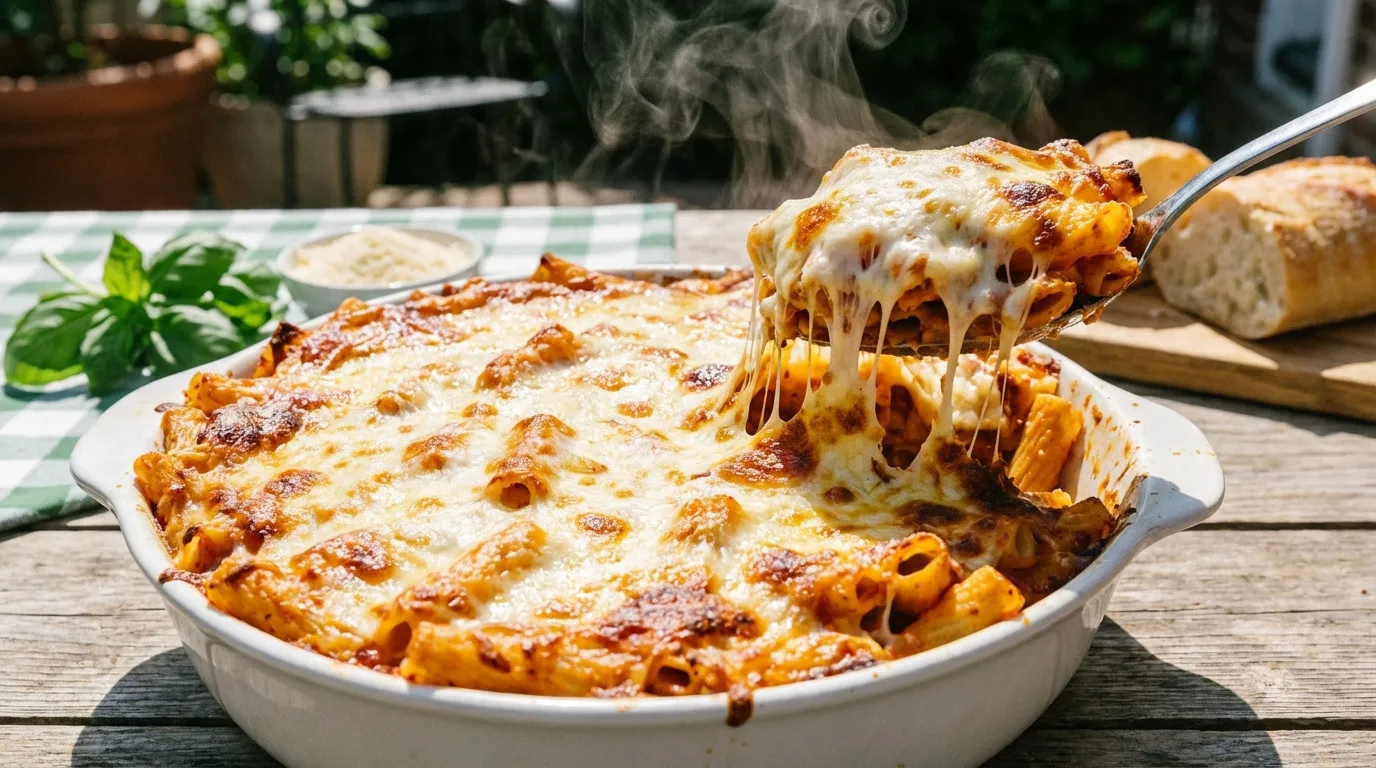
To feed a family of four for under $10, you must adopt a “pantry-first” volume strategy that prioritizes high-yield complex carbohydrates. By using $1 staples—such as dry pasta, rice, or potatoes—as the meal foundation and extending smaller portions of protein with $1 canned beans or tomatoes, you create nutrient-dense, large-volume meals that match restaurant-grade flavor profiles.
The Restaurant Secret: High-Yield Carbohydrates
High-yield carbohydrates are low-cost, shelf-stable starches that expand significantly in volume when cooked, providing the caloric foundation for cost-effective, large-batch meals. By focusing on pasta, rice, and potatoes, you shift the meal’s primary cost from expensive proteins to inexpensive, satiating starches, allowing you to feed four people while maintaining a strict $10 budget.
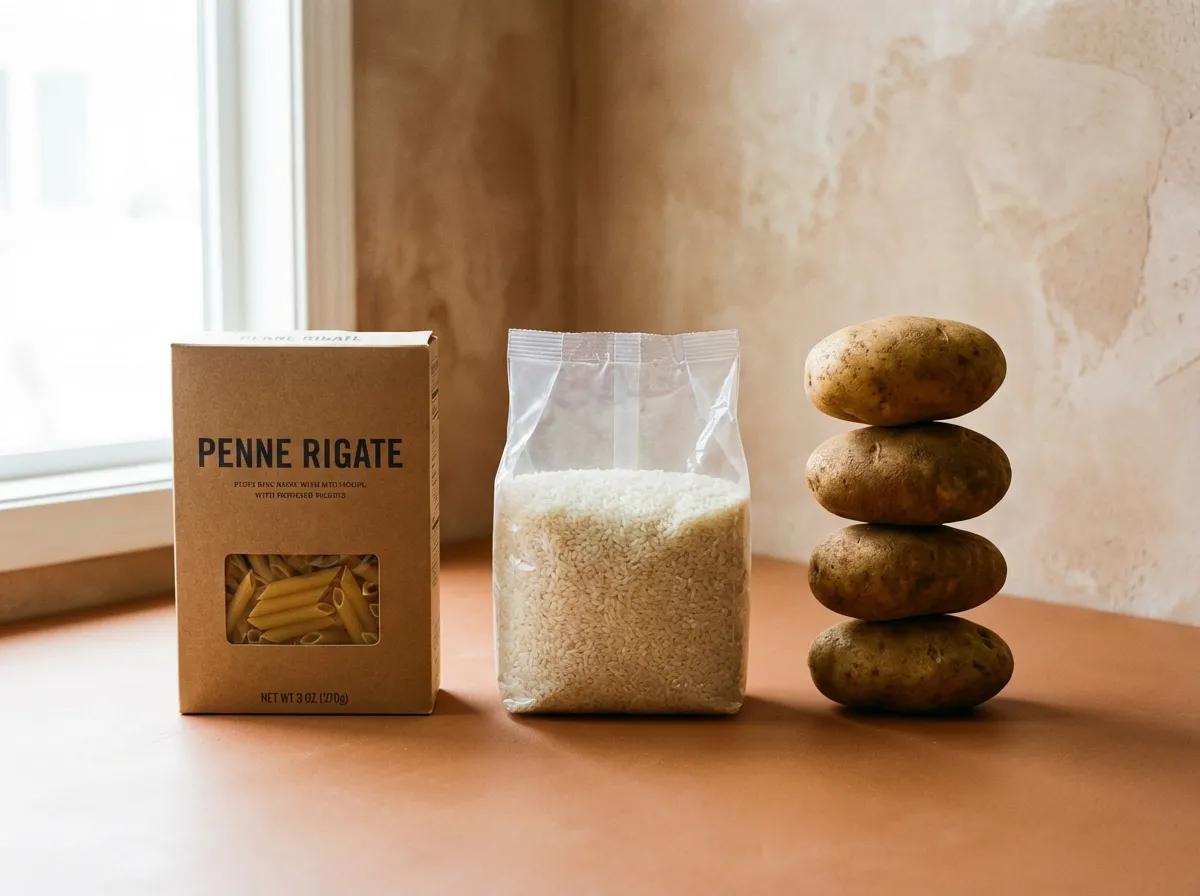
The foundation of a $10 budget: high-volume, low-cost carbohydrates.
Stop Buying Pre-Made Sauces (The $3 Save)
A DIY tomato sauce is a culinary preparation of crushed tomatoes, dried herbs, and aromatics simmered for 10 minutes to mimic the flavor profile of premium jarred sauces. By replacing $5.00 pre-made jars with $1.50 canned crushed tomatoes and pantry spices, you reduce your per-meal cost by approximately $3.50. This method is the foundation for creating a Rich Tomato Soup & Grilled Cheese combo that costs less than a single premium jar.
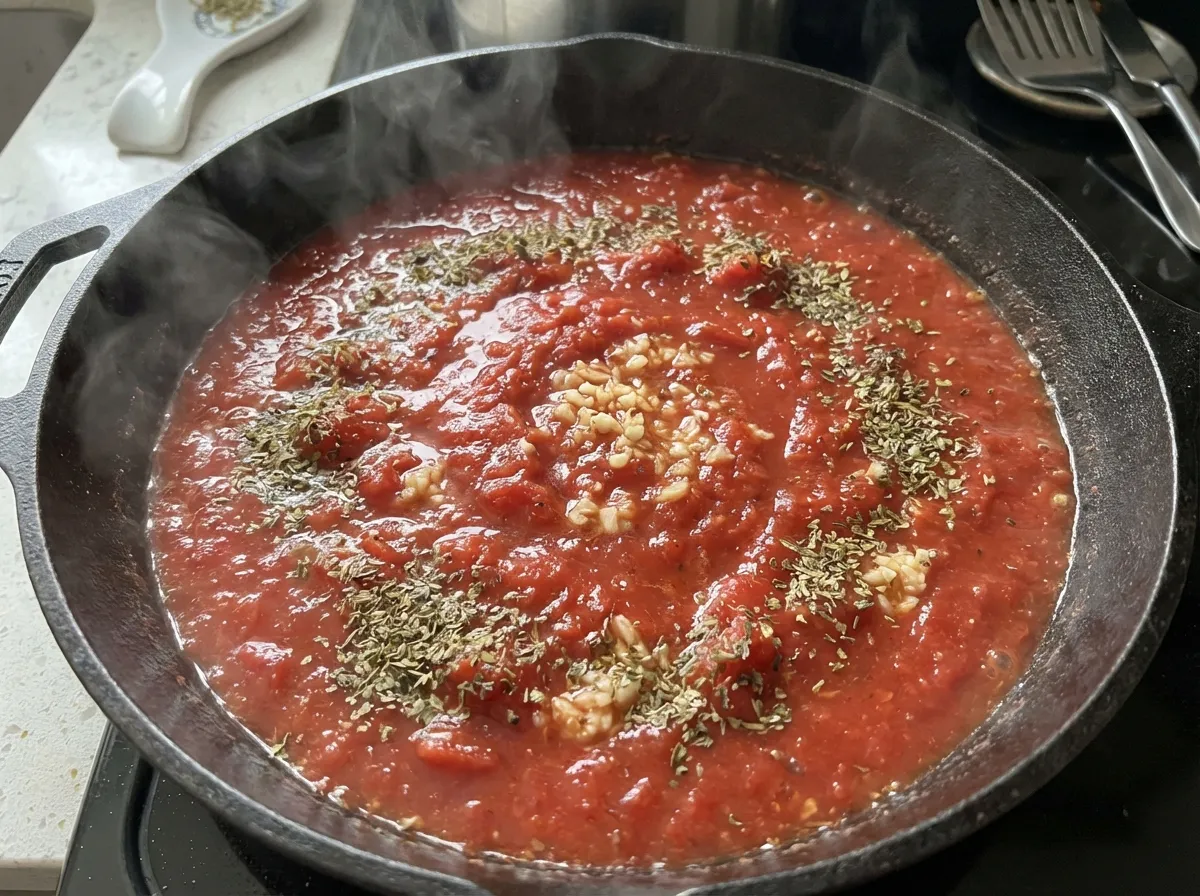
Ditch the $5 jar: a 10-minute simmer transforms basic crushed tomatoes into premium sauce.
The Marinara Arbitrage Matrix
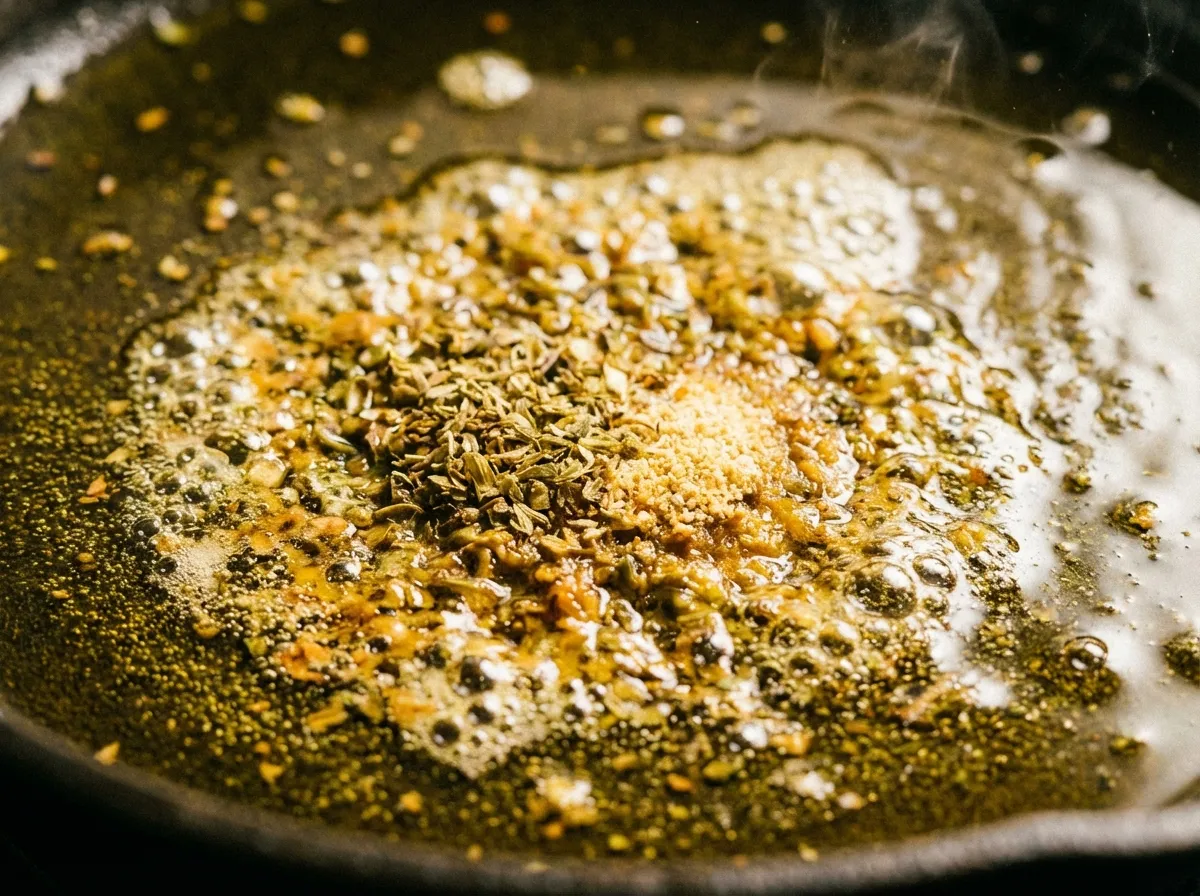
Blooming spices in oil is the secret to unlocking flavor in dried pantry staples.
| Tomato Source | Total Cost | Flavor Yield | Chef’s Chemistry Fix | Result |
|---|---|---|---|---|
| Premium Glass Jar | $5.50 | Very High | None required | ❌ Destroys the $10 budget |
| Generic Store Brand | $2.50 | Watery / Thin | Simmering reduction | ❌ Often too sweet/metallic |
| 28oz Canned Crushed | $1.50 | Massive Volume | Bloom spices in hot oil | ✅ The $3.50 Savings Hack |
The Chemistry: Essential flavor oils in dried spices like oregano and garlic are lipid-soluble, meaning they only release their full aromatic profile when dissolved in hot fat. Spending 120 seconds blooming these spices in hot olive oil before adding tomatoes ensures a professional depth of flavor that is otherwise absent when spices are added directly to cold liquid.
The Meat-Extender Matrix
Meat-extending is a culinary technique where high-flavor, low-cost proteins like bulk Italian sausage are combined with legumes to increase total meal volume without increasing meat expenditure. The starches in beans act as sponges, absorbing rendered fats and seasonings—a technique perfected in our Smoky Sausage & Potato Skillet—to ensure every bite provides the texture and savory satisfaction of a meat-heavy dish.
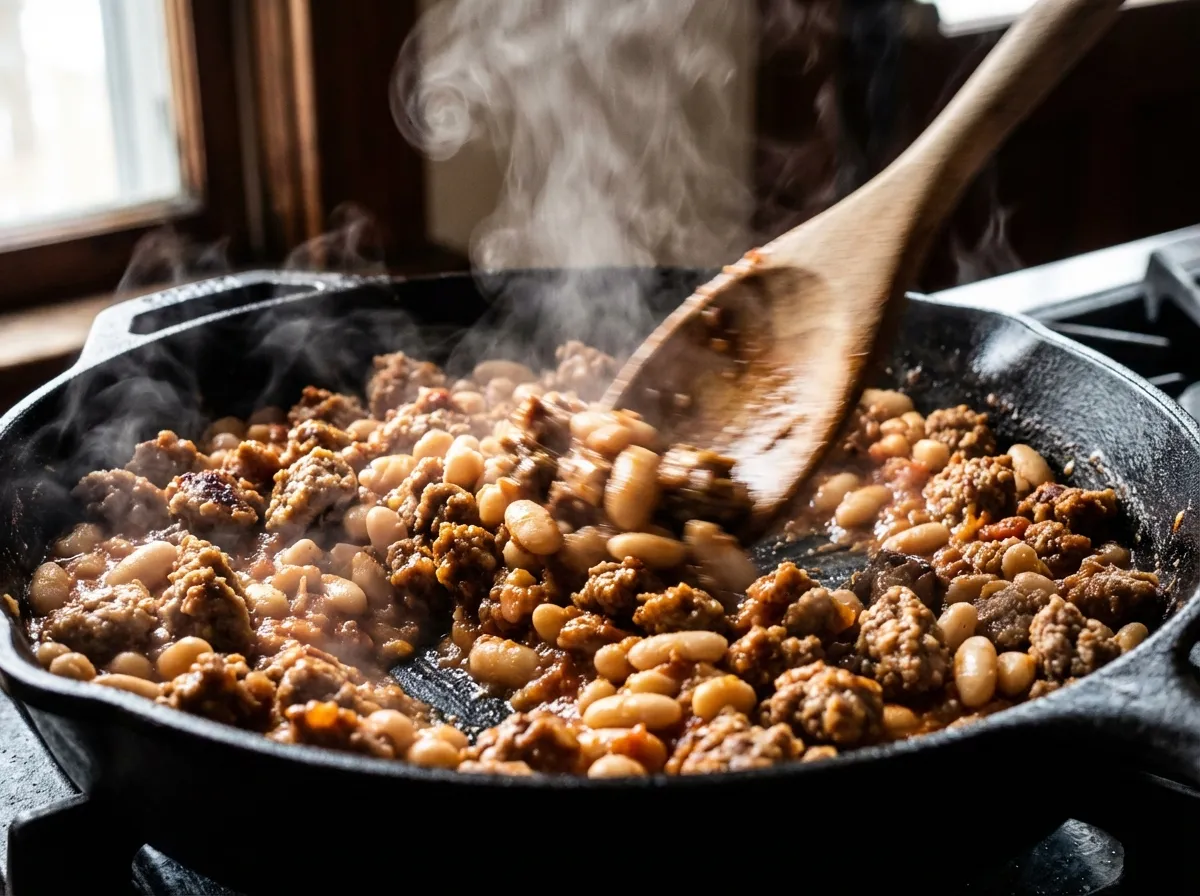
The Meat-Extender Matrix: Using beans to double the volume of your protein.
To maximize your budget, prioritize bulk-packaged proteins like ground turkey or bone-in chicken thighs. Avoid pre-diced, pre-marinated, or boneless cuts, as these incur a “labor upcharge”—a premium price added by retailers for the convenience of pre-processing.
The High-Yield Pantry Arsenal
To execute bulk meals that feed four or more, you must utilize specialized cookware designed for thermal efficiency and high-volume capacity.
| Hardware Requirement | Culinary Function | Risk If Ignored |
|---|---|---|
| 6-Quart Enameled Dutch Oven | Retains massive starch volumes | Flimsy pots boil over onto the stove |
| Premium 9×13 Ceramic Baker | Evenly distributes casserole edge heat | Cheap metal pans scorch and ruin dinners |
| Locking Glass Storage Matrices | Long-term budget leftovers | Plastic warps, stains, and breeds odors |
- The Dutch Oven: A 6-quart enameled cast iron vessel provides the thermal mass needed to boil bulk pasta or reduce large volumes of sauce without scorching.
- The Ceramic Baker: Ceramic distributes heat uniformly, preventing the edges of large-batch casseroles from burning before the center is fully cooked.
- Glass Storage: Airtight glass containers prevent flavor migration and staining, keeping bulk leftovers food-safe for up to 5 days.
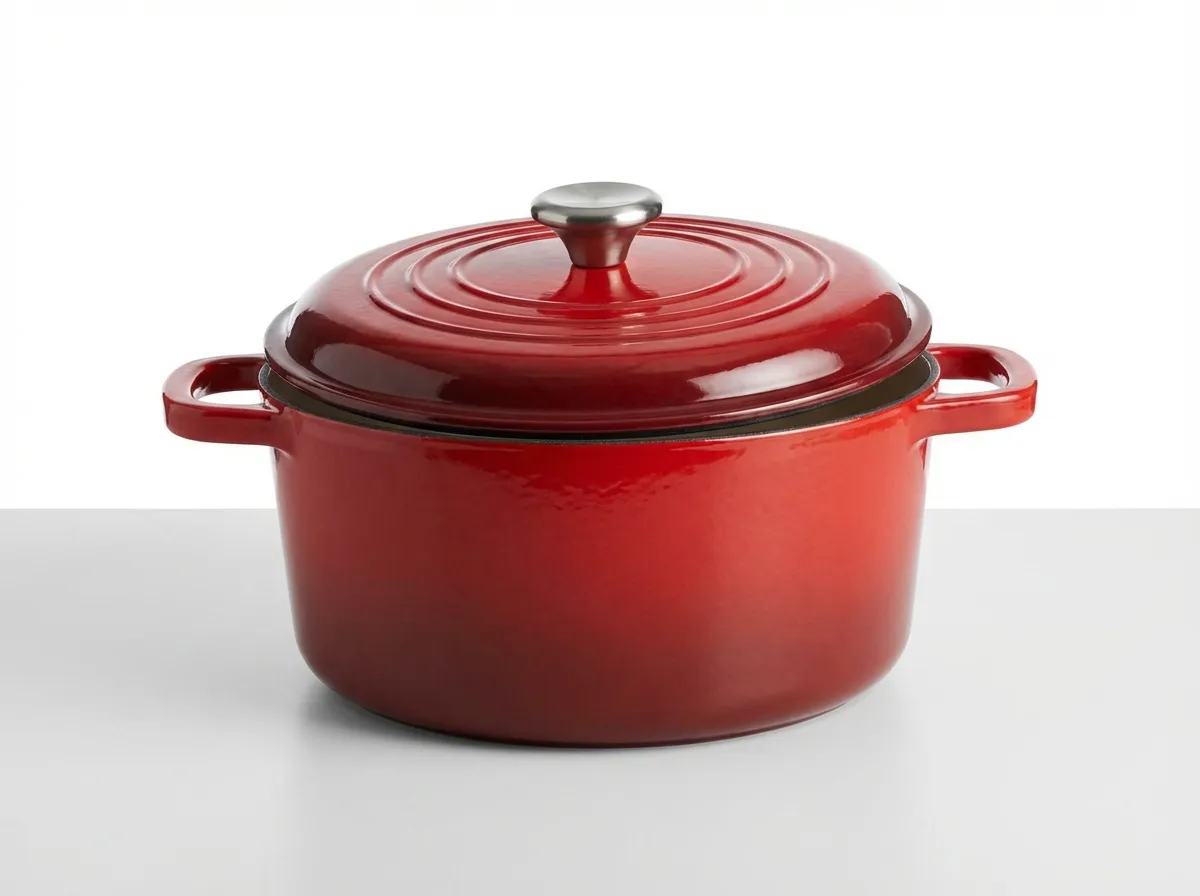
A 6-quart Dutch oven is essential for retaining heat in large-batch budget meals.
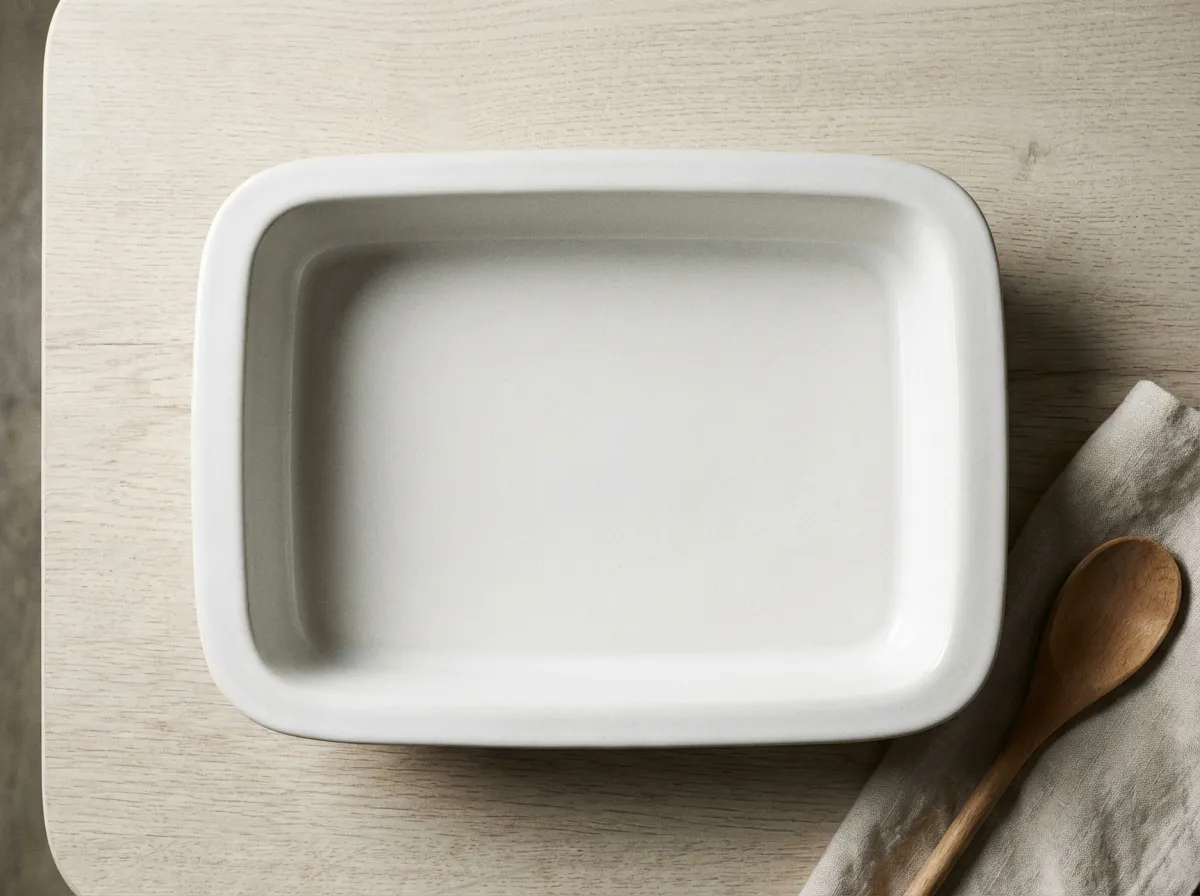
Ceramic bakers prevent scorching, ensuring every bit of your $10 meal is edible.
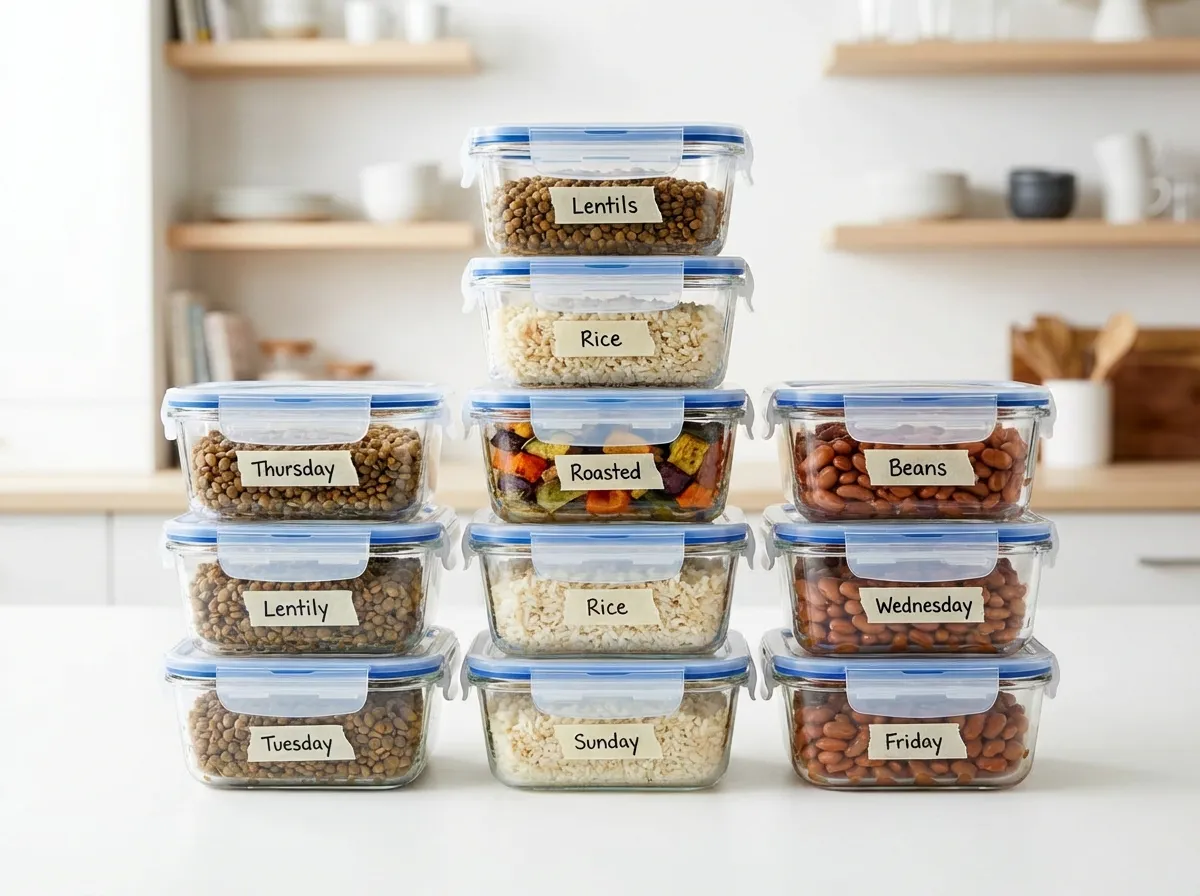
Glass storage protects your investment and keeps leftovers fresh for up to 4 days.
Field-Tested Results: The Visual Trick of Styling
Culinary garnishing is the practice of using low-cost fresh herbs and fats to improve the visual presentation of budget-friendly meals. A $0.99 bunch of fresh parsley and a drizzle of olive oil can transform a $6 skillet meal into an aesthetically pleasing, dignified dinner, effectively removing the “struggle food” stigma from the table.
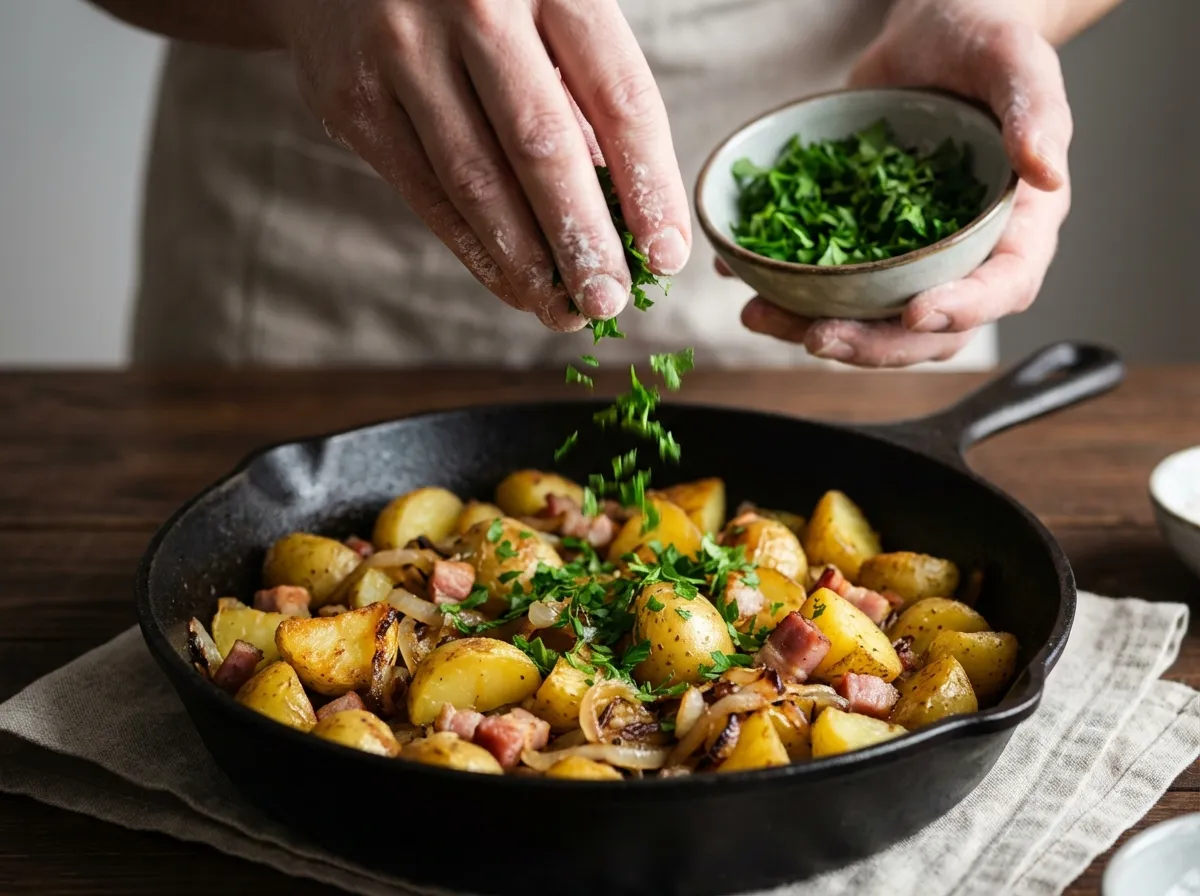
A $0.99 bunch of parsley removes the ‘struggle’ feel from budget cooking.
5 Family Dinners for Under $10 Total
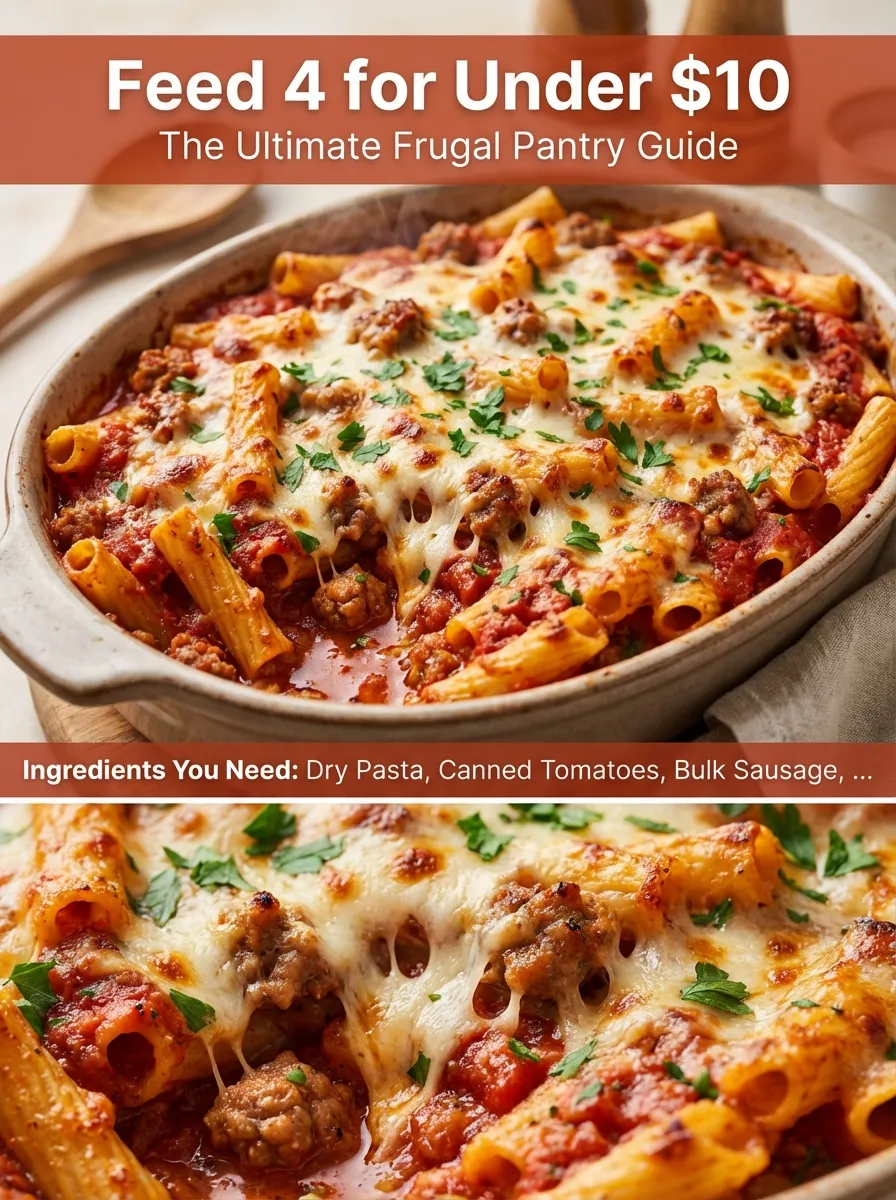
Pin this guide to save your grocery budget this week!
- Large-Yield Baked Ziti Casserole
- Family Friendly Bean Enchiladas
- Smoky Sausage & Potato Skillet
- Rich Tomato Soup & Grilled Cheese
- Big-Batch Homemade Pancake Mix (Breakfast for Dinner)
Frequently Asked Questions
Are deeply discounted canned vegetables less nutritious than expensive fresh produce?
No. Canned vegetables are processed at their botanical peak, locking in nutrients immediately. Fresh produce often degrades during transit and storage. Canned tomatoes and beans are shelf-stable, cost-effective, and provide high nutritional value comparable to or better than fresh options that have spent weeks in a supply chain.
How long can I safely store leftovers from a massive 9×13 budget casserole?
You can store a dense pasta or rice casserole in an airtight glass container in the refrigerator for up to 4 days. Because the starches continue to absorb the sauce while chilled, the flavor profile often improves by the second or third day, making these meals ideal for advance preparation.
Is it safe to eat $1 pasta if we are trying to eat healthy?
Yes. Pasta serves as a versatile delivery vehicle for fiber-rich legumes and lean proteins. By combining pasta with beans or ground turkey, you create a balanced macro profile. The health value of the meal is determined by the total ratio of fiber and protein to starch, not by the cost of the noodles.
What to Read Next
To see the exact volume and styling mechanics applied to pasta, start with the Large-Yield Baked Ziti Casserole. For an elite masterclass in extending $7 ground beef into two pounds of food using fiber, review the Hidden Lentil Sloppy Joes. Need to prep incredibly cheap, high-yield breakfasts? Learn the Big-Batch Homemade Pancake Mix execution. Feed the kids for absolute pennies using the Family Friendly Bean Enchiladas.
Get Sophia’s Complete $10 Frugal Grocery List Spreadsheet → QuickPlateChef Resource Library